
He wanted electricity to speed up cell growth. Instead, it turned bacteria into unbreakable threads.
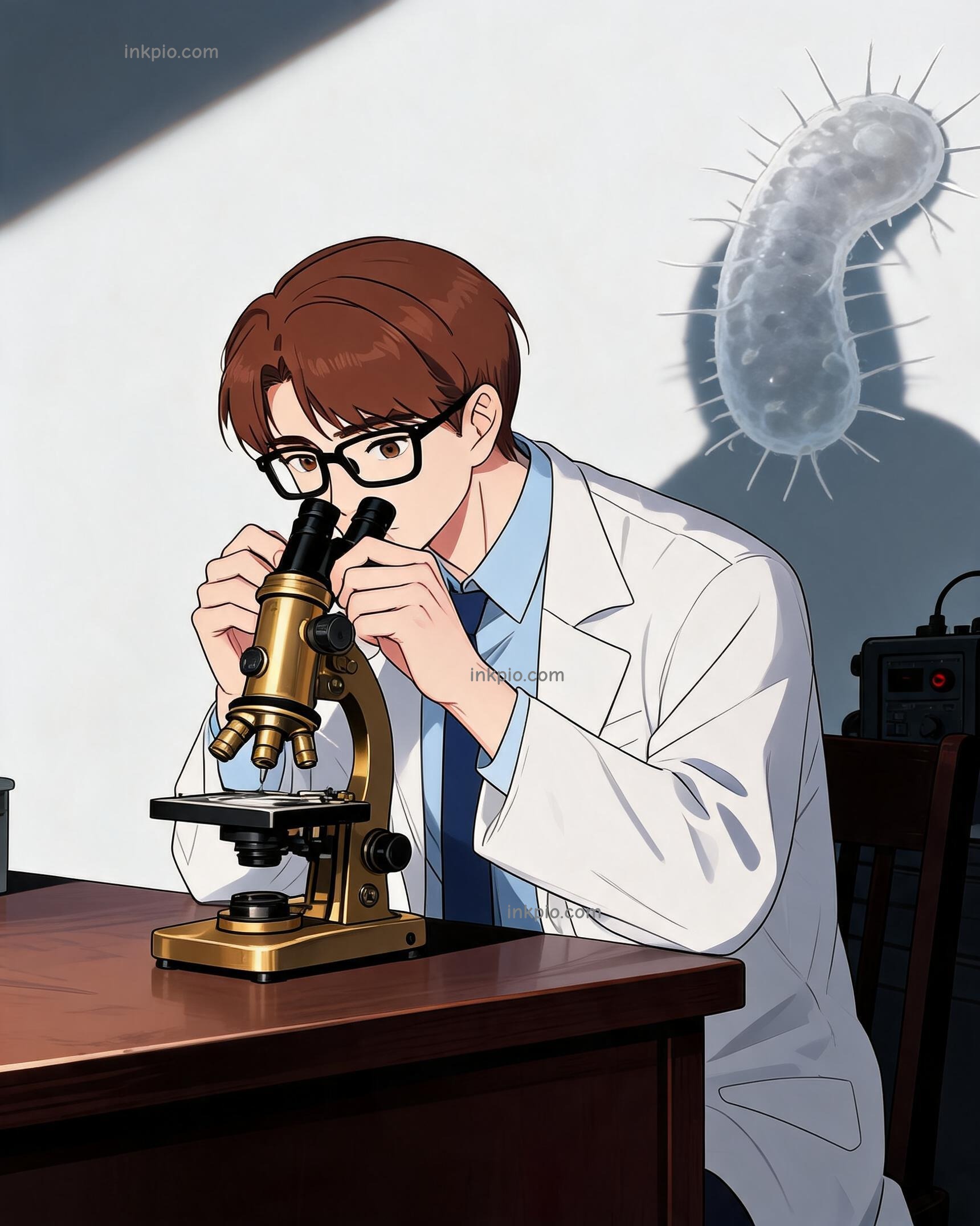
The air in the Michigan State laboratory hummed with a low, electric tension in 1965. Barnett Rosenberg stared at the platinum wires submerged in the E. coli broth, his fingers tapping a restless rhythm on the bench. He was chasing a simple dream: to prove that a gentle electrical nudge could wake sleeping cells and push them to multiply faster. It was a clean, logical hypothesis. But science rarely respects logic. When he finally pulled the slide from the microscope stage, the silence in the room felt heavier than usual. The culture looked wrong. Not dead, but distorted.
Under the lens, the bacteria had not divided. They had stretched. They spiraled out into long, microscopic filaments, resembling tangled fishing line caught in a dark current. They grew to three hundred times their normal length, yet cell division remained completely blocked. Rosenberg rubbed his eyes, assuming fatigue was playing tricks on him. He checked the power supply. Stable. He swapped the nutrient broth. Fresh. He monitored the room temperature. Constant. Nothing explained the sudden, grotesque stall. The electric field should have stimulated growth, not frozen it in a state of elongated limbo. A cold knot of anxiety tightened in his stomach. Had he ruined the sample? Had he wasted months on a faulty setup?
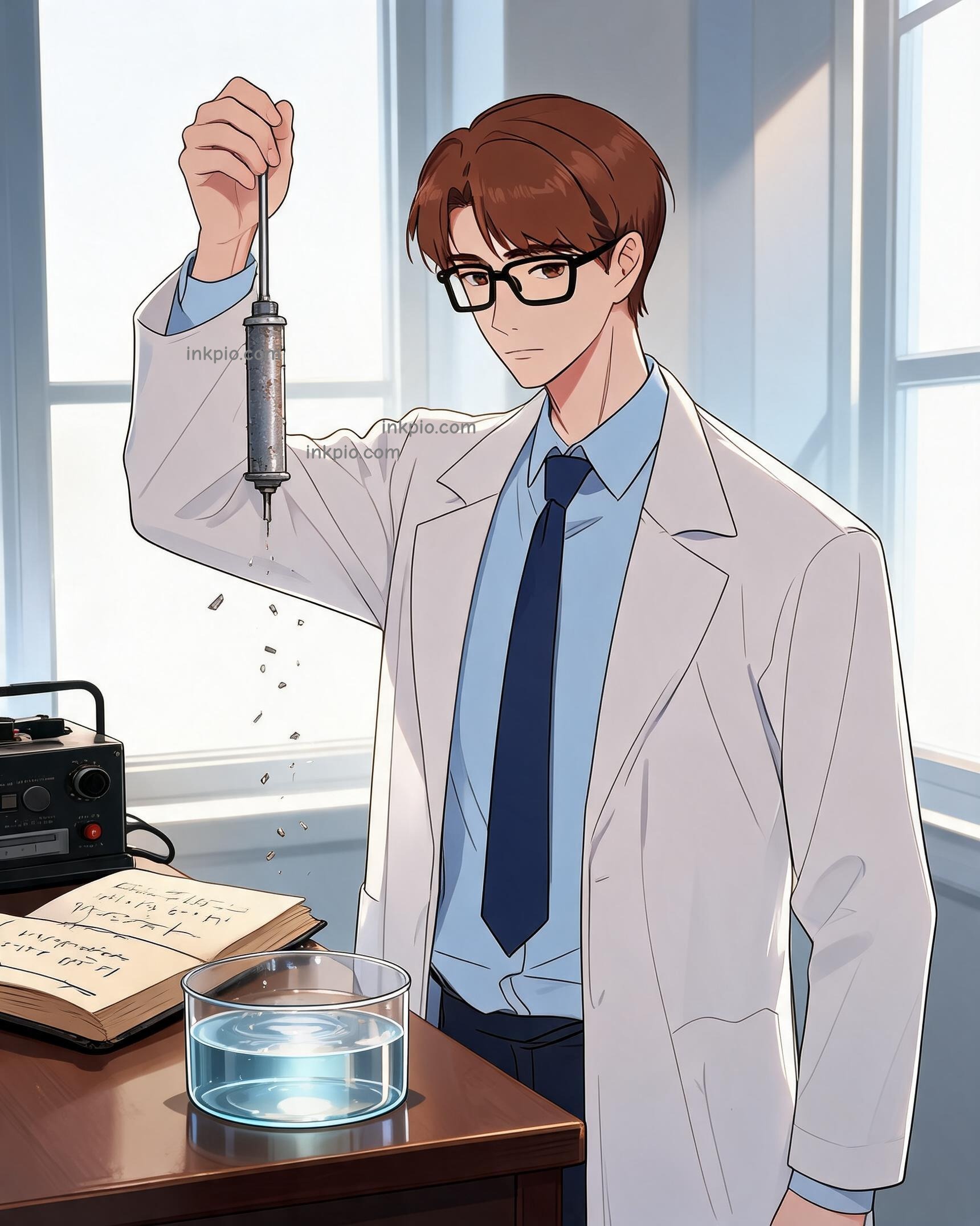
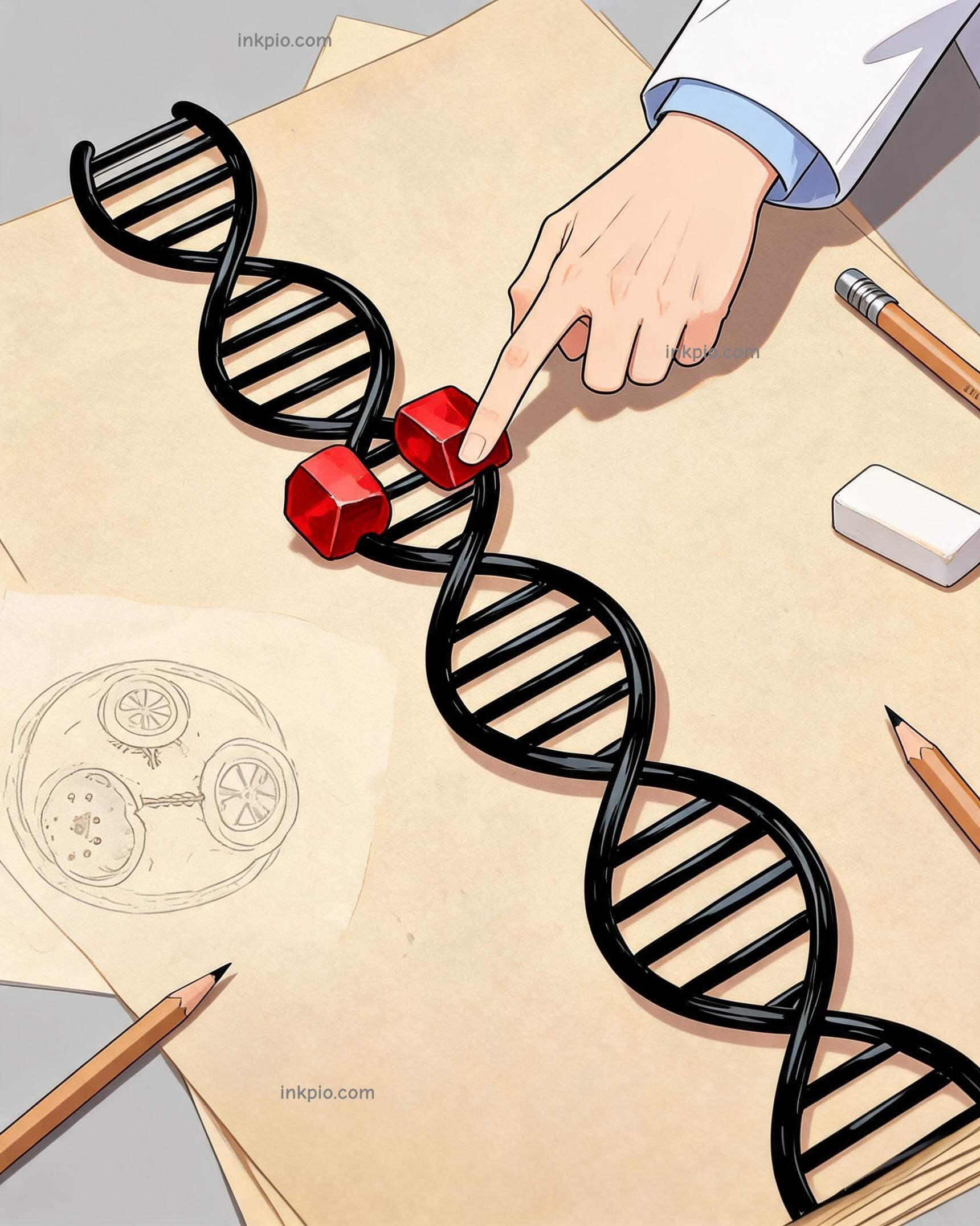
He stopped chasing the invisible current and started examining the metal itself. The platinum electrodes were not inert. They were slowly corroding, surrendering tiny flakes into the liquid. These dissolved platinum atoms drifted like silent hunters toward the bacteria’s genetic blueprints. Imagine DNA as a heavy zipper that must open so a cell can copy its instructions and split in two. The platinum ions acted like rigid metal clamps, snapping onto the zipper teeth and welding them shut. The cell kept pumping out new material, growing longer and more desperate, but the central copying machine jammed hard. It physically could not separate. The life inside was trapped, expanding but never becoming more.
Rosenberg realized he had accidentally discovered a molecular brake. The fear of failure shifted into a quiet, trembling awe. He isolated the active compound, cis-diamminedichloroplatinum(II), and prepared fresh tumor samples. His hands moved with deliberate care, aware that he was holding something volatile. When the purified solution hit the malignant cells, their replication froze on contact. The chaos of cancer, which thrives on runaway multiplication, met an immovable object. For the first time, the relentless spread of the disease had a counterweight.
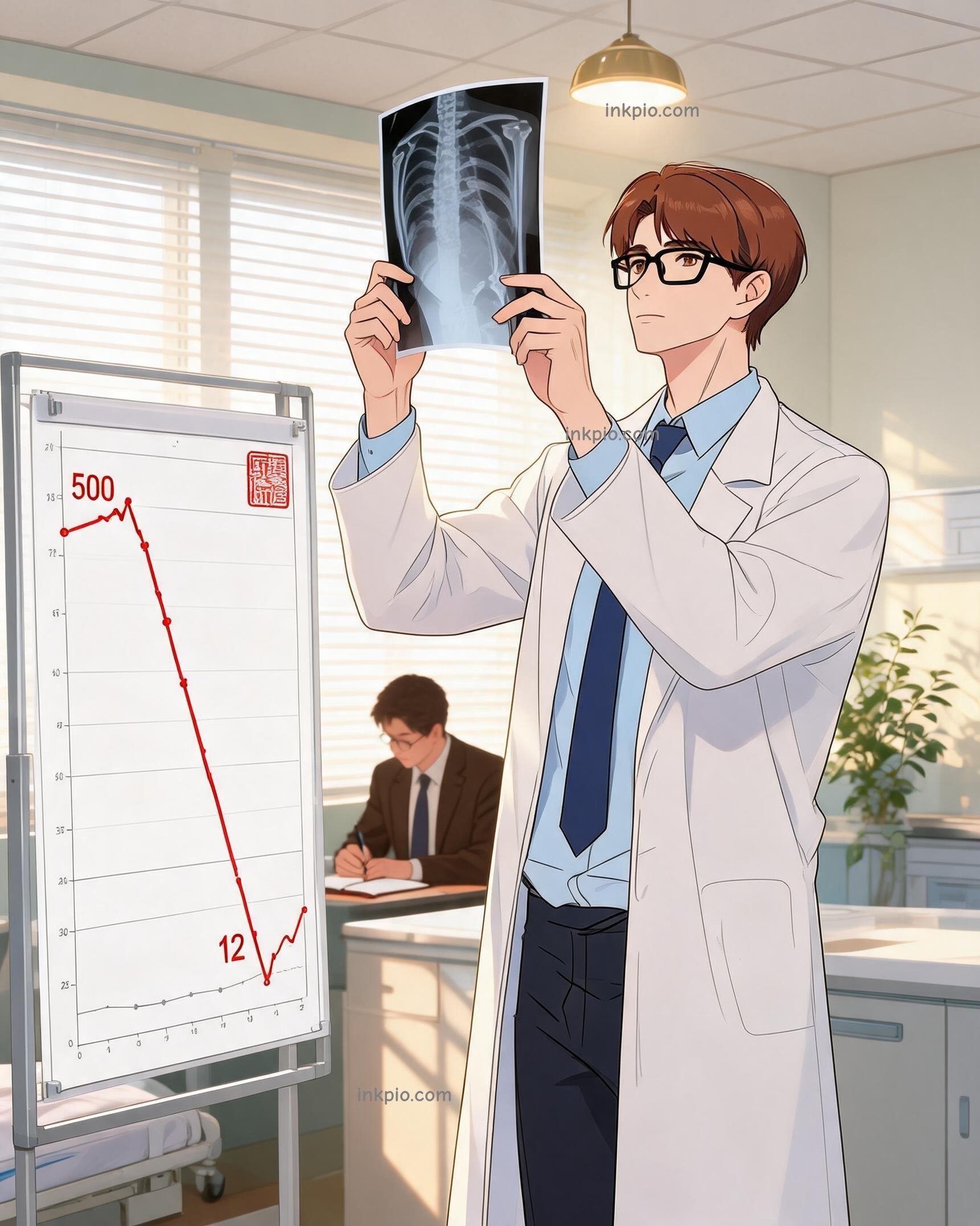
The findings moved from the bench to clinical trials, carrying the weight of countless hopes. In 1978, the FDA approved the drug as cisplatin. It did not just treat; it rewrote the prognosis for a disease that used to be a death sentence. Early-stage testicular cancer, once a grim diagnosis, saw cure rates climb over ninety percent. But in the lab, the moment remained personal. Rosenberg looked at the static image under the glass. He had only wanted to watch a few bacteria split, to understand the basic rhythm of life. Instead, a dissolving wire had handed oncology a way to stop tumors in their tracks.
He set down the pipette, the glass clicking softly against the tray. The bacteria lay still, frozen in their elongated struggle. Outside, the world continued its noisy pace, unaware that in this quiet room, the rules of survival had just changed. He did not celebrate. He simply watched the suspended cells, wondering how many other secrets were hiding in plain sight, waiting for a mistake to reveal them.