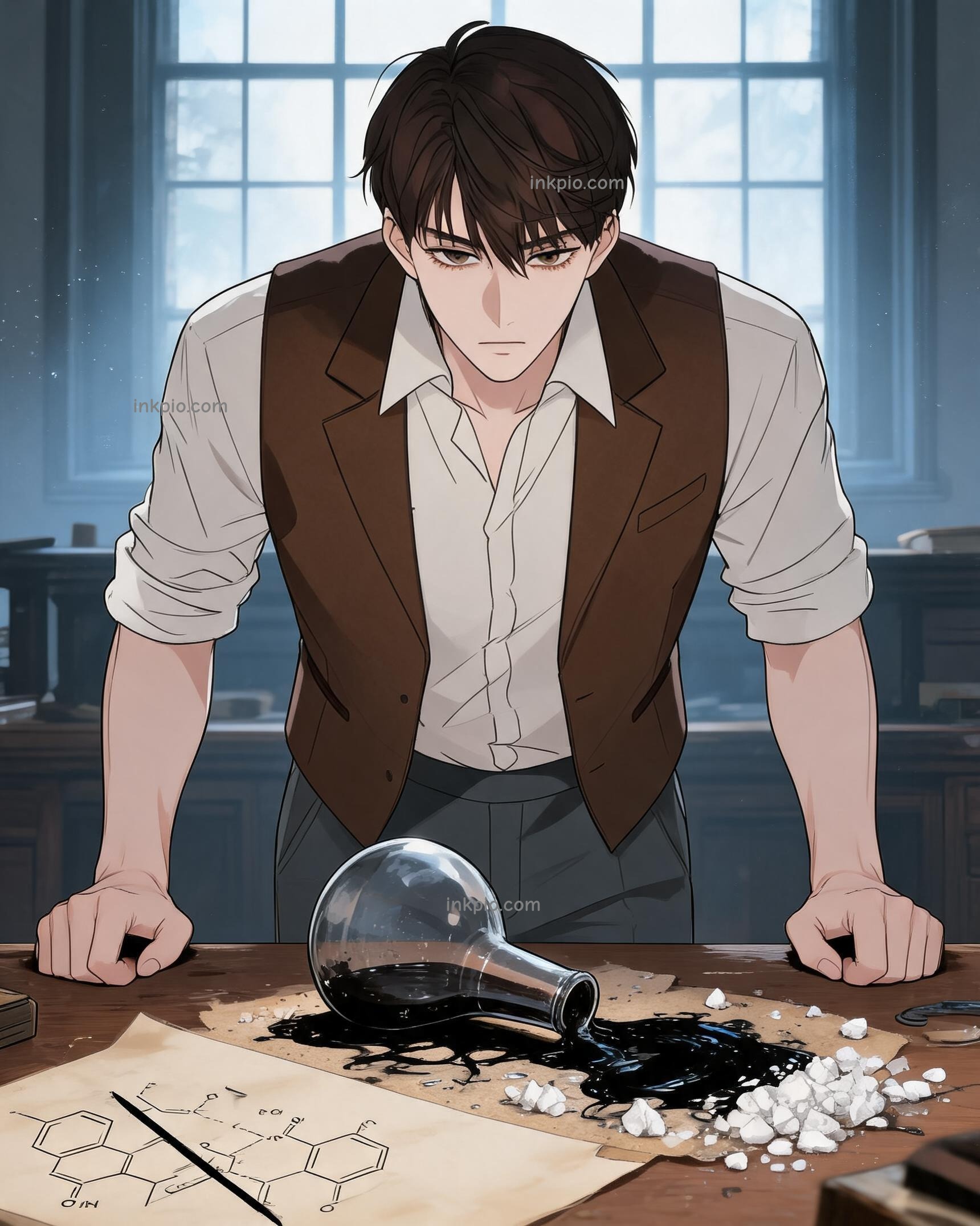
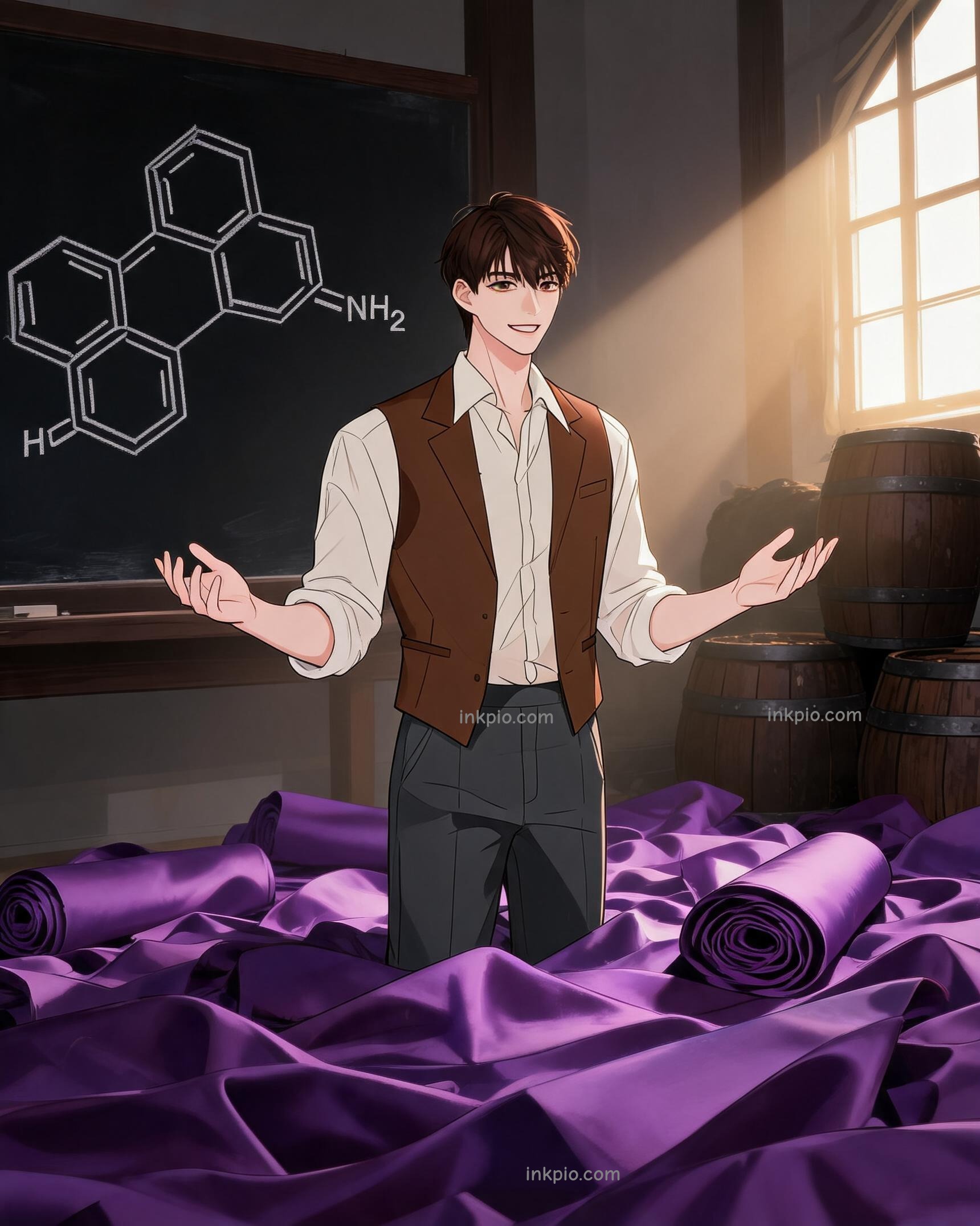

The flask tipped. A thick, tar-like sludge oozed across the wooden workbench, swallowing the promise of a cure.
It was March 1856. William Henry Perkin was only eighteen, but the weight on his shoulders felt heavier than the glassware cluttering his home laboratory. Malaria was killing people in droves, and the only remedy, quinine, was extracted from rare tree bark that cost a fortune. Young, ambitious, and desperate to prove himself, Perkin had convinced himself he could synthesize it from cheap coal tar. He measured the crystals with trembling precision, added the strong oxidizer, and held his breath. He expected a clear, medicinal powder. Instead, the mixture collapsed into a sticky, useless black mess.
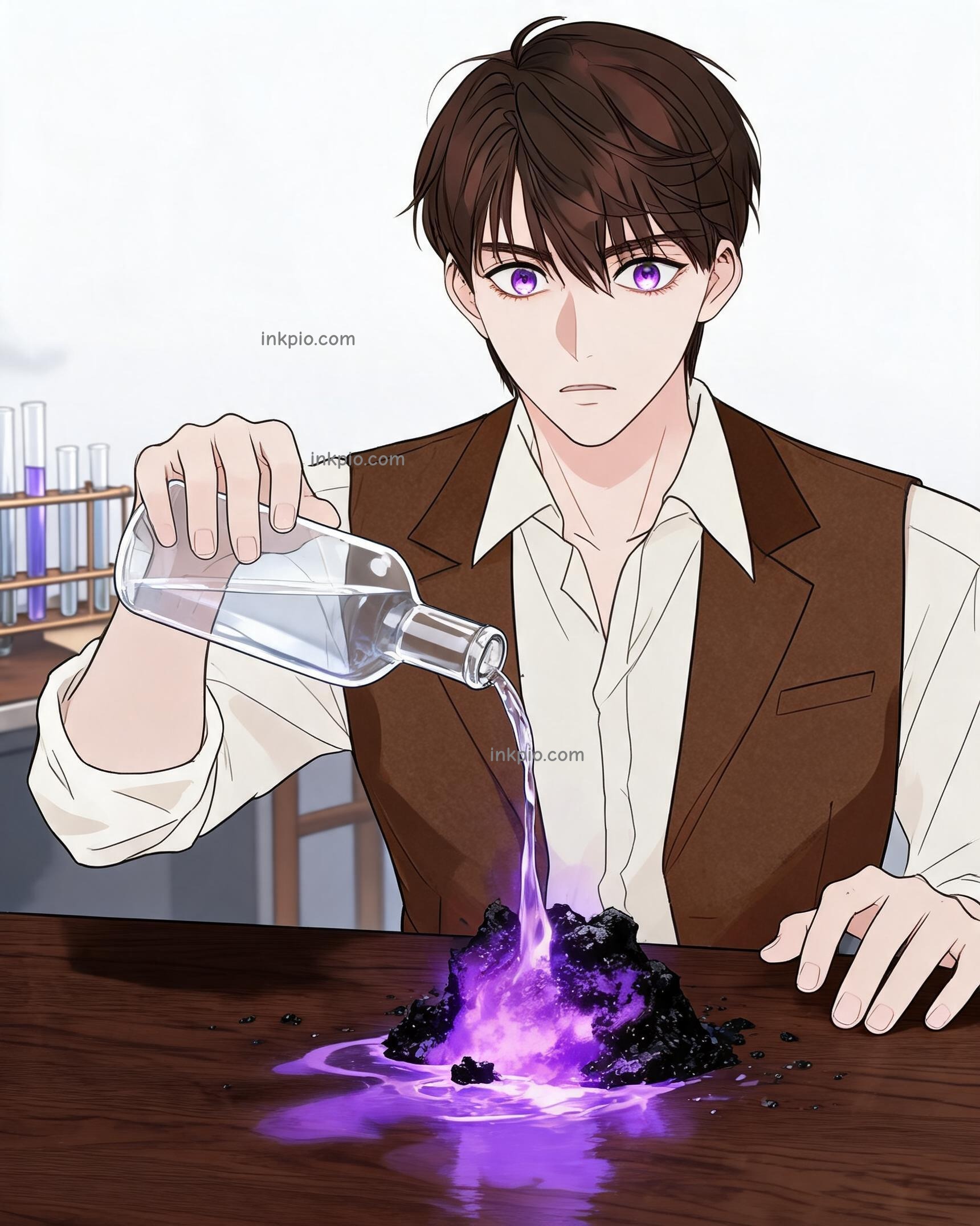
Failure tasted like ash. For a moment, Perkin just stared at the ruin. This wasn't just a wasted afternoon; it was wasted money, wasted hope, and a public embarrassment waiting to happen. His father had invested in this setup. His mentors expected results. The black sludge seemed to mock his ambition, a physical manifestation of his inadequacy. He grabbed the wash bottle, his movements sharp with frustration, and poured alcohol over the bench to scrub away the evidence of his mistake.
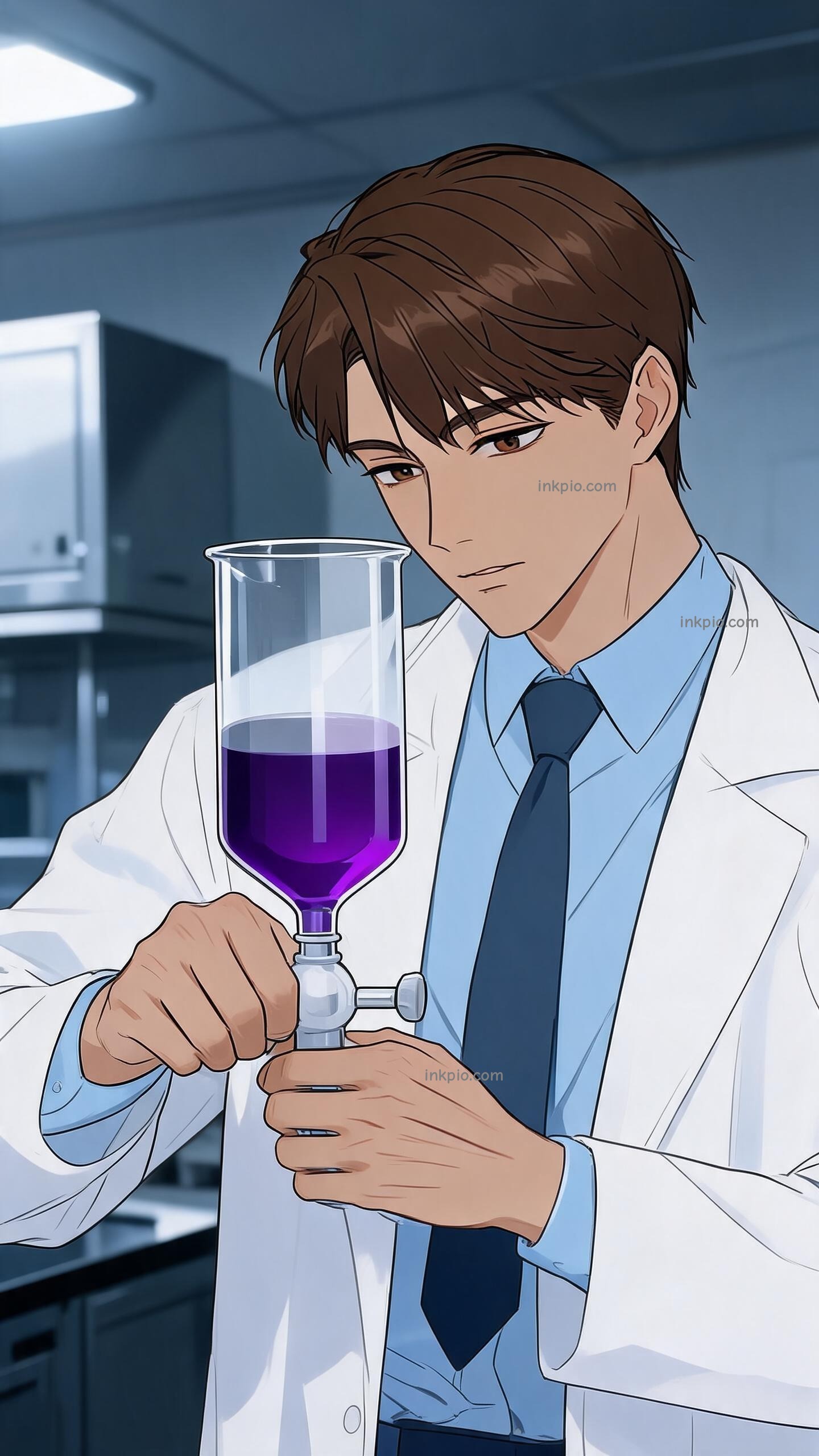
But the black stain refused to vanish. As the alcohol hit the residue, the dark mass didn't wash down the drain. It dissolved. Slowly, the murky liquid transformed into something shocking: a vivid, glowing violet solution that clung to the glass walls. Perkin froze, the wash bottle still in his hand. The anger drained out of him, replaced by a cold, prickling curiosity. Coal tar was industrial waste, dirty and cheap. This liquid looked like royalty.
He leaned closer, squinting against the dim gas light. Something fundamental had shifted inside the flask. The atoms hadn't followed the straight, predictable path to quinine. During oxidation, the carbon and nitrogen links had snapped and reformed, tangling together like wooden planks caught in a fast current. They had woven themselves into a large, interlocking ring structure. This complex molecular net was stable, dense, and hungry for connection. It didn't just sit in the liquid; it wanted to hold on to something.
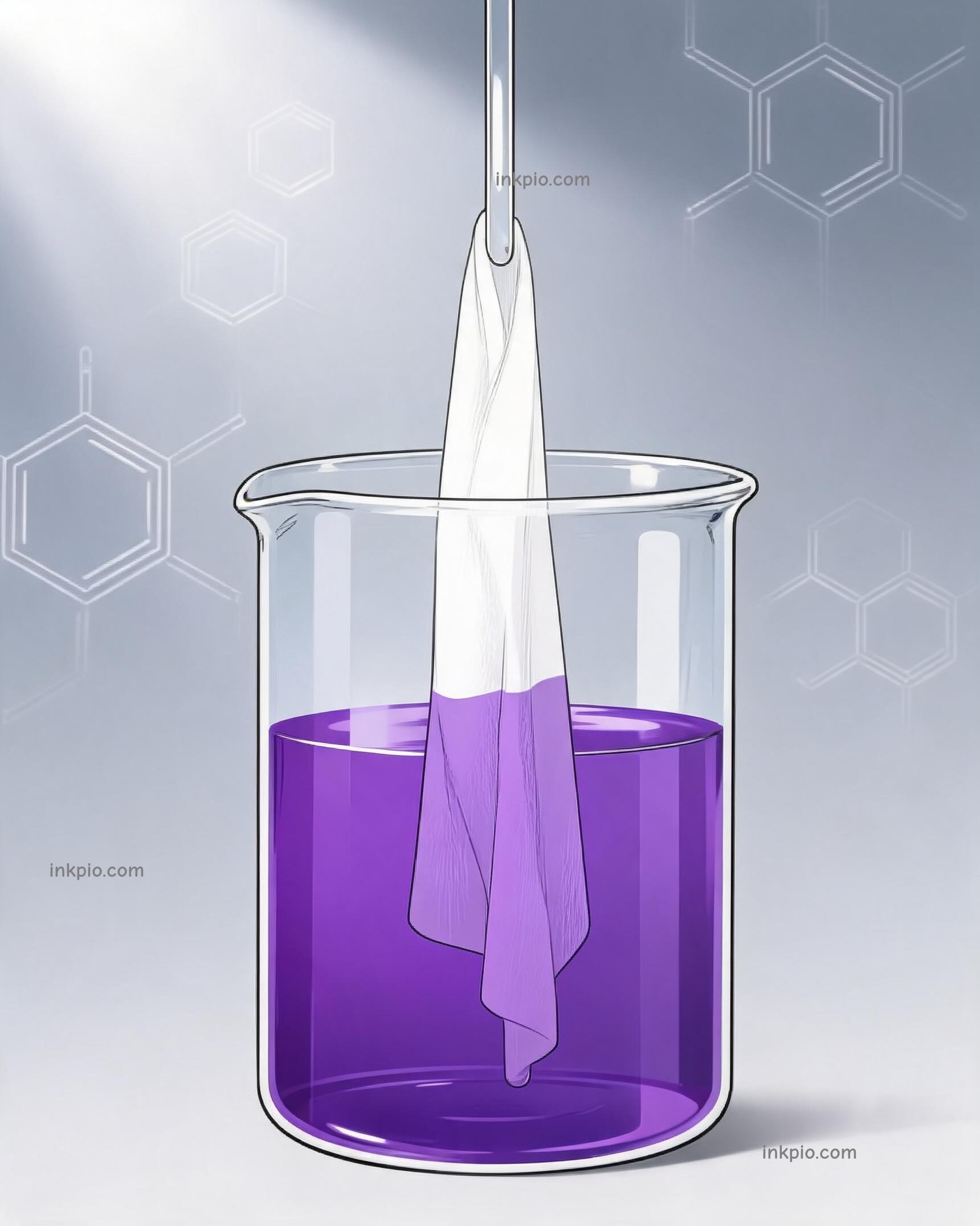
Perkin’s heart began to hammer against his ribs. He needed to know if this color was real or just a trick of the light. He fished a scrap of raw white silk from a nearby drawer. His hands shook slightly as he dipped the fabric into the beaker. The silk drank the violet liquid instantly. The plain white cloth vanished, replaced by a brilliant, deep purple that seemed to pulse with its own light.
He couldn't trust his eyes alone. He scrubbed the dyed silk with harsh soap. He boiled it in water. He left it exposed on the windowsill, letting the London soot and rain beat against it. Days passed. The color did not fade. It did not bleed. It remained locked into the fibers, defiant and permanent. In that quiet room, the failure of the medicine faded into the background. Perkin realized he had missed his target, but he had struck something far more valuable. He hadn't just made a dye; he had captured light itself.
The news traveled faster than the chemical reaction. By 1856, Perkin had patented mauveine, the first synthetic organic dye. The world outside his small lab was starving for color. Natural purple dyes were so expensive that only emperors could afford them. Now, factory owners saw the potential. They scaled up his process, turning piles of cheap, smelly coal tar into endless rolls of vibrant cloth.
Wealthy buyers, who once paid fortunes for natural shades, now lined up for this new, impossible hue. In 1862, Queen Victoria wore a gown dyed with Perkin’s invention to the Royal Exhibition. The sight of the monarch in mauveine signaled a shift in power. Color was no longer a privilege of birth; it was a product of industry.
Perkin eventually traded his delicate glassware for heavy factory machinery. He became a wealthy man, but the memory of that night never left him. He often thought back to the black sludge that had ruined his bench. He washed his hands, turned off the gas lamp, and walked out into the cool night air. Behind him, the city slept, unaware that it would soon wake up dressed in the colors of his accident.