
Royal packets dragged across the Atlantic in forty days. Ordinary merchant ships made the exact same crossing in half that time.
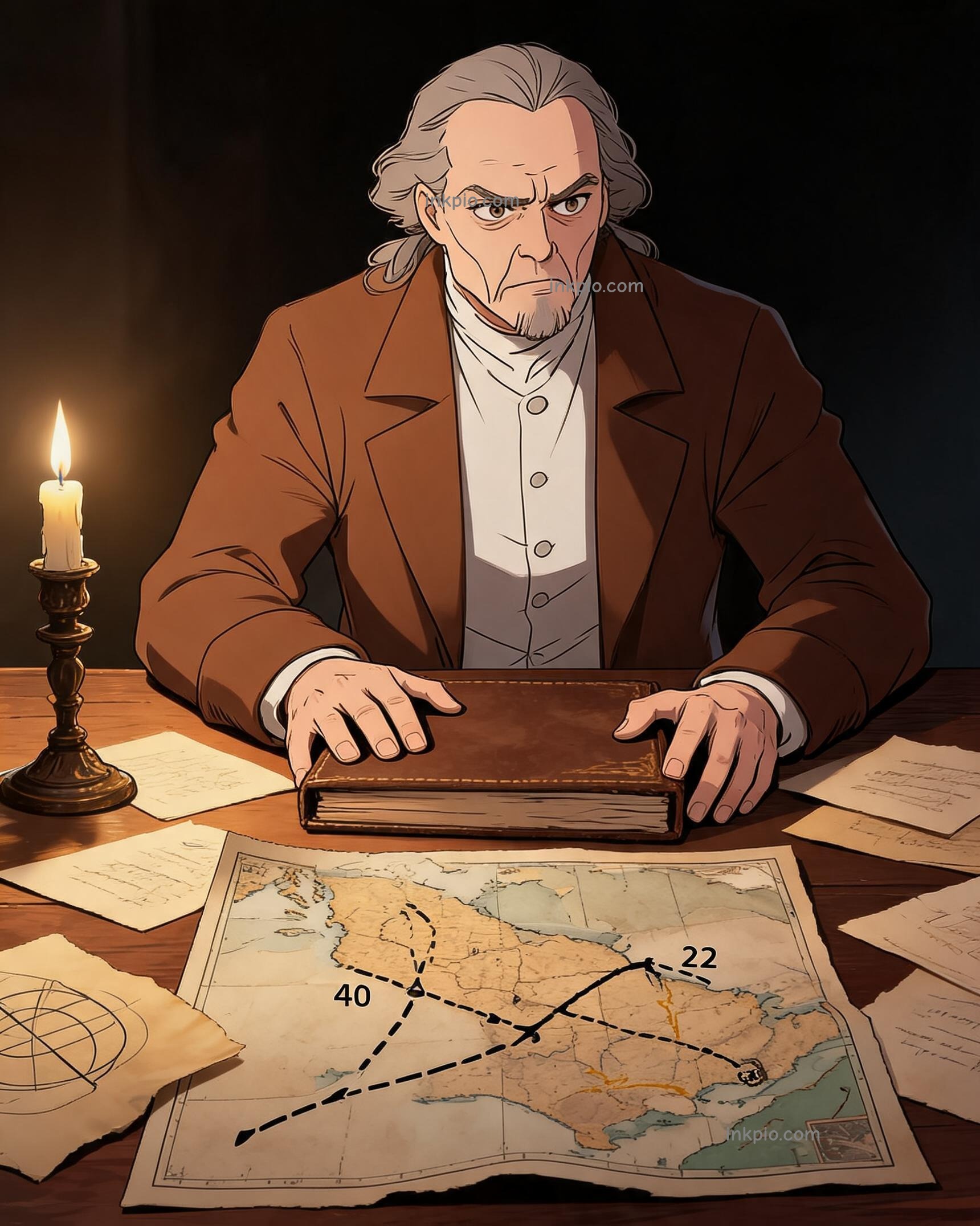
In 1768, Franklin sat in his study as Deputy Postmaster General, staring at shipping logs that refused to add up. The London planners kept blaming stubborn headwinds, but the official wind charts never matched the actual crossing times. Something else was dragging the heavy mail packets backward, and the Crown needed those letters moving faster.
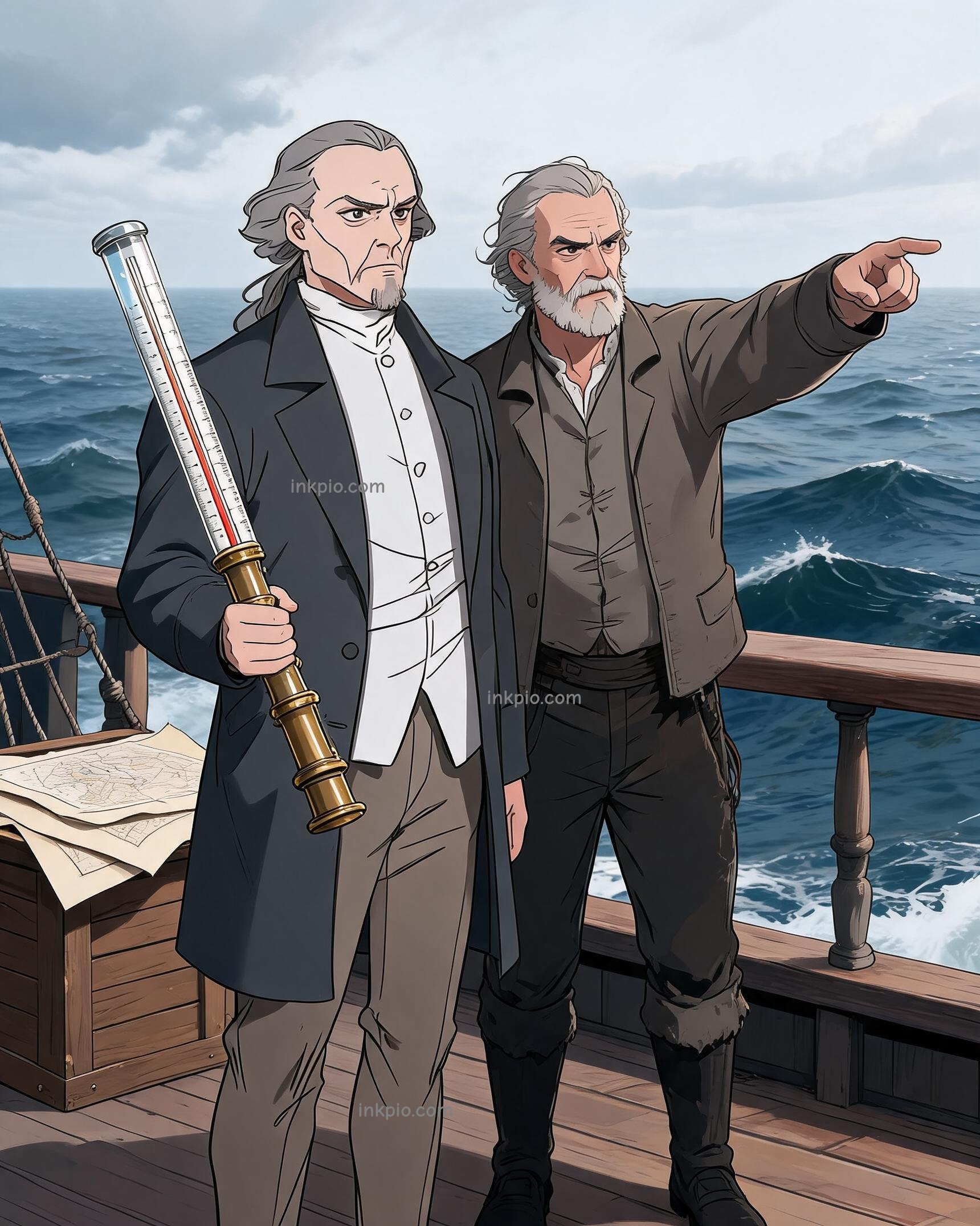
Franklin stopped guessing about the weather and went straight to the men who actually worked the water. He sat down with Timothy Folger, a seasoned Nantucket whaler who had spent his life reading the open ocean. Folger pointed out a simple truth that the British officials had completely missed: merchant captains already knew about a hidden river in the sea and simply steered into a fast, warm ribbon that ran northeast. Franklin decided to stop watching the sky and start measuring the water itself.
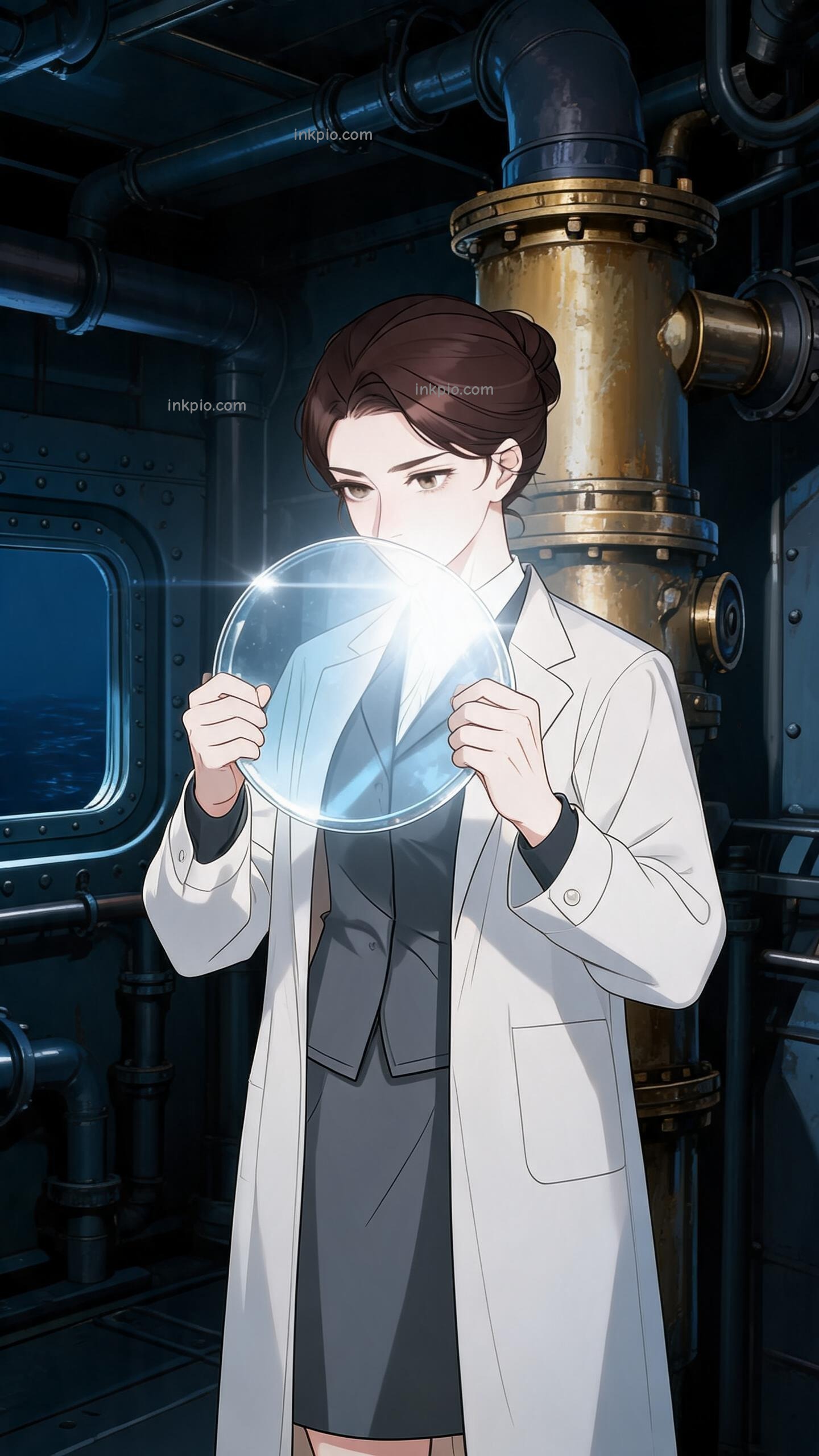
Finding that invisible ribbon required a steady hand and a long brass thermometer. Think of it like tracing a warm draft through a cold hallway. The seawater temperature provided the raw input. Lowering the glass tube at fixed intervals was the operation. The height of the silver mercury column gave the exact output. When the tube crossed the hidden current, the metal shot up. When they drifted out of it, the reading dropped back to the usual Atlantic chill.
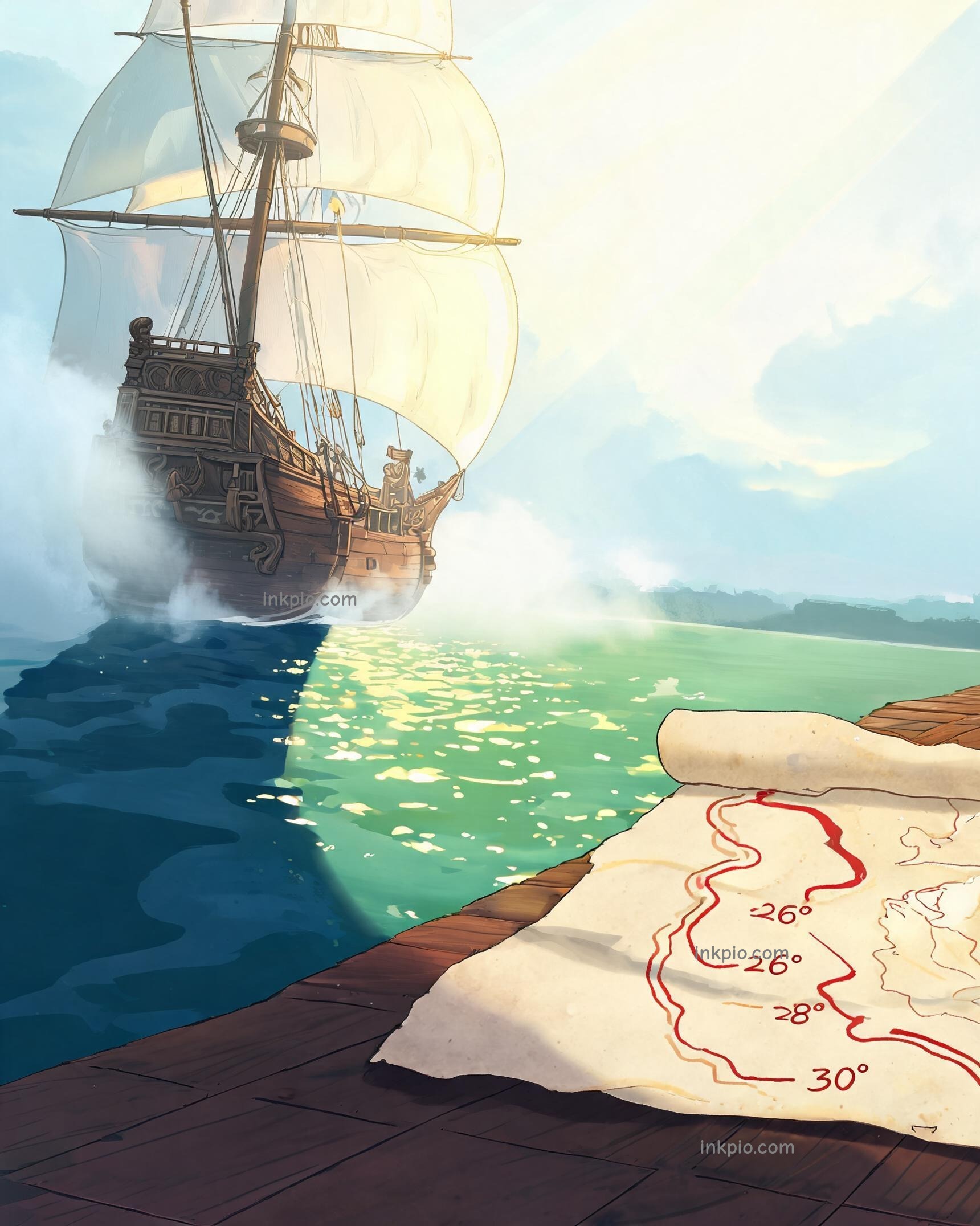
The temperature logs quickly sketched a path the old navigators had ignored. Across the gray water, Franklin spotted a sharp thermal spike forming a clean diagonal band toward Europe. He plotted those numbers onto a fresh chart and drew a solid line where the warm water met the cold. The map gave captains a clear route to follow. Instead of battling the headwinds, ships simply angled into the warm band and let the steady flow carry them east.
Franklin published the chart in 1770 and watched the crossing times shrink dramatically. The heavy mail packets finally caught up to the merchant trade, and captains just followed the warm water to get home.