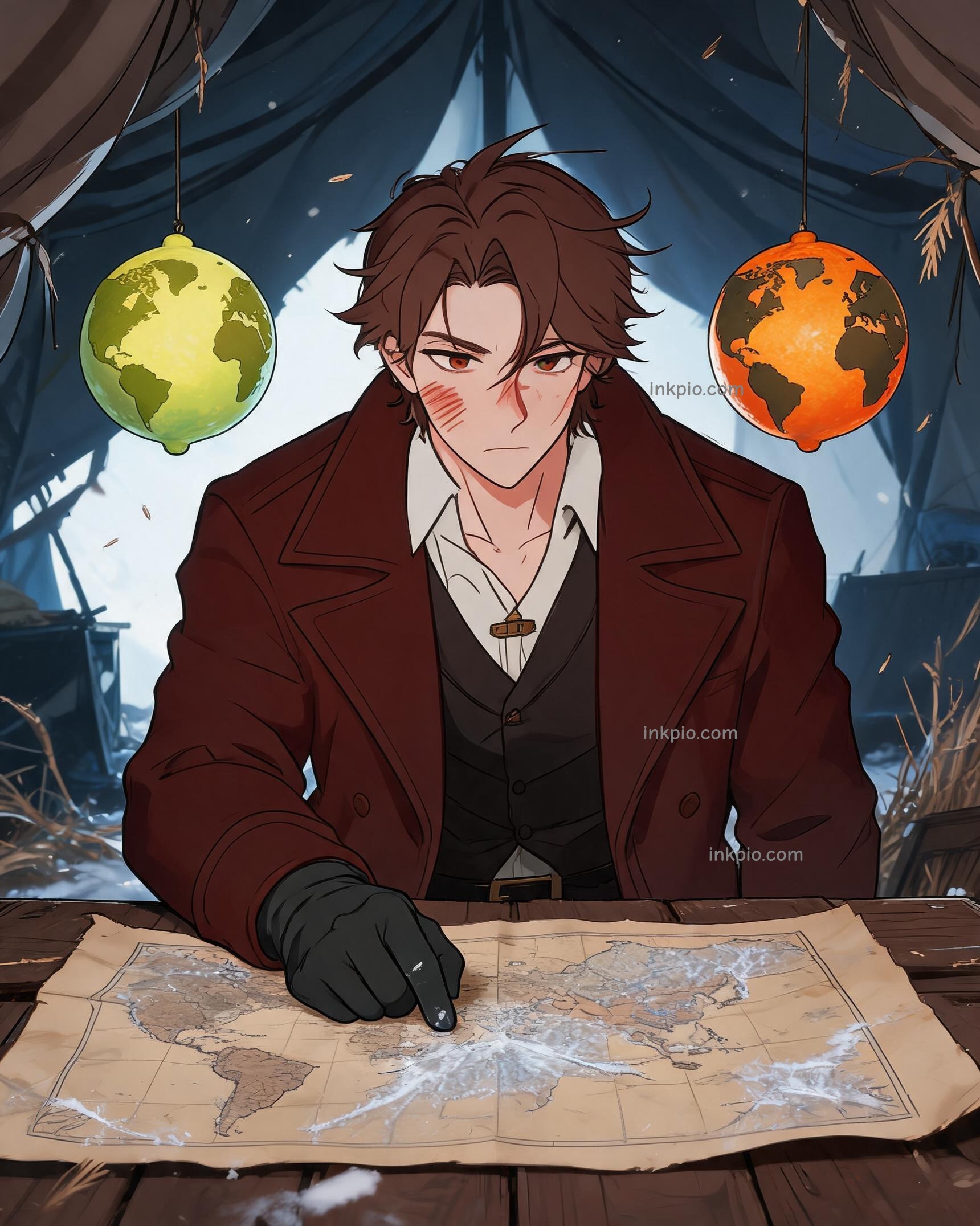


In 1735, the French Academy of Sciences was not merely debating geometry; they were fighting for the soul of physics. The argument centered on a fruit: was Earth a squashed orange or a stretched lemon? Isaac Newton had bet his reputation on the orange, claiming gravity’s pull would bulge the equator. To settle this, Charles Marie de La Condamine packed his brass instruments and left Paris. He carried more than surveying tools; he carried the weight of an entire scientific era. If his numbers matched those from Paris, Newton’s universal gravitation would collapse, and La Condamine would return home a failure.
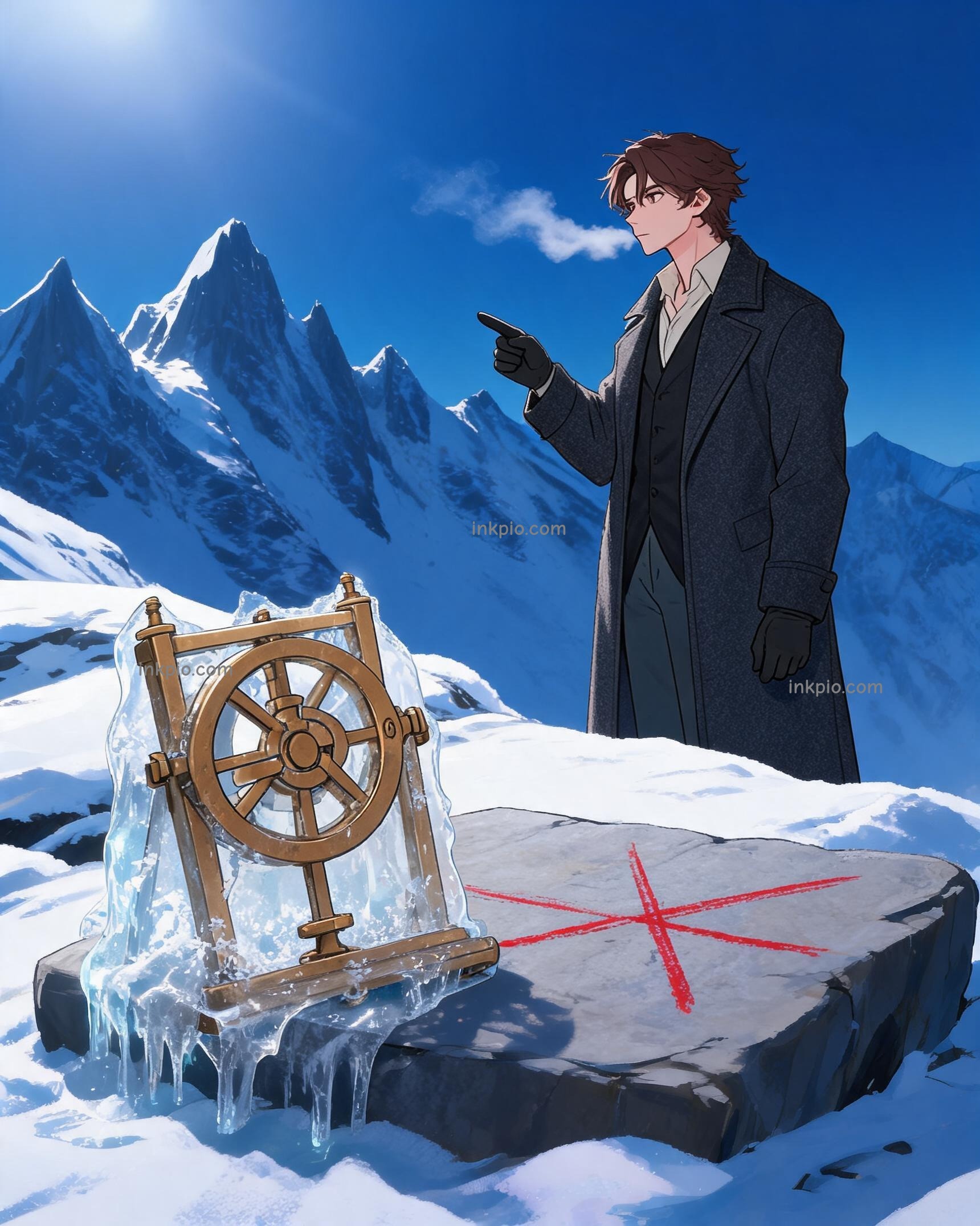
The Andes did not care about academic disputes. The mountains offered no flat ground for the traditional baseline measurement. Deep canyons yawned beneath their feet, and freezing winds sliced through their wool coats. The original plan—to drag heavy chains across flat earth—became a cruel joke. Frostbite blackened their fingers. Mules slipped on icy ledges. One wrong step meant death, not just error. La Condamine watched his men shiver, their breath hanging in the thin air like ghosts. They were stuck on a cliff edge, unable to measure the ground because the ground refused to exist in a straight line.
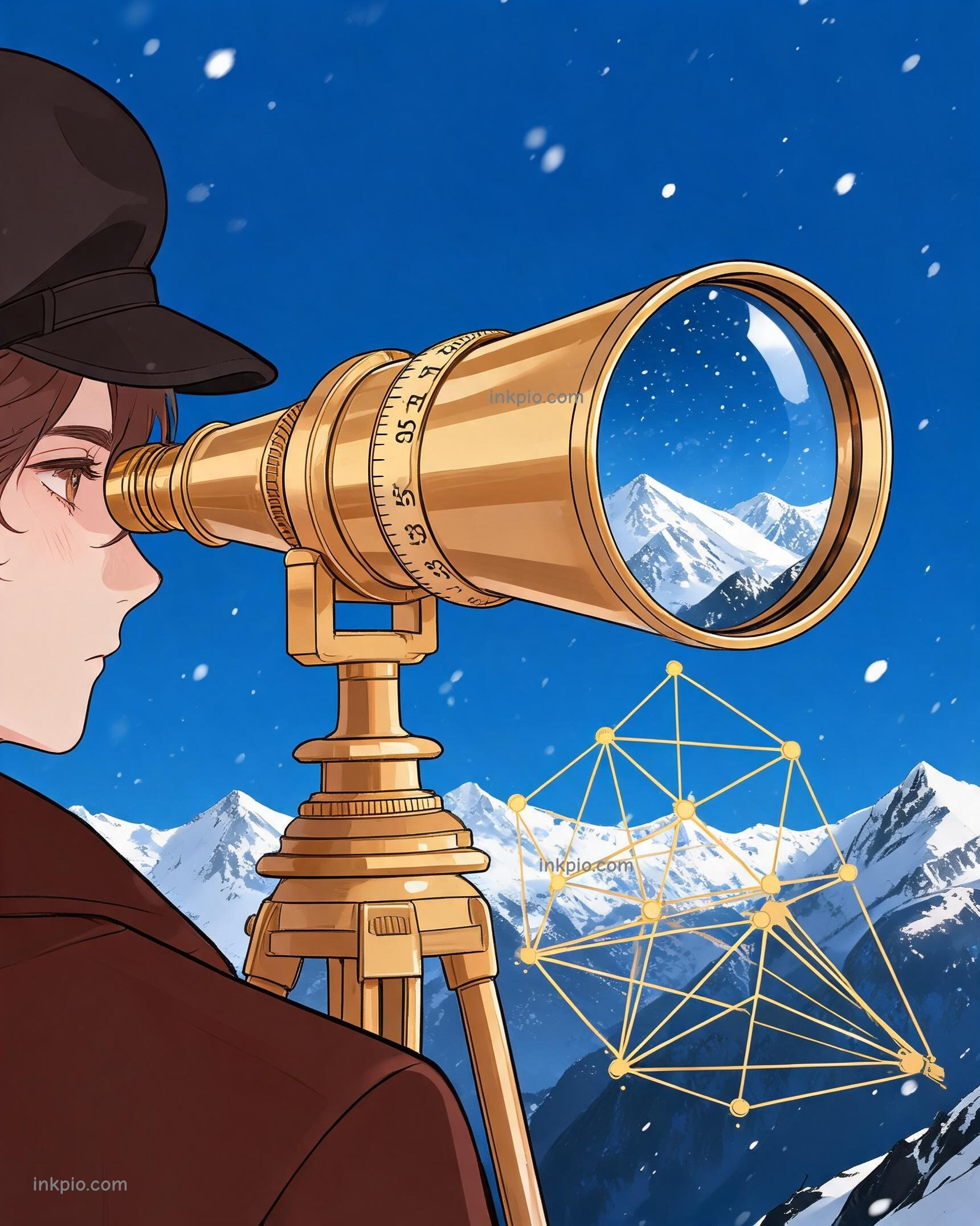
Desperation forced innovation. La Condamine stopped looking down at the impossible terrain and started looking across the void. He pulled out his theodolite, a brass eye that saw only angles. He would not measure distance directly; he would trap it with geometry. He aimed the telescope at a distant snow-capped peak, noting the exact angle from his horizontal line. Then he moved a short, manageable distance and measured the angle again. By chaining these triangles together across the jagged peaks, mathematics did the heavy lifting. Tiny shifts in angle translated into vast distances across deep valleys. It was a gamble: trust the math, or freeze to death trying to lay a chain.
Months passed in a blur of shivering calculations. The cold seeped into their bones, slowing their minds but sharpening their focus. Every number written in the ledger was fought for. Assistants huddled around small fires, rubbing life back into numb hands while La Condamine checked the angles again and again. Doubt was a constant companion. Was the instrument warped by cold? Were their eyes lying? They had no way to verify the result until the final calculation. The silence between measurements was heavier than the mountain air.
Then, the final number emerged. The length of one degree at the equator was noticeably shorter than the same degree measured in Paris. The Earth did bulge. Newton was right. The Cartesian lemon model was dead. La Condamine closed his ledger. His frozen fingers, stiff and painful, finally began to warm as the adrenaline faded. He looked out at the peaks that had tried to break them. The mountains had kept their physical secrets, hiding the ground beneath clouds and ice. But the angles had given them all away. Truth had been extracted not from the earth, but from the space between the peaks.