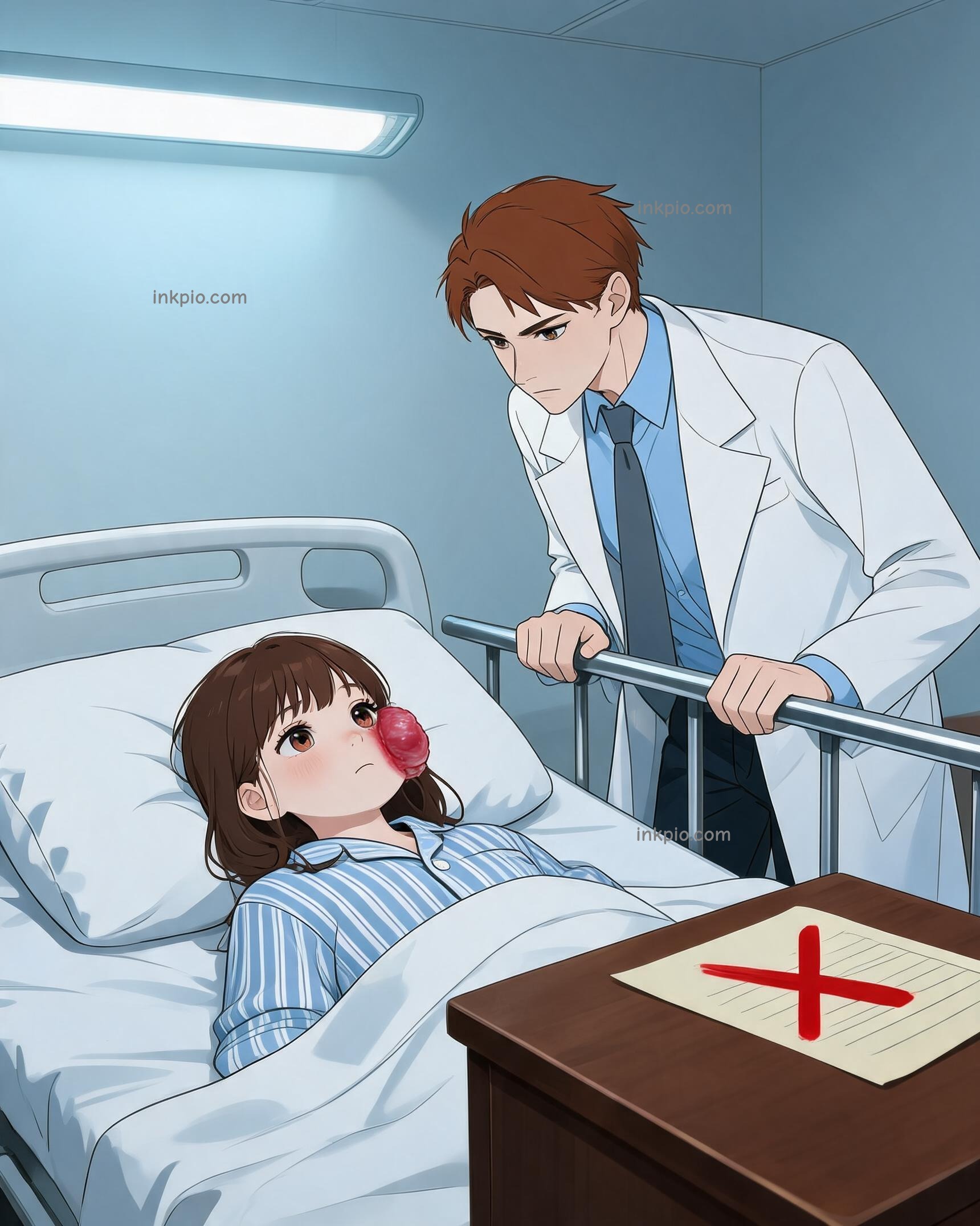

The silence in the Hilleman house was heavier than the fever burning through five-year-old Jeryl Lynn. It was March 1963, and the swollen glands on her jaw distorted her face into a mask of pain. Maurice Hilleman sat by her bedside, not as a father comforting a child, but as a scientist witnessing a failure. He knew the limits of his trade. Antibiotics could crush bacteria, but against this virus, medicine had no weapons. The helplessness gnawed at him. He watched her struggle to swallow, each grimace a reminder that he was powerless to stop the immediate suffering.
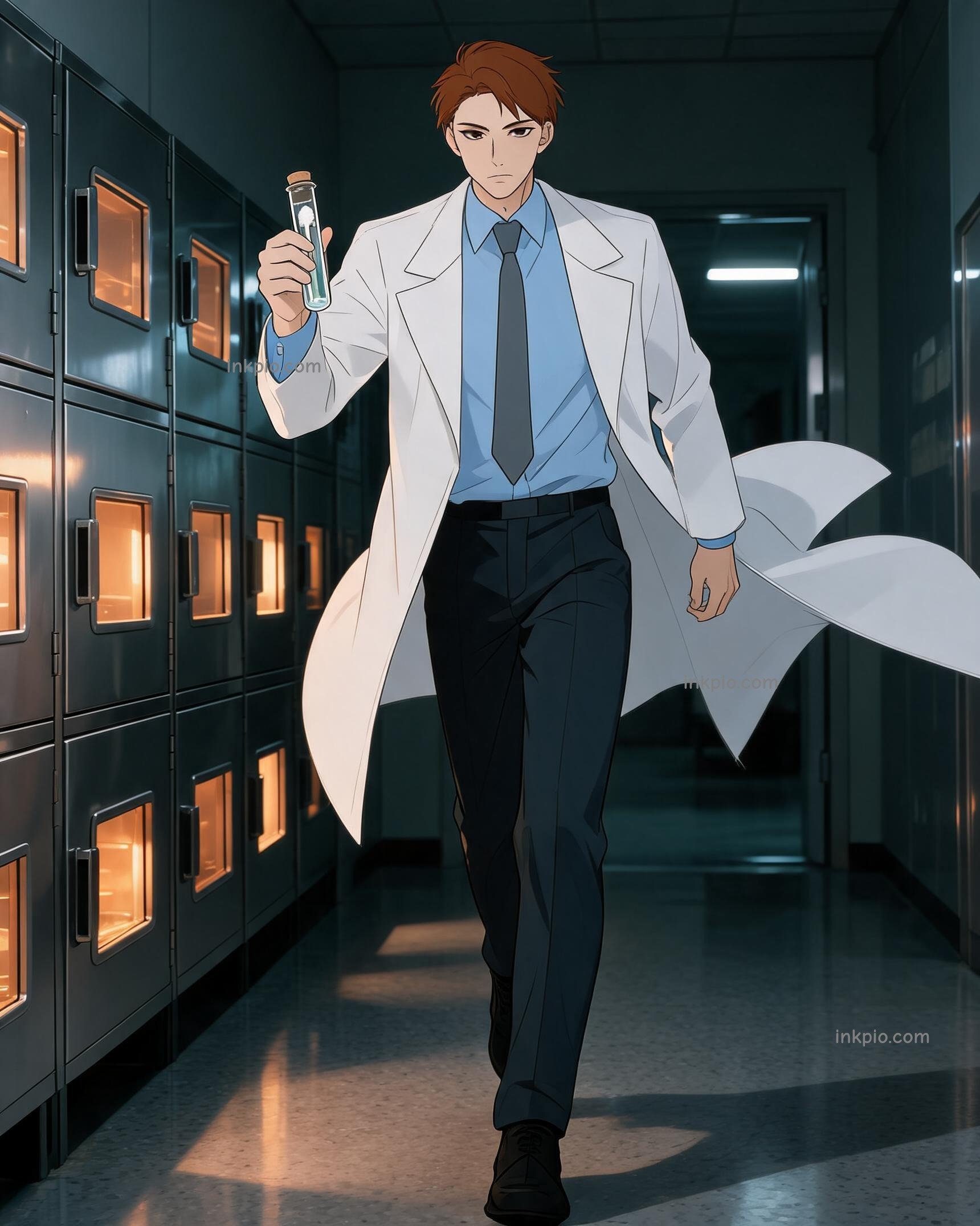
But Hilleman’s mind raced beyond the bedroom. He saw the thousands of other children who would face this same agony. The fear wasn't just for Jeryl Lynn; it was for the next outbreak, and the one after that. He needed more than a cure. He needed a shield. Standing up, he made a decision that blurred the line between paternal instinct and scientific obsession. He grabbed a sterile swab. With gentle precision, he collected a sample from his daughter’s throat. He didn't hesitate. He rushed the sample to his laboratory, carrying the very thing that was hurting his child, hoping to turn it into the thing that would save others.
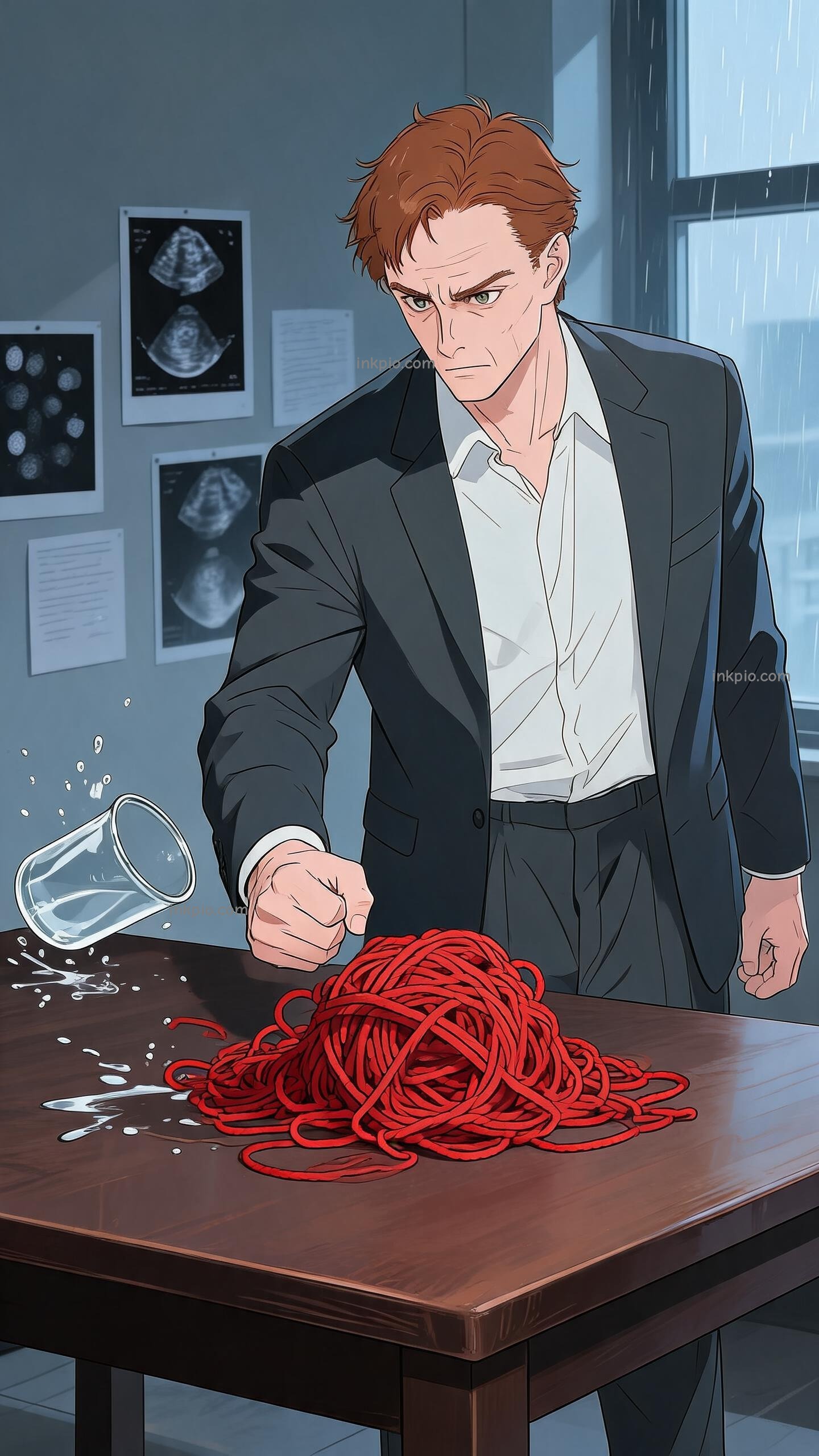
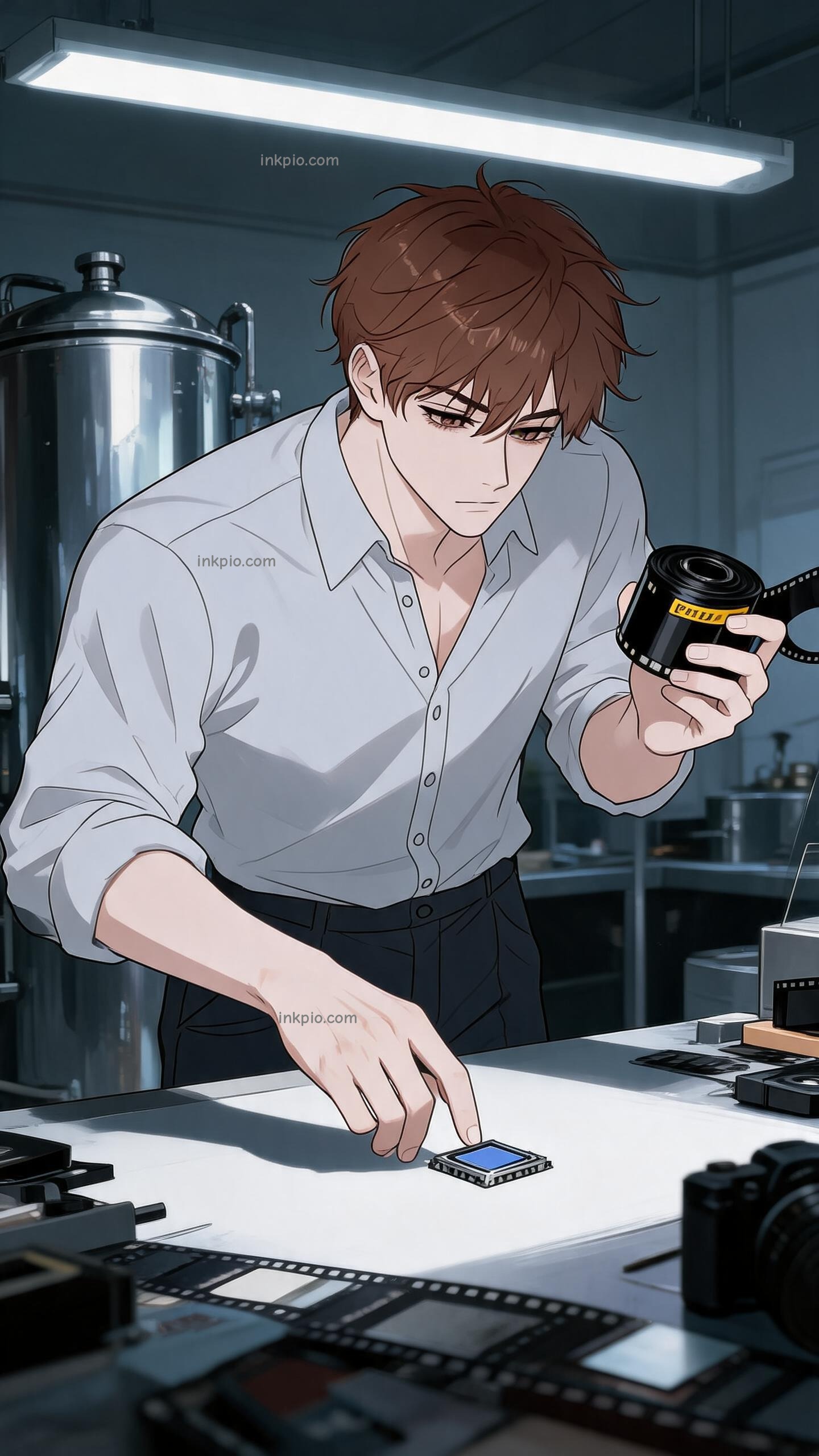
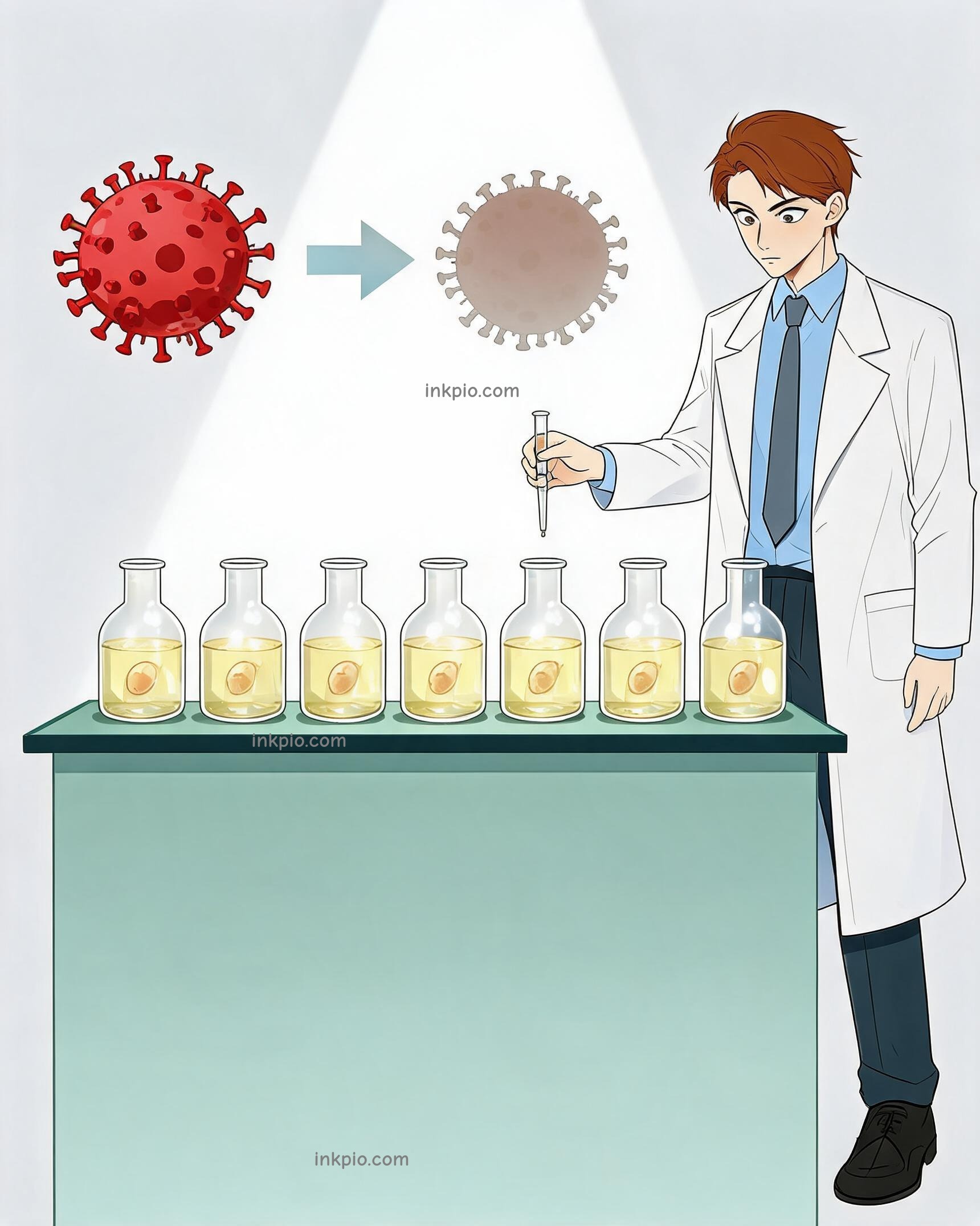
The lab became his sanctuary and his battlefield. Hilleman injected the raw virus into fertilized chicken eggs, creating a controlled environment for it to multiply. This was not a quick fix. It was a grueling marathon of patience. Once the virus grew, he extracted a tiny drop and transferred it to a fresh egg. He repeated this cycle thirty-nine times. Each transfer forced the virus to adapt to a new host, a new environment. Think of it like forcing a heavyweight boxer to train on a slippery ice rink every single week. The virus had to constantly adjust just to survive.
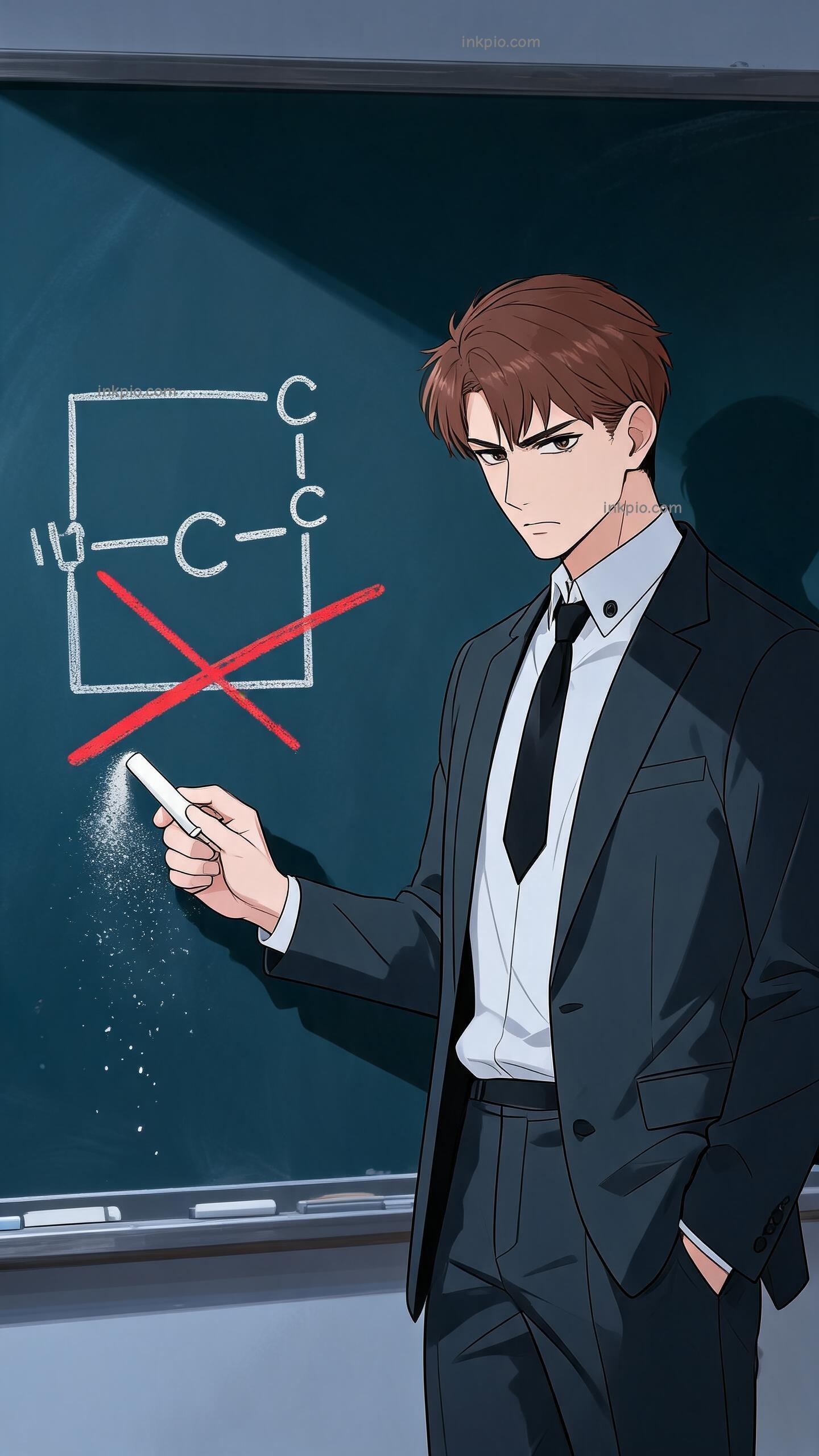
Gradually, the pathogen changed. It dropped its heavy, disease-causing spikes because they only dragged it down in the new setting. It became lighter, weaker, but still recognizable. By the final passage, the virus had lost its ability to make kids sick. Yet, it kept its outer shell perfectly intact. This stripped-down version was no longer a threat. It was an ideal practice dummy for the human body. Hilleman held the vial, knowing he had captured something fragile yet powerful. The terror of the bedroom had been transformed into a tool of protection.
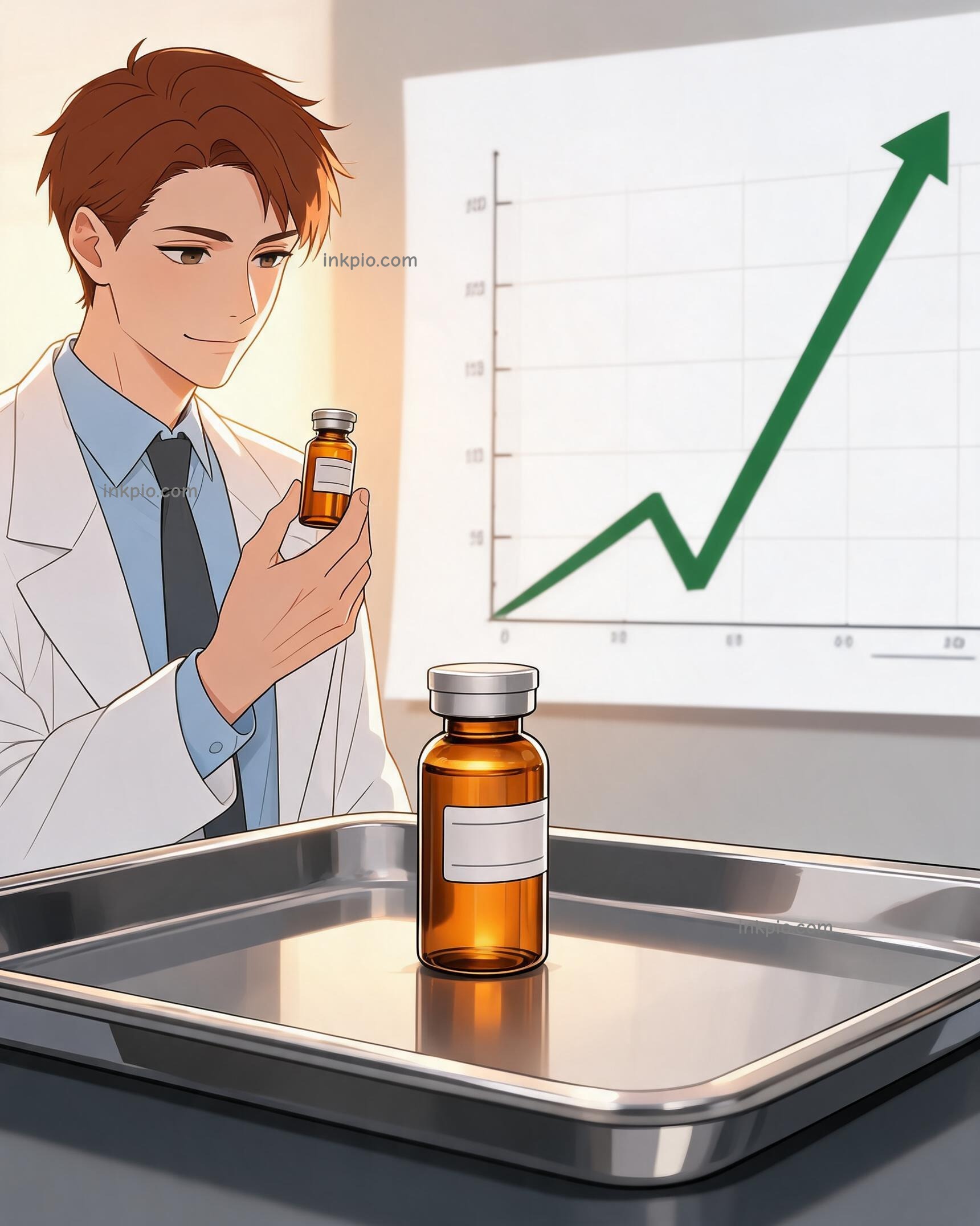
When injected, the weakened virus drifted into the bloodstream. It flashed its familiar markers and faded out. The immune system took one good look, memorized the blueprint, and assembled a permanent defense squad. Hilleman christened the new batch the Jeryl Lynn strain. It passed every safety trial without a single complication. The name was a tribute, a permanent link between the father’s love and the scientist’s rigor. It was no longer just a virus. It was a promise kept.
The formula moved from his lab bench to pediatric clinics worldwide. Routine shots replaced the dread of swollen jaws and restless nights. Families watched their children play outside without bracing for sudden fevers. The anxiety that had gripped Hilleman’s home began to loosen its hold on society. Parents no longer had to watch their children suffer with the same helpless feeling Maurice had felt that March night. The vaccine did its work quietly, efficiently, erasing a common source of childhood pain.
Hilleman simply cleaned his glassware. He shifted his focus to the next unknown pathogen, driven by the same relentless urge to protect. He didn't seek fame for the Jeryl Lynn strain. He sought results. Meanwhile, the small brown vial carrying his daughter's name kept doing its quiet work. It traveled across oceans and borders, entering the arms of children who would never know the name Jeryl Lynn, but who would owe their health to her illness. In the end, the virus that once brought a family to its knees became the reason millions of families could stand tall. The swab had saved them, but it was the father’s refusal to accept helplessness that truly changed the world.