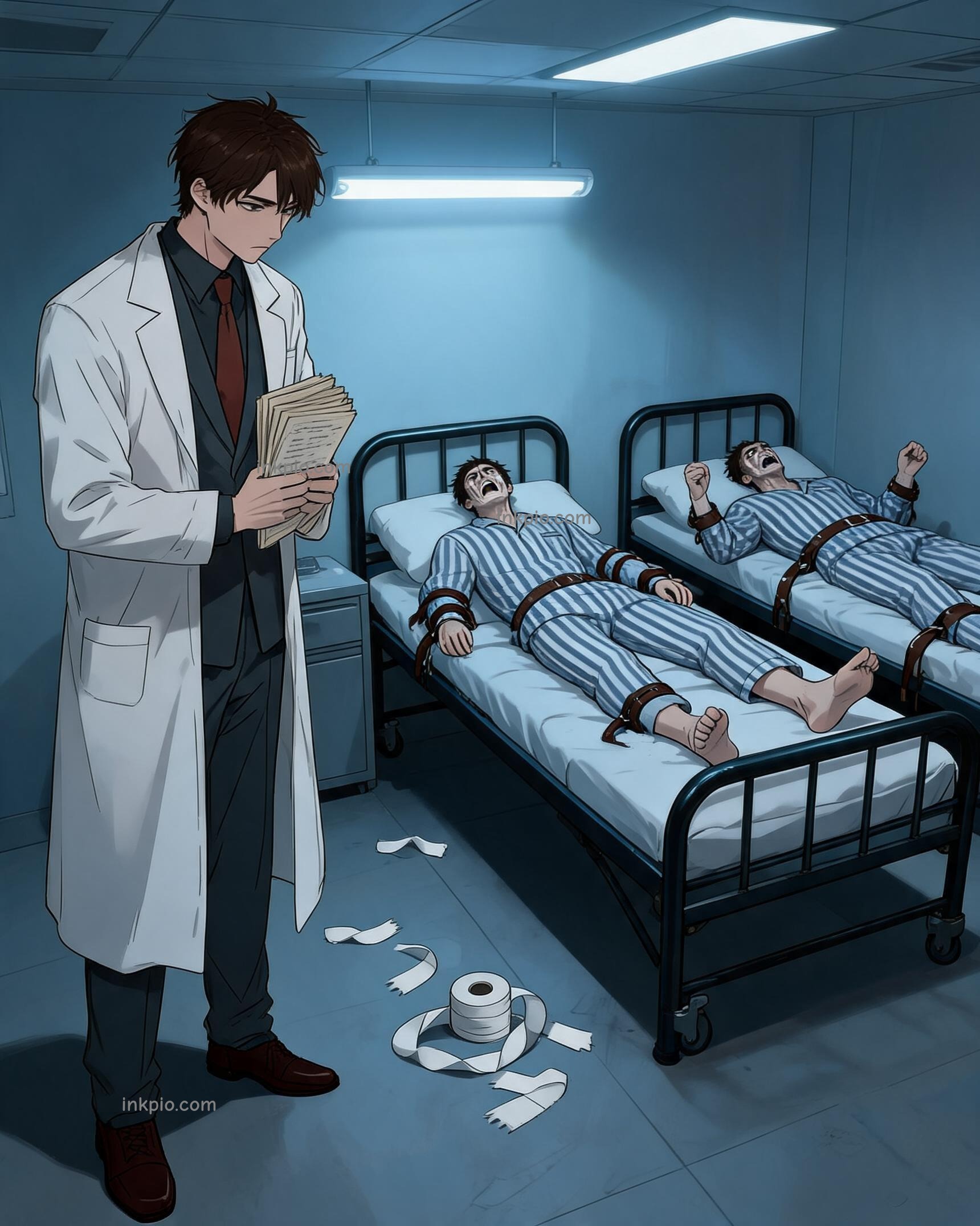


The air in the 1948 ward tasted of stale sweat and fear. It was not just a hospital; it was a holding pen for human storms. Nurses moved with the weary caution of bomb disposal experts, knowing that a sudden shout could trigger a violent eruption. John Cade watched a young man thrash against leather straps, his eyes wide with a terror that no restraint could touch. The heavy belts did not calm the patient; they only contained the explosion. Cade felt a quiet desperation. He was a prisoner of war himself, haunted by the silence of the camps, and he refused to accept that madness was simply a character flaw. He believed there was a chemical key, a physical cause hidden in the blood, waiting to be found.
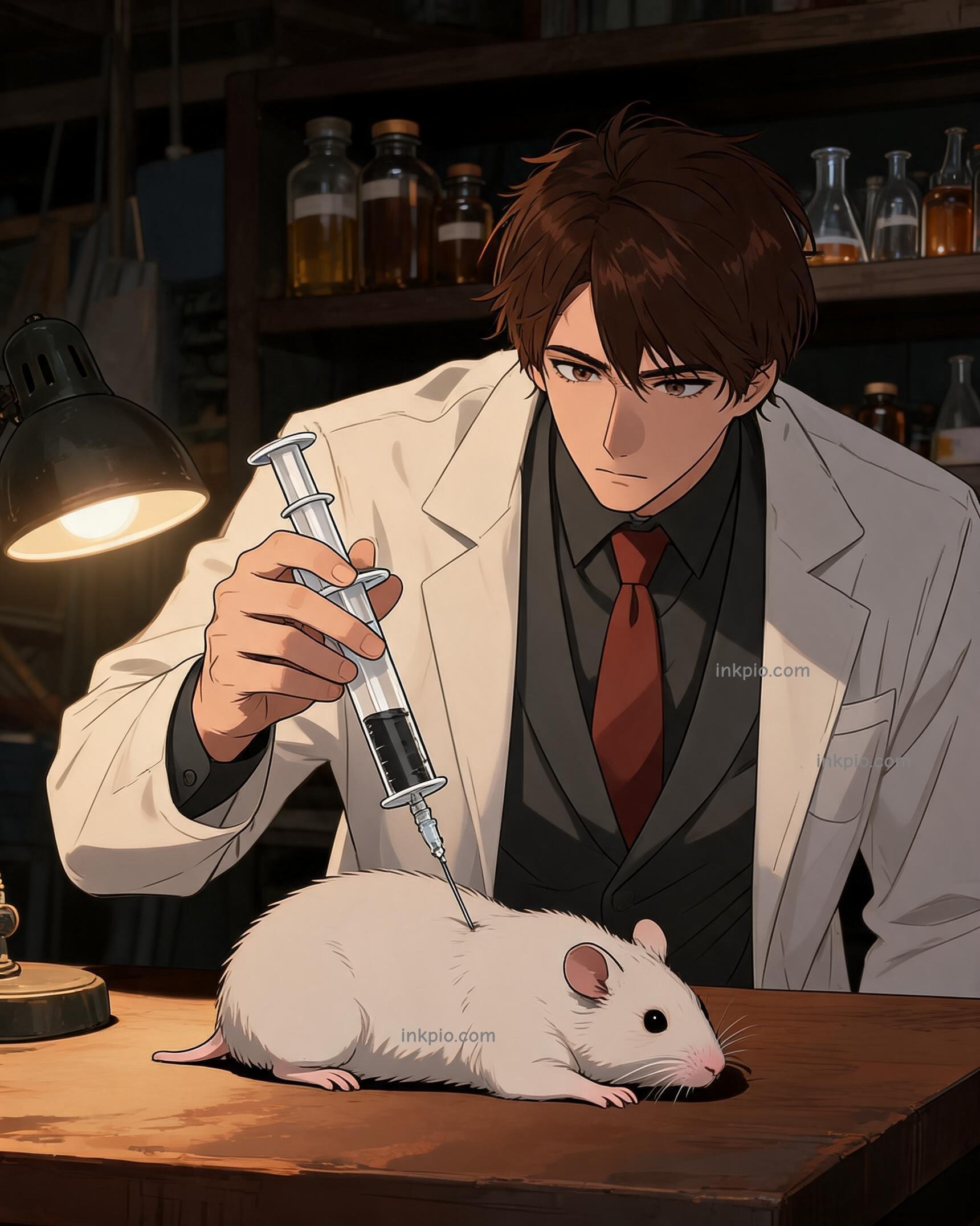
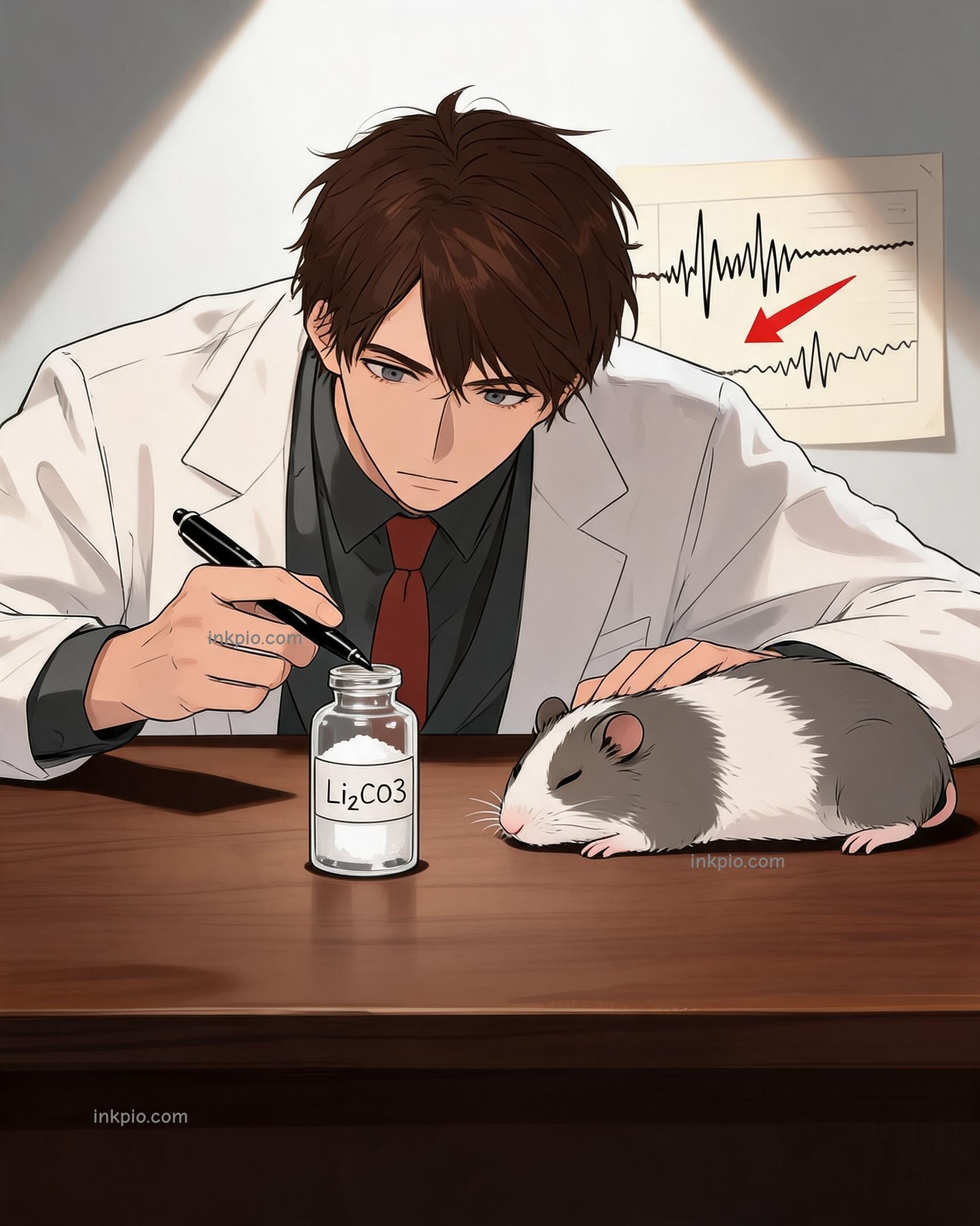
He retreated to a cramped garage at Bundoora Repatriation Hospital. The space smelled of damp concrete and old chemicals. Here, away from the judging eyes of his colleagues, Cade built a laboratory out of scavenged glassware. His theory was simple but risky: if mania was a toxicity, he could recreate it in animals. He injected guinea pigs with uric acid salts, expecting them to mimic the agitation he saw in the ward. But the powder clumped, refusing to dissolve in water. Frustrated, he added lithium carbonate. It was a practical choice, not a scientific breakthrough—he just needed the mixture to flow into the syringe. He expected the lithium to make the poison deadlier.
The result was silent. The guinea pigs, usually skittish and frantic, stopped pacing. They did not sleep; they simply became still. Their nervous systems, previously firing chaotic signals, had found a steady rhythm. Cade stared at the cages. The lithium ion was not a poison. It was a brake pedal for a runaway car. A profound sense of responsibility settled over him. If this worked on animals, it might work on humans. But if he was wrong, it would kill them. He could not ask a nurse to test it. He could not ask a patient who could not consent. He had to be the first subject.
Cade measured a dose and swallowed it. The morning stretched out, slow and tense. He waited for nausea, for dizziness, for the end. Nothing happened. His hand remained steady as he wrote in his notebook. The safety verified, he brought the bottles to the ward. He chose the most exhausted patients, those who had fought their own minds until they collapsed. He administered the solution with hands that did not shake.
The change was not dramatic like a movie scene. It was a gradual quieting. Over days, the chemical storm inside them broke apart. A woman who had screamed for weeks began to sit upright. Her hands, once clawing at the air, now held a teacup with gentle precision. She looked at Cade, not with fear, but with recognition. The fog had lifted. For the first time in years, she was present in her own life. Cade documented the drop in mania scores, but the numbers felt secondary to the sight of a human being resting.
In September 1949, he published his findings in the Medical Journal of Australia. The paper was dry, titled Lithium salts in the treatment of psychotic excitement. It described the specific sedative effect of the lithium ion on the nervous system. But the true story was not in the data. It was in the empty cages in the garage and the full teacups in the ward. The compound had done more than stabilize chemistry. It had returned dignity to those who had lost it. Cade closed his notebook. The storm had passed, leaving behind a silence that felt less like emptiness, and more like peace.