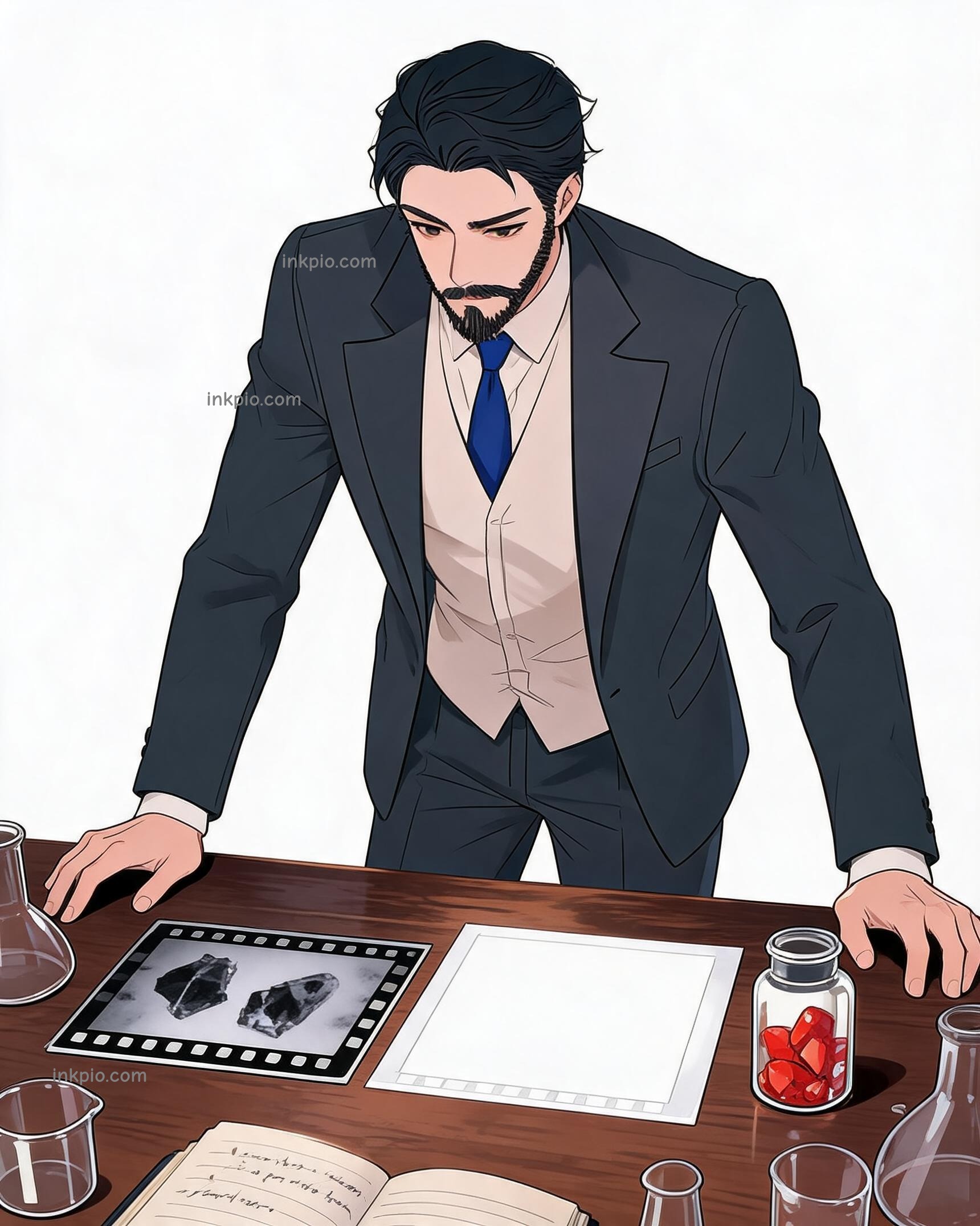

Paris in February 1896 felt less like a city of light and more like a cage of gray dampness. For Henri Becquerel, the relentless rain was not just weather; it was an obstruction to order. He believed in a world where cause led cleanly to effect, where energy could be tracked like currency in a ledger. If you put light in, you got glow out. It was a comforting equation, one that kept the chaos of nature at bay.
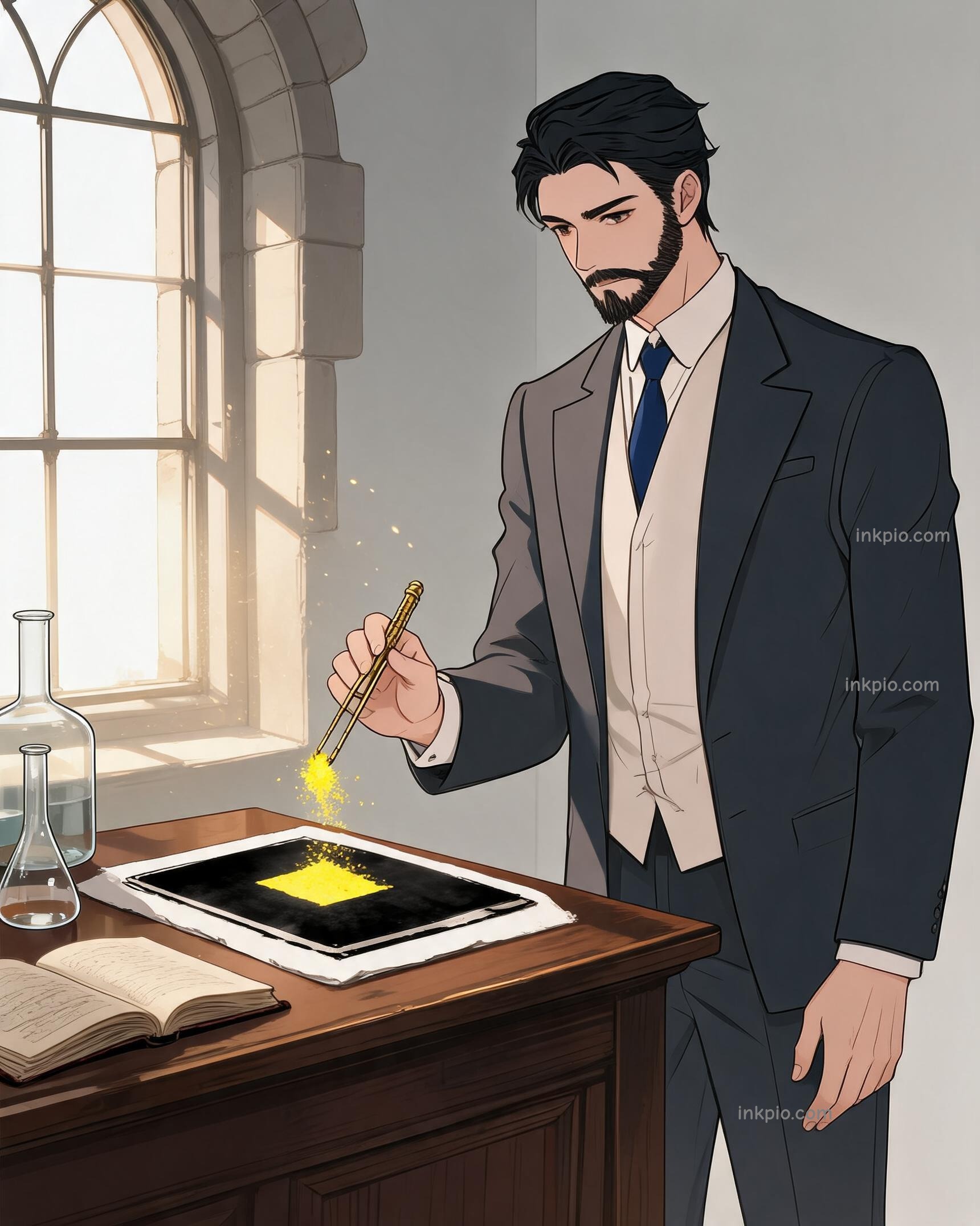
His laboratory bench held the tools of this certainty: uranium potassium sulfate crystals, heavy and dull, resting atop a photographic plate wrapped in thick black paper. The setup was simple, almost mundane. He intended to prove that these salts, like phosphorescent materials before them, needed to drink sunlight to store energy. Without that solar charge, the crystals should remain inert, dead weight on a dead piece of glass. He placed the stack near the tall window, waiting for the clouds to break.
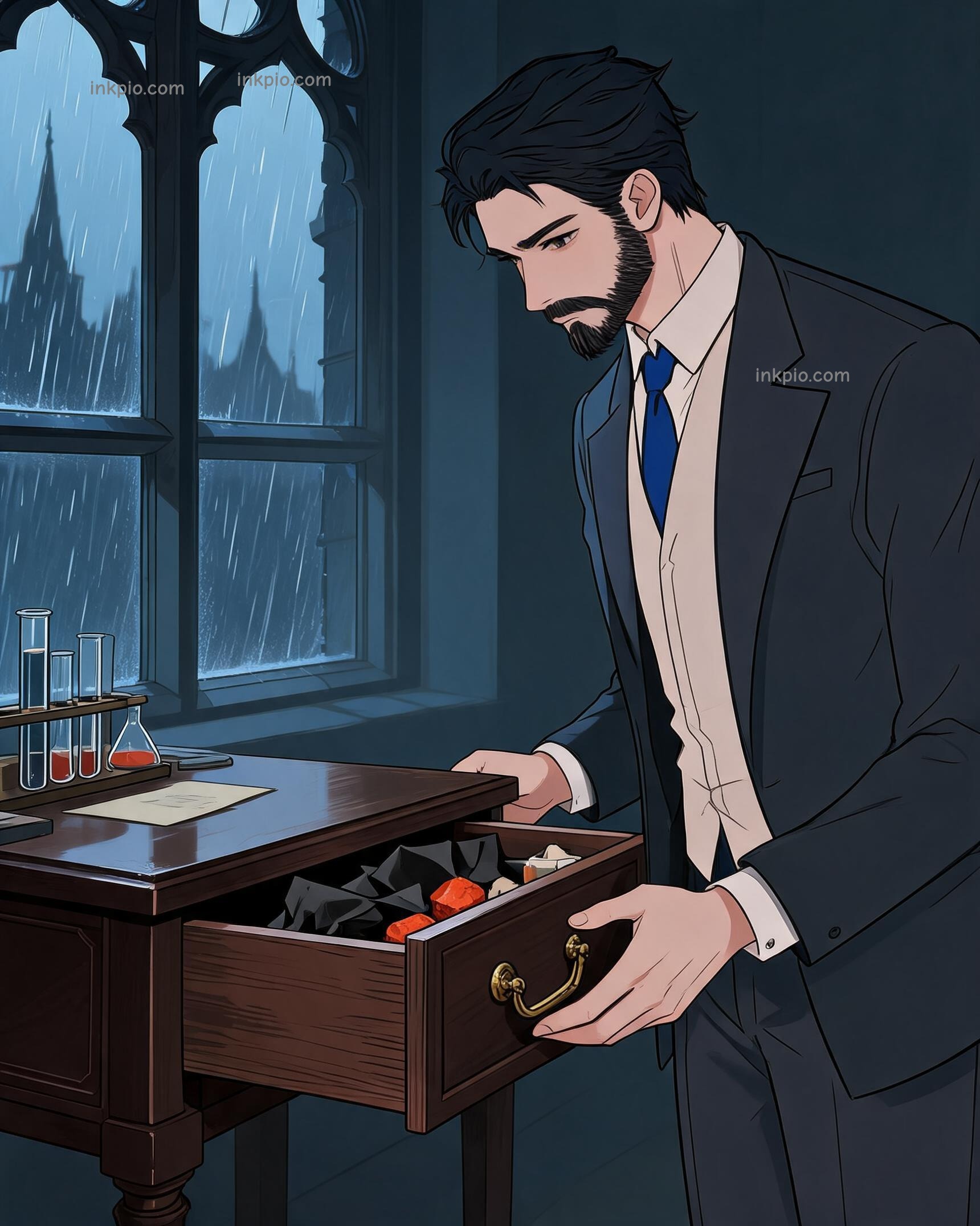
Days passed. The sky remained a bruised purple, refusing to yield a single beam. Henri’s frustration grew quiet and sharp. He was a man who valued precision, and this delay felt like a personal slight. He could have waited longer, but the urge to close the loop, to finish the task, outweighed his scientific caution. He took the untouched bundle from the windowsill. With a sigh that mixed irritation with resignation, he shoved it into the dark, cluttered depths of his desk drawer. He locked it away, forgetting it, or trying to.
The rain continued its monotonous drumming against the glass. Henri moved through his days, distracted by other duties, yet the unfinished experiment nagged at him. It was a loose thread in the fabric of his week. Finally, his patience snapped. He didn't care about the lack of sun anymore; he just wanted to see the blank plate, to confirm the failure, and to move on. He retrieved the package from the drawer. The black paper was still intact, sealing the crystals in total darkness.
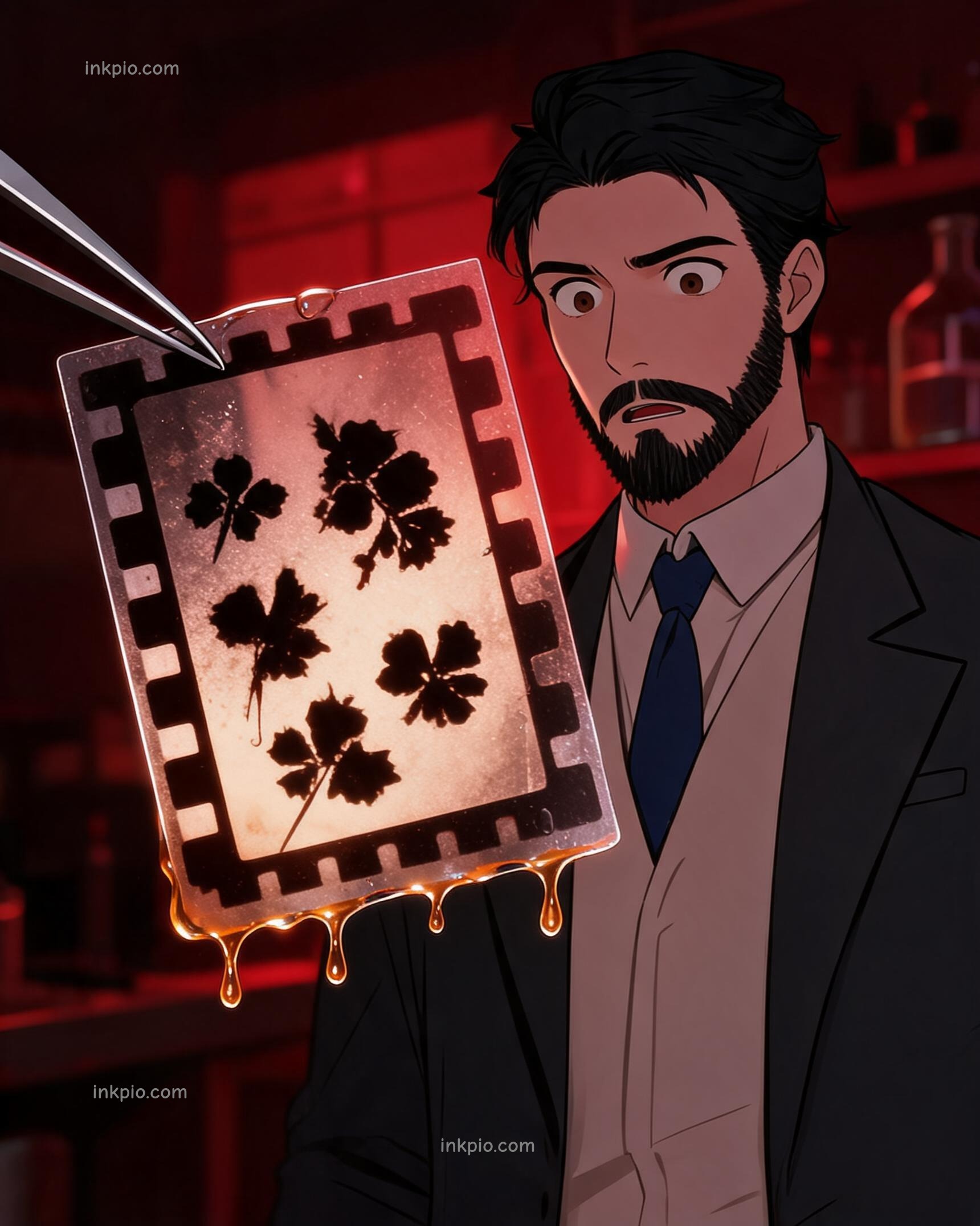
In the red gloom of the darkroom, the air smelled of acetic acid and wet dust. Henri slipped the plate into the chemical bath. He watched the liquid ripple, expecting nothing. His mind had already written the result: a clear, empty sheet. He leaned in, eyes tired, ready to discard the evidence of his wasted time.
Then, the image emerged. Not a faint smudge, not a ghostly hint, but a sharp, dark silhouette of the uranium crystals. They burned through the black paper as if it were tissue. Henri froze. His breath caught in his throat. This was impossible. The drawer had been dark. The sun had not touched them. Yet here was the proof, stark and undeniable, developing before his eyes.
He stared at the glass, his reflection superimposed over the dark grains. The old rulebook said light required a source. But these crystals were generating their own power, pulling energy from within their very mass. They did not need the sun. They did not need permission. They simply were. A cold shiver ran down his spine, not from fear, but from the sudden vertigo of a shifted reality. The universe was not a closed system of input and output. It was leaking energy from places he had never thought to look.
Henri dipped his pen into the inkwell. His hand trembled slightly, not from age, but from the weight of what he had to write. He noted that the substance emitted penetrating rays without any external trigger, acting entirely on its own. The words felt inadequate, small containers for such a vast disruption. He looked back at the plate, now dry and fixed. The crystals sat there, innocent and ordinary, yet they had just shattered the boundary between matter and energy. He turned off the gas lamp, leaving the room in silence, knowing that nothing would ever be quite as solid again.