



The debris didn't just wash up; it accused. Pieces of the USS Jeannette, shattered in the Bering Sea years prior, began appearing on Greenland’s coast. For Fridtjof Nansen, this was not a curiosity. It was a ghost story written in splintered wood. He traced the line on his map with a trembling finger, from Siberia to Denmark. The Arctic Ocean was not a frozen grave. It was a river, moving beneath the ice, dragging everything eastward.
Traditional naval architecture offered no defense against such a force. Flat-bottomed ships were anvils waiting for the hammer of pack ice. To build another rigid vessel was to build a coffin. Nansen felt the weight of every sailor lost to that illusion of control. He refused to send men to die for the sake of tradition. He needed a ship that could survive surrender.
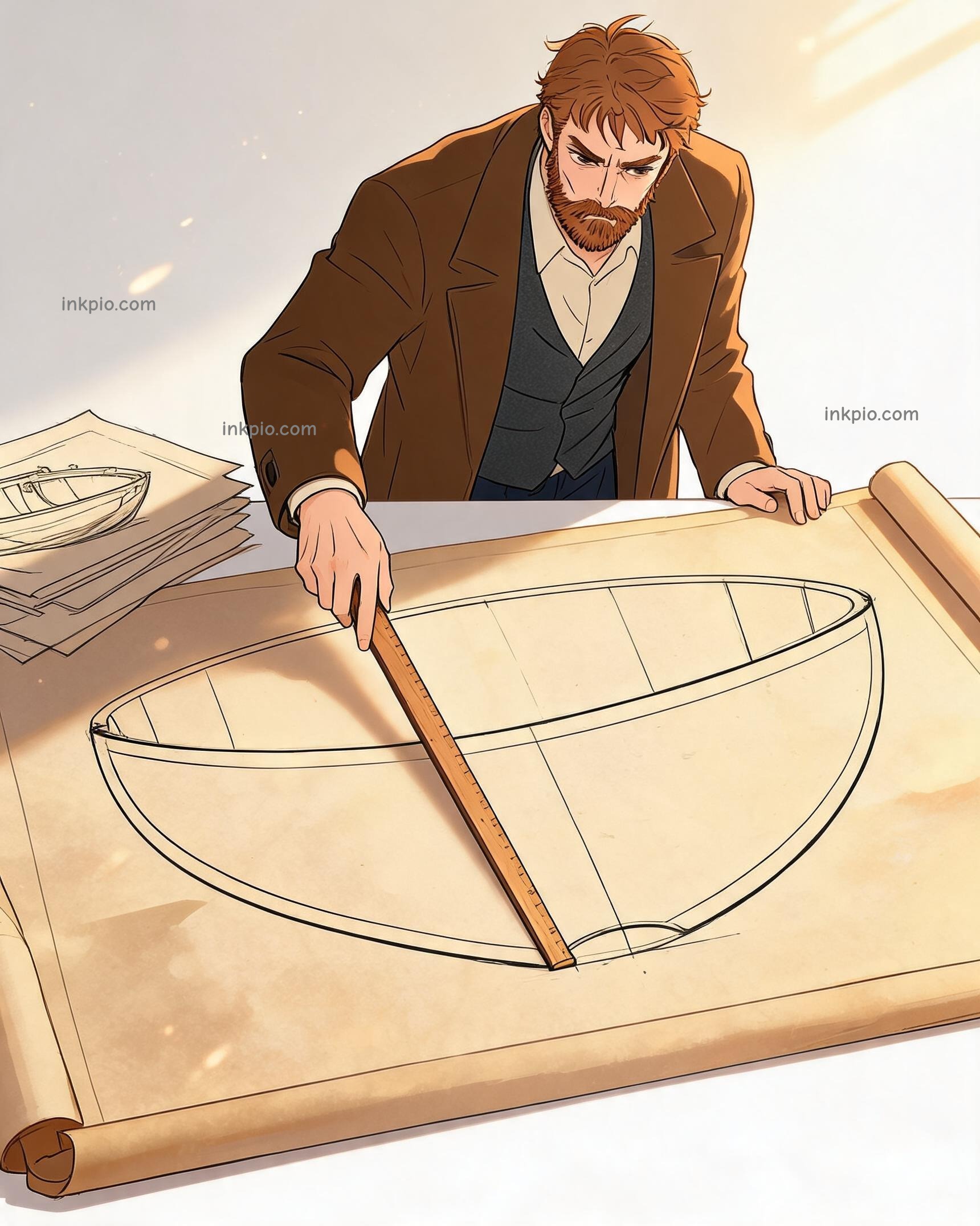
He walked into Colin Archer’s workshop, the smell of sawdust and tar thick in the air. Nansen placed the blueprints on the workbench. "No keel," he said. "Make it round. Like a bowl." Archer looked at him, confused. A ship without a keel? It would capsize in any wind. But Nansen insisted. He wasn't designing a boat to cut through water. He was designing a stone to slide up a slope.
The logic was counterintuitive, almost violent in its simplicity. When the ice pressed against the curved hull, the sideways force would have nowhere to go but up. The ship would not resist; it would rise. It would be squeezed out of the water, lifting onto the ice like a saucer popping from a grip. The heavy center of gravity would keep it from tipping. It was a design based on yielding, not fighting.
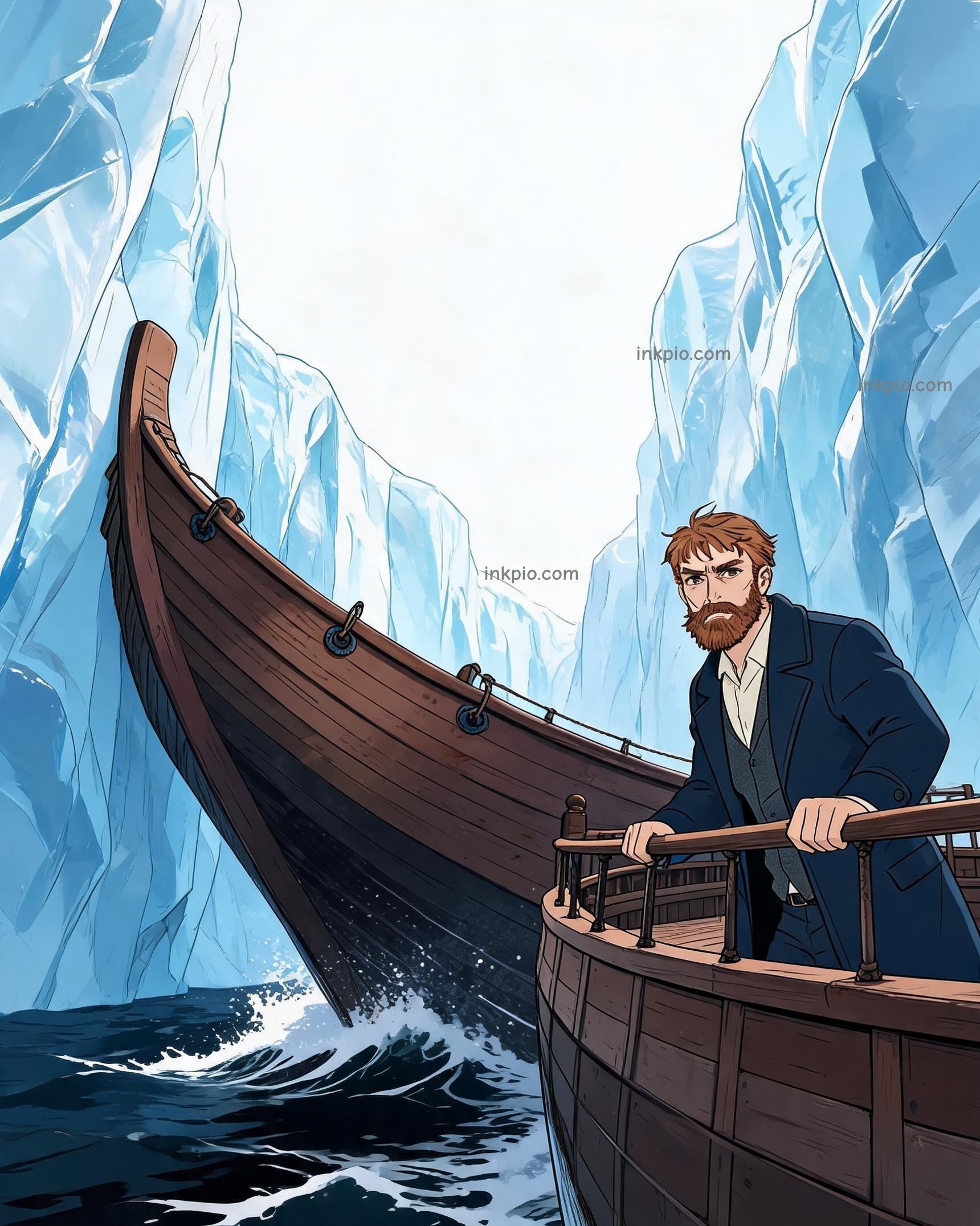
In September 1893, the Fram drifted into the pack ice near the New Siberian Islands. The crew watched the horizon disappear behind walls of white. Winter descended with a silence that felt heavy. Then, the pressure began. It started as a low groan in the timber, a sound like a dying animal. The ice tightened its grip, grinding against the rounded sides.
Nansen stood on deck, his breath forming clouds in the freezing air. He listened. Every creak was a test of his faith. If the math was wrong, the hull would splinter. If Archer’s curves were off by an inch, they would be crushed. The ship shuddered. The deck beams screamed under the strain. Then, a sudden lurch. The Fram lifted. The waterline dropped away. They were no longer floating; they were riding.
For three years, the ice carried them. The world outside became a monochrome blur of snow and shadow. Time lost its meaning, measured only by the slow drift across the basin. Nansen walked the decks, checking the hull daily. It held. The very force meant to destroy them had become their engine. The crushing trap had turned into a conveyor belt, guided by the hidden current he had seen in his mind’s eye.
By August 1896, the ice began to loosen. The Fram emerged near Svalbard, battered but unbroken. Not a plank had snapped. Nansen stepped onto the rocky shore, his legs stiff from months of stillness. He looked back at the ship. It sat high on the water, scarred but whole. He had crossed the frozen desert not by conquering it, but by letting it carry him. The ocean had kept its secret, but the wood had survived the truth.