
For two thousand years, lightning and magnets lived in completely separate worlds. Physicists kept their textbooks neatly divided between the crackle of sparks and the steady pull of lodestones. Then a single spark rewired everything.
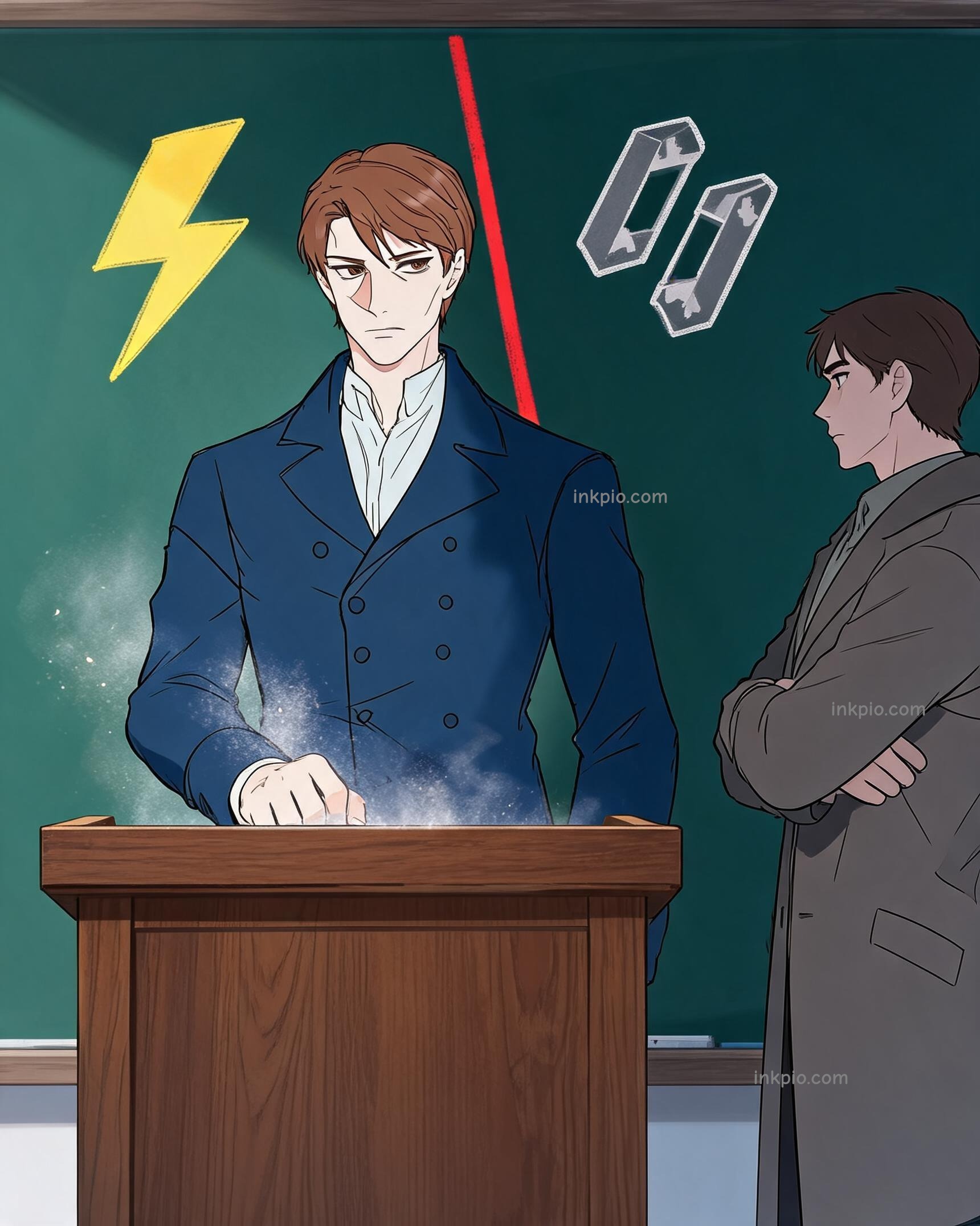
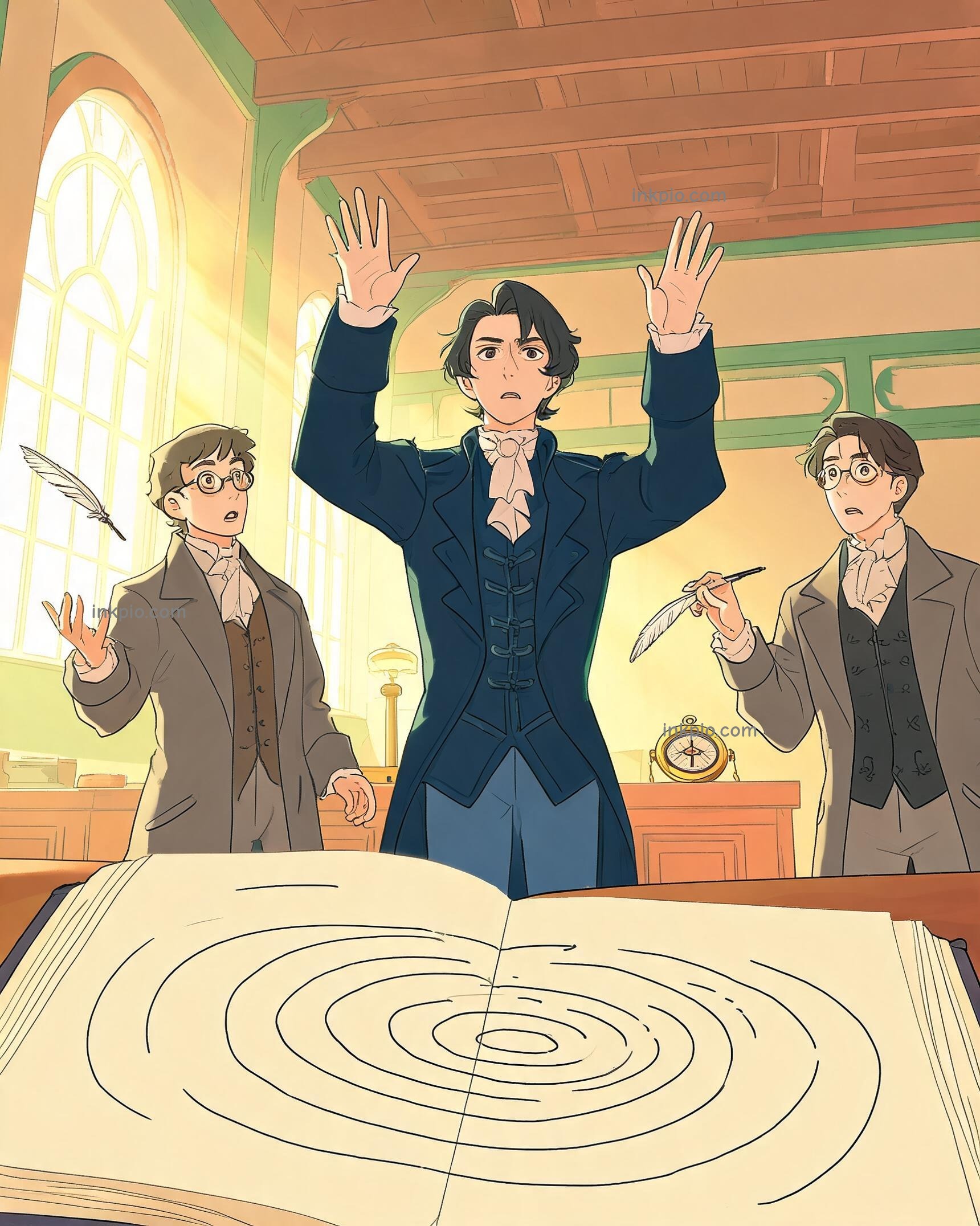
On April 21, 1820, Hans Christian Ørsted stood at the front of a crowded lecture hall at the University of Copenhagen. A thick red chalk line divided his blackboard, with a lightning bolt on one side and a heavy stone magnet on the other. Students leaned forward while older scholars crossed their arms, expecting a dry summary of known facts. Ørsted wanted to cross out that red line. He had spent years chasing a hunch that the invisible pull of magnets and the flow of electricity belonged to the same family. Walking that tightrope in front of a skeptical crowd meant risking his reputation on a guess.
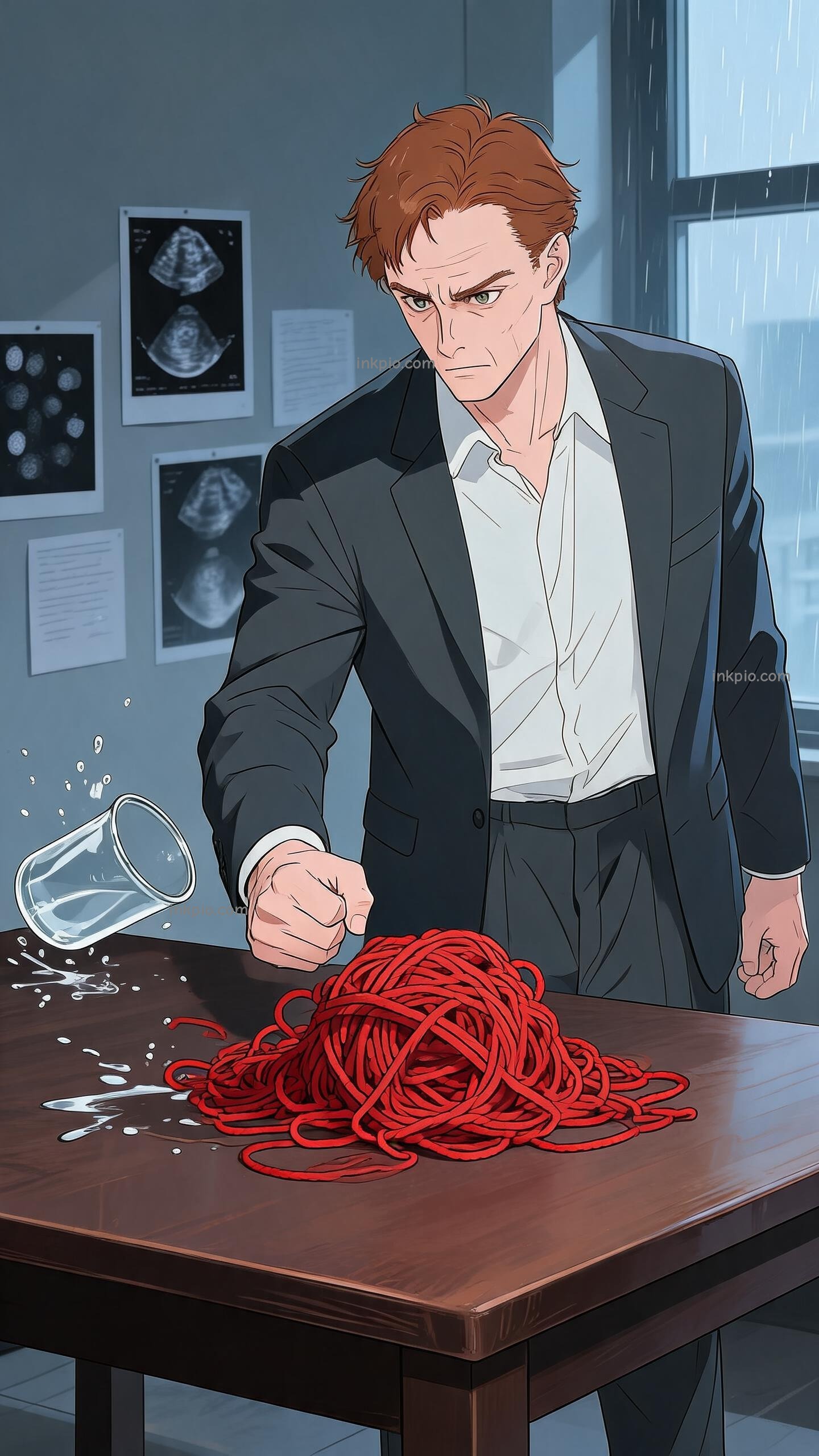
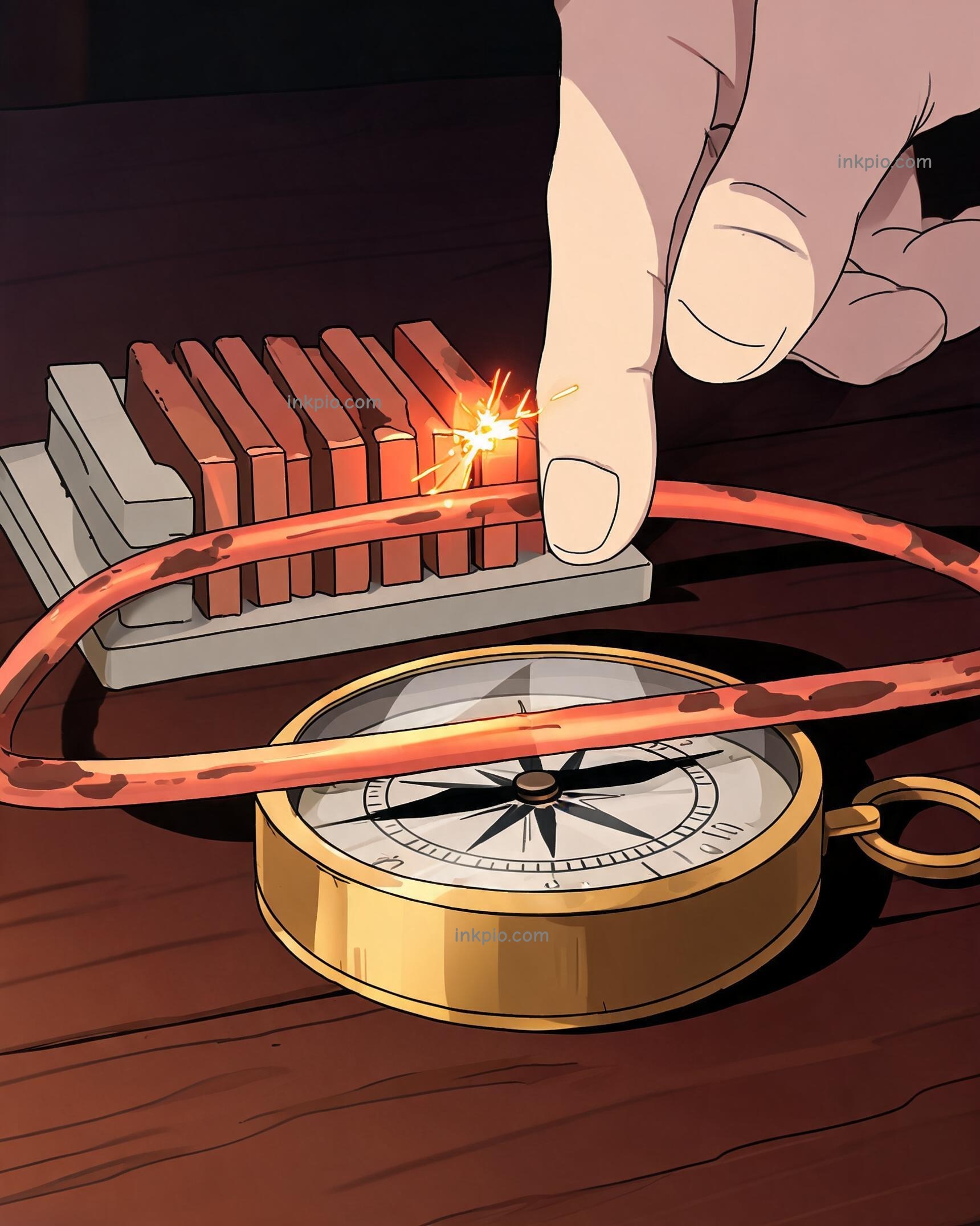
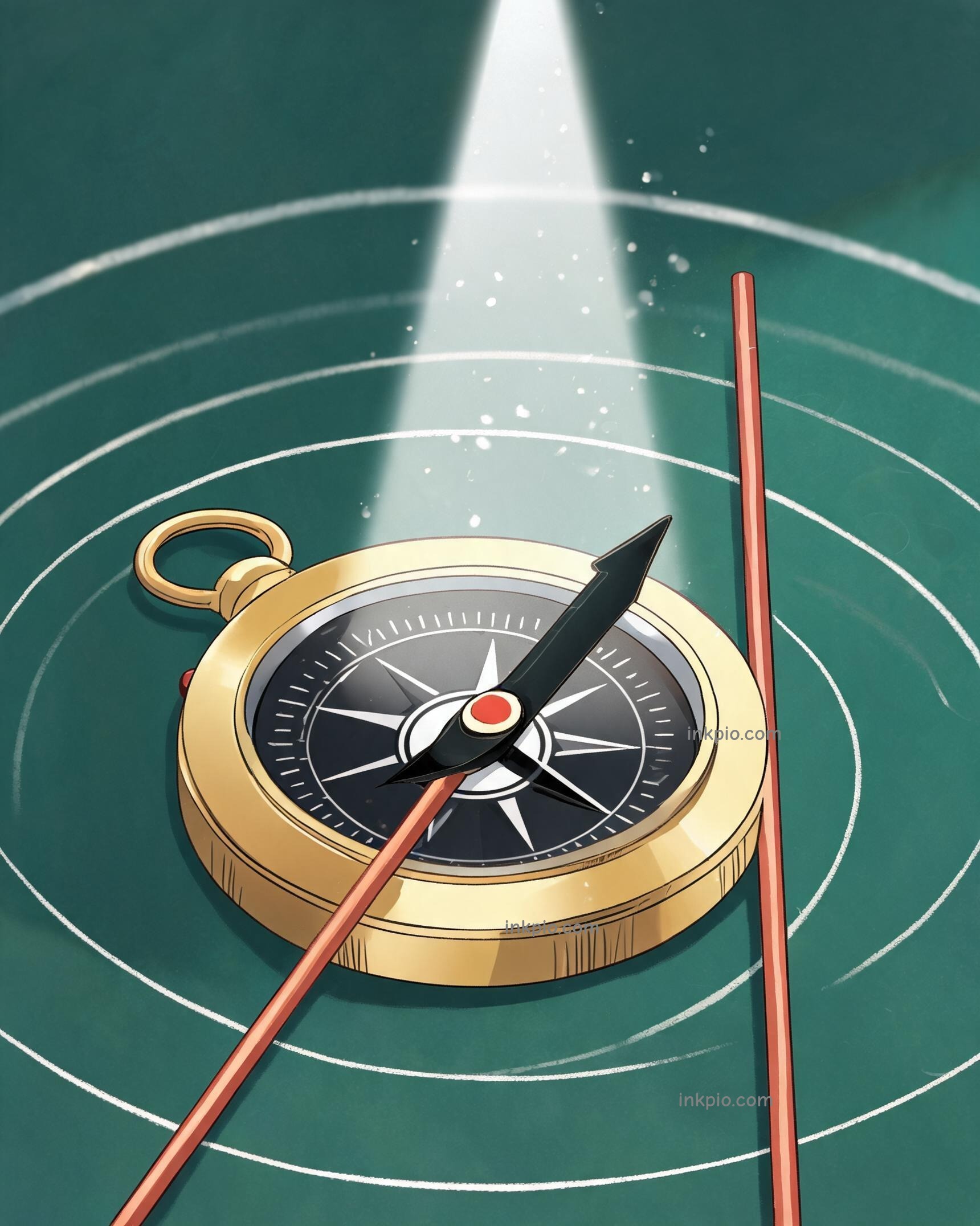
He laid a bare copper wire directly above a brass compass and clipped the ends to a voltaic battery. Sparks jumped as he completed the circuit. Instead of swinging toward the wire like iron filings, the black magnetic needle jerked sharply to the side. It locked exactly ninety degrees from the current, pointing perpendicular to the metal. The geometry told the whole story. Imagine a straight river current dragging water downstream. The flowing electricity acts like that straight channel, but it drags a hidden whirlpool around it. The moving charge creates the input, the circular wrap-around acts as the operation, and the sideways shove on the compass delivers the result. Ørsted later put it simply: the electric conflict acts in a circle around the wire.
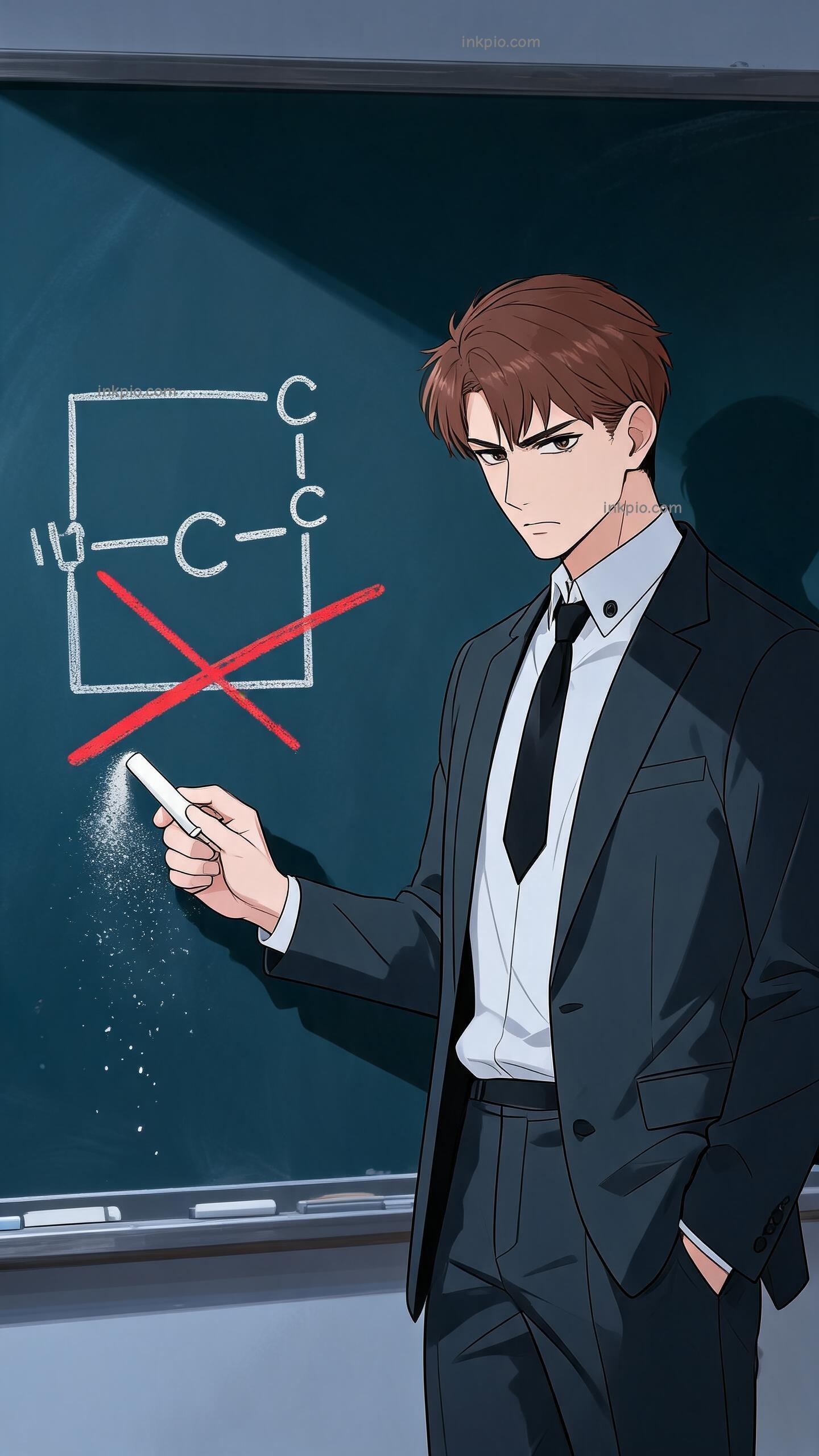
That quiet click of metal on glass erased centuries of dogma. Ørsted grabbed a fresh piece of chalk and sketched concentric circles radiating outward from the wire diagram. The deflected needle was just a tiny pointer tracing the edge of one of those invisible rings. Pens dropped onto wooden desks while the room processed the shift. Two stubbornly separate forces finally connected through a clean geometric pattern.
The brass needle stayed perfectly still on the oak desk as the lecture wound down. That small sideways swing carried enough weight to eventually light entire cities. For now, Ørsted just watched the quiet proof settle into place.