

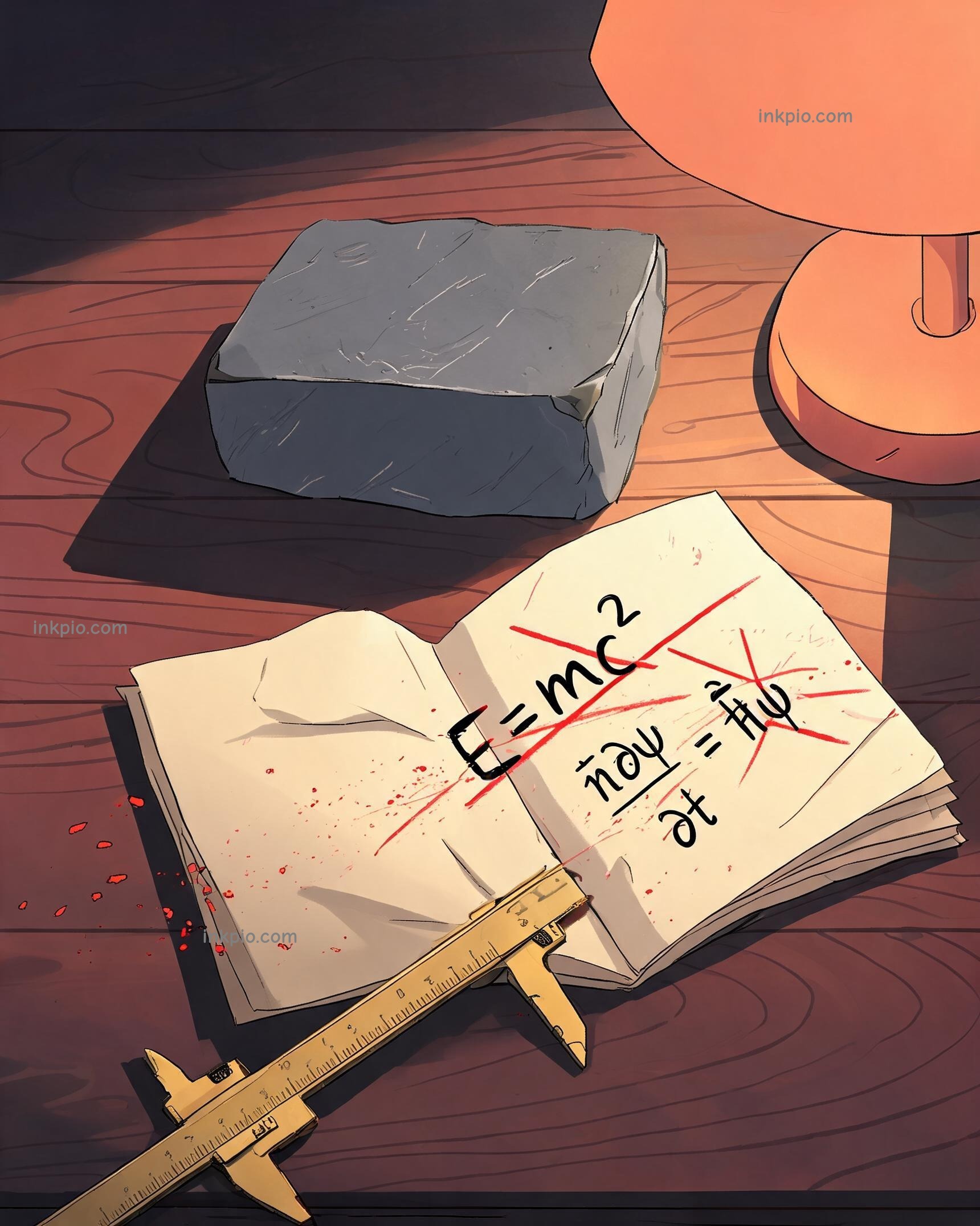

The glass chamber sat cold on the Caltech lab bench, catching stray cosmic rays as thin white trails. Carl David Anderson leaned in and frowned. A fresh track curved sharply against the magnetic field, doing exactly what neither an electron nor a proton should do. He ran the standard equations in his head, but the numbers refused to line up. The old particle models were useless here. He needed to know which way the particle traveled, and guessing would not cut it.
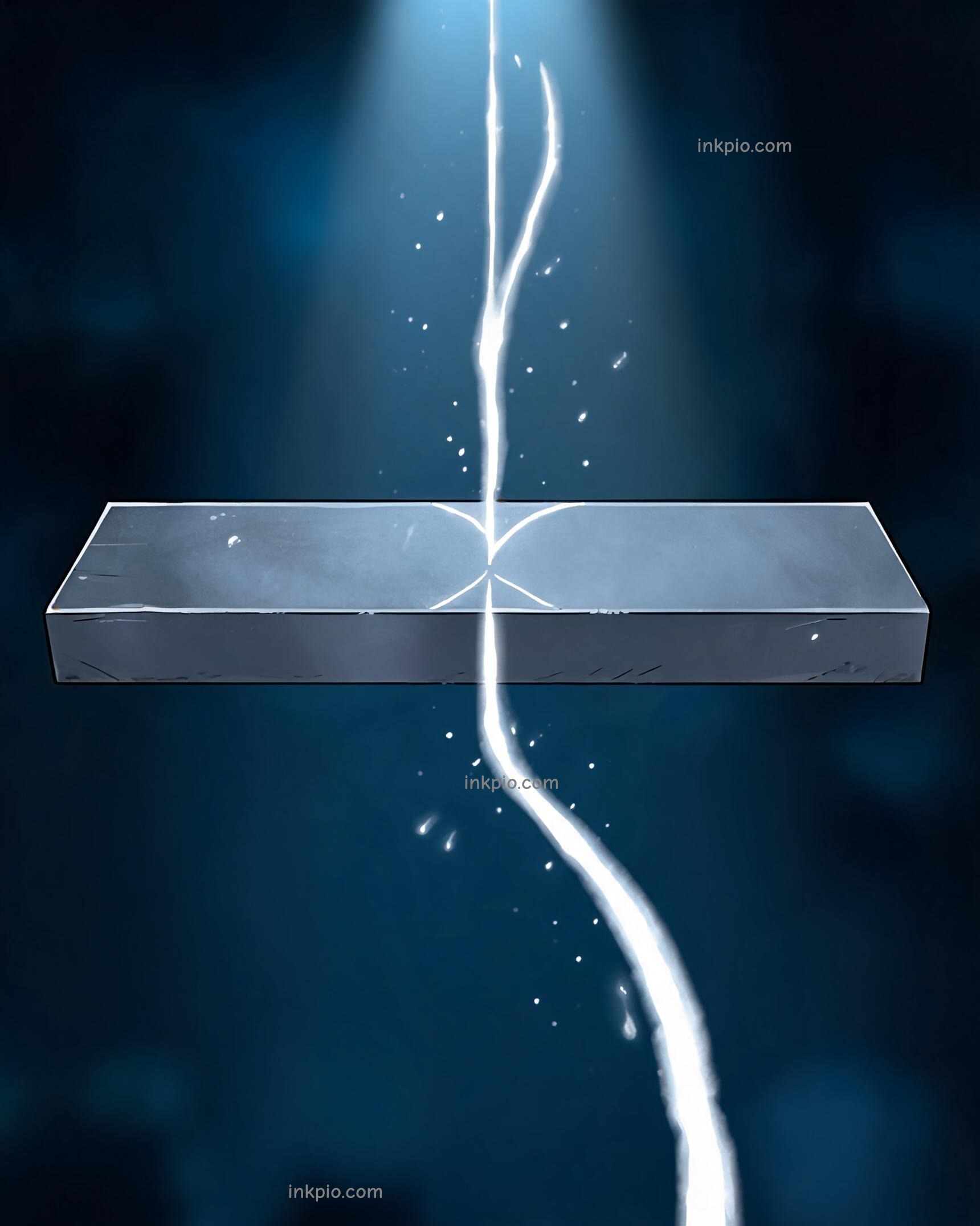
Speed would give him the answer, so he slid a thin lead plate straight across the middle of the chamber. Think of it like a runner hitting deep sand. The metal would steal energy from whatever passed through it, forcing the particle to lose velocity on the far side. Fast things trace wide, lazy arcs. Slow things curl tight. By measuring the curve radius above the barrier against the radius below it, he could read the travel direction like a fingerprint. He just needed a clear exposure.
August 1932 brought a perfect strike, and the camera shutter caught it dead center. Anderson carried the plate into the darkroom and watched the negative develop under the dim light. A clean vapor trail dropped from the top, punched straight through the lead, and emerged underneath with a noticeably sharper bend. The geometry settled the debate immediately. The track entered from above, lost speed crossing the metal, and curled exactly opposite to a normal electron.
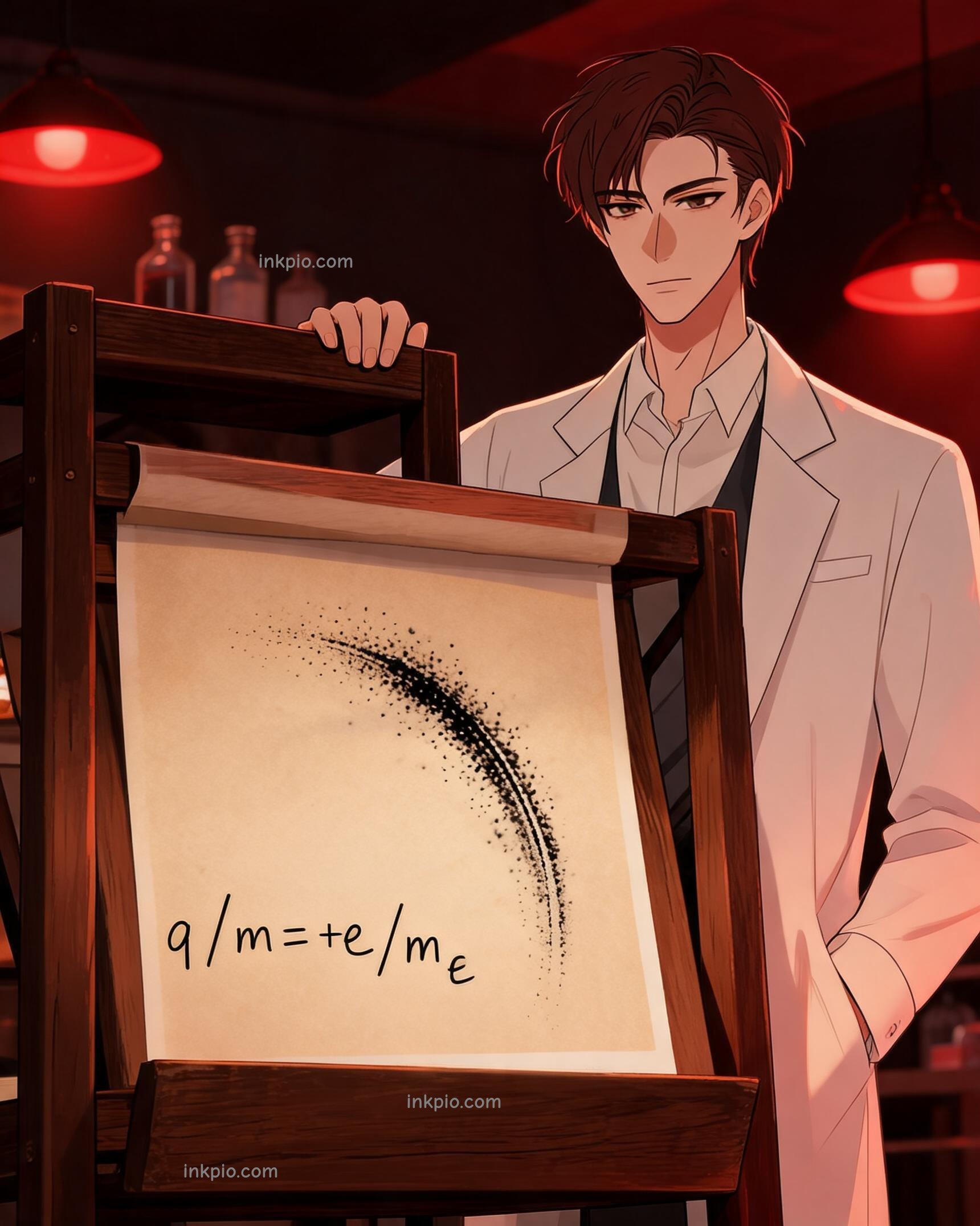
The charge-to-mass ratio locked the identity down tight. The new particle matched a regular electron perfectly, but the positive polarity flipped the entire picture. Paul Dirac had predicted a mirror particle on paper years earlier, and most of the physics community wrote it off as clever algebra. The photograph handed them proof instead. Anderson set the wet print on the drying rack and let his shoulders drop. The track curved backwards, and a brand new kind of matter finally stepped into view.