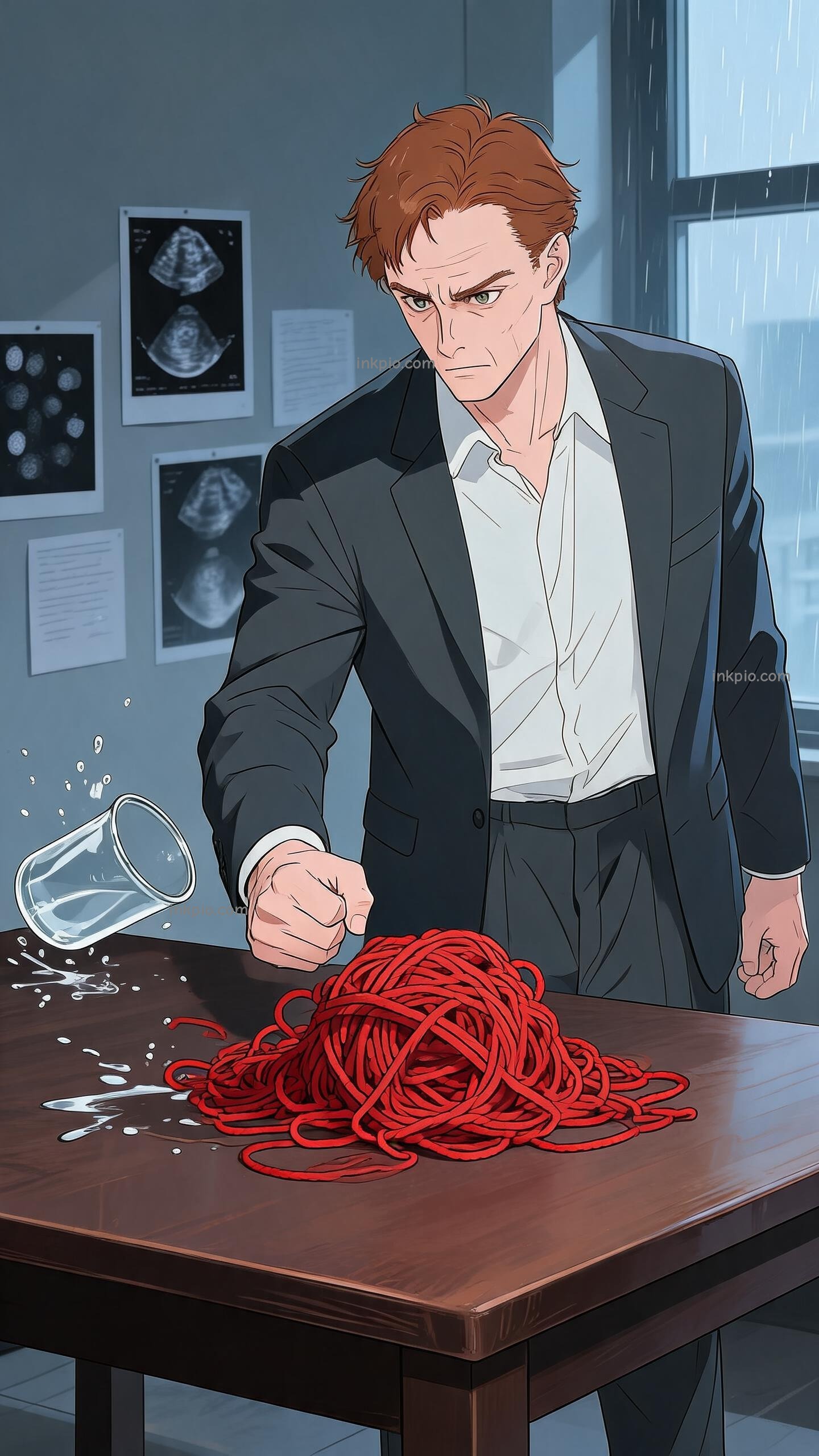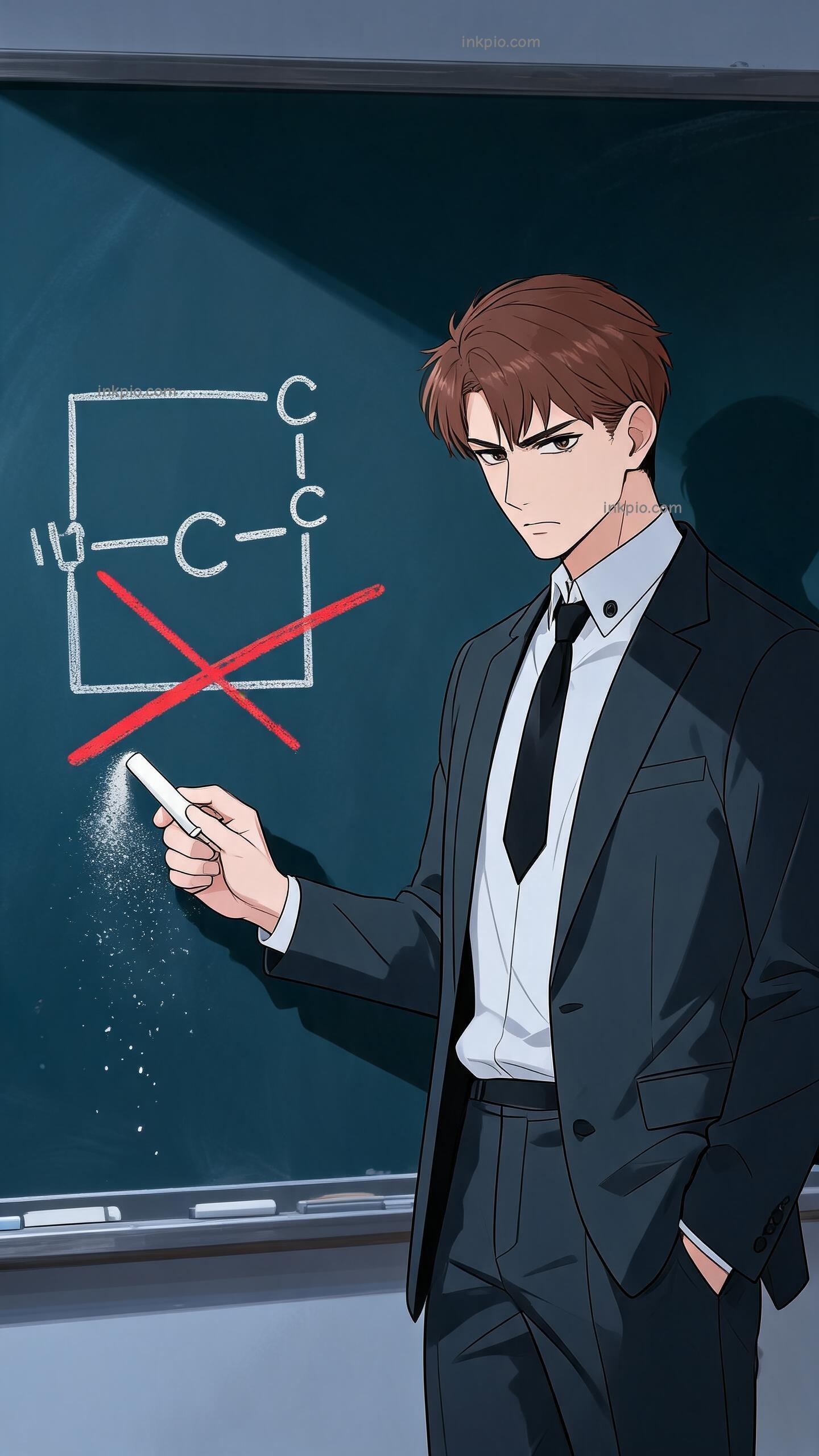
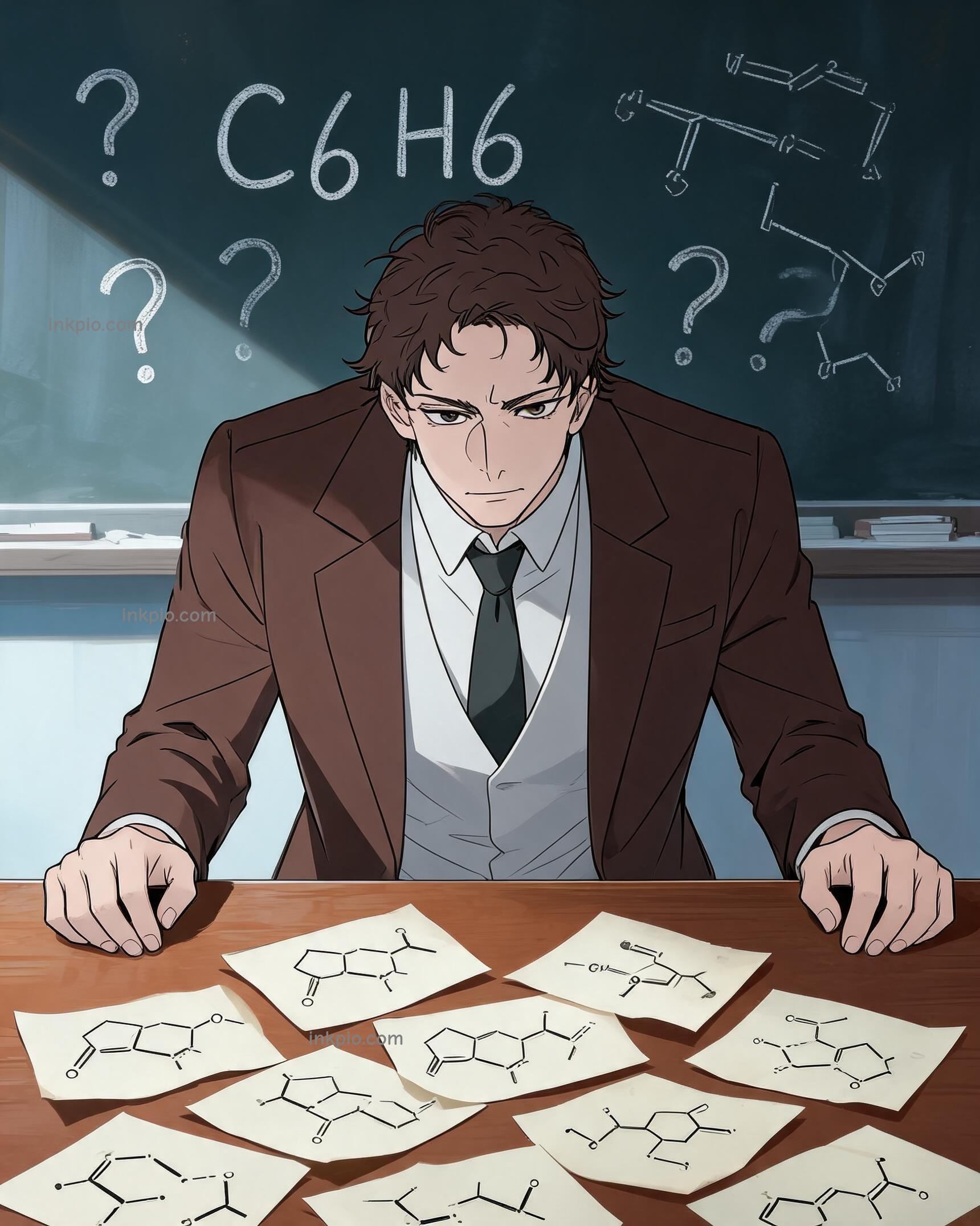



The formula C₆H₆ sat on the chalkboard like a quiet taunt. Chemists knew the numbers, but the bonding math kept breaking. They kept trying to line up the six carbon atoms in a straight chain, yet the rules refused to cooperate. Every time they connected the pieces, loose ends dangled off the sides. Those dangling bonds acted like open hooks, pulling other molecules in and tearing the structure apart. Benzene should have reacted violently, but it sat perfectly still in the lab. Something was closing the circuit, and nobody could see it.
Friedrich August Kekulé spent months forcing those atoms into straight lines, but the valence count always failed. Picture each carbon atom as a worker with four hands. He started with six carbons and six hydrogen partners, but lining them up left the end workers with empty hands waving. That open grip made the whole chain twitchy and unstable. The fix required bending the line until the first and last worker shook hands. Once the loop closed, every hand found a partner, the tension dropped, and the structure finally locked into place.
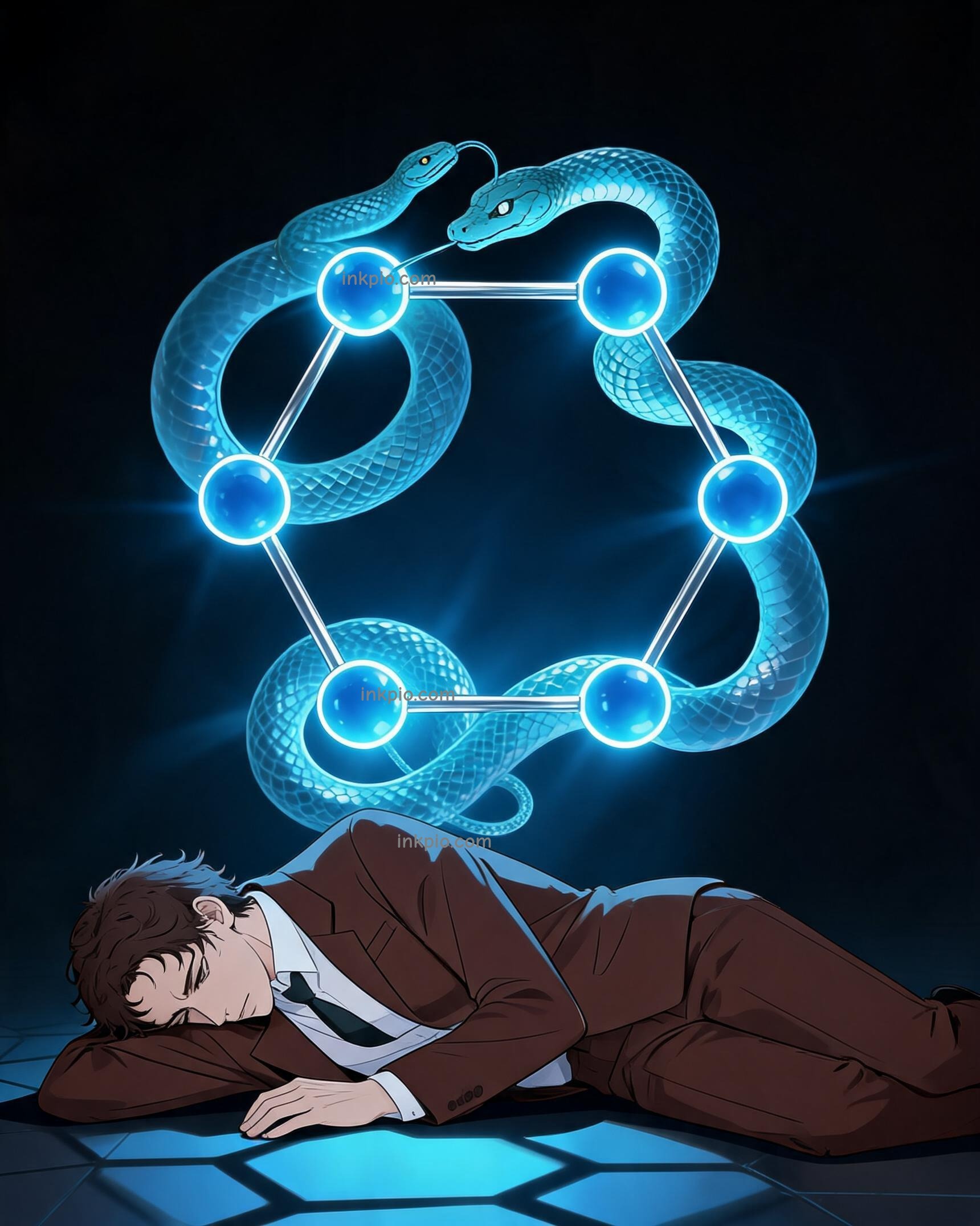
Late one evening, exhaustion finally overruled his stubbornness. He turned his chair toward the hearth and let his head drop. Sleep pulled him under, and his waking frustration melted into a strange parade. Glowing shapes twisted across his mind, shifting from rigid links into long, winding trains. They moved like serpents, coiling and uncoiling in the dark. Suddenly, one of the snakes swung around and clamped its jaws onto its own tail. The circle locked. He jolted awake, the image burned into his mind.
He didn’t wait for the fire to die down. He grabbed his notebook and sketched a hexagon, connecting the six corners into a tight loop. The moment the ring closed, the valence math finally balanced. Every carbon shared its hands with two neighbors and one hydrogen, leaving zero loose ends. He published the drawing in 1865 in the Bulletin de la Société Chimique de Paris, handing chemists a working model for a stubborn mystery. Twenty-five years later, in 1890, he stood before colleagues to celebrate the anniversary and publicly recounted the hypnagogic vision of the snake biting its tail.
The hexagon sat on the page, quiet and perfectly balanced. That closed loop turned a frustrating dead end into a steady path, and the chemistry world walked right through it.