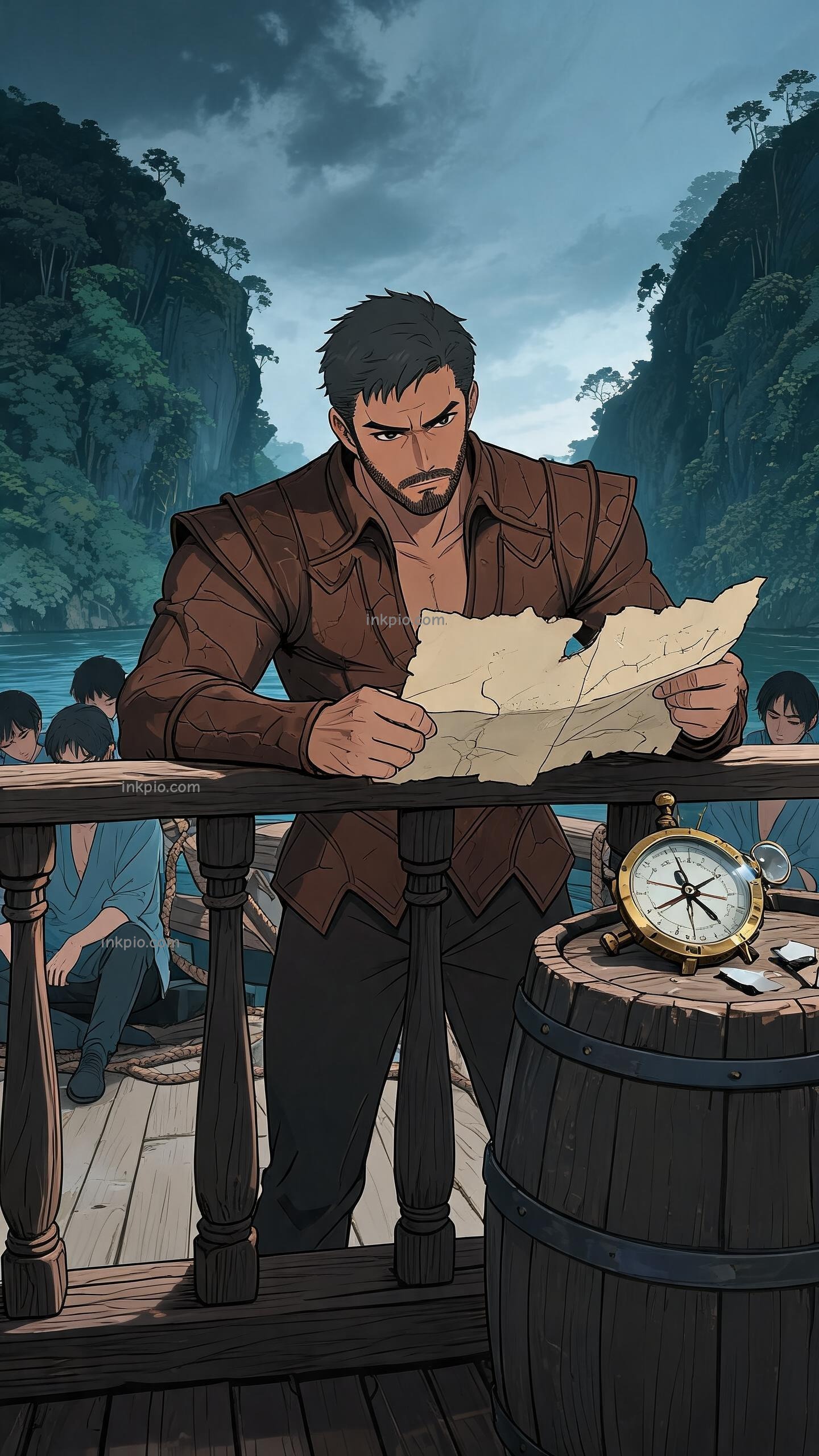

Francisco de Orellana’s knuckles turned white as he gripped the rotting rail. The jungle did not feel like a landscape; it felt like a cage. Green walls rose on both sides, blocking the sky and any hope of retreat. Behind them, the rapids churned with violent energy, making upstream travel a suicide mission. Hostile tribes watched from the shadows, their arrows ready. Starvation had hollowed out his crew’s cheeks, turning strong men into ghosts. There were no maps for this place. There was only the brown, churning water and the silence of the unknown.
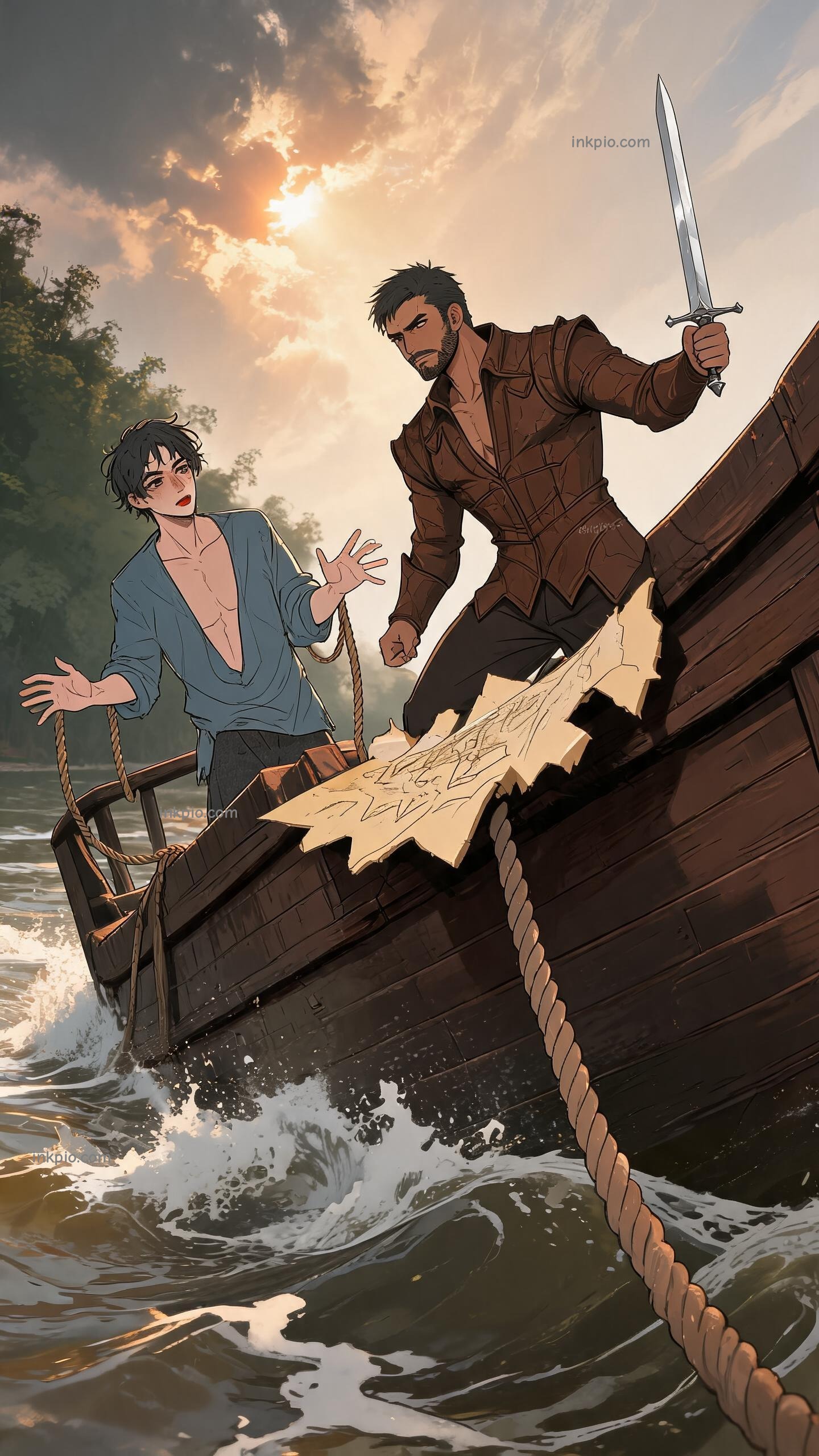
Orellana looked at his men. They were waiting for an order that might kill them all. He felt the weight of every life on board pressing against his chest. Turning back meant death by arrow or starvation. Going forward meant trusting a river that seemed endless. He drew his sword, not to fight, but to point. The blade aimed downstream, into the mist. It was a gamble born of desperation. He ordered the crew to let go of the oars. They would let the river decide their fate.
Weeks bled into one another in a haze of hunger and heat. The brigantine drifted like a leaf through a green tunnel. The river kept growing, swallowing tributaries whole. Each new stream made the current stronger, faster, more inevitable. The men rowed with trembling arms, their eyes fixed on the horizon that never seemed to get closer. Food ran out. Hope ran out. All that remained was the rhythmic slap of water against wood and the oppressive humidity.
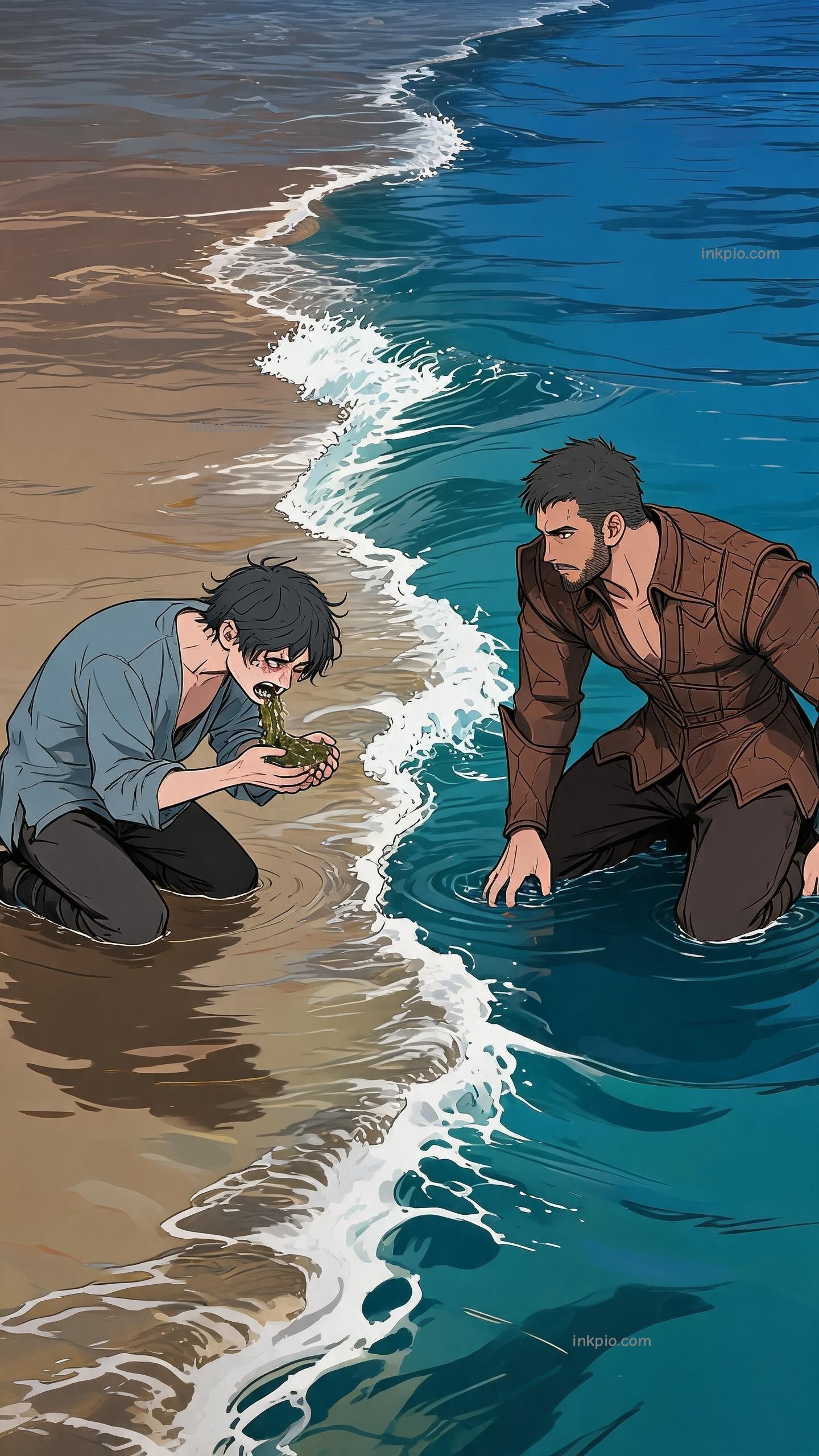
Then, a gaunt sailor cupped his hands. He lifted the muddy water to his cracked lips. He expected the usual taste of silt and decay. Instead, he spat it out, coughing violently. His eyes widened in confusion. "Salt," he rasped, his voice broken from disuse. The word hung in the heavy air. Orellana knelt at the bow. He dipped his fingers into the surface layer. He touched his tongue to the wet skin. It was sharp. It was familiar. It tasted like home.
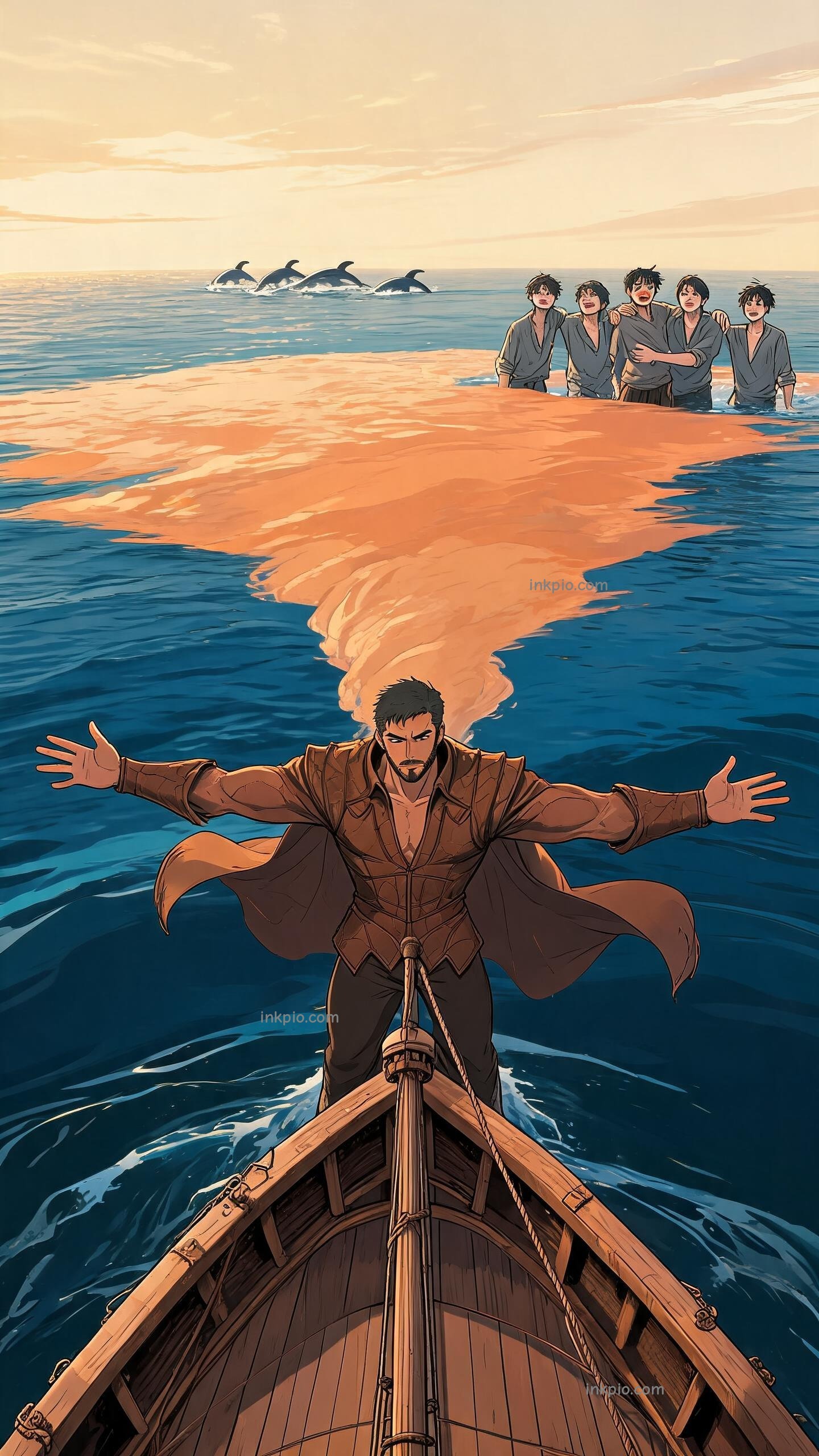
A low rumble began deep within the hull. The water ahead began to rise, not from rain, but from a force pushing back. A tidal bore surged upstream, fighting the massive flow of the river. The two bodies of water collided with a roar that shook their bones. They had hit the ocean. Ahead, the brown freshwater did not mix immediately with the blue Atlantic. It spread across the surface like a giant, muddy handprint, refusing to be absorbed.
Orellana stood at the bow, the salt spray stinging his face. He watched the river literally swallow the sea. The scale of it defied every map he had ever studied in Europe. This was not just a river; it was a force of nature that dwarfed everything he knew. The sheer volume of water pushing out was unimaginable. Roughly 209,000 cubic meters of freshwater poured into the ocean every single second. That amount exceeded the combined flow of the next seven largest independent rivers on Earth.
Today, satellites can see this massive freshwater plume from space, a white scar on the blue ocean. But in 1542, there were no satellites. There was only a starving captain standing on a rotting deck. Orellana did not think about geography or records. He thought about the taste of salt after months of mud. He had become the first European to navigate the full length of the Amazon, from the Andes to the Atlantic. But in that moment, he just closed his eyes and let the sea breeze dry the sweat on his forehead.