



The plague had shut down Cambridge, so Newton retreated to his family’s quiet manor in 1666 with a stubborn problem. Every telescope lens he ground produced a blurry mess.
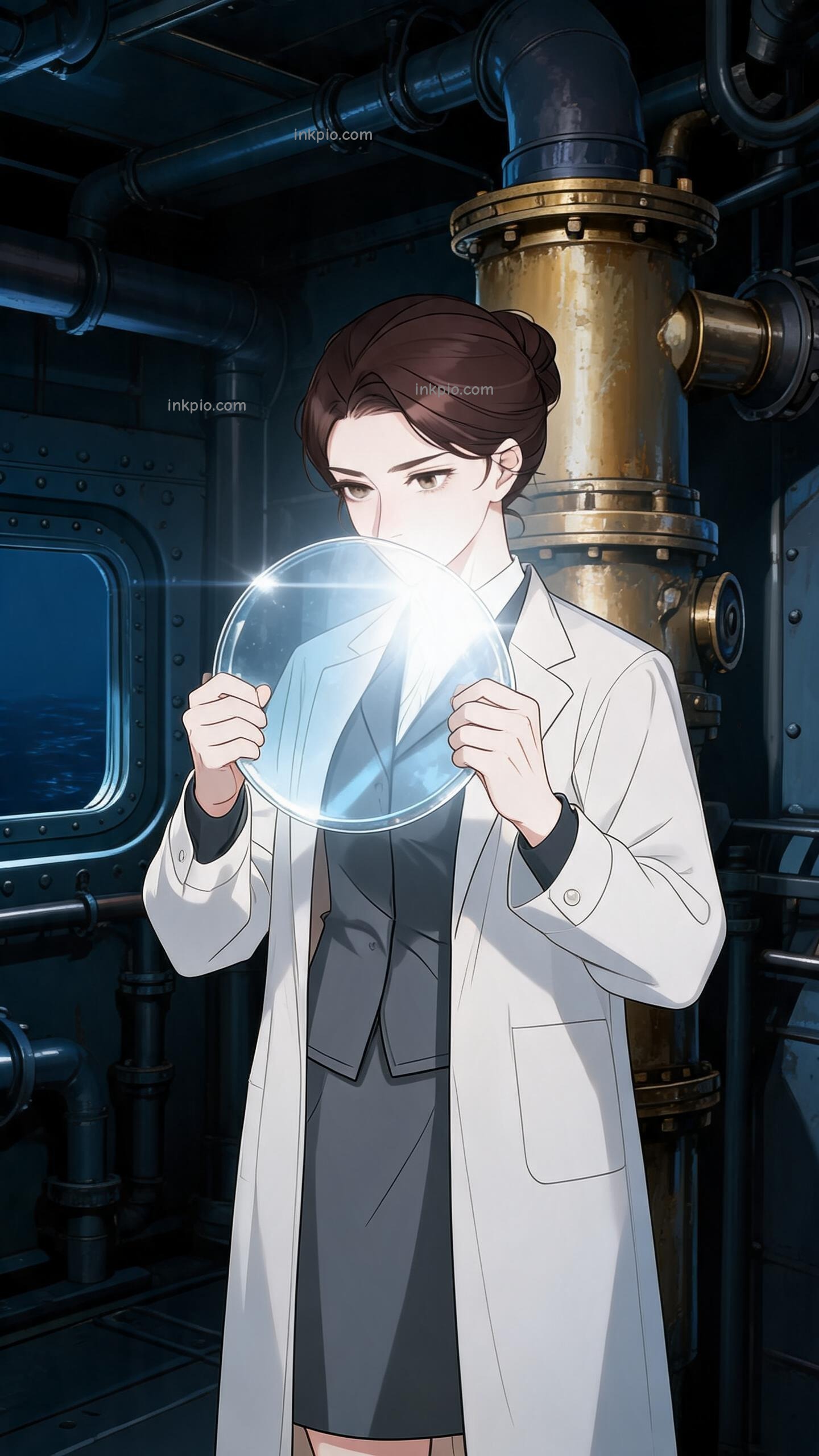
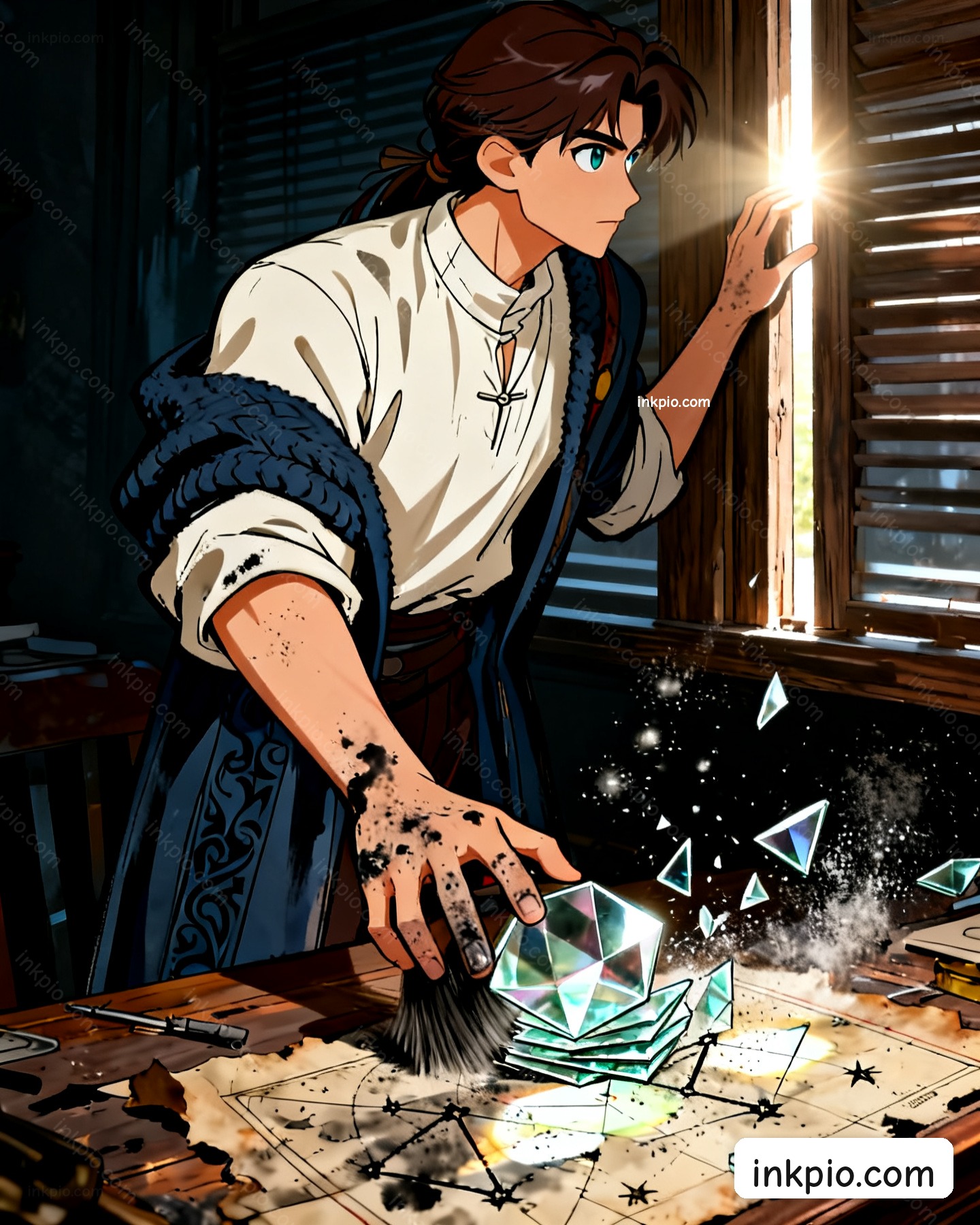
The glass bent different colors at slightly different angles, wrapping every star in a messy halo. He figured stacking extra prisms would cancel out the stray hues. Instead, the overlapping edges just smeared into a muddy, useless blur on his workbench. Frustrated, he shoved the glass stack aside and decided to strip the experiment down to its bare essentials.
A tight beam of white light sliced through the dark room after he cut a narrow slit in the wooden shutter and waited for the afternoon sun to line up. The beam hit a solitary glass triangle on his desk. Think of it like pouring a mixed bag of marbles down a tilted ramp. The prism didn't invent new colors, it just sorted them. Each hidden shade hit the glass and bent at its own specific speed, pulling away from the others. When the light finally struck the opposite plaster wall, Newton stepped back as a sharp, elongated band appeared.
Charcoal traced the edges on the rough plaster. The colored patch ran exactly five times longer than it was wide. That simple ratio proved the glass wasn't twisting the light at all. The sunlight arrived already mixed, and the prism just pulled the hidden threads apart. He wrote down how surprised he felt watching the beam stretch so far across the wall, a shape that defied every old textbook on the shelf. Centuries of optical dogma quietly unraveled in that quiet room.
He finally understood why his lenses kept failing, and the answer sat right there on the plaster. By mapping how each color bent, he could calculate exactly how to shape future glass without the blurry edges. The muddy smear on his desk made perfect sense now. He left the prism on its stand and watched the morning light slowly creep across the floorboards, knowing the sky had just been divided into pieces he could finally measure.