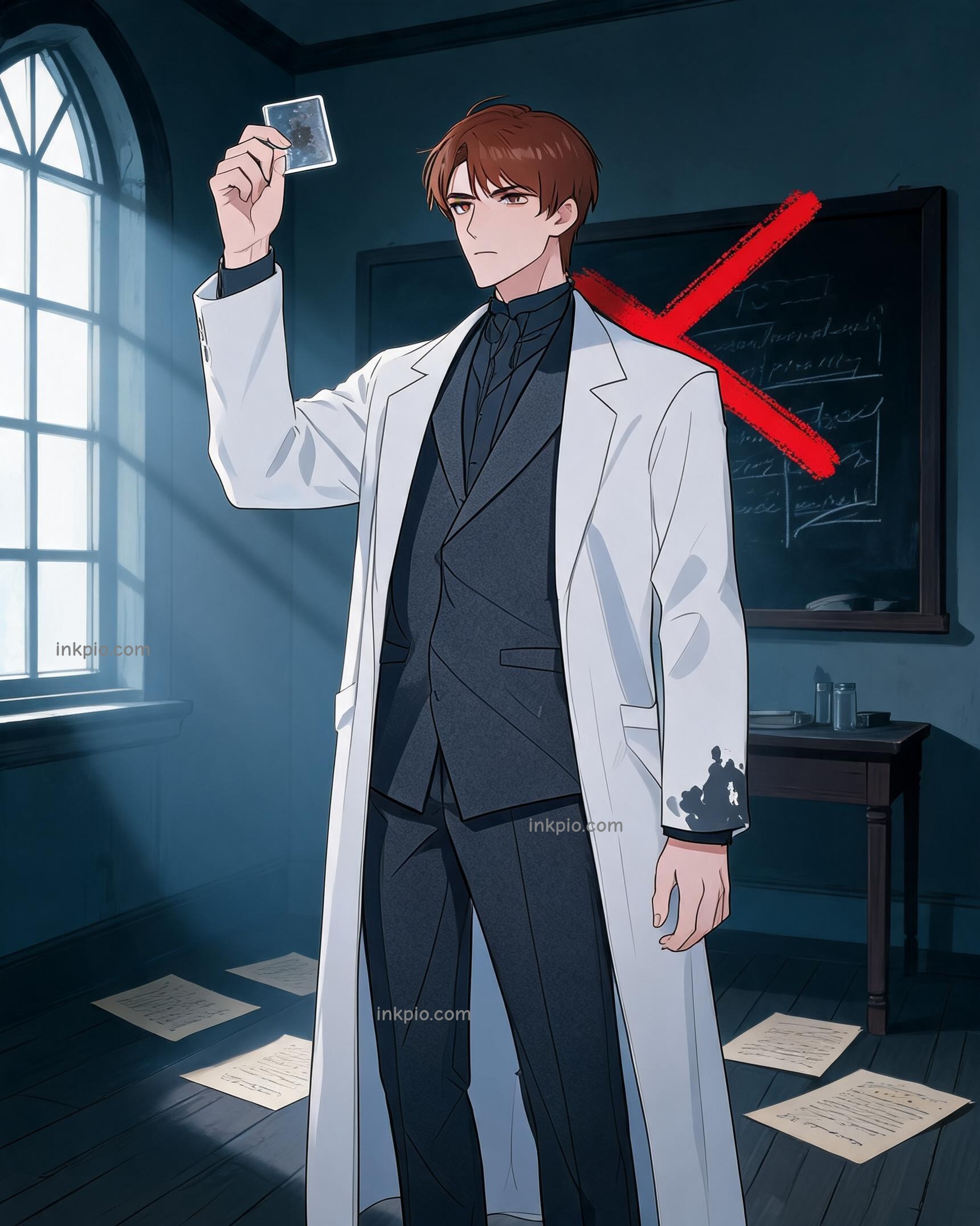
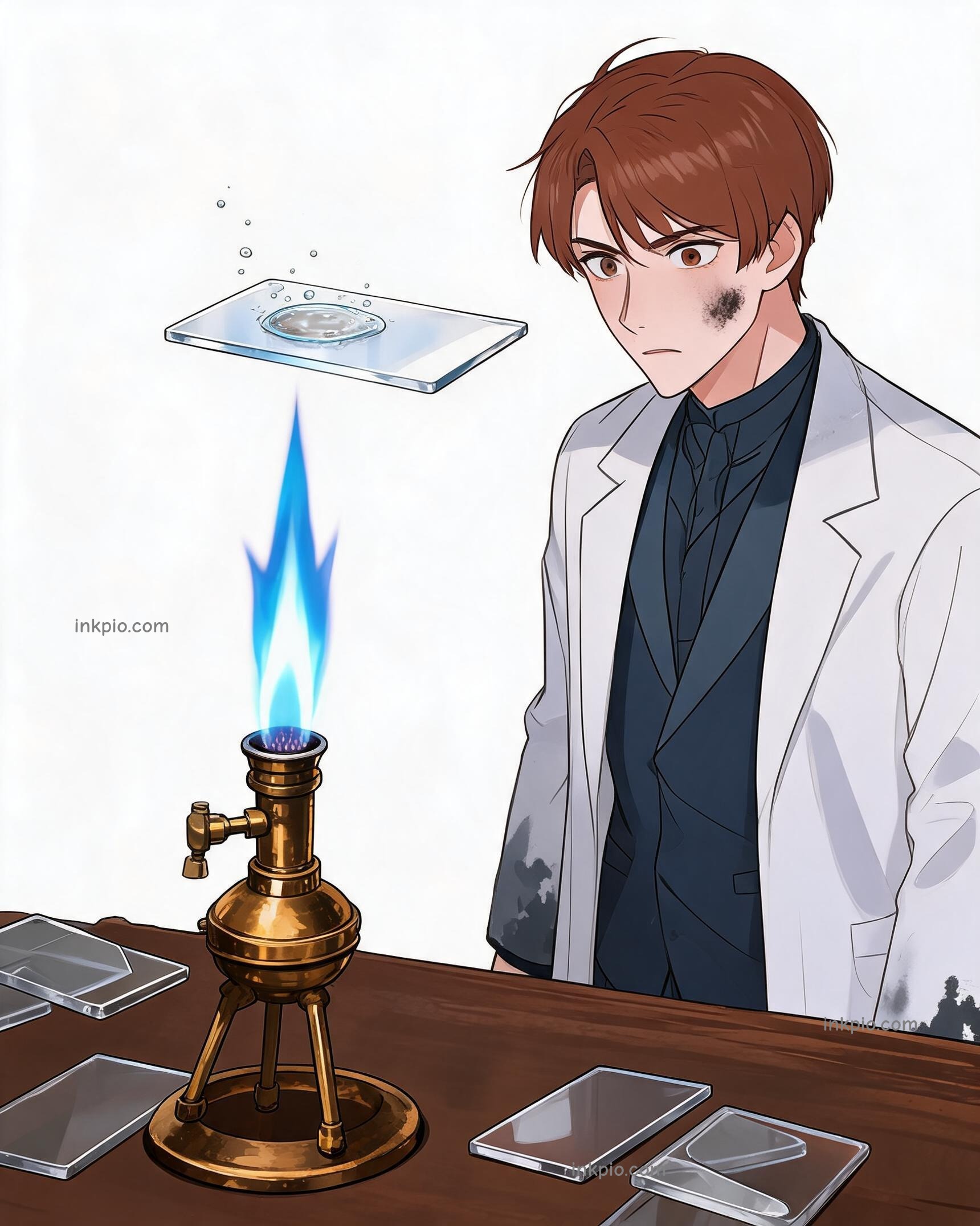

The gas flame hissed, a low, steady sound in the quiet lab. Robert Koch held the glass slide over the blue tip of the fire, his knuckles white from gripping the forceps too tightly. Outside, Berlin slept, unaware that tuberculosis was quietly emptying its homes. Inside, Koch felt the weight of every cough he had heard in the wards that day. He wasn't just looking for a germ; he was hunting a ghost that had mocked every scientist before him.
For years, the medical community had shrugged. They blamed bad air, weak blood, or heredity. It was a comfortable fatalism. If the disease was fate, no one was to blame. But Koch couldn't accept that comfort. He had seen the patterns, the clusters of death that defied random chance. He knew something specific was moving from person to person, but it refused to be seen. Every dye he tried slid off the pathogen’s waxy armor like rain on oiled silk. The evidence remained invisible, and the bodies kept piling up.
He needed to break that armor. The logic was simple, almost brutal. Think of staining a thick, resinous pine board. Pour cold paint on it, and the liquid beads up, useless and shallow. But apply steady heat, and the wood’s pores open. The pigment sinks deep into the grain, becoming part of the structure. Koch applied this same violence to the bacteria. He soaked the sputum smear in alkaline methylene blue, then heated it until the liquid bubbled. The heat cracked the waxy shells just enough to let the dye trap itself inside.
Soot smudged his cheek, a mark of the long hours spent hunched over the bench. He wiped it away with a tired hand, watching the steam rise from the slide. This was not elegant science. It was a struggle. He adjusted the glass, waiting for it to cool, his heart beating a little faster than usual. If this failed, he would have to admit that perhaps the doctors were right. Perhaps there was nothing to find. The fear of being wrong was heavier than the microscope itself.
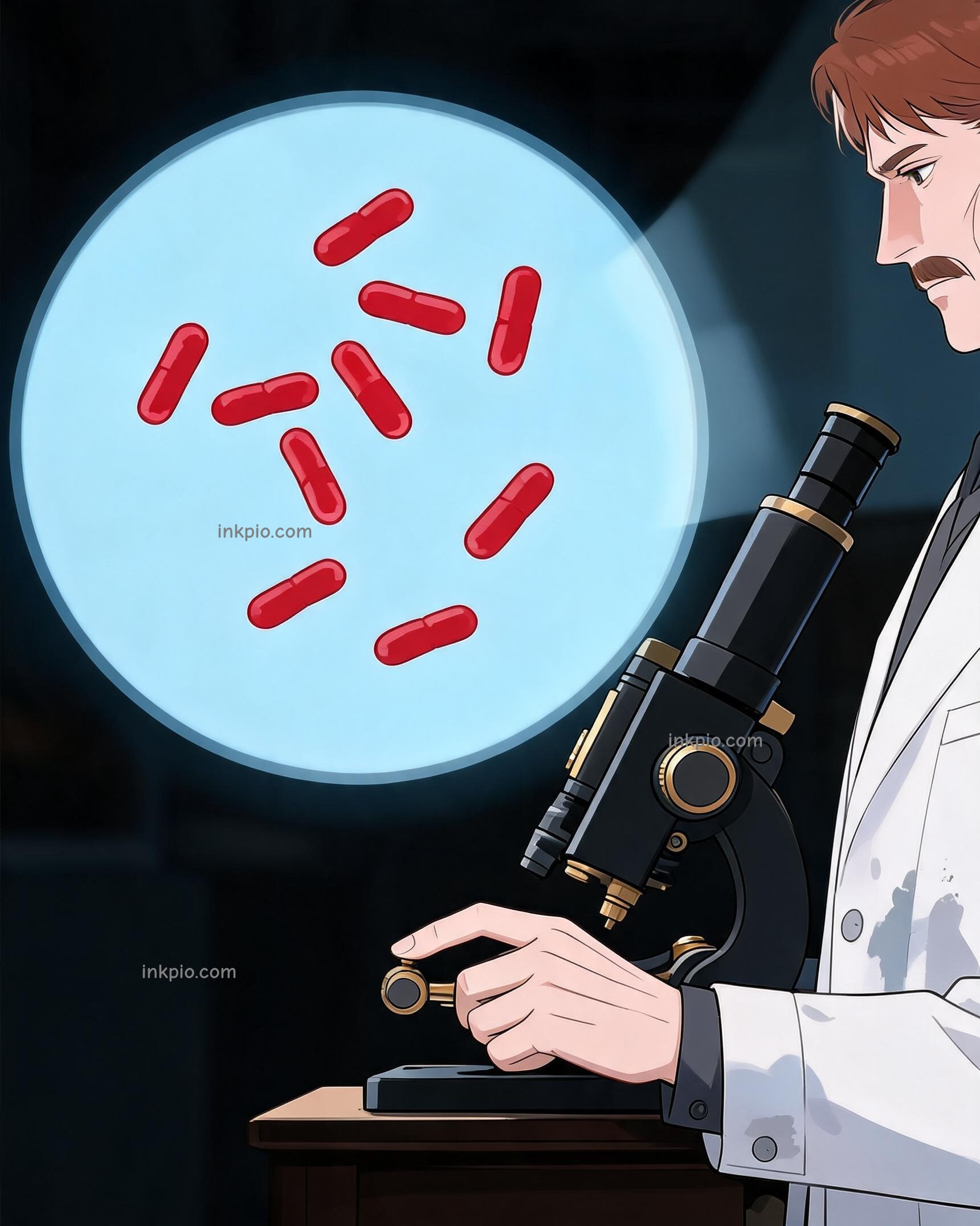
He slid the cooled glass under the brass lens. The room was silent except for the ticking of a clock. He turned the fine-focus knob, millimeter by millimeter. The blurry gray mush of cellular debris drifted out of view. Then, sharply, they appeared. Distinct red rods stood out against a pale blue wash, linked in tight, repeating chains. They were not random smudges. They were organized. They were real.
Koch leaned back, the chair creaking under his weight. He didn't cheer. He simply exhaled, a long breath he felt he had been holding for months. The invisible killer finally had a shape. It had a single origin. The chaos of the epidemic collapsed into a single, manageable truth. He capped his notebook, his hands steady now. The guessing was over.
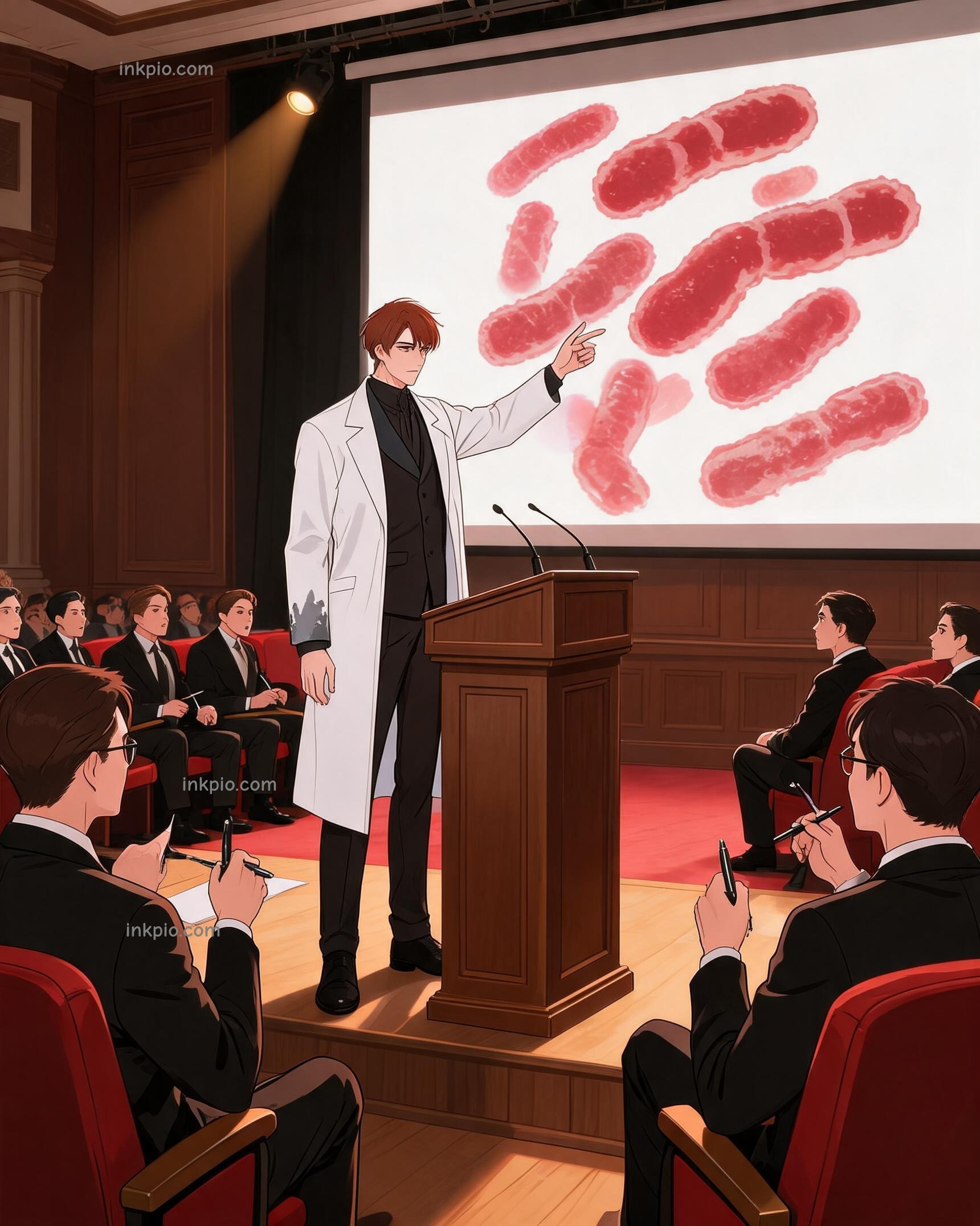
On March 24, 1882, the lecture hall at the Berlin Physiological Society was packed. The air smelled of wool coats and skepticism. Physicians sat with arms crossed, expecting another vague theory about constitution or climate. Koch walked to the podium, placing his slides on the projector. He didn't speak of luck. He projected the magnified crimson rods onto the large screen, bright and undeniable.
He told them that one specific bacterium drove the entire epidemic. The scratching of pens stopped mid-stroke. Silence stretched across the room, heavy and sudden. The old fatalism, the belief that death was just bad luck, cracked under the bright lecture lights. Faces that had looked bored now looked afraid, or perhaps relieved. The enemy was no longer everywhere; it was right there, on the screen, small enough to be fought.
Koch stepped back from the podium. He didn't need to explain further. The red rods spoke for themselves. He left the stage, leaving the room full of men staring at the image that had just rewritten their world. Outside, the night was still dark, but for the first time, the path forward was clear.