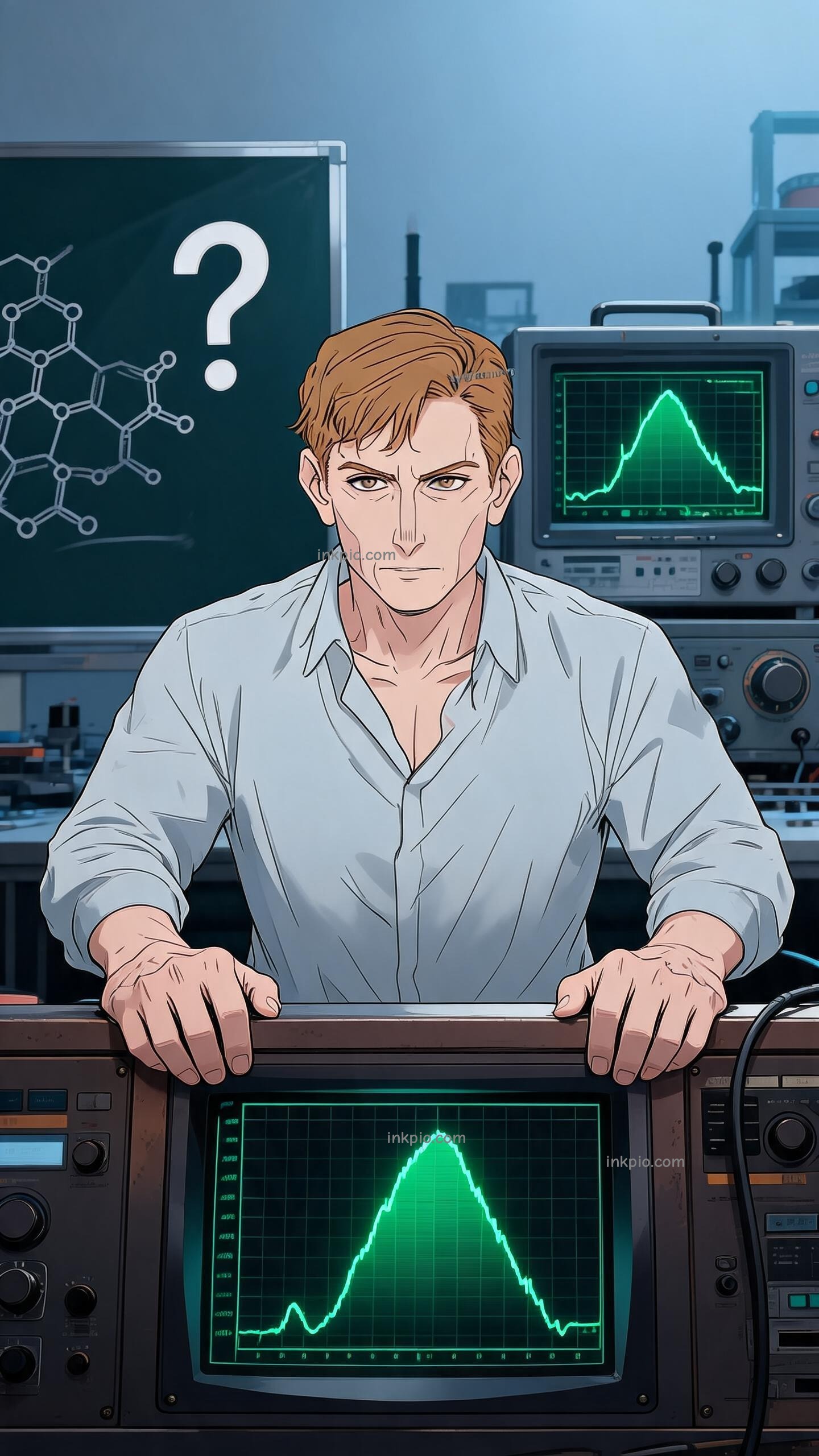




The magnetron hummed with a low, predatory growl. It was 1945 in Lynn, Massachusetts, and the air inside the Raytheon lab tasted of ozone and stale coffee. Percy Spencer stood before the glowing copper tube, his mind elsewhere. He wasn't thinking about radar frequencies or military contracts. He was thinking about hunger.
He reached into his pocket for a quick sugar fix, a habit born from long shifts and skipped meals. His fingers expected the familiar snap of a solid chocolate bar. Instead, they sank into a warm, sticky sludge. The candy had liquefied against his thigh, ruining his trousers and his snack. Most men would have cursed the heat, wiped their hands, and returned to work. Spencer froze. He looked at the mess on his palm, then at the humming machine. A cold prickle of suspicion ran down his spine. Was it his body heat? Or was the invisible energy leaking out, touching him?
Spencer was a man who trusted patterns, not accidents. He felt a strange unease, the kind that keeps you awake at night. If the waves could melt chocolate through wool and cotton, what else were they doing to the people standing near them? He needed to know. Not for science, but for control. He locked the lab door. The world outside was ending a war; inside, he was starting one against ignorance.
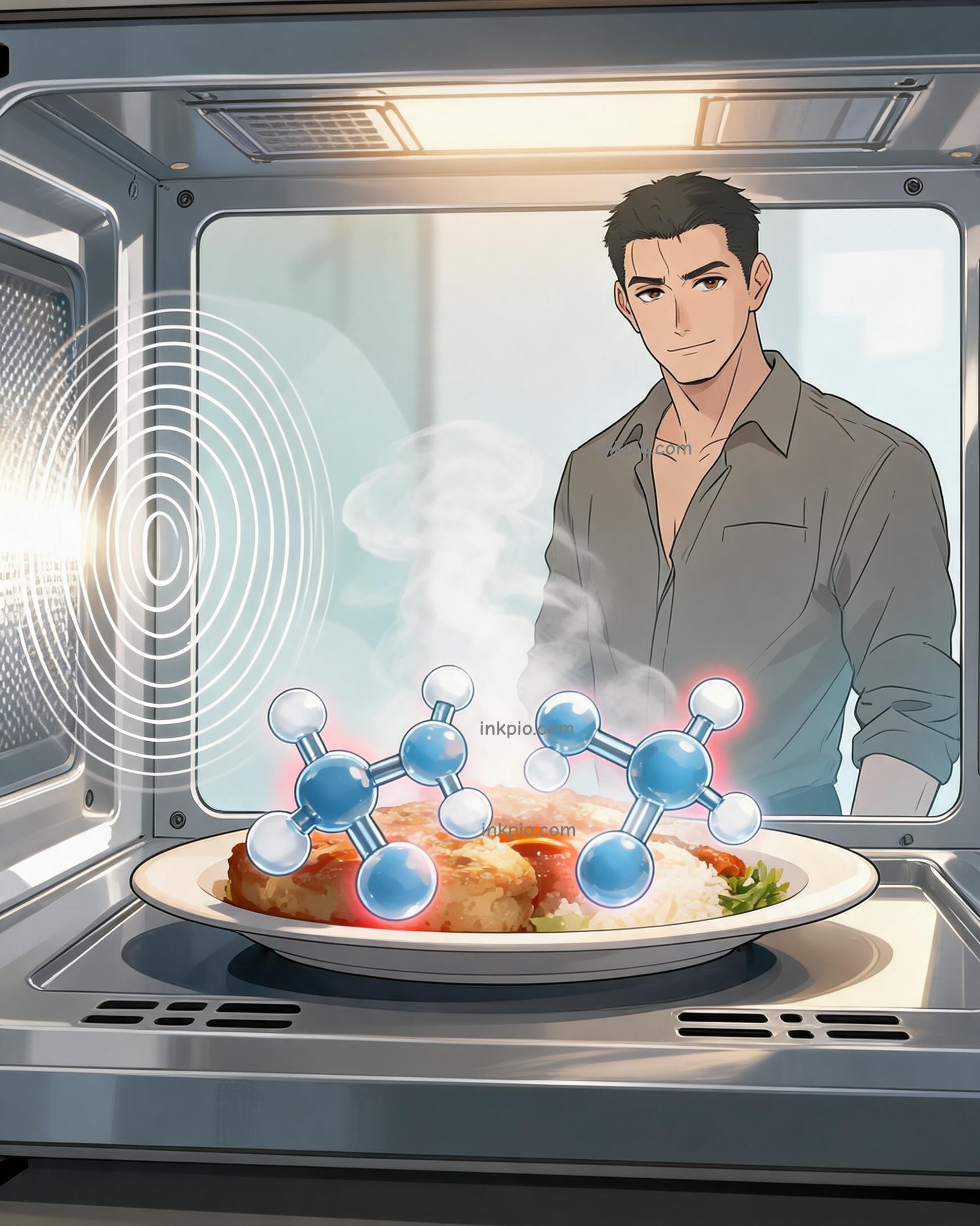
The physics were elegant, almost cruel in their simplicity. Think of water molecules as tiny, stubborn compass needles. The magnetron fired 2.45 GHz electromagnetic waves, an invisible hand grabbing these needles and flipping them back and forth millions of times every second. This frantic dance created molecular friction. Dielectric heating. The energy didn't wait to seep in from a hot pan. It attacked the water inside the food directly, generating heat from within. No flame. No delay. Just pure, internal agitation.
Next morning, Spencer returned with a bag of popcorn kernels. He placed them on a paper bag near the antenna. His hands shook slightly, not from fear, but from anticipation. He flipped the switch. Pop. Pop-pop. Within seconds, the lab filled with the smell of toasted corn. White fluffy clouds erupted across the floor. It worked. But popcorn was dry. He needed something wet, something alive.
He grabbed a raw egg. His coworker, skeptical and tired, leaned in to watch. "Careful," the man muttered. Spencer aimed the beam. Silence stretched for three seconds. Then, a violent crack. The egg didn't just cook; it exploded. Steam pressure built up faster than the shell could hold. Yolk and white sprayed across the coworker’s face, dripping from his eyebrows. The room went quiet. The coworker wiped his eyes, staring at Spencer with a mix of anger and awe. Spencer didn't apologize. He stared at the shattered shell. The chaos proved the power. It was dangerous. It was real.
The team moved fast. Fear turned into urgency. By 1947, they unveiled the Radarange. It was a monster of a machine, six feet tall, weighing 750 pounds. It required plumbing and high-voltage wiring. It didn't look like a kitchen appliance; it looked like industrial equipment. But when it hummed to life, it changed the rhythm of domestic life forever.
Spencer never ate chocolate bars again. The memory of that warm, sticky mess stayed with him, a reminder of how thin the line is between a snack and a scientific revolution. He walked past the massive ovens, listening to their hum. It sounded different now. Less like a machine, more like a heartbeat.