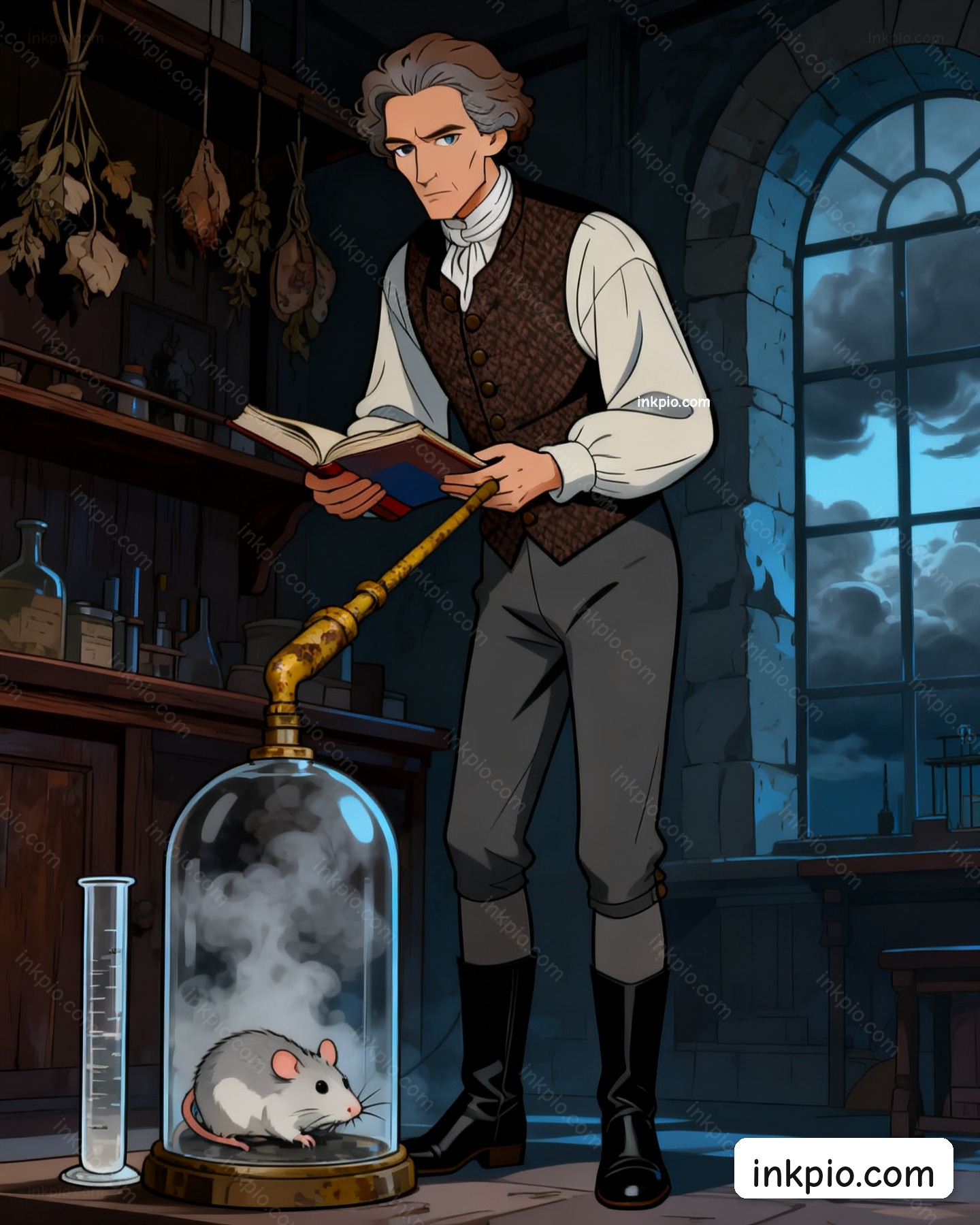
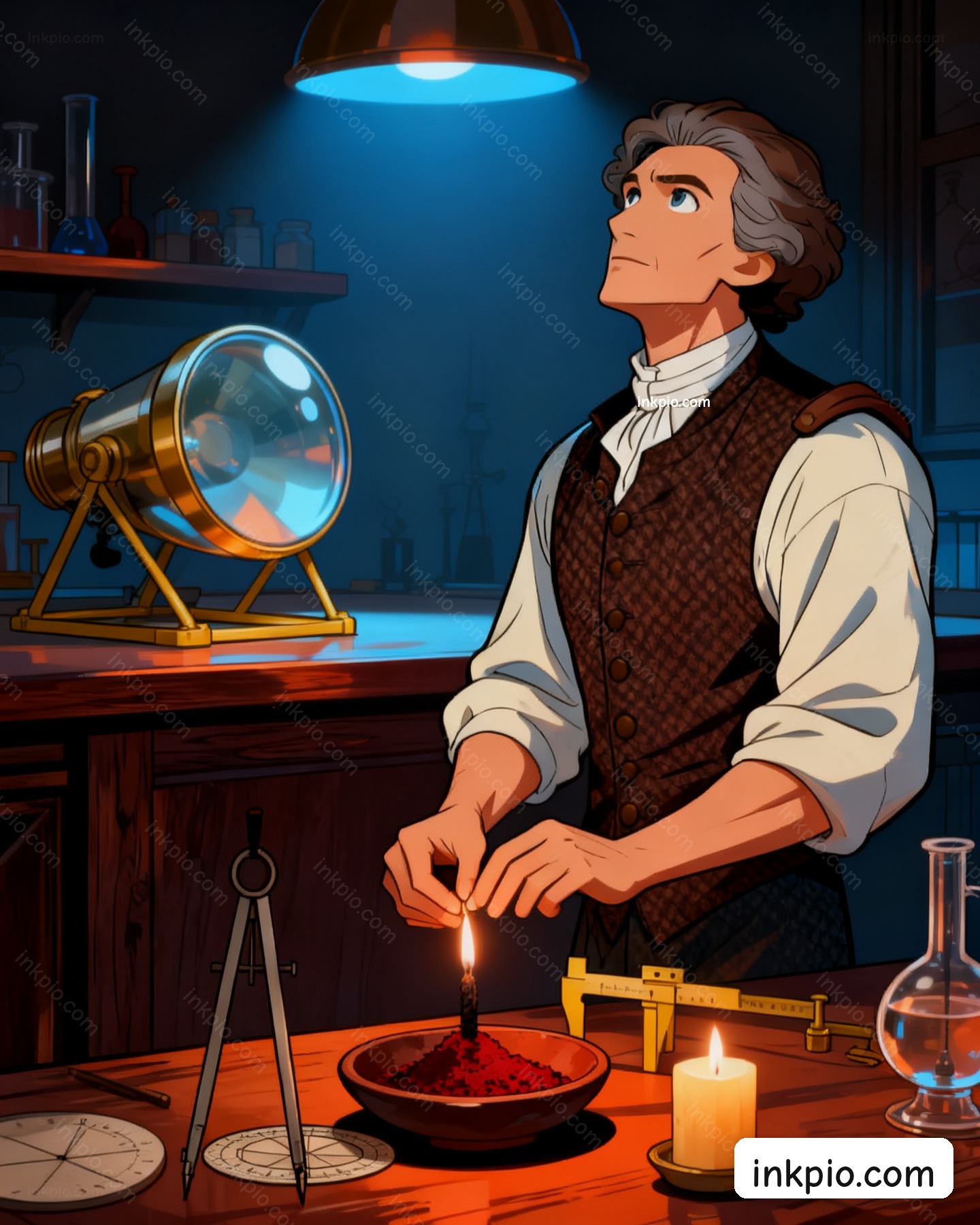
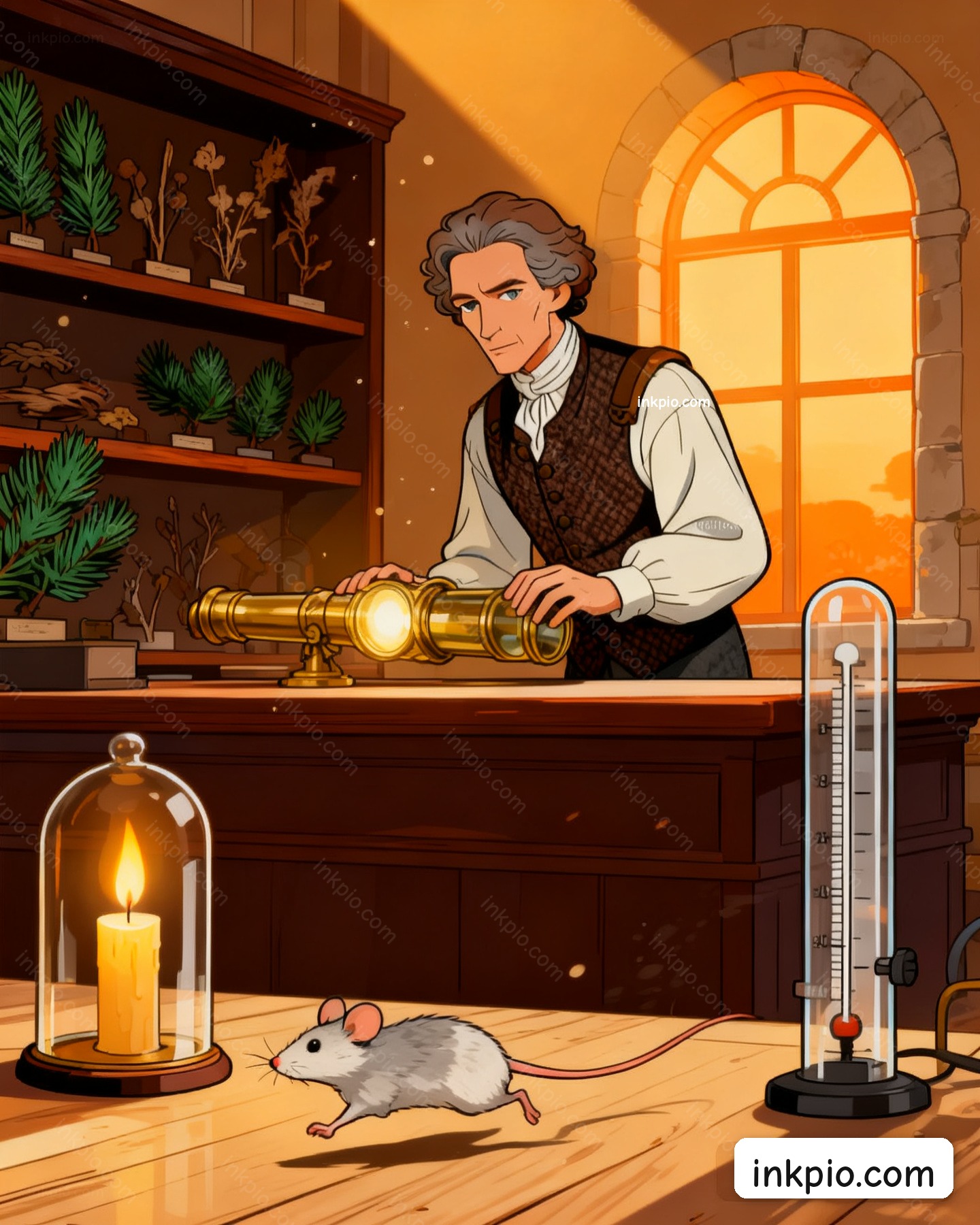

On August 1, 1774, the glass bell jar fogged up again. Priestley wiped the rim, but the test mouse inside just lay still on the floor. Open flames ruined everything. Every time he heated his samples over a fire, the smoke mixed with the gas and left behind a thick, suffocating vapor. He needed clean air to study breathing, but his own tools kept poisoning the experiment. He set down the copper rod and stared at the heavy lens resting on a nearby shelf. Sunlight poured through the high window, waiting.
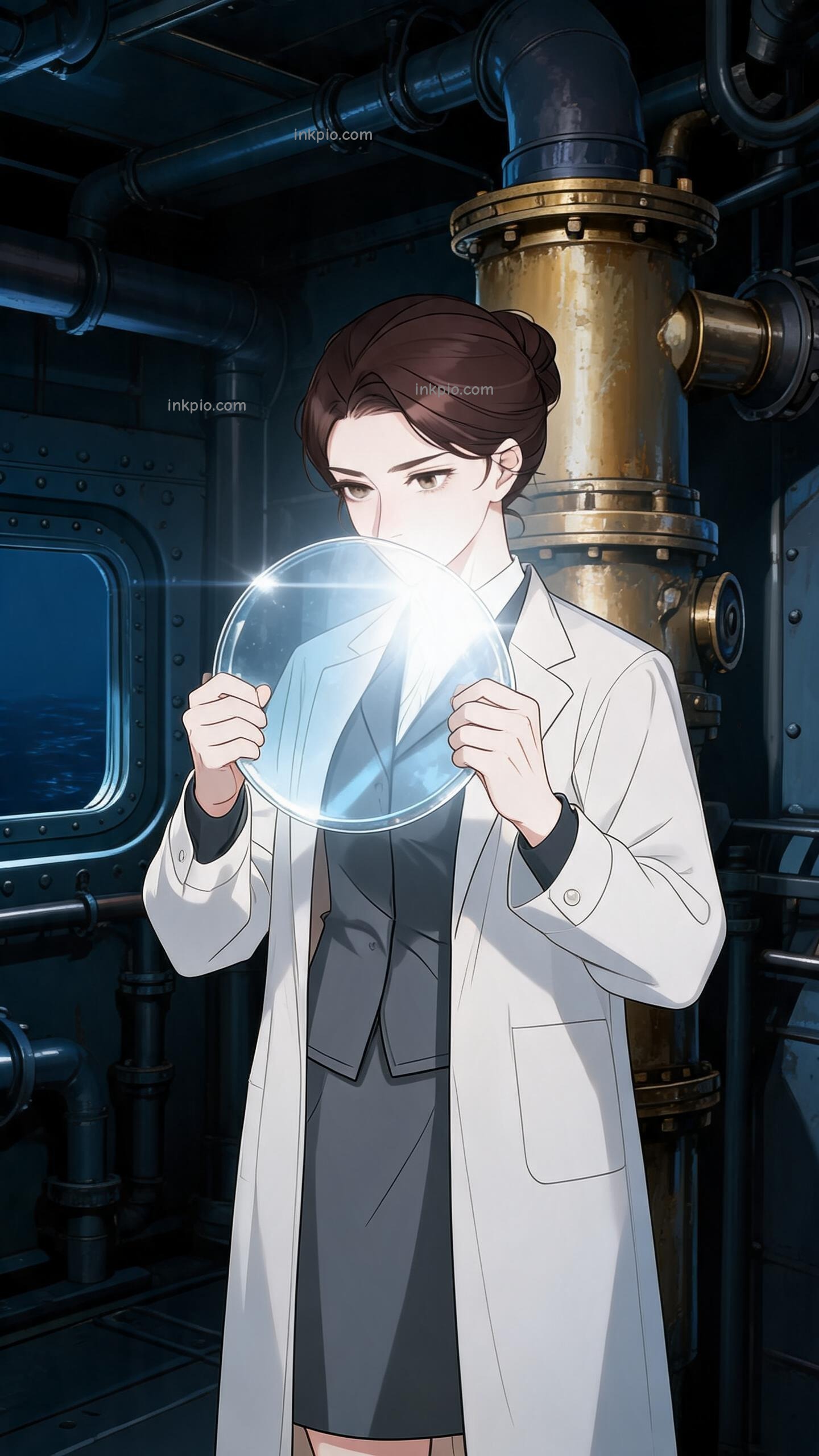
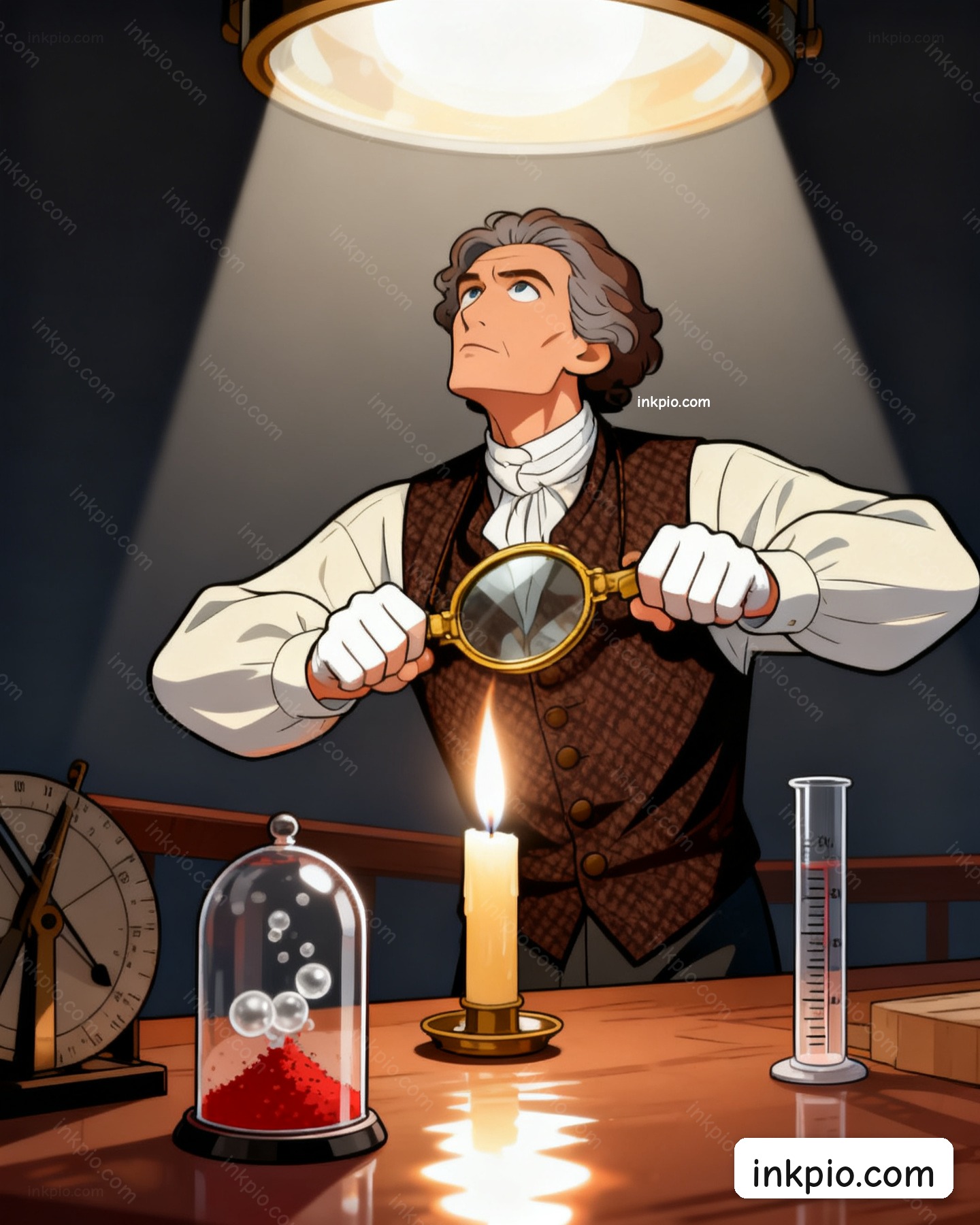
He dragged the glass circle into position and angled it toward the noon sky. A curved lens works like a funnel for light. Instead of letting the sun’s rays spread out, the thick glass bends every beam inward until they crash into a single, tiny spot. He lined that blazing dot right over a pile of red mercury calx. The setup delivered pure heat without adding a single wisp of smoke. Within seconds, the dull red mound started to bubble and hiss.
A clear, invisible stream poured into the collection jar. Priestley didn’t know what he had caught, but he knew exactly how to test it. He dropped a fresh taper into the glass. The flame exploded into a brilliant white glare, burning so fiercely the wax seemed to vanish in seconds. Ordinary air just keeps a fire alive, but this new gas fed the spark like dry tinder. He pulled his hands back, watching the light hold steady.
He grabbed a second test mouse and lowered it into the same jar. The animal didn’t gasp or curl up in the corner. It scrambled to the glass walls, sniffed the empty space, and ran in tight, energetic circles. The heavy powder that once choked a candle now gave a living creature far more breath than it could use. He stepped back from the wooden bench and let his shoulders drop. He called it dephlogisticated air, the substance we now recognize as oxygen, but the name hardly mattered. He had finally bottled a cleaner version of the atmosphere itself.