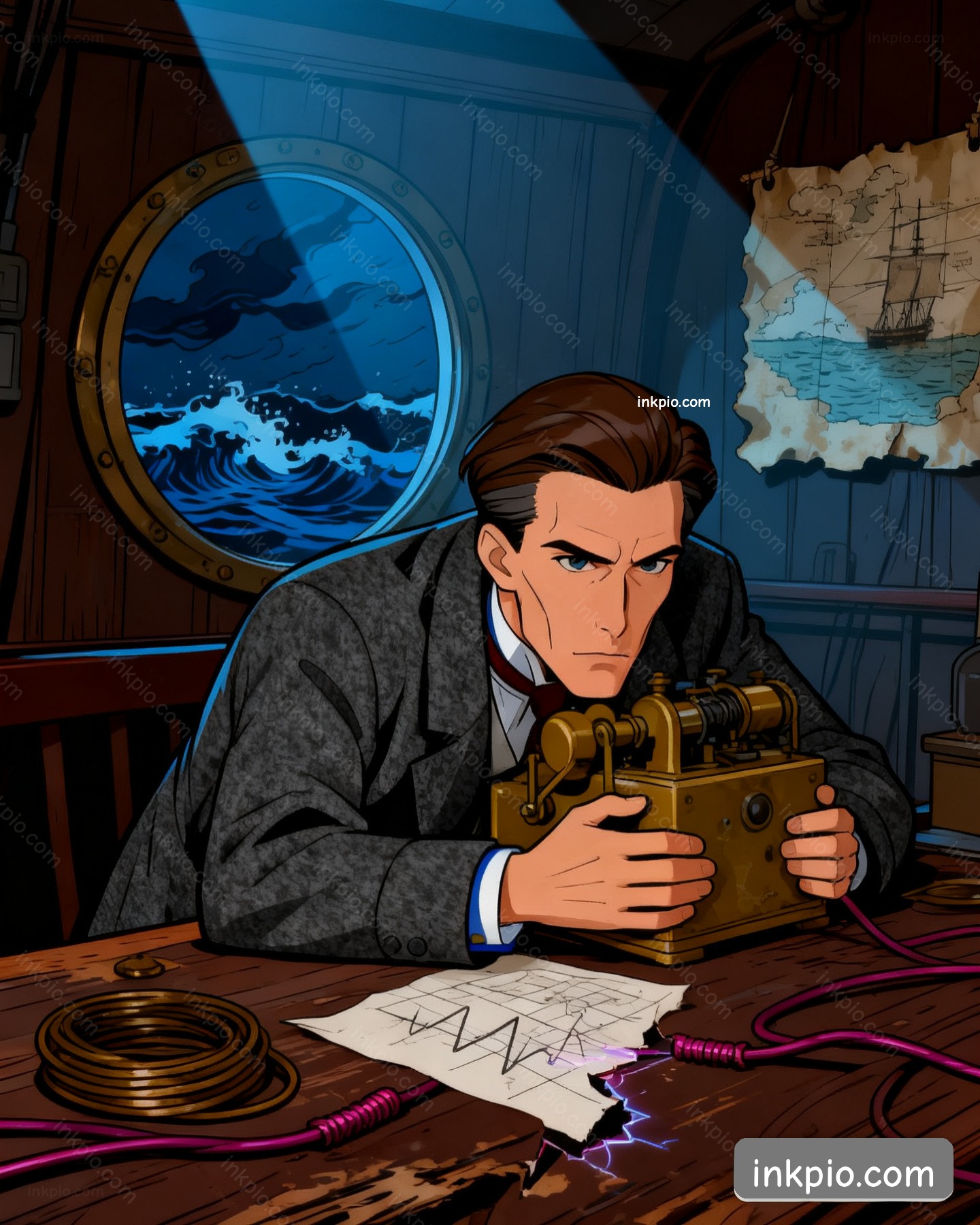

The year was 1858, and the first transatlantic telegraph cable finally rested on the ocean floor. The line refused to talk. Every electrical pulse sent from Europe arrived across the water as a sluggish, barely-there trickle. William Thomson stared at his heavy brass receiver, waiting for the iron needle to twitch. The weak charge drowned in the friction of the coil and simply jammed against the brass stops. Investors were already pulling their funding, and the engineers on board the ship started talking about cutting the line.
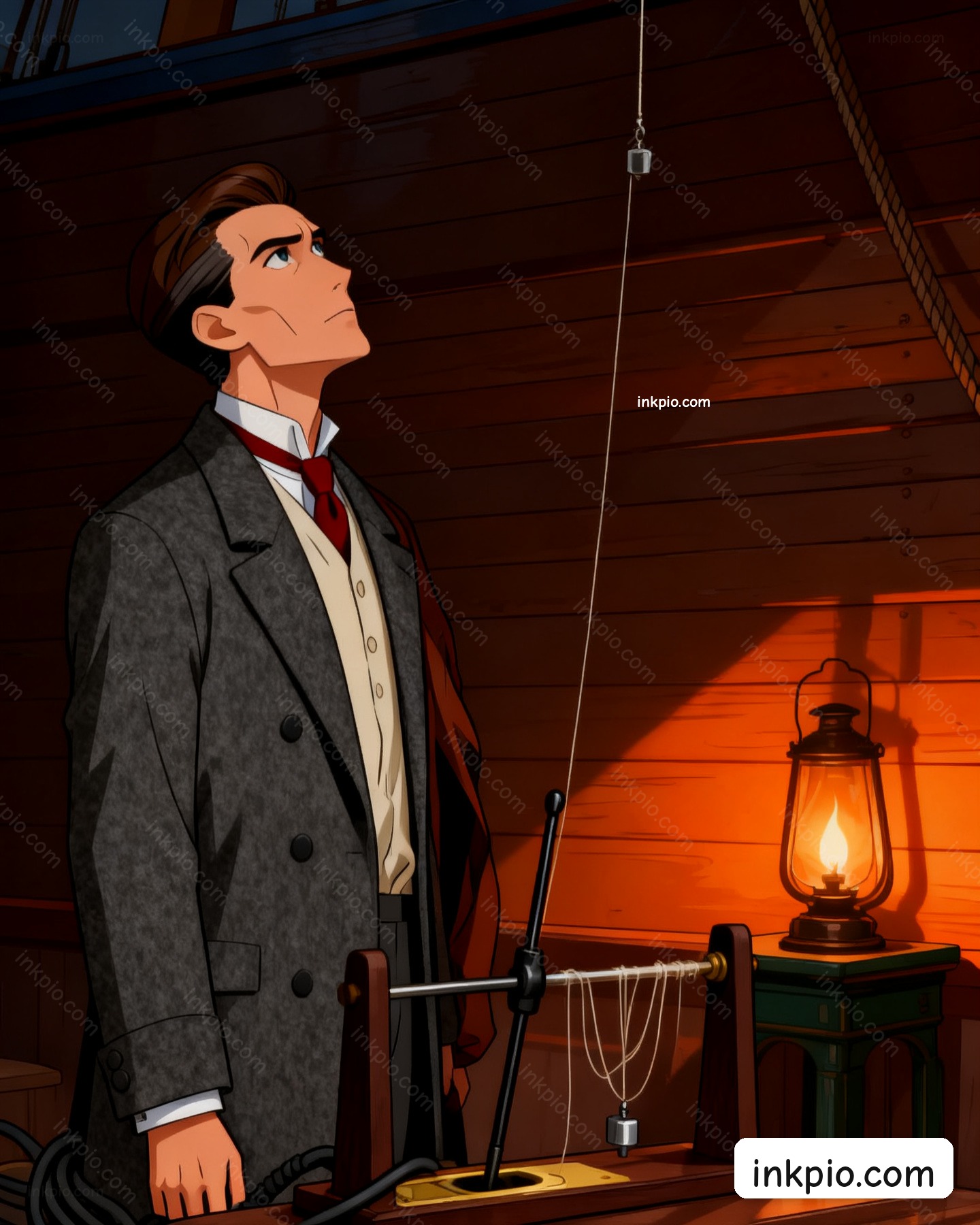
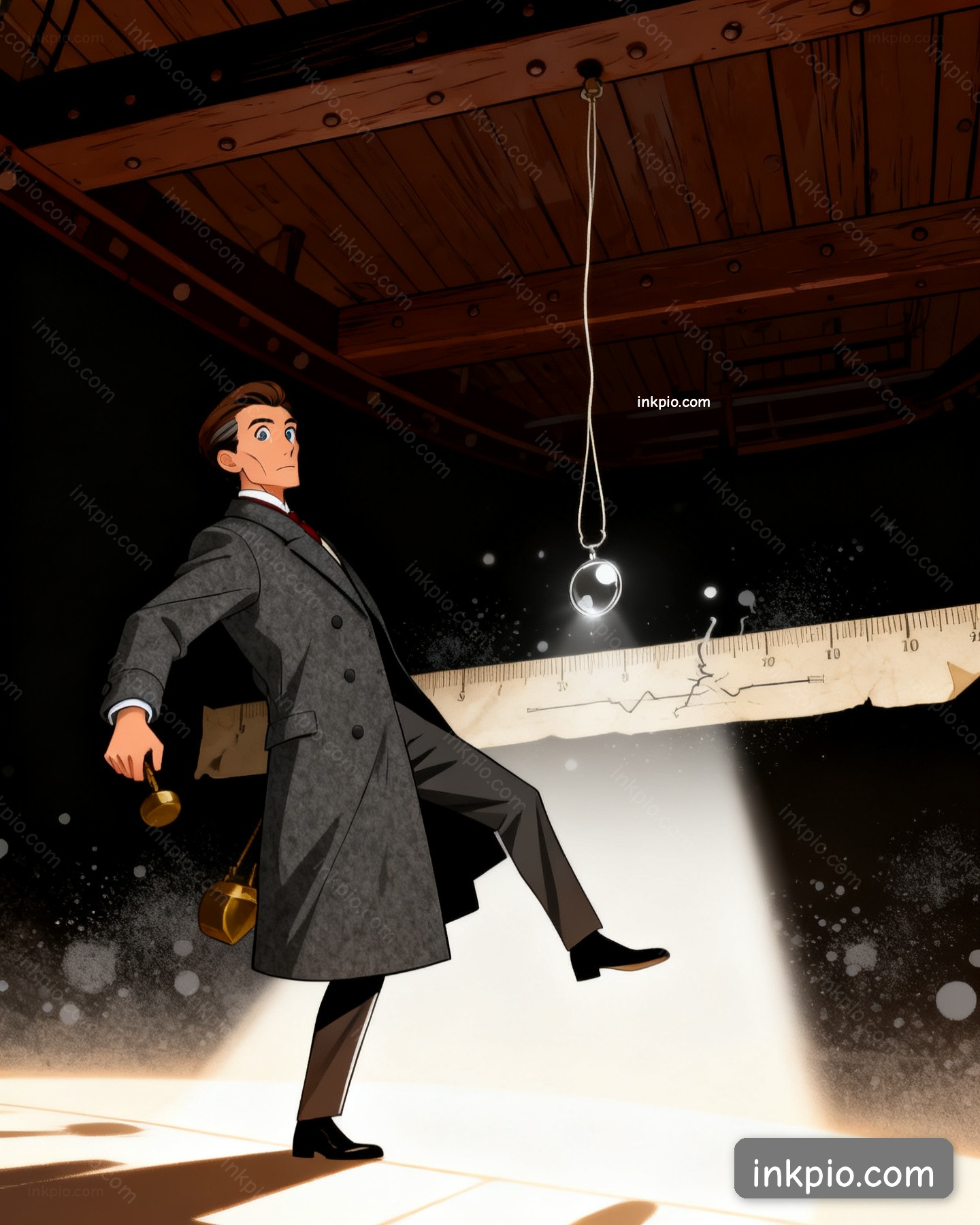
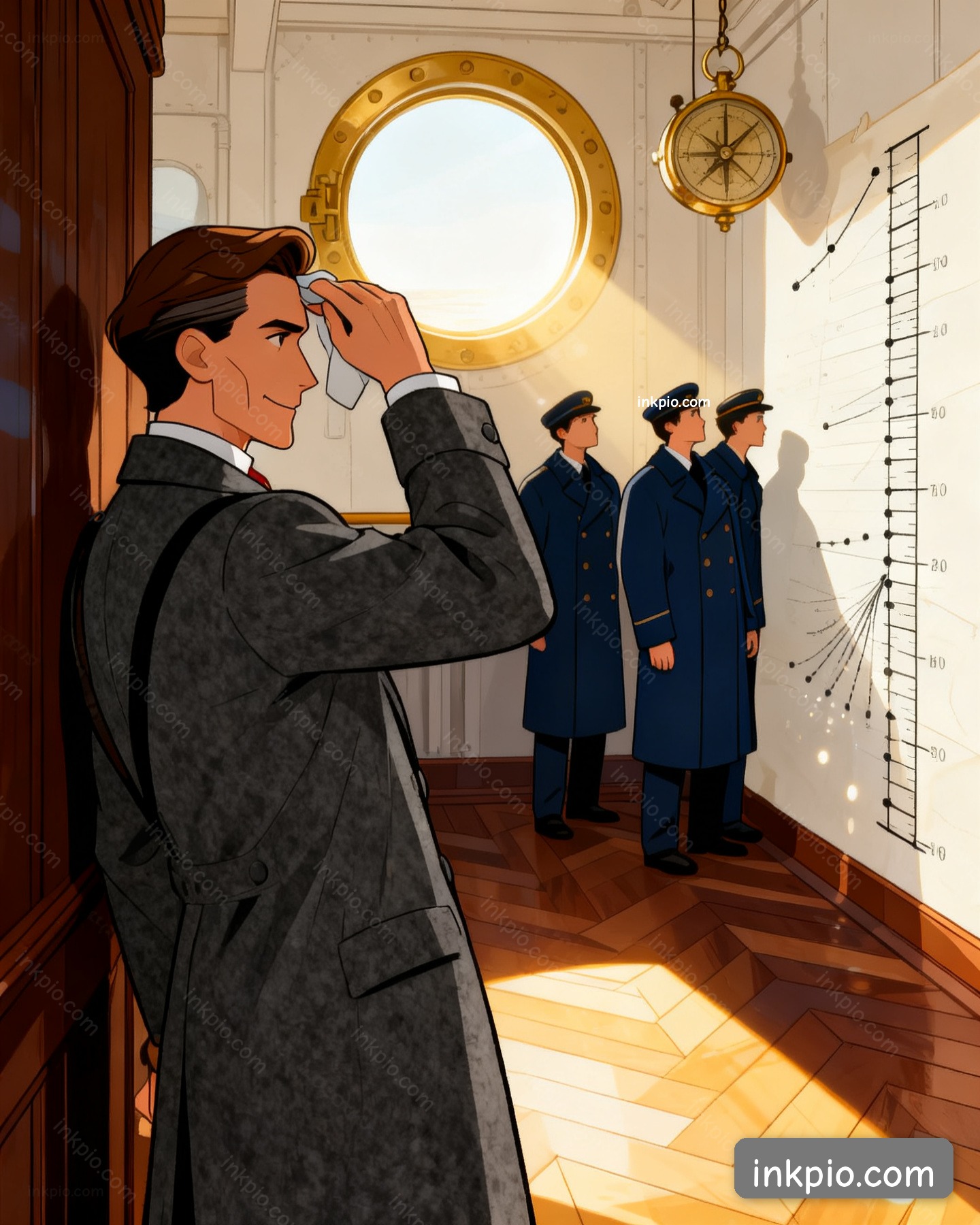
Thomson tossed the bulky coils aside. In 1858, he invented the mirror galvanometer specifically to catch those capacitance-slowed signals. The device replaced heavy mechanical needles with a suspended magnetized mirror, hanging it from a single silk thread. He set an oil lamp to hit the glass, then aimed the reflection at a paper scale. Think of it like a long lever pushing a heavy door. The mirror itself barely moved when the current passed through, but the light beam crossed the entire cabin before striking the wall. That extra travel stretched the microscopic electrical nudge into a wide, readable sweep. The optical lever amplified the invisible deflection into a clear light movement.
He sent a test pulse through the submerged wire. The light dot on the wall leaped sharply, held steady, then jumped again in a perfect rhythm. It traced clean Morse code right onto the paper without missing a beat or sticking to the frame. Sailors and operators crowded around the bulkhead, watching the beam spell out words from Newfoundland. Thomson dropped his hands to his sides and exhaled. The heavy iron machinery had fought the ocean’s resistance, but the light simply rode the current. The project stayed alive, and the Atlantic finally had a voice.