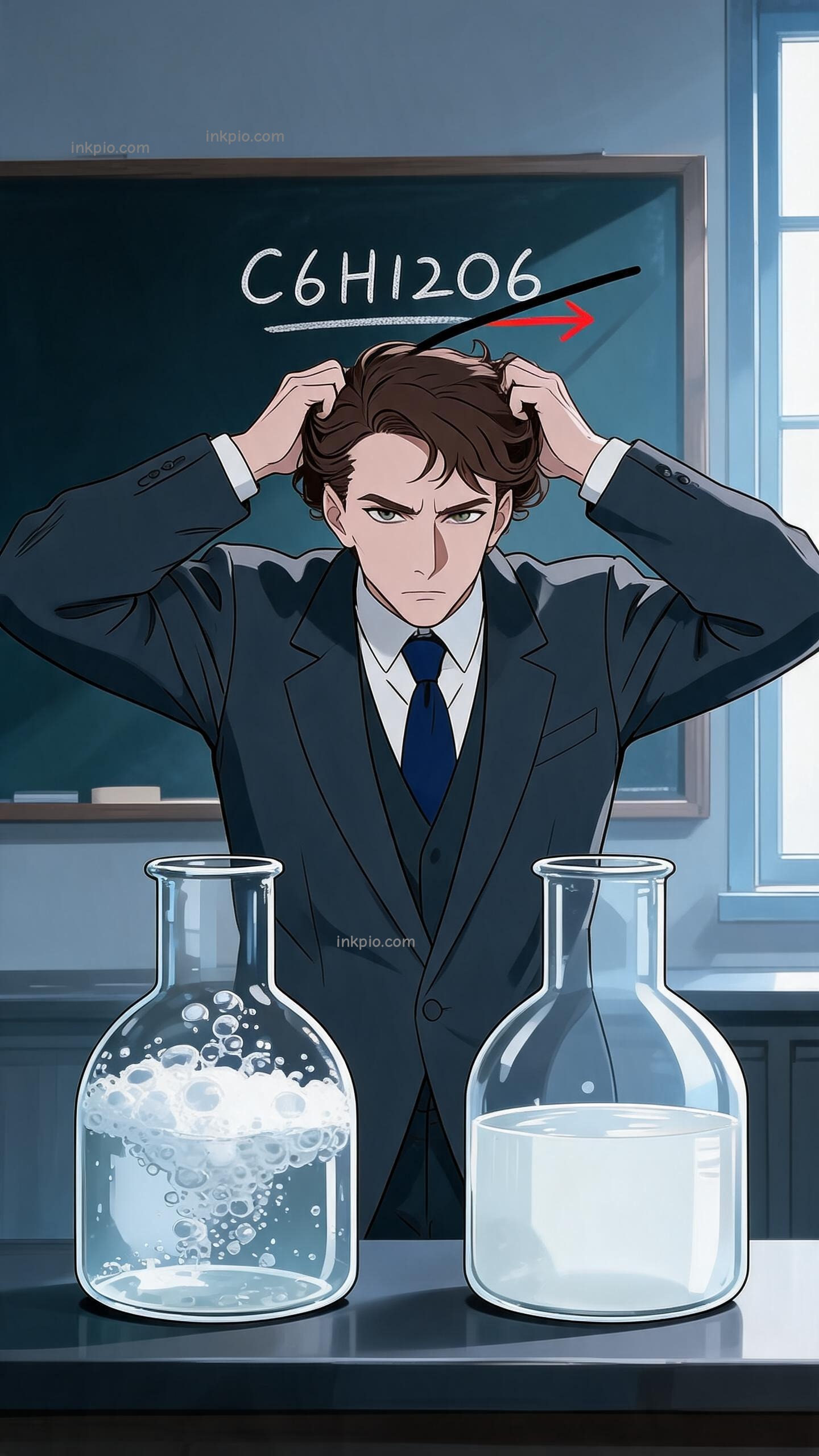


The air in Charles Goodyear’s kitchen didn’t just smell of sulfur; it smelled of failure. Summer heat turned the raw rubber blocks on his table into a sticky, foul-smelling sludge that clung to his fingers like guilt. In winter, the same material snapped with the brittle violence of shattered glass. To the world, rubber was a cruel joke—a material that promised elasticity but delivered only seasonal chaos. For Goodyear, it was a prison sentence he couldn't escape.
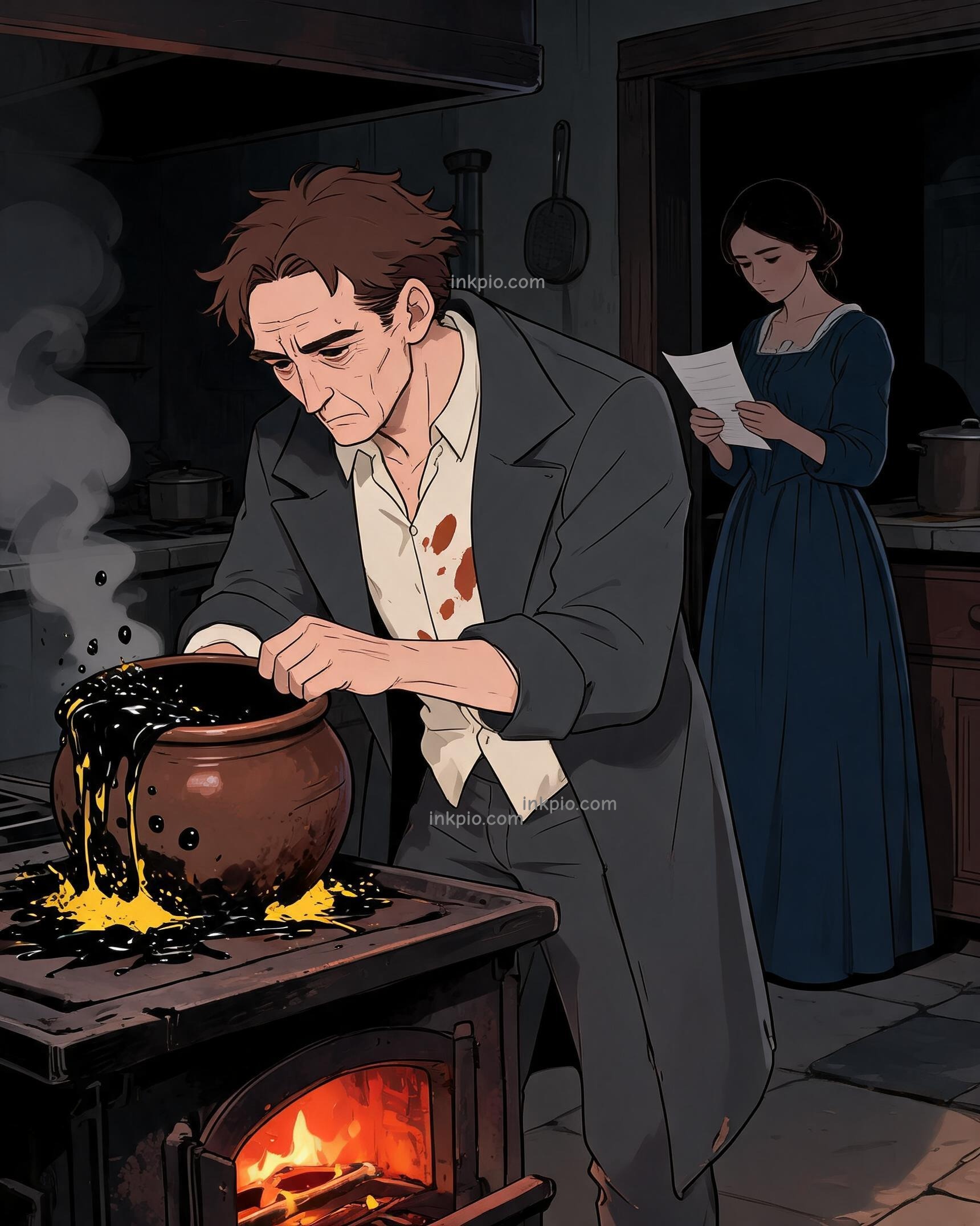
Creditors didn't just knock; they pounded on his door until the wood splintered. His family watched him dissolve alongside his finances. He wasn't merely experimenting; he was fighting for dignity in a room that felt smaller every day. The yellow sulfur powder coated everything—his clothes, his beard, the cracks in the floorboards. It was a constant, choking reminder of the one ingredient he couldn't get right. Neighbors whispered about the madman boiling black goo while his children went hungry. He heard them. He kept boiling.
By 1839, desperation had sharpened into a dangerous obsession. Goodyear moved through his cluttered lab like a ghost, eyes fixed on the bubbling pots. He had tried mixing rubber with everything from magnesia to nitric acid. Each failure cost him another piece of his reputation, another night in debtor’s prison. The walls of his mind were closing in, mirroring the confinement of the jail cells he knew too well. Yet, he couldn't stop. The idea that nature held a secret lock, and he held the key, kept him awake when exhaustion should have claimed him.
Then came the moment that wasn't planned. It was a clumsy accident, born of fatigue and frantic motion. A sample of rubber, heavily coated in sulfur, slipped from his trembling hands. It landed squarely on the red-hot cast-iron stove. Goodyear flinched, expecting the familiar hiss of melting waste, the rise of acrid smoke that signaled another defeat. He waited for the puddle.
But the puddle never came.
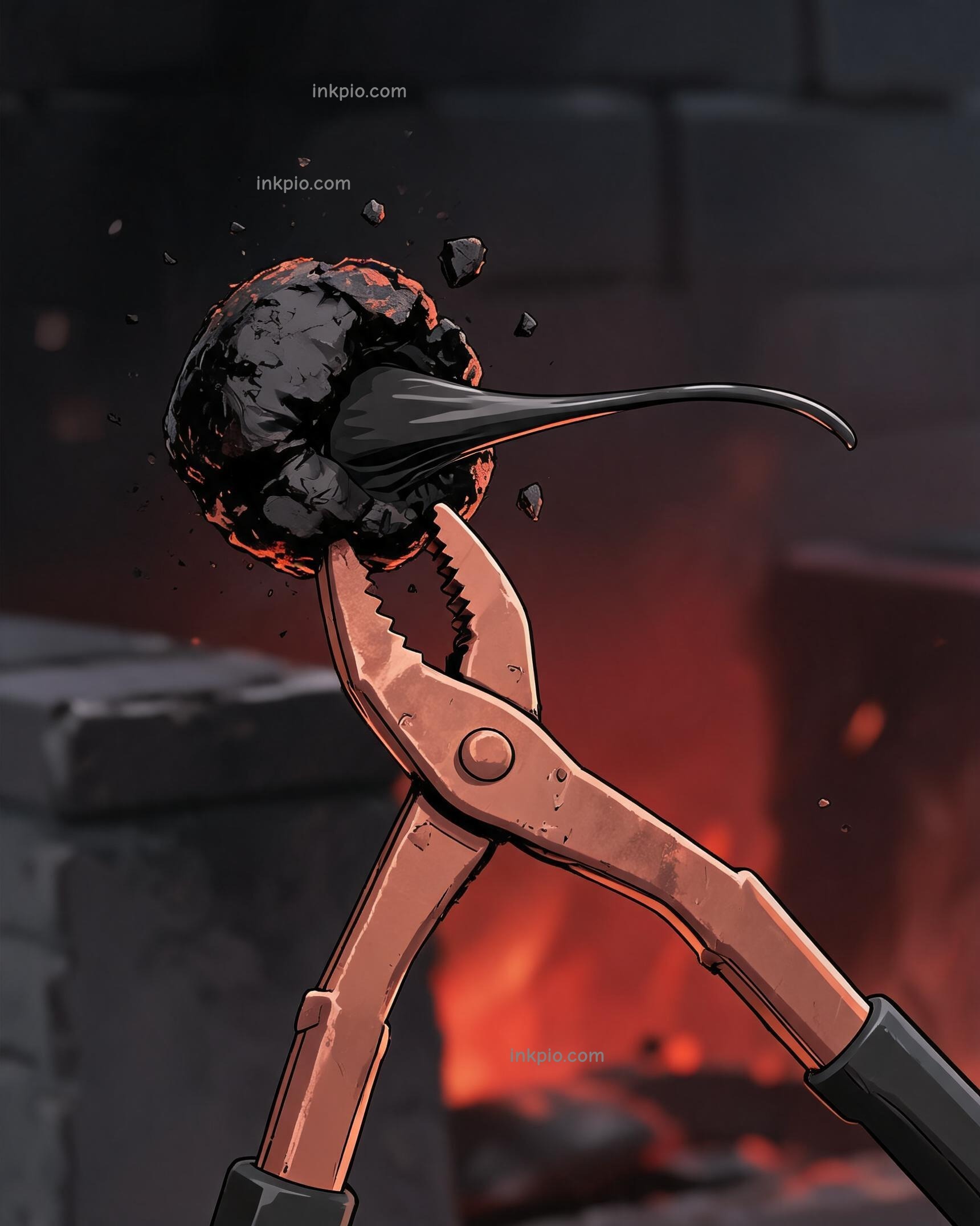
Instead of dissolving into a stinky mess, the rubber charred. It blackened, yes, but it held its shape. Heart pounding against his ribs, Goodyear reached for the tongs. His hands shook not from fear this time, but from a sudden, terrifying hope. He pulled the scorched fragment. It stretched thin, defying the heat that should have destroyed it. When he released the tension, it snapped back instantly, perfectly elastic. The material hadn't melted; it had transformed.
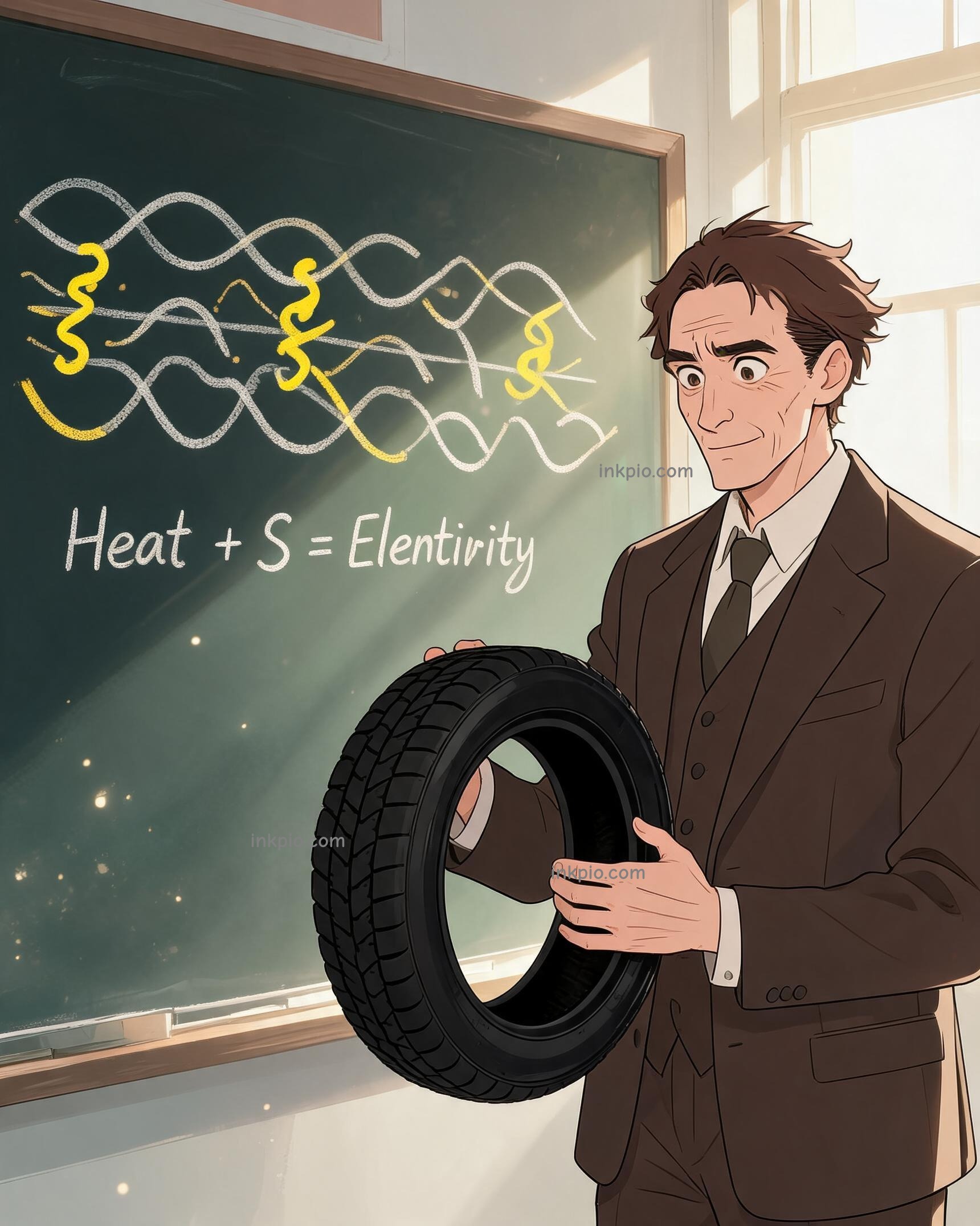
In that silent kitchen, the chemistry clicked into place. Raw rubber molecules were like a bowl of cooked spaghetti—slippery, sliding past each other when warm, locking up stiff when cold. The heat and sulfur had acted as microscopic staples, creating invisible cross-links between the molecular chains. These chemical bridges pinned the 'noodles' together, allowing them to stretch without sliding apart permanently. The chaos was ordered. The weakness was fortified.
Goodyear stared at the blackened scrap. It wasn't just a piece of rubber anymore; it was proof. Years of ruin, humiliation, and empty pockets culminated in this single, scorched object. He finally understood the mechanism: baking the mixture locked the molecular structure in place. "The application of sulphur to rubber, with the application of heat, is the secret," he would later declare, but in that moment, words felt insufficient. The secret was in the texture, the resilience, the refusal to break.
By 1844, US Patent 3633 secured his method, formally mixing sulfur and lead oxide under high heat. But the patent paper couldn't capture the weight of that afternoon. The bouncy novelty had become industrial armor, tough enough to seal steam engines and hold carriages to the road. Goodyear held a piece of the vulcanized material, running his thumb over its rough, stable surface. The sticky mess was gone. In its place was something enduring, something that could withstand the heat of the world without losing its shape.