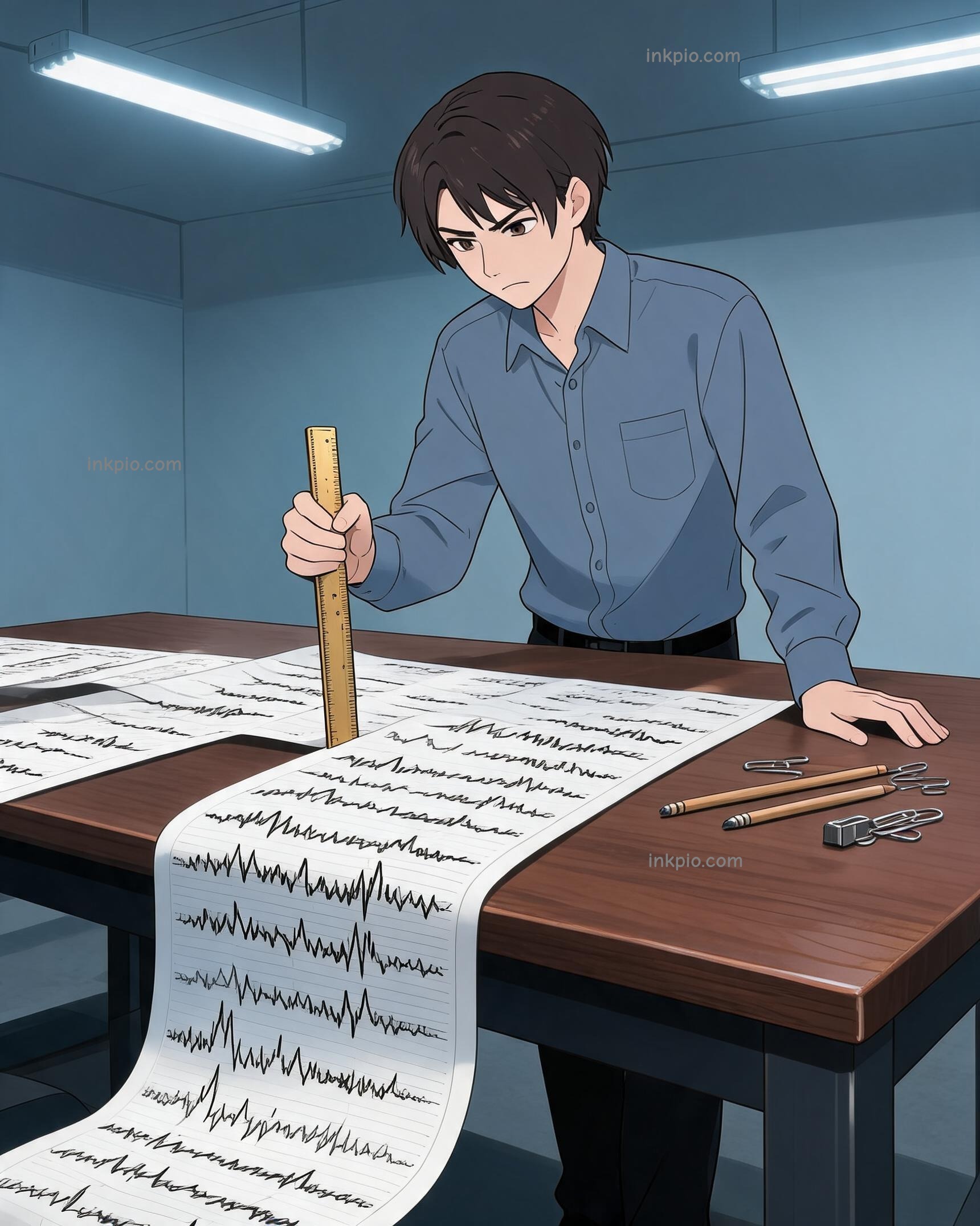
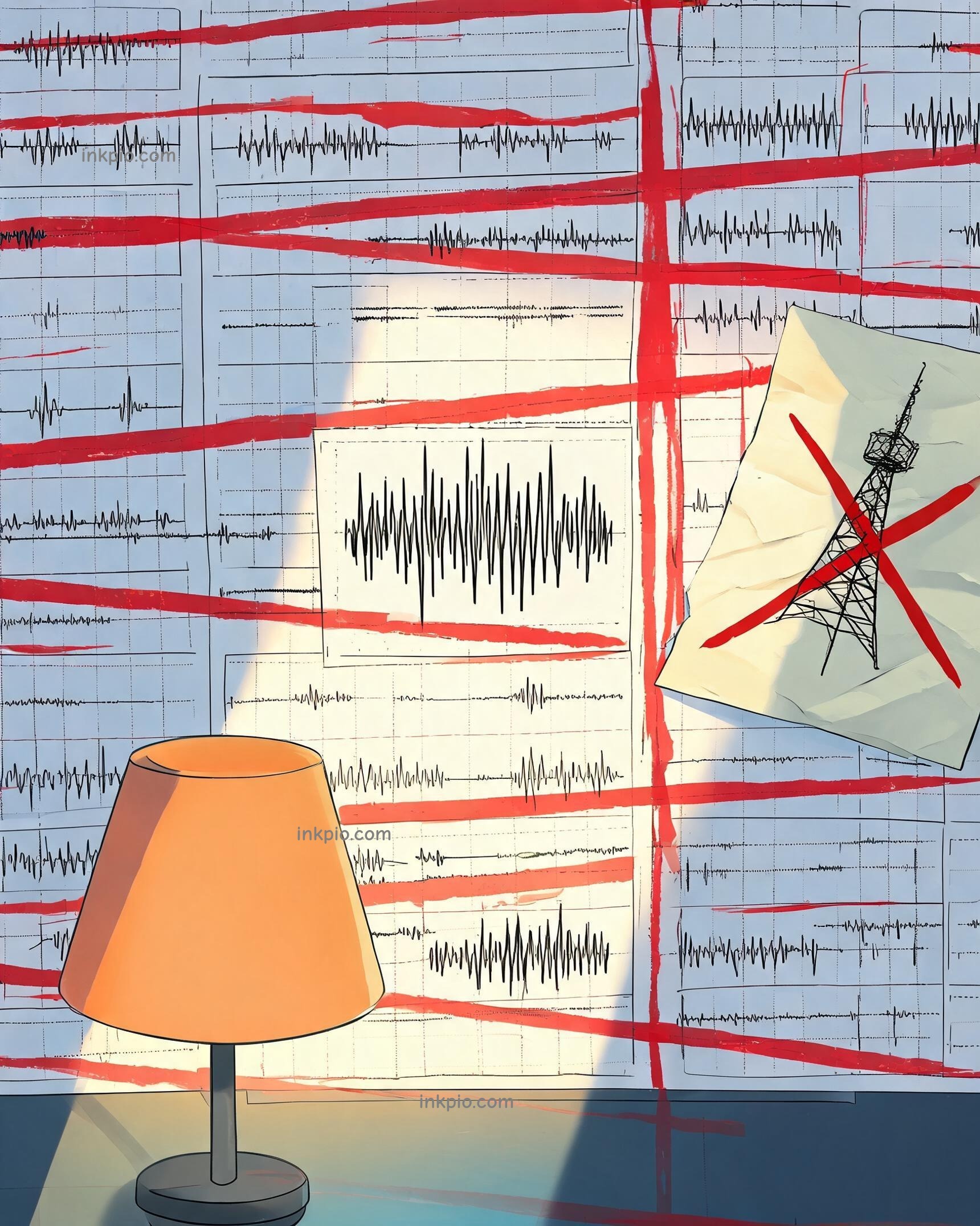

The chart rolls kept spilling out of the receiver, covering the wooden desk in endless zigzag trails. Jocelyn Bell Burnell ignored the draft in the lab and started scanning the miles of static. The setup was supposed to catch faint radio whispers from distant galaxies, but the machine mostly spit out terrestrial noise. Most of the paper went straight to the trash.
One stubborn patch refused to disappear. It showed up in the exact same spot on the feed, day after day. She grabbed a heavy brass ruler and pressed it flat against the paper, measuring the space between the sharpest spikes. The marks lined up perfectly. Every single pulse sat exactly 1.337 seconds from the last one. Passing trucks or flickering power lines never keep that kind of schedule. She had found a steady rhythm hiding in the noise.
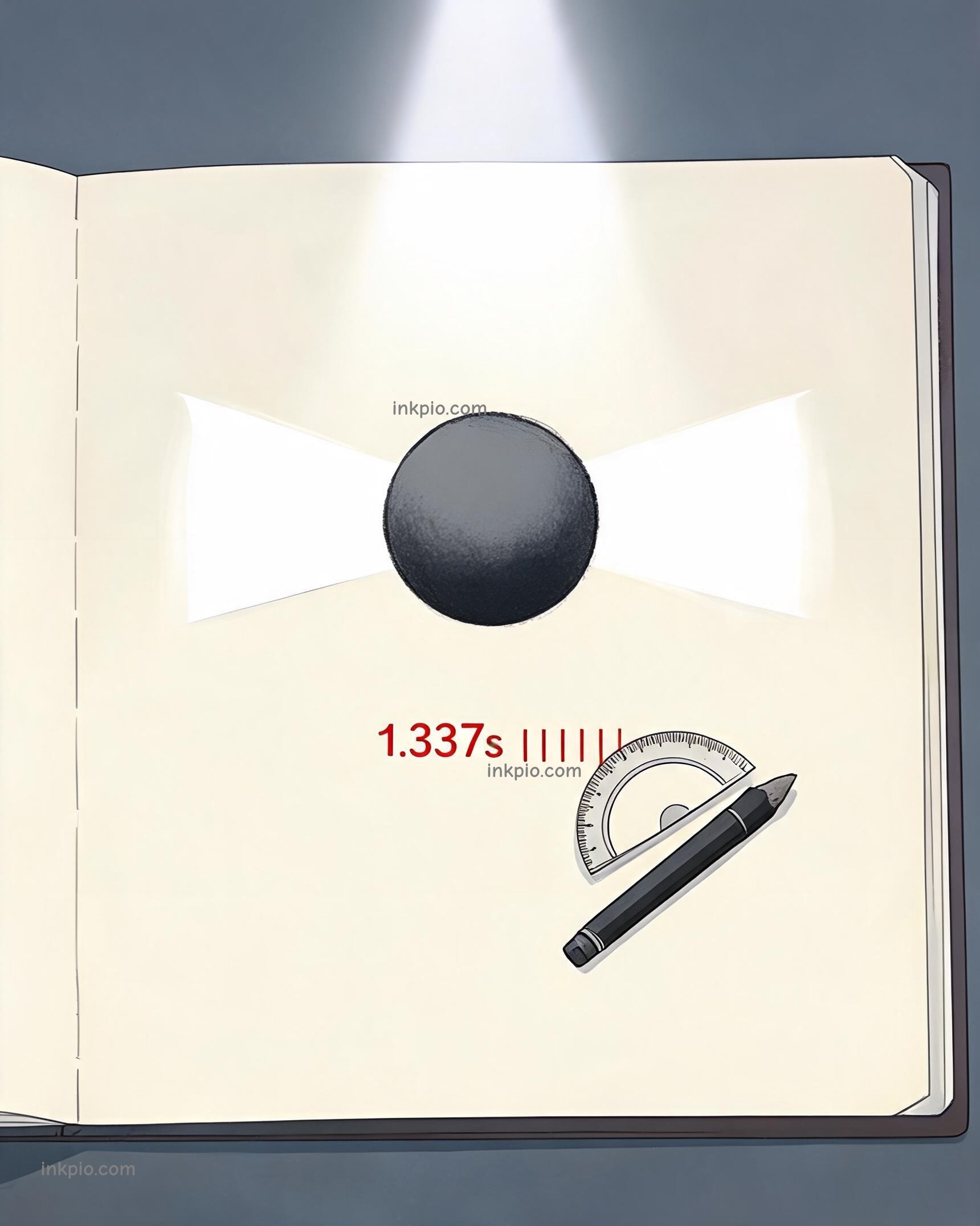
She needed a physical model to explain a metronome ticking in deep space. She took the ruler measurement as her starting point and worked backward through basic physics. Think of a figure skater pulling their arms tight to spin faster. When a massive star runs out of fuel, its core collapses into an object no wider than a city. Conservation of angular momentum forces it to whip around in fractions of a second. A narrow beam of radiation shoots out from its magnetic poles. Each rotation sweeps the beam past Earth, turning a spinning dead star into a flashing beacon. The input was the time gap. The operation was matching that gap to a rotational speed. The output proved the source was extraterrestrial.
Jocelyn Bell Burnell discovered the first pulsar in 1967 using the Interplanetary Scintillation Array at Cambridge. The signal repeated at a precise period of 1.337 seconds, later identified as a rapidly rotating neutron star. She sketched the sweeping beam in a fresh notebook, lining up the geometry with a neat timeline. The discarded drafts and slashed hypothesis sheets on the floor finally clicked into place.
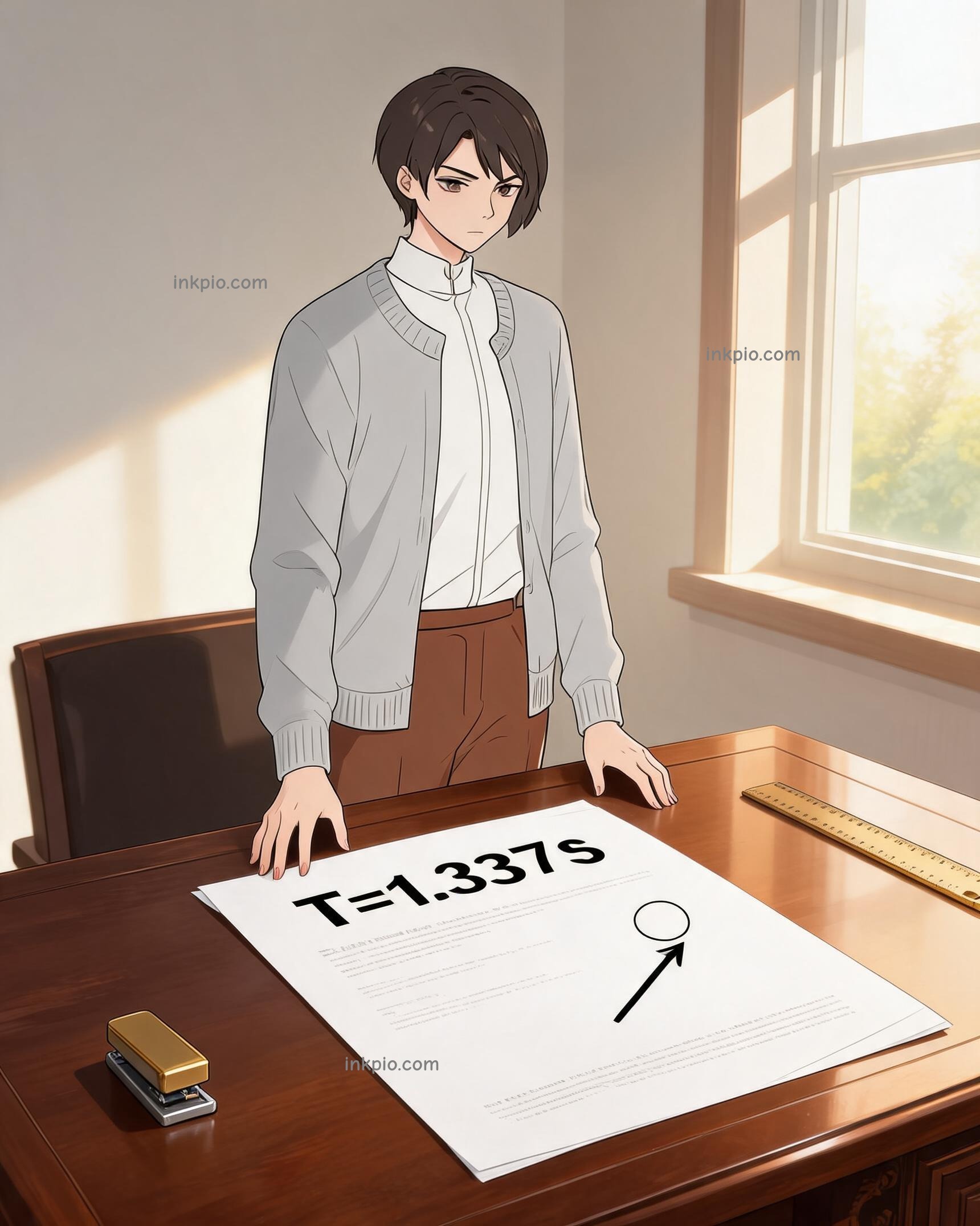
Golden morning light finally pushed past the blinds and washed over the cleared desk. She rested her hands on the finished diagram, letting the quiet hum of the cooling equipment settle into the room.