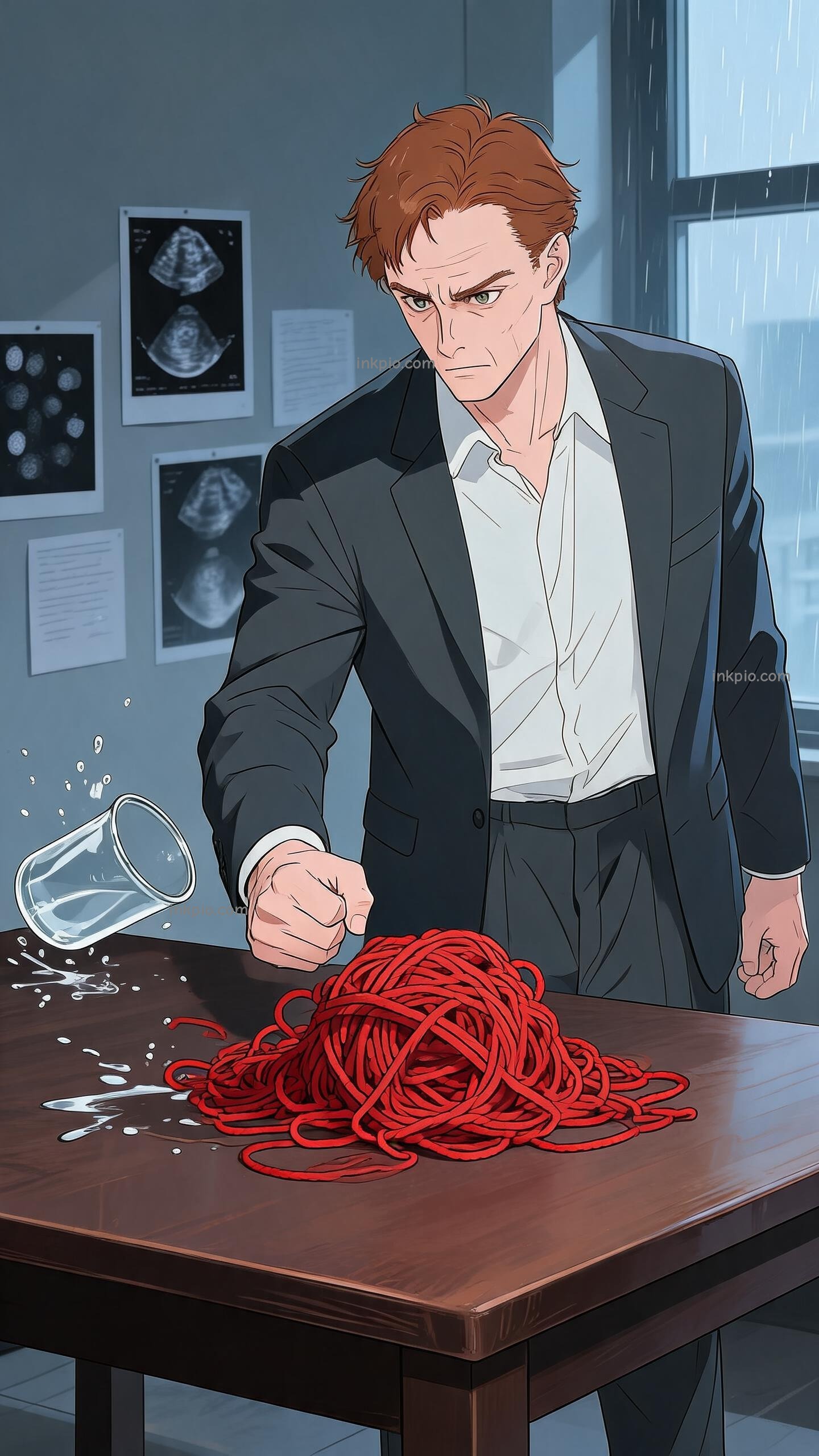
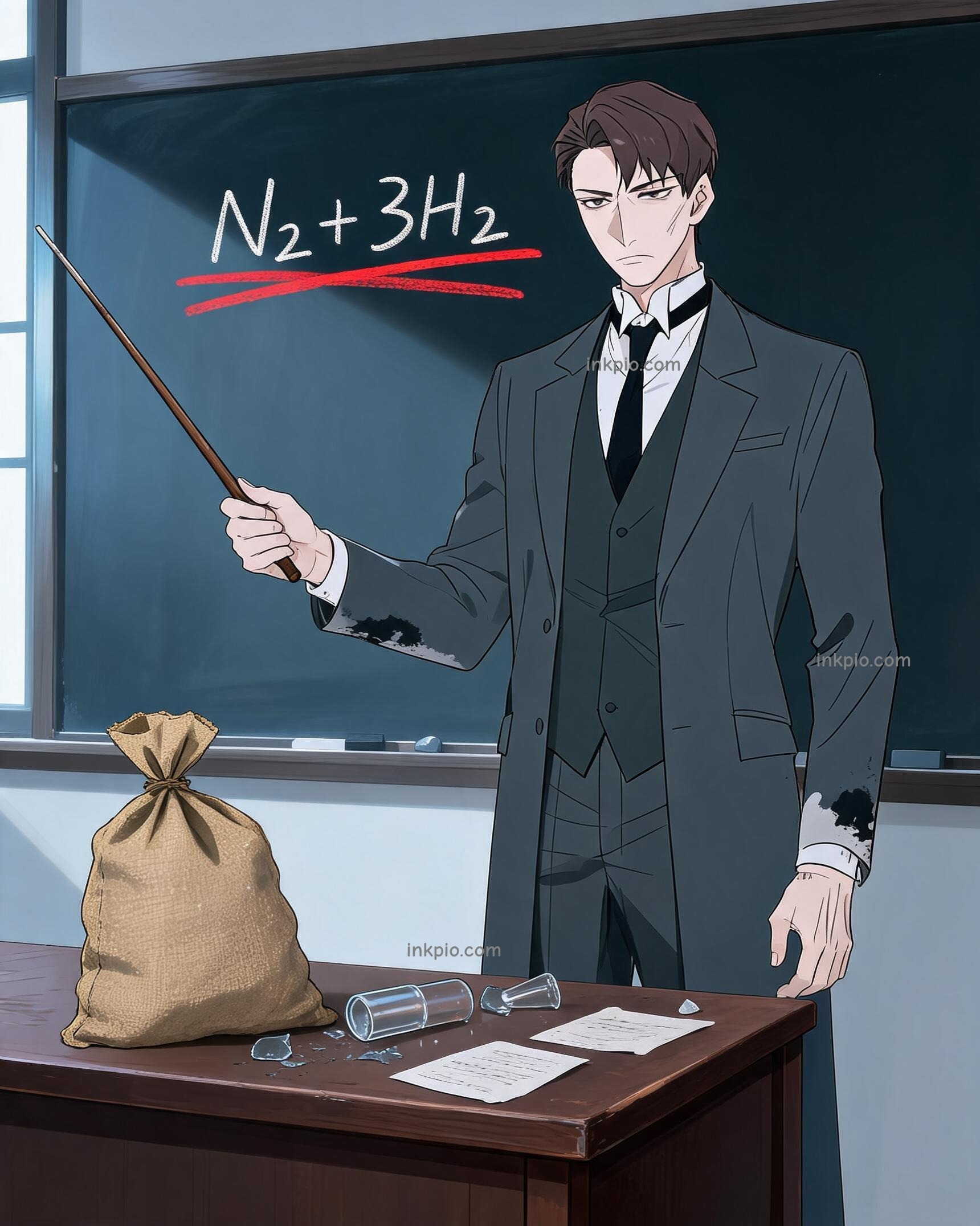

Fritz Haber stared at the empty burlap sack on his workbench. It wasn't just empty; it was a verdict. Across Europe, the soil had turned to dust, exhausted by decades of farming that stripped the land bare. The natural nitrate deposits from remote islands were gone, scraped clean by desperate merchants. In cities, bread lines grew longer, and the silence in dining rooms became heavier. Haber knew the clock was ticking louder than the hum of his equipment. If he couldn't pull food from the air, millions would starve before the next harvest.
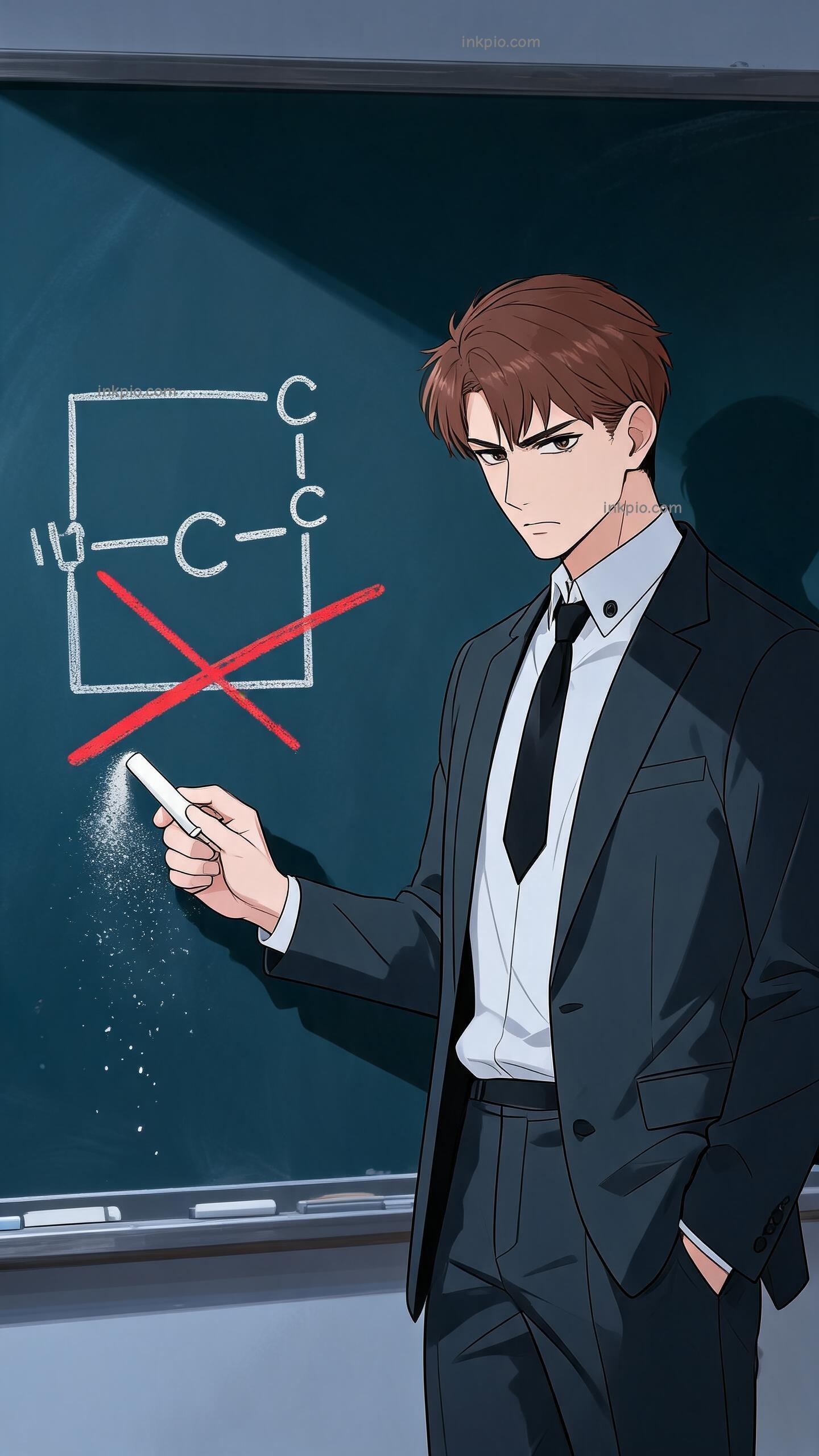
The solution floated invisibly around him, mocking his inability to grasp it. The atmosphere is seventy-eight percent nitrogen, an ocean of potential life. But nitrogen atoms are stubborn lovers, locked in a triple-bond embrace so tight that no ordinary force can break them. They refuse to mix with hydrogen, drifting past each other like ghosts. For years, Haber tried gentle persuasion, using low pressures and delicate glass tubes. The result was always the same: shattered glass and failure. The gases simply bounced off one another, indifferent to his urgency.
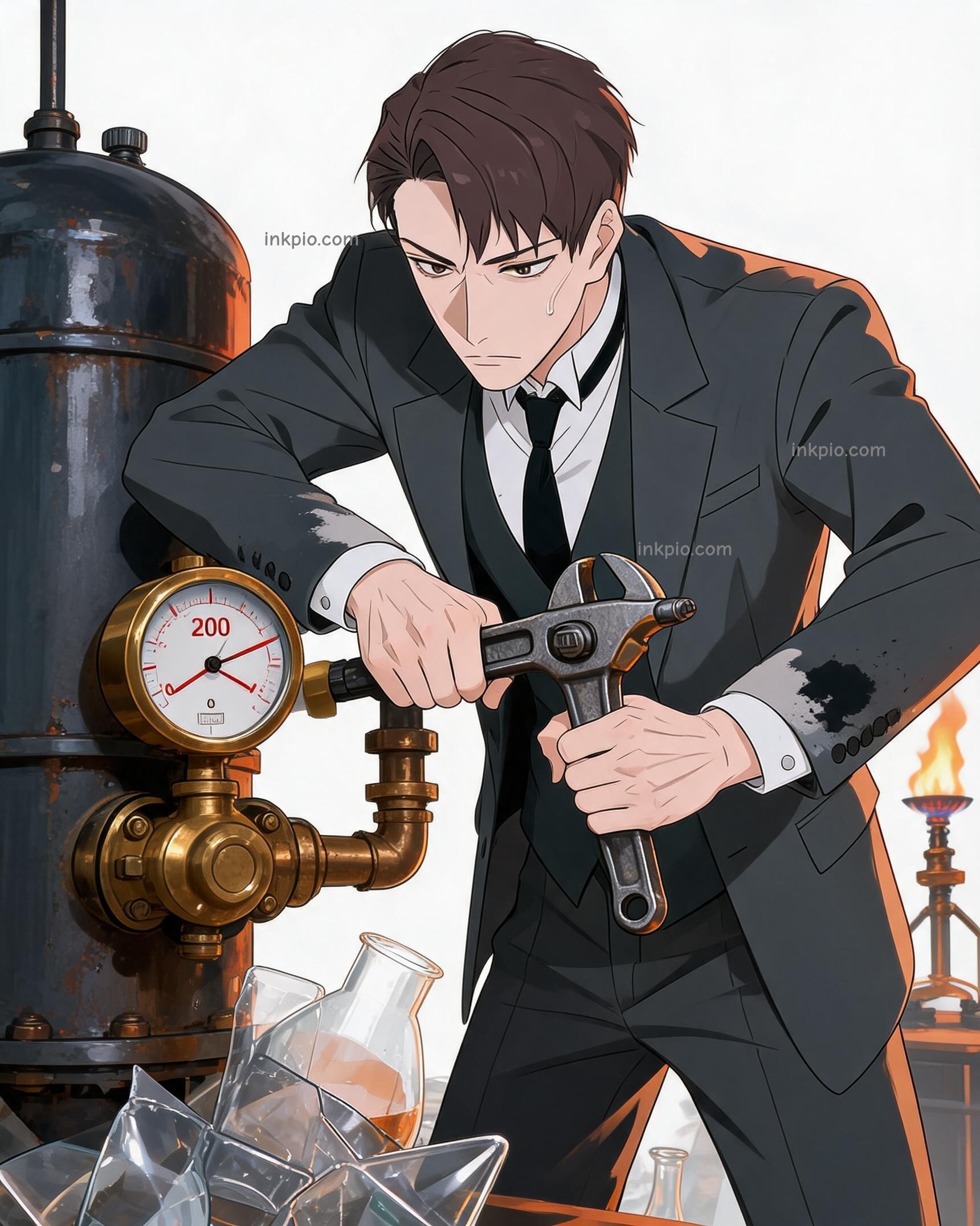
He stopped trying to be gentle. If nature refused to yield, he would have to take what he needed by force. He imagined the gas molecules not as particles, but as stubborn mules that needed to be corralled. He designed a reactor that looked less like scientific equipment and more like a bank vault. Thick iron plates replaced the fragile quartz. A heavy steel vessel sat ready, lined with osmium dust. This rare metal would act as a wedge, catching the nitrogen atoms the moment their bonds snapped, holding them long enough for hydrogen to slip in.
The laboratory felt cold, despite the heat radiating from the furnace. Haber turned the brass valve, his hand steady but his heart hammering against his ribs. The pressure gauge climbed. Fifty atmospheres. One hundred. The steel groaned under the strain, a low metallic whine that vibrated through the floorboards. At two hundred atmospheres, the gas molecules were crushed into a frantic crowd, forced so close together that they could no longer ignore each other. Heat pumped into the chamber, attacking the weakened bonds. Inside that dark, pressurized hell, the impossible chemistry began to churn.
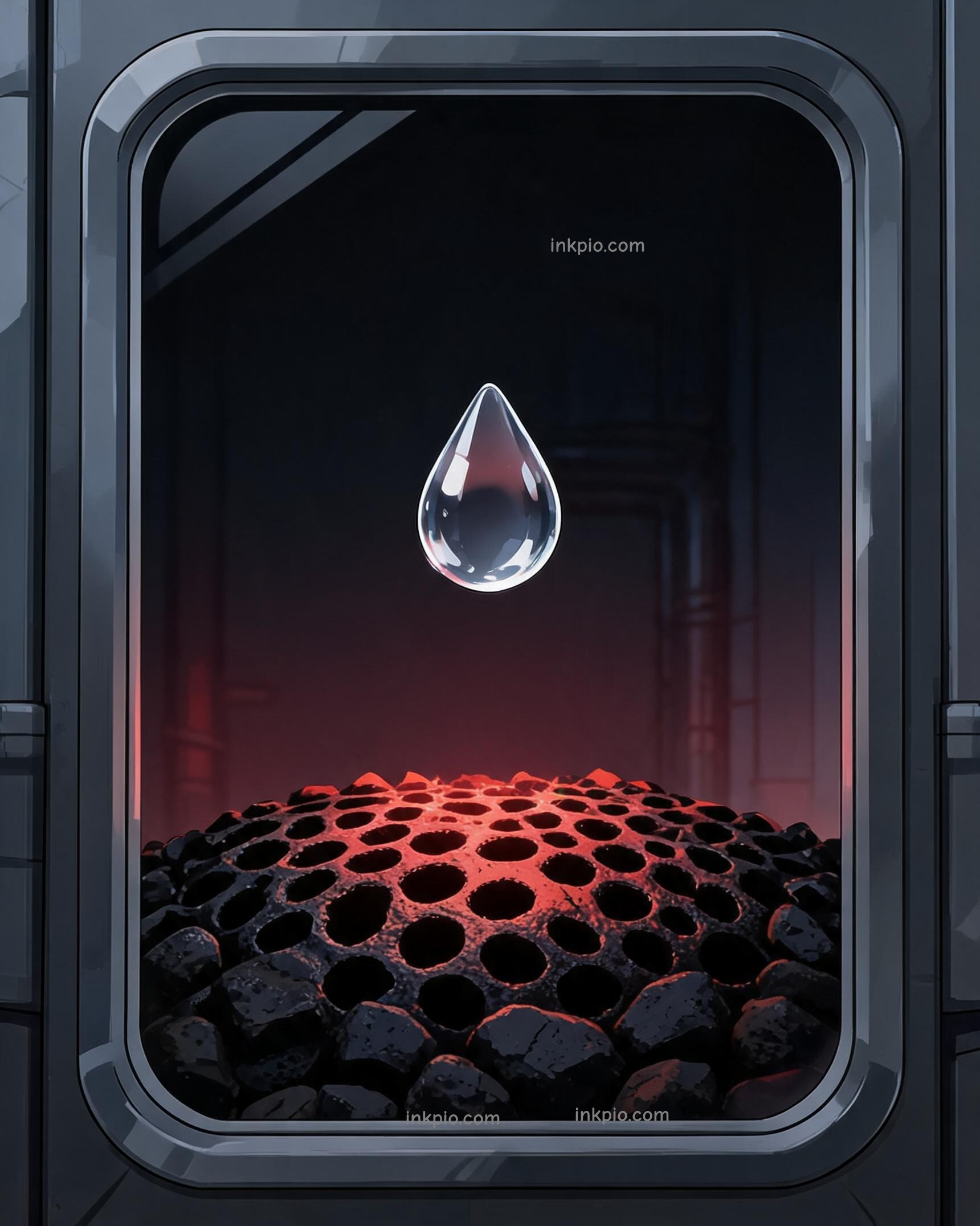
His assistant stood by the door, arms crossed, watching the man who had bet his career on brute force. No one spoke. The only sound was the hiss of gas and the rhythmic ticking of the cooling system. Haber didn't look up. He watched the small quartz window on the reactor, his eyes burning from fatigue. He had failed so many times that success felt like a myth. But then, a change occurred. Not an explosion, not a flash of light, but something quiet and terrifyingly small.
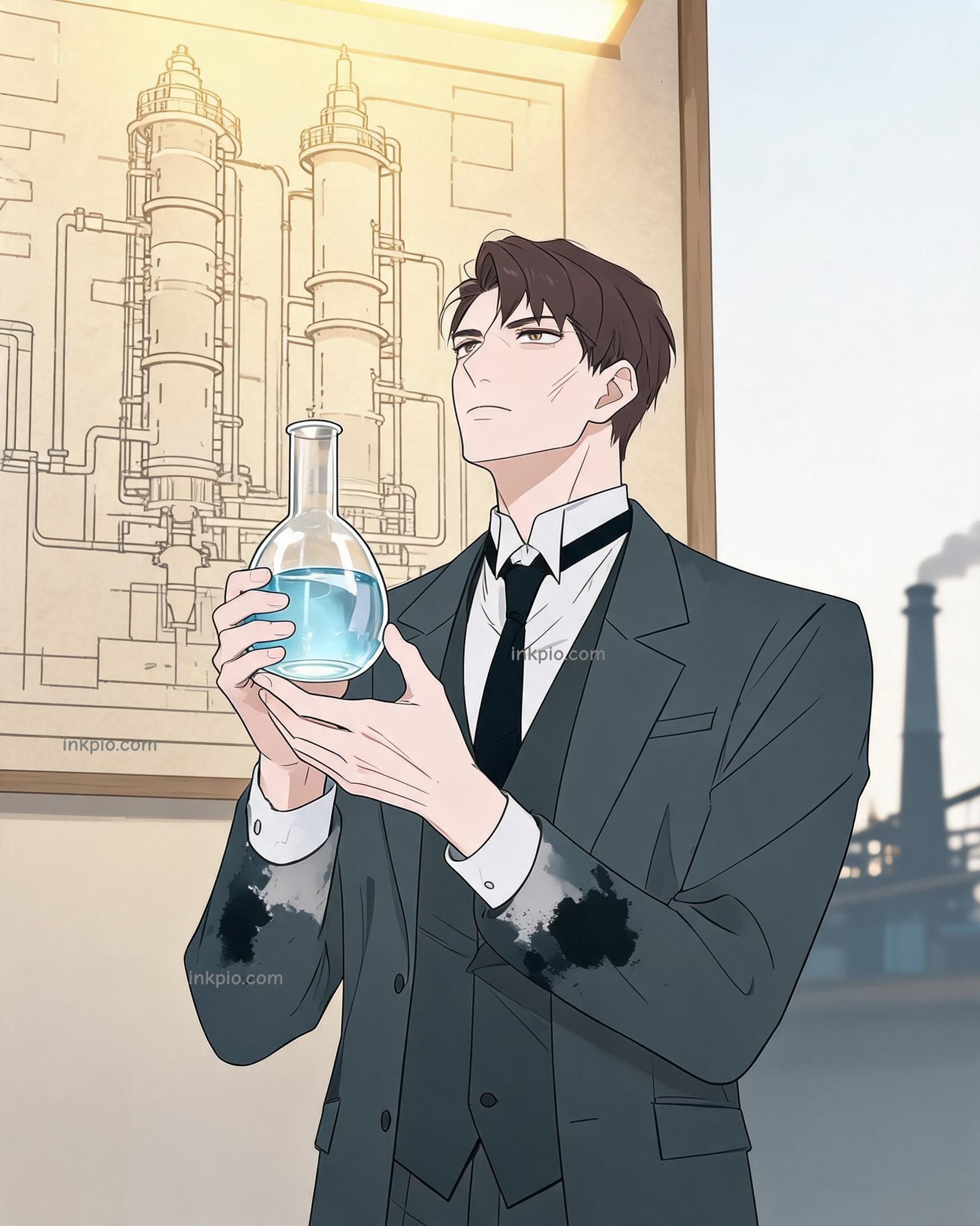
A single drop of clear liquid condensed on the cool glass. It hung there, defying gravity and expectation. Ammonia. He had forged fertilizer from thin air. The drop slid down the window, leaving a faint trail, proof that the sky could indeed feed the earth. Haber let out a breath he didn't realize he had been holding. His hands trembled, not from fear, but from the sudden release of years of tension. He capped the flask carefully, treating it like a holy relic.
He turned away from the reactor and walked to his drafting table. The relief was short-lived, replaced immediately by the weight of scale. One drop was a miracle; tons were a necessity. He picked up his pencil, the graphite scratching loudly in the quiet room. He began to sketch towers, massive industrial structures that would stretch across the horizon, pumping life into the starving soil. Outside, the night was dark, but in his mind, he already saw the fields turning green.