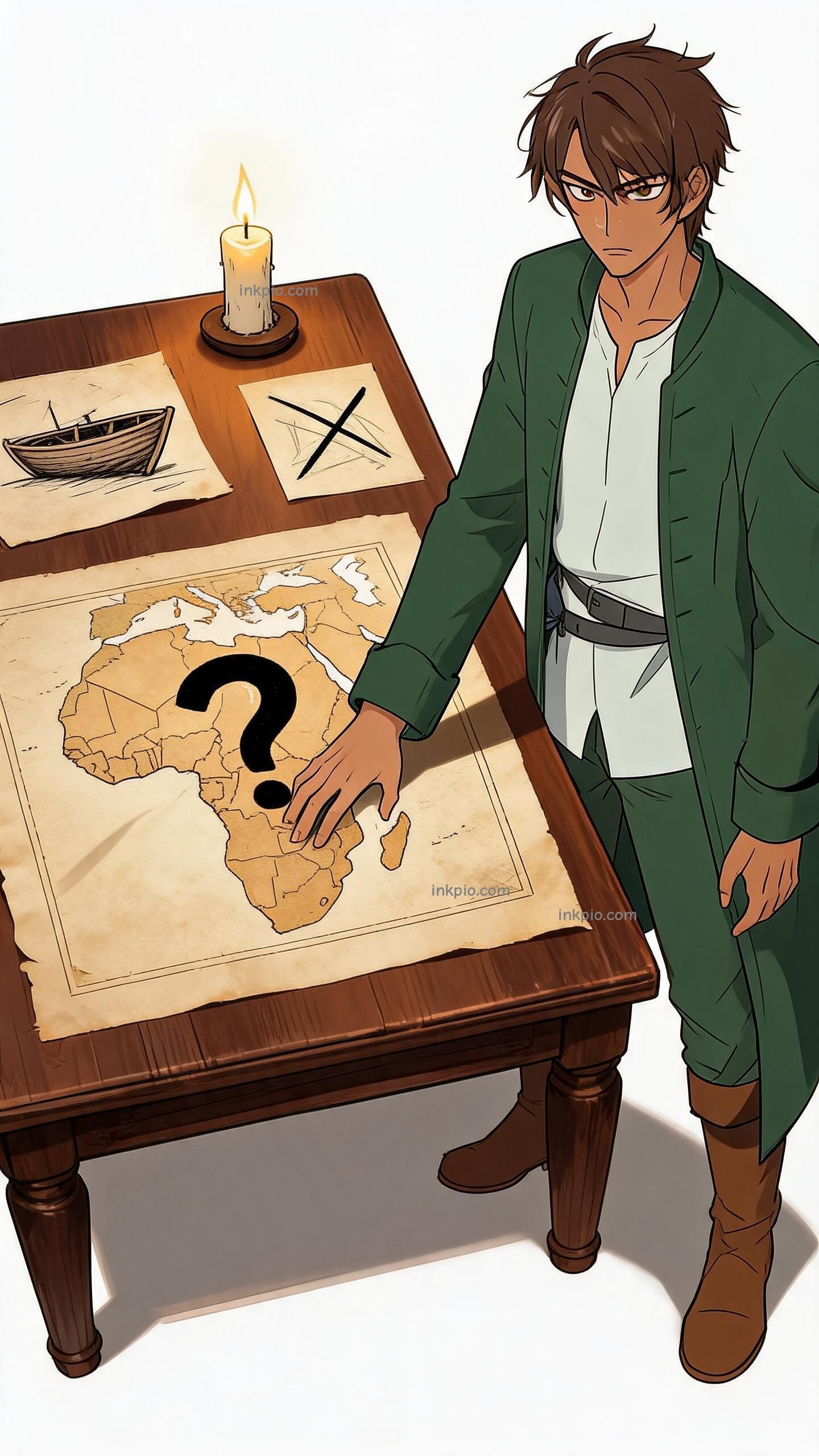

For three thousand years, the Nile’s origin was a ghost story. It built empires and fed civilizations, yet its birthplace remained a blank spot on every map, hidden deep within the uncharted heart of Africa. To find it was to claim immortality; to fail was to vanish into obscurity. In 1857, the Royal Geographical Society handed this burden to Richard Burton and John Hanning Speke. They were not just explorers; they were men racing against their own irrelevance.
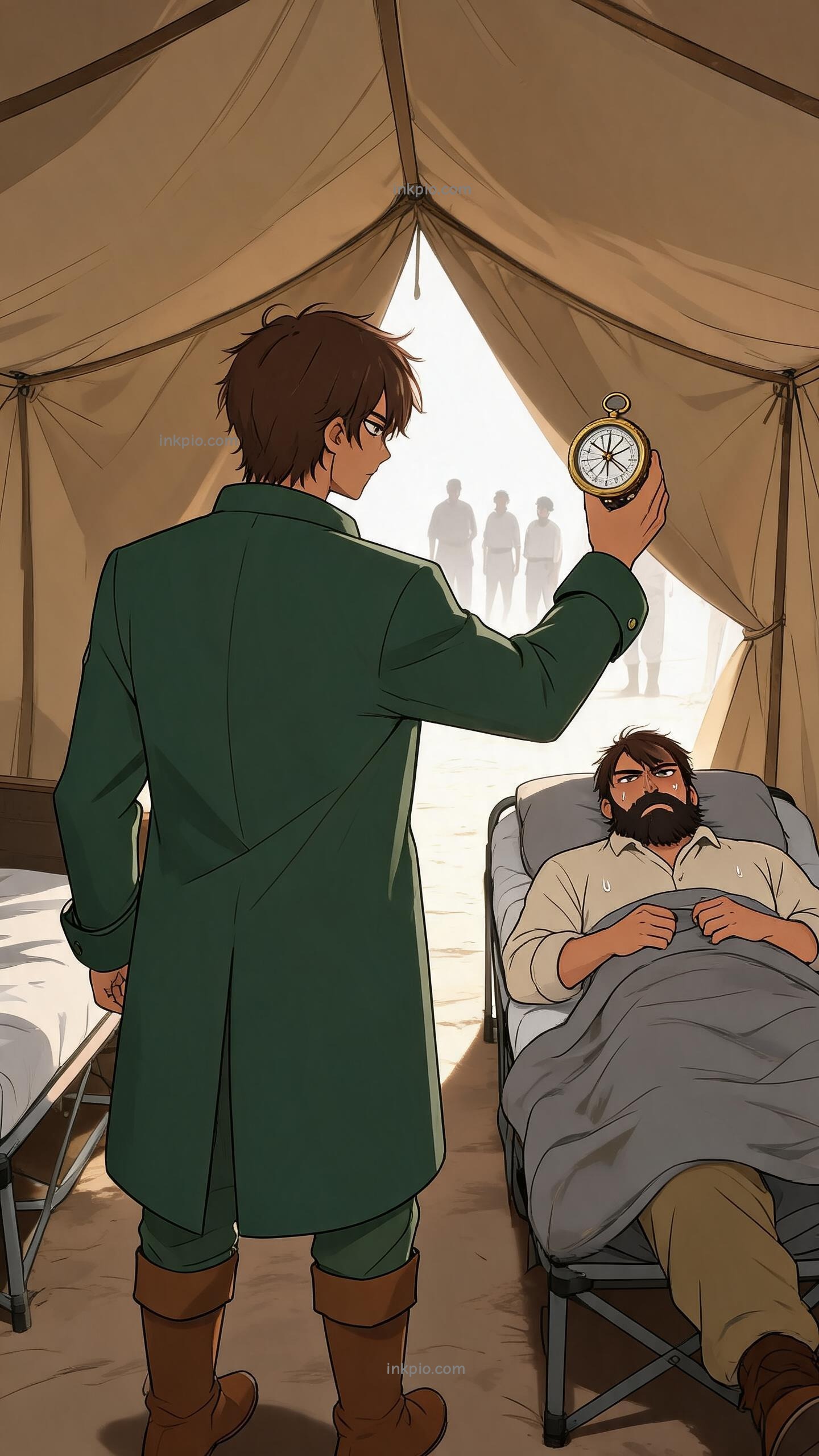
The African jungle did not welcome them. It fought back with humidity, insects, and disease. Tropical fever struck both men like a hammer. Burton collapsed first, his body betraying him, leaving him paralyzed in a cot, too weak to lift his head. Speke suffered differently. The fever burned through his optic nerves, stealing his sight until the world became a blur of gray shapes. But where Burton saw an end, Speke saw a trap. Lying in the dark, half-blind and trembling, he stared at the empty spaces on his map. He realized that waiting meant death—not just of the body, but of his legacy. "I saw that the time had come for me to act," he later wrote. He chose pain over paralysis.
Leaving his partner behind was not a tactical decision; it was a rupture. Speke dragged himself out of the camp, alone. Every step was a negotiation with agony. On August 3, 1858, the trees broke. Before him lay a vast, shimmering expanse of water stretching to the horizon. He named it Lake Victoria, a gesture of loyalty to a queen who knew nothing of his suffering. But discovery was not enough. He needed proof. He needed to know if this water was the ancestor of the Nile or just another dead end.
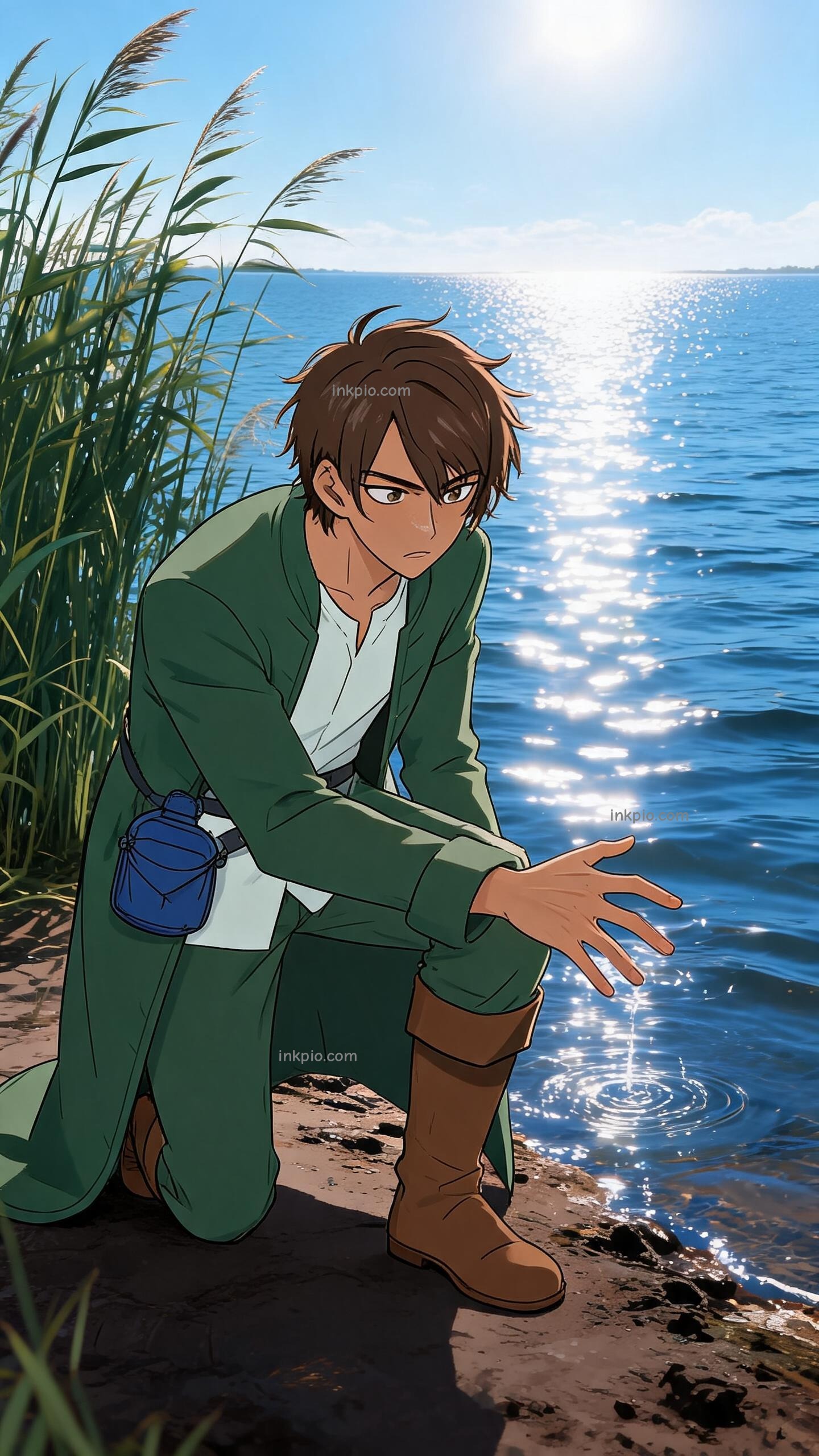
Speke knelt on the muddy shore. His hands, shaking from fever, dipped into the cool water. He waited. He felt it—a subtle, steady pull. The current was moving north. It was a quiet confirmation, almost intimate. By following that northern exit, he traced the White Nile to its source. He had solved a mystery that had haunted humanity for millennia. He expected triumph. He did not expect betrayal.
Burton recovered, but his bitterness grew faster than his strength. He refused to believe Speke. To accept Speke’s success was to admit his own failure. The partnership curdled into a public feud. Newspapers became their battlefield, filled with venomous insults and skeptical critiques. Burton mocked the half-blind man’s claims, questioning his sanity and his accuracy. Speke, isolated and exhausted, found himself defending not just a geographical fact, but his own integrity. The water had spoken, but men refused to listen.
The tension peaked in 1864. A grand public debate was scheduled in Bath to settle the dispute once and for all. The scientific world held its breath. But on September 15, the day before they were to face each other, silence fell. Speke went hunting on his uncle’s estate. A shot rang out. He died instantly, the gun slipping from his hand. Whether it was an accident born of carelessness or a deliberate escape from the impending humiliation remains a shadow over his legacy.
Subsequent expeditions walked the path Speke had carved. They confirmed the northern outlet of Lake Victoria as the true source. The water had been right all along. It flowed north, indifferent to the egos of the men who tried to claim it. Speke’s name is etched in history, but the cost is written in the silence of that autumn morning. He followed the current until it led him to the truth, and then, perhaps, until it led him away from a world that no longer made sense.