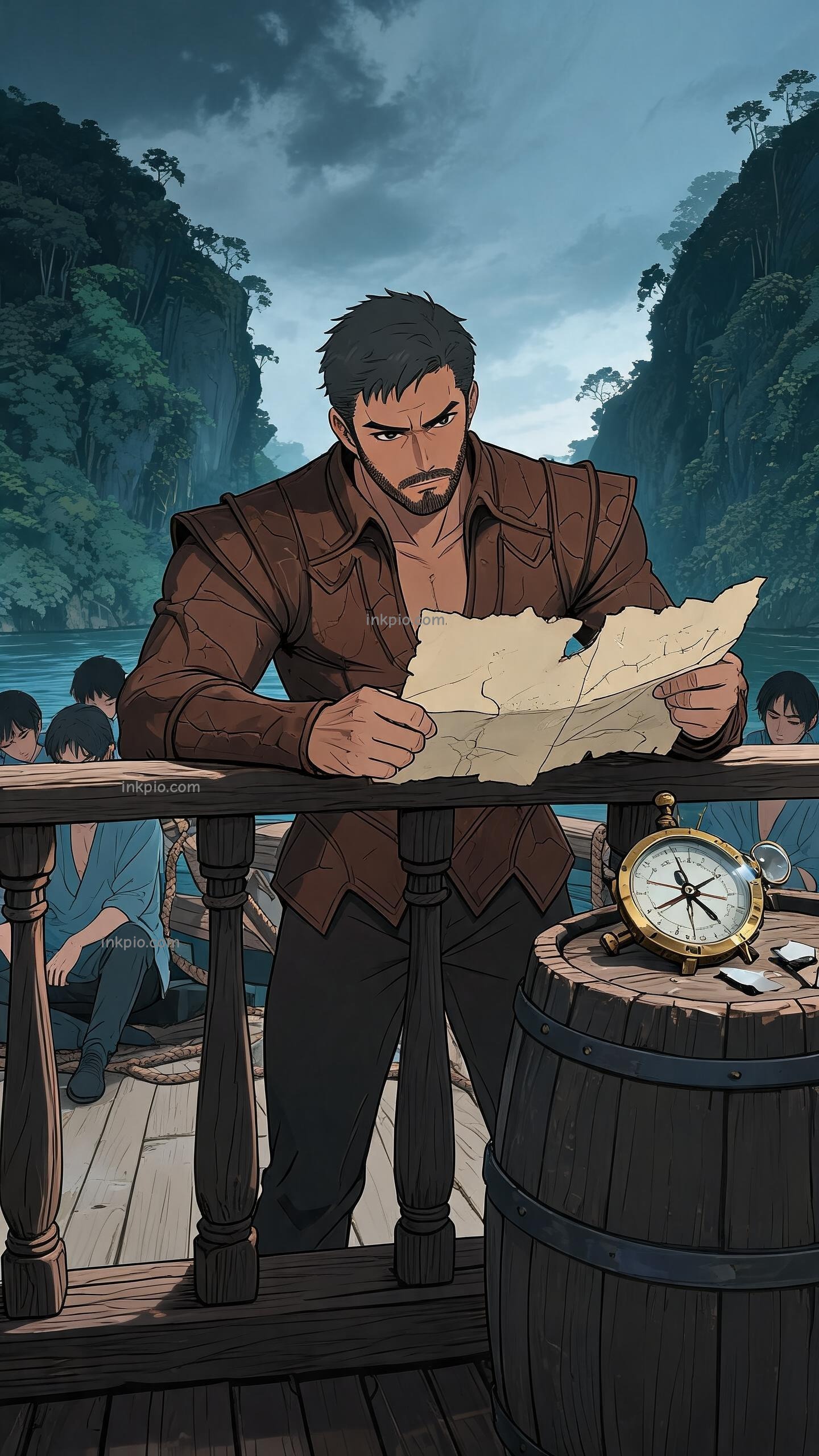
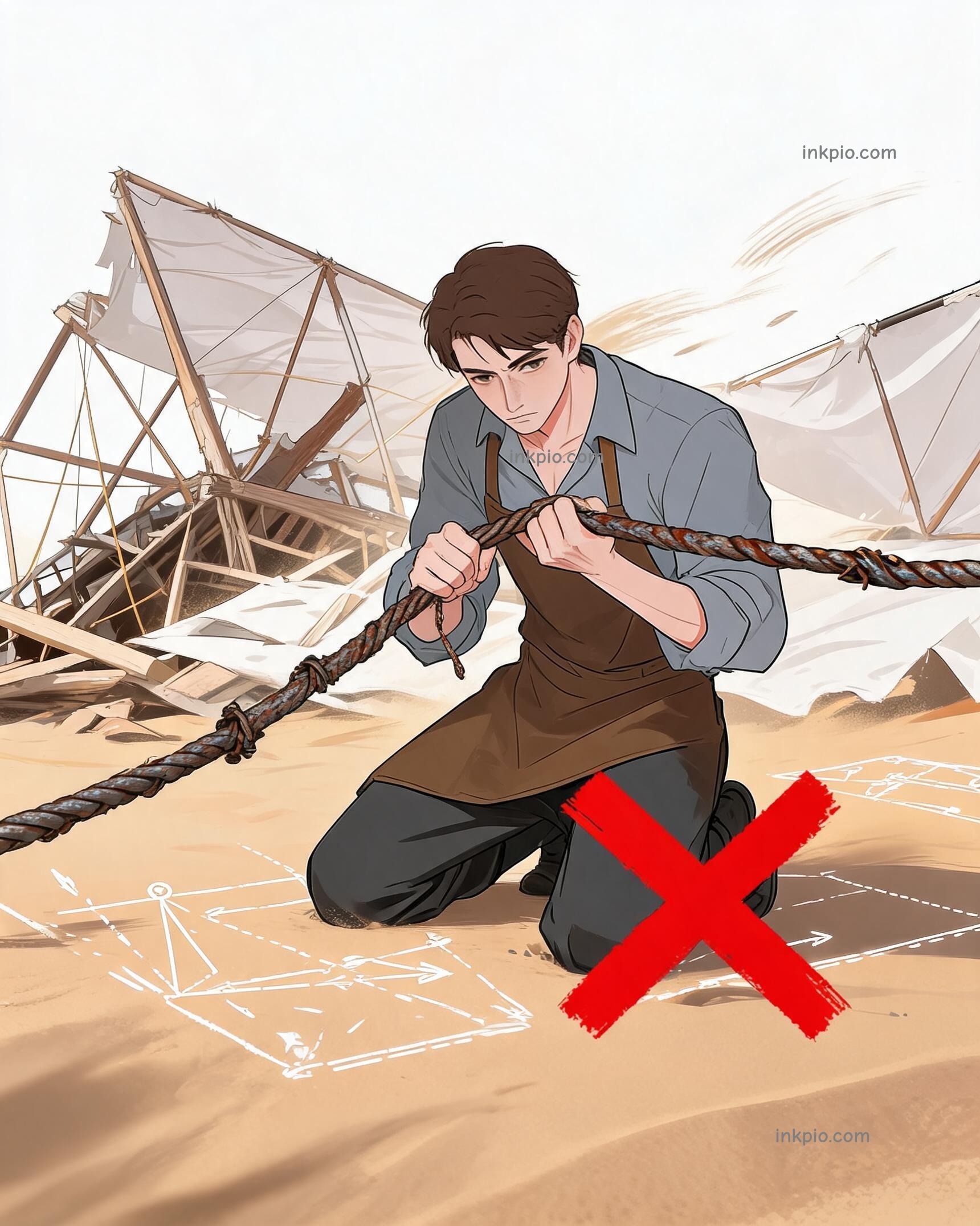

The wooden ribs didn't just break; they screamed as they snapped against the dunes. For months, Orville and Wilbur Wright watched their creations disintegrate into kindling and canvas scraps. Each crash was a personal insult, a reminder that the air was not a passive medium to be ridden, but a chaotic force that refused to be tamed by human weight alone. They stood in the sand, dust coating their eyelashes, watching another frame splinter. The silence after the crash was heavier than the wind. They realized their method was flawed. Shifting their bodies to steer worked only on perfect, still afternoons. But the sky is rarely perfect. When the gusts hit, the machine dropped like a stone, and no amount of leaning could save it.
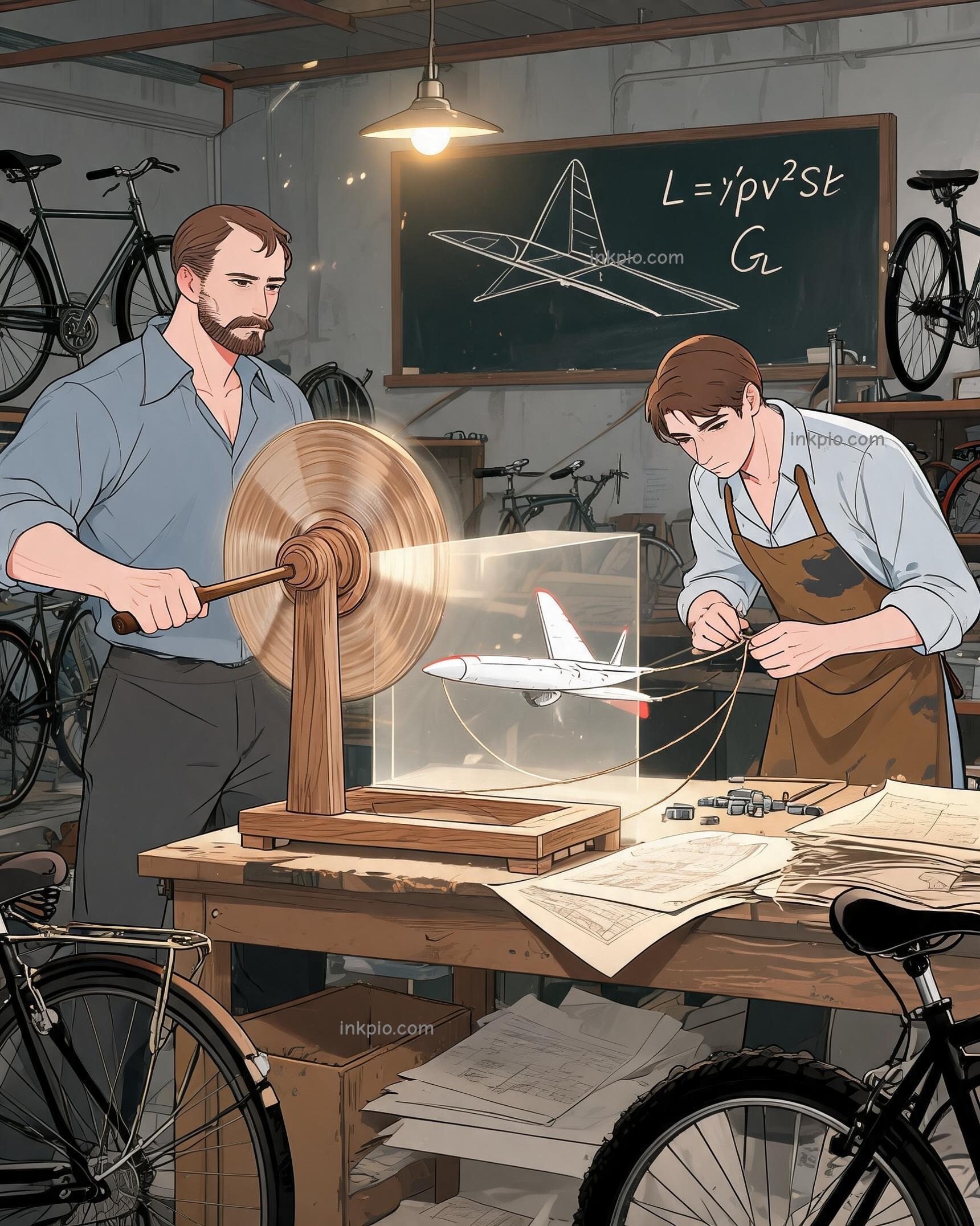
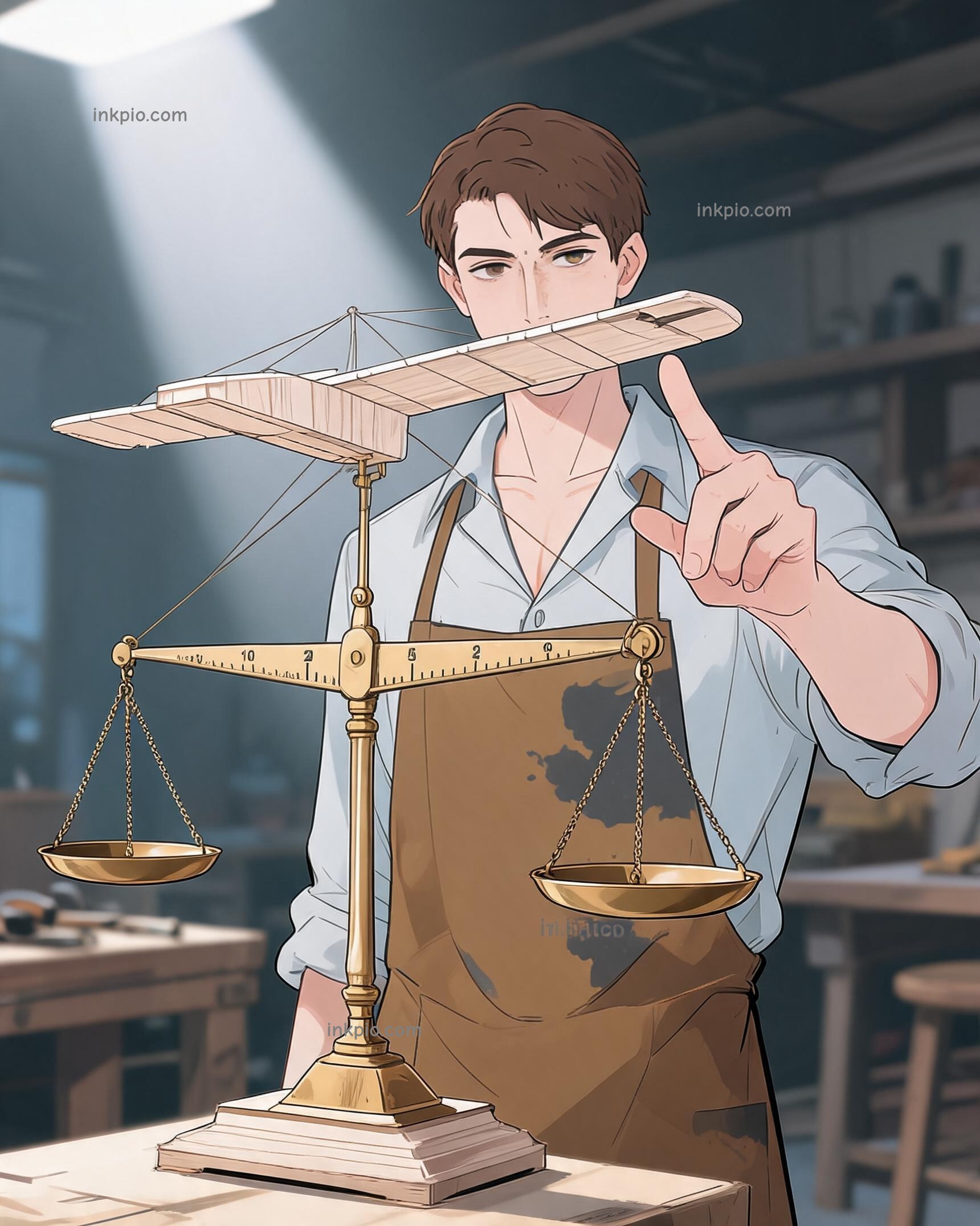
They retreated to the back of their bicycle shop in Dayton. It smelled of rubber, oil, and old wood. Here, away from the mocking eyes of the dunes, they built a wooden wind tunnel. It was a humble box, barely large enough to hold a lamp and a scale, but it became their sanctuary. They needed to stop guessing and start listening. Inside that cramped space, they fed miniature wings through a steady, artificial draft. They weren't trying to fly yet; they were trying to understand. A simple string pulled the trailing edge of one wing down while lifting the opposite side.
Wilbur watched the balance beam tremble. He saw the physics reveal itself in real time. Think of riding a bicycle around a sharp corner. You don't fight the turn; you lean into it, and the tires grip the pavement naturally. The twisted wing did the same to the air. One side caught extra lift, the other dropped, forcing the whole frame to roll smoothly. It wasn't a struggle; it was a conversation. "We had to learn to control the machine in three dimensions, not just lift it," Orville noted, his voice quiet in the small room. For the first time, the sky offered them a steering wheel instead of a trap.
They took this new understanding back to Kitty Hawk for the 1902 glider tests. The change was immediate. Pilots stopped wrestling with heavy cables and straining muscles. They let the wings do the work. The aircraft no longer bucked like a startled horse terrified of its own shadow. It answered to their hands. Every bank and turn felt deliberate, transforming wild, terrifying plunges into smooth, predictable curves. The fear that had tightened their chests during previous flights began to loosen. They were no longer passengers in a falling box; they were pilots.
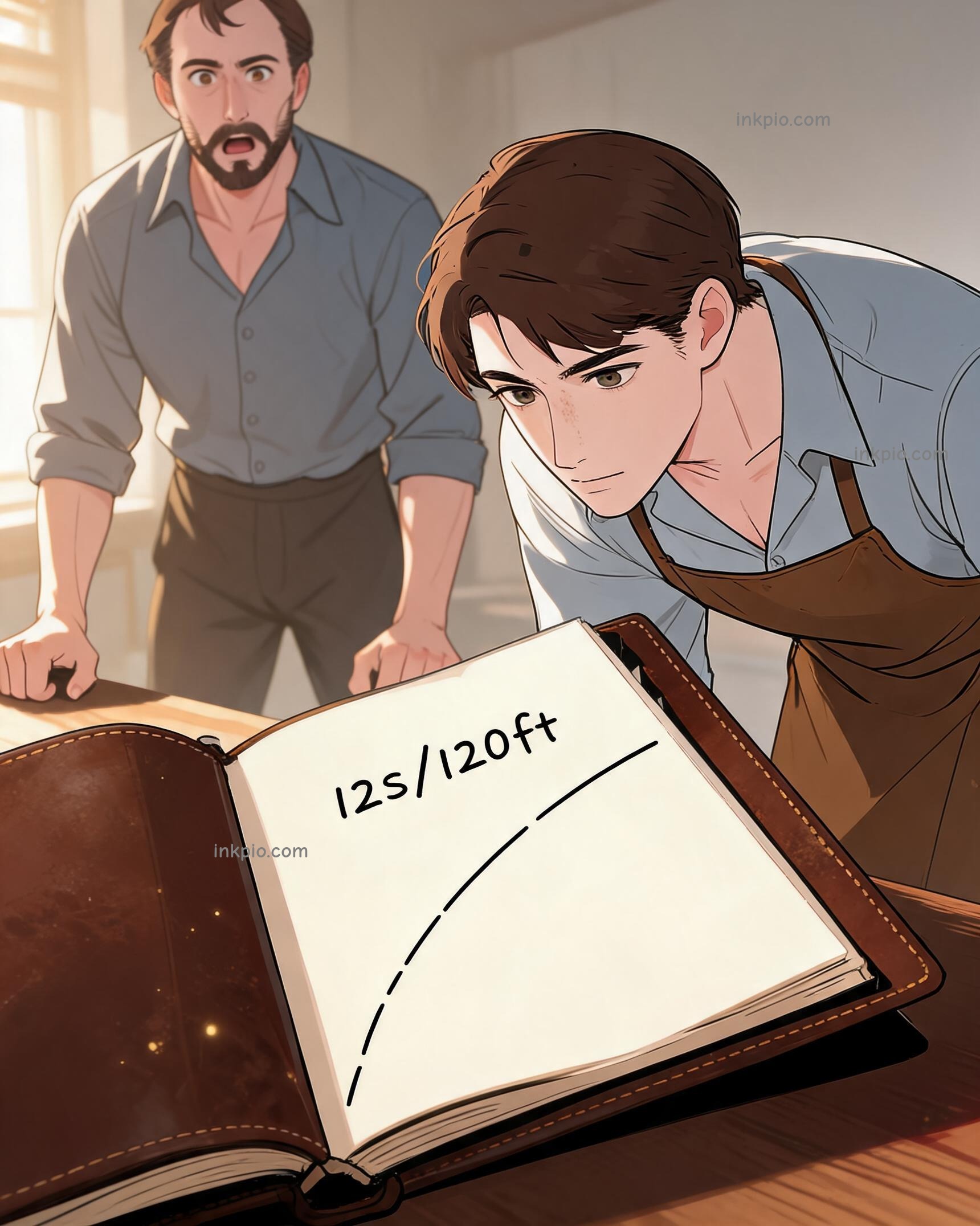
With the steering system locked in, they bolted a small, sputtering engine to the frame. The date was December 17, 1903. The wind at Kitty Hawk was biting, cold enough to numb fingers inside leather gloves. Orville lay prone on the lower wing, his heart hammering against the fabric. The launch rail shook. Then, release. The propellers bit into the air. The machine lifted, not with a lurch, but with a steady climb. Twelve seconds. One hundred and twenty feet. It wasn't long, but it was enough. The machine stayed up. It didn't crash. It flew.
Wilbur stood by the leather logbook, his breath visible in the freezing air. He closed the book slowly. His hand trembled slightly, not from cold, but from the weight of the moment. He traced the final numbers in the margin, the ink dark against the pale paper. Outside, the tracks in the sand ran straight, then curved gently where Orville had tested the new control. There was no cheering crowd, no fanfare. Just two brothers and the sound of the wind dying down. They looked at the tracks, then at each other. They hadn't just conquered gravity; they had learned how to talk to the wind. And for the first time in history, the wind had answered back.