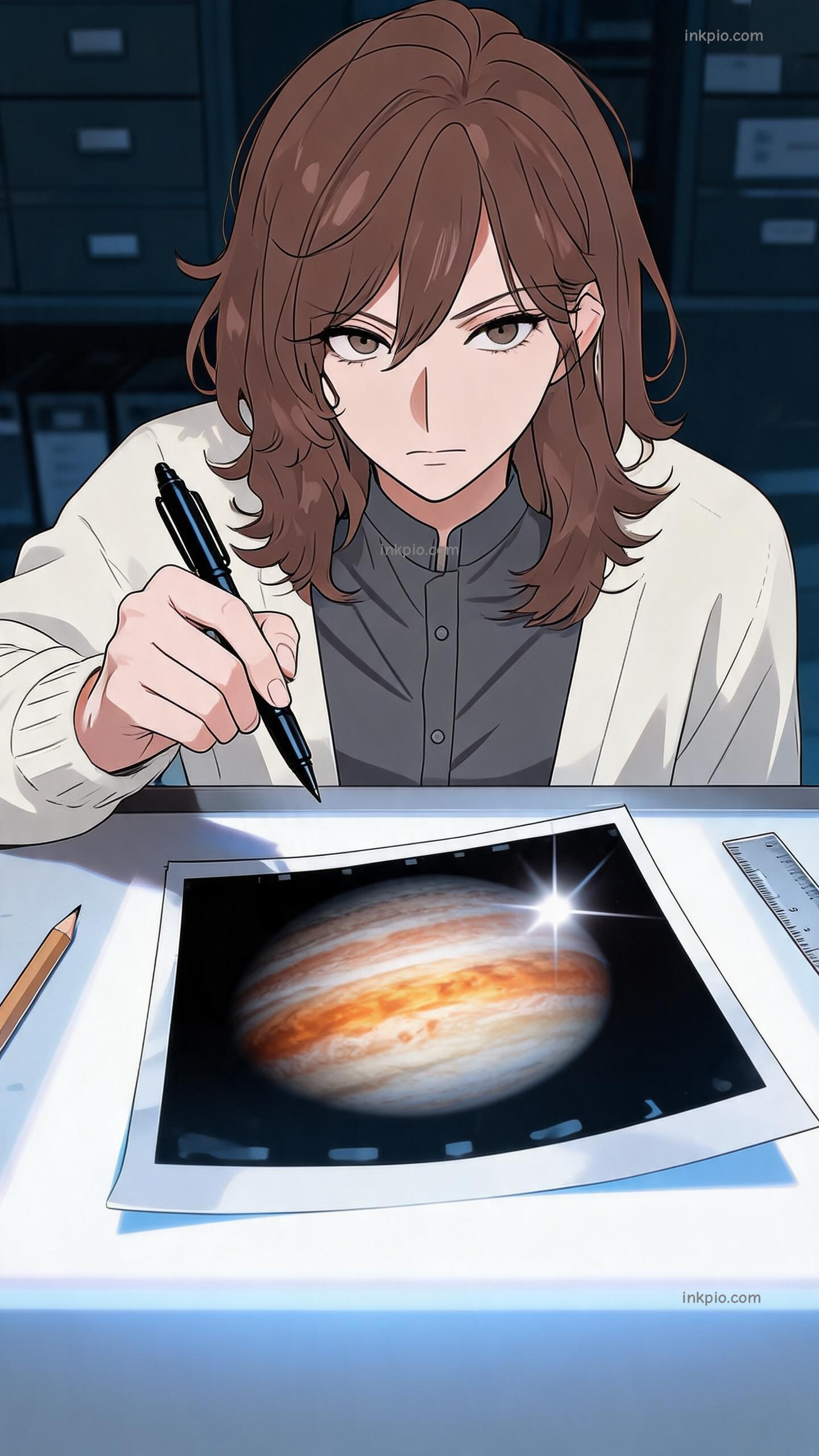
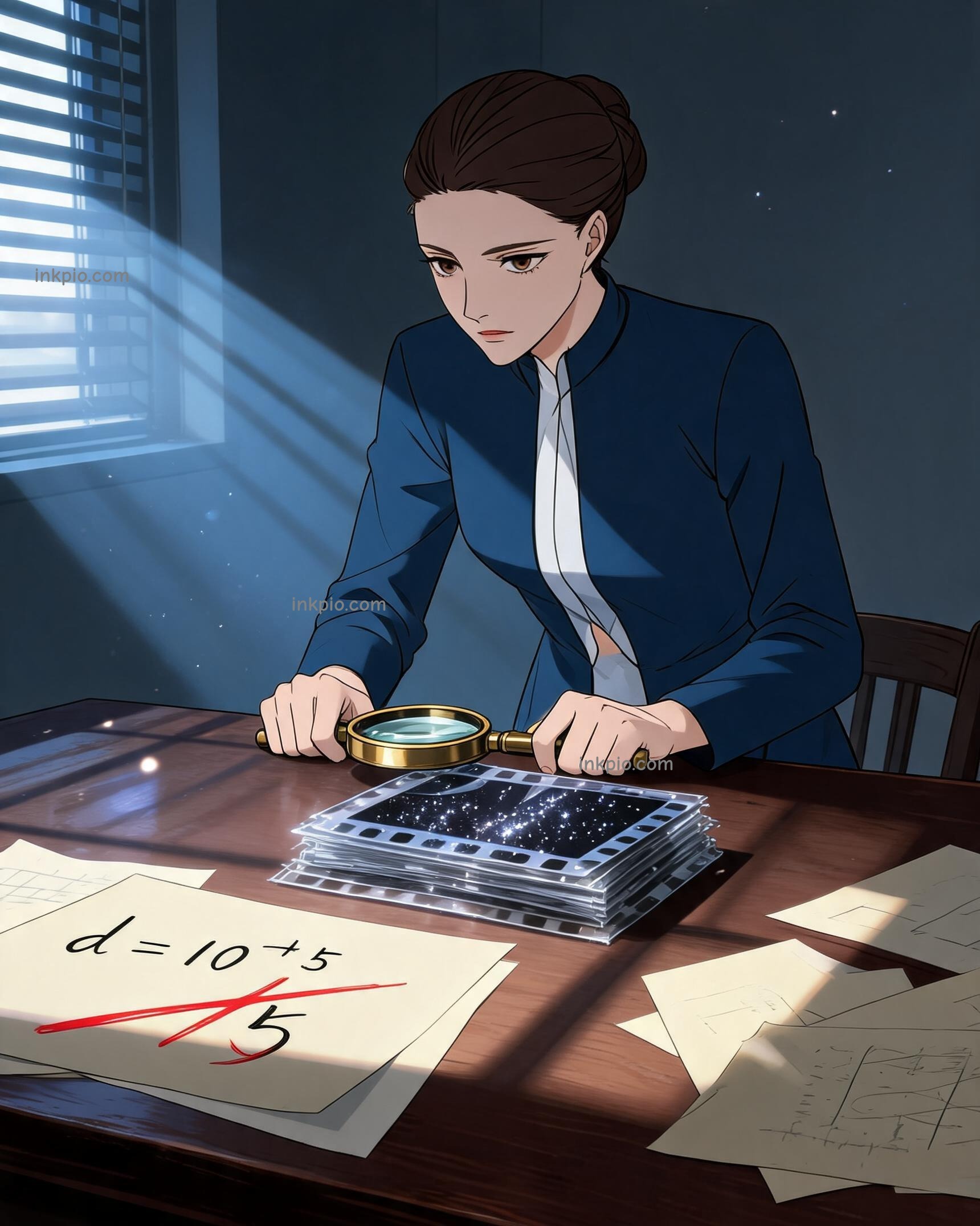
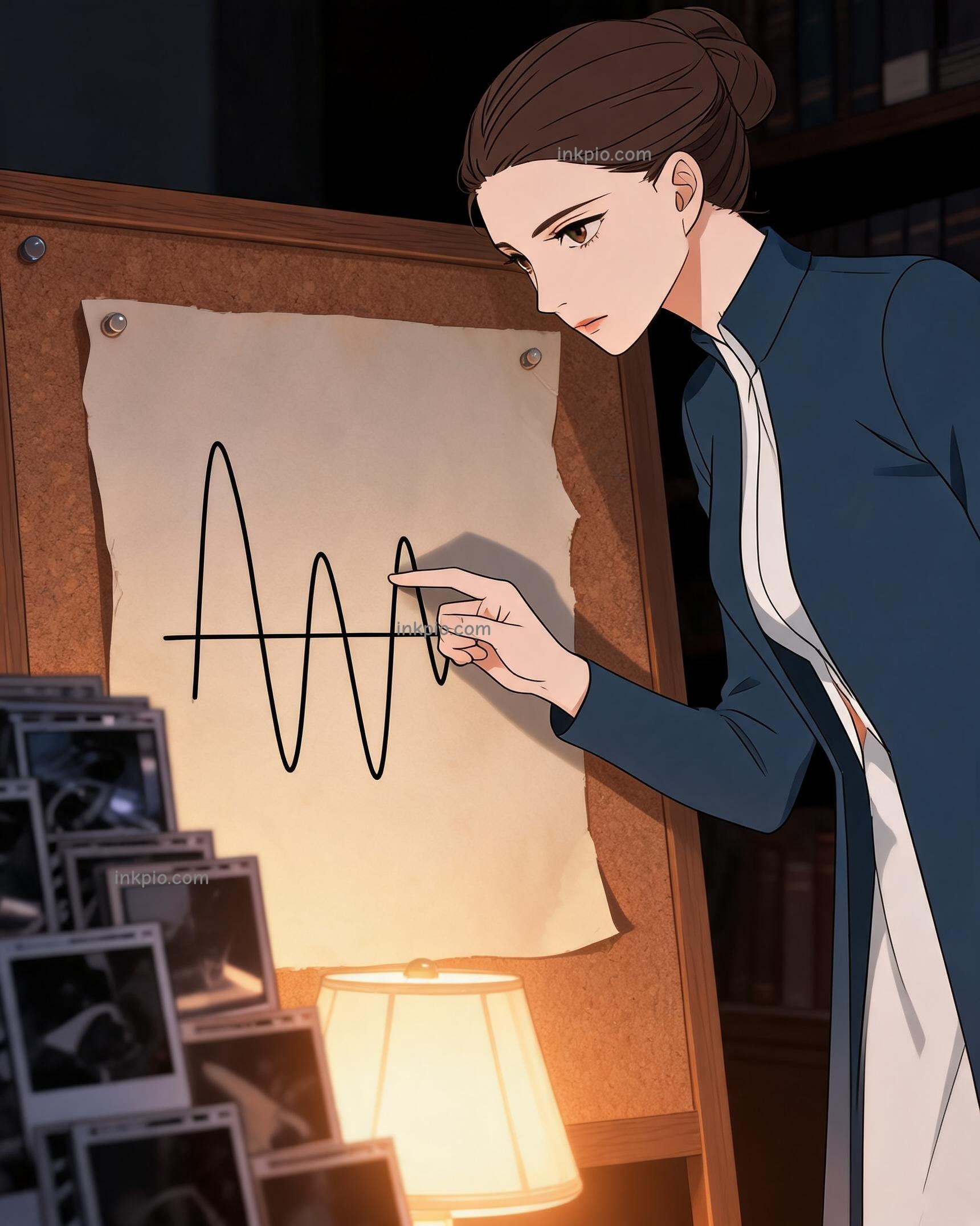

The air in the Harvard College Observatory smelled of dust and old chemicals. Henrietta Swan Leavitt sat hunched over her desk, the silence broken only by the scratch of her pen. Before her lay stacks of fragile glass plates, each one a frozen snapshot of the Magellanic Clouds. To anyone else, they were just silver specks on black glass. To Henrietta, they were a chaotic puzzle that refused to solve itself.
She was losing her hearing, a slow fade into a world that felt increasingly distant. Perhaps this isolation drove her focus. While male astronomers commanded the telescopes and chased headlines, she was confined to the basement, tasked with the tedious labor of "computing." Her job was to measure the brightness of thousands of variable stars. It was mind-numbing work. Day after day, she squinted through a magnifying glass, tracking pulses that seemed random, erratic, and meaningless.
The problem plaguing astronomy was simple but devastating: distance. If you saw a dim star, was it a faint neighbor or a blazing giant miles away? Without knowing a star's true luminosity, the universe was an unmappable fog. Guessing didn't work. The data on her plates offered no answers, only a noisy mess of flickers. She needed a key to unlock the scale of the cosmos, but the lock seemed impossible to pick.
Henrietta stopped looking at the stars as individual lights. She began to treat them as data points. She ignored the chaos of their positions and focused on two numbers: how long it took for a star to pulse, and how bright it appeared from Earth. She transferred these pairs into heavy ledgers, her handwriting tight and precise. The physical act of writing grounded her. Each number was a small victory against the entropy of the sky.
Then came the moment of clarity. She plotted the periods against the apparent brightness on a simple grid. She expected scatter. She expected noise. Instead, the dots aligned. They didn't cluster randomly; they fell into a strict, diagonal line. The pattern held firm across hundreds of measurements. Slower pulses always meant intrinsically brighter stars. The chaos had a rhythm. The noise had a structure.
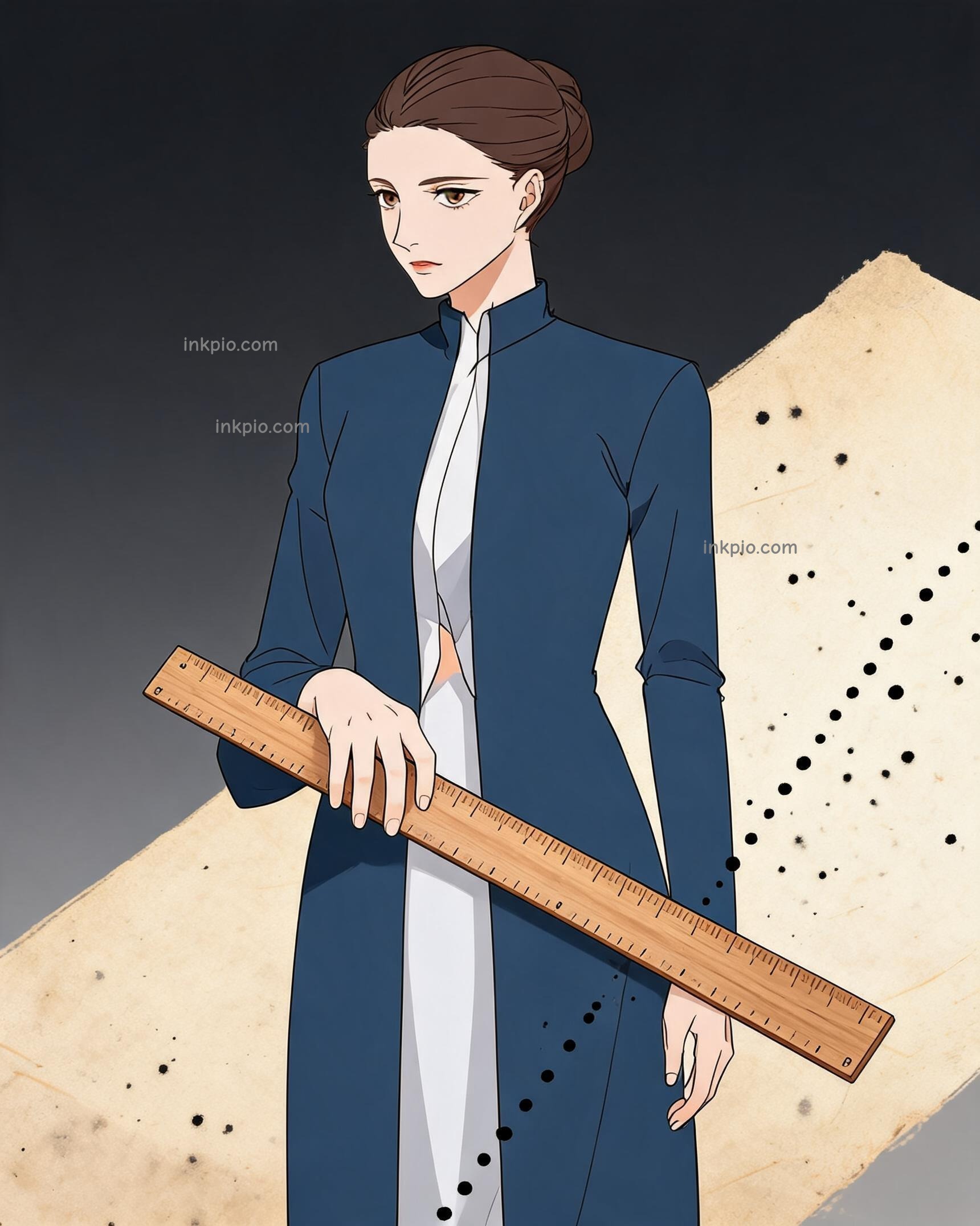
Her hand trembled slightly as she reached for a wooden ruler. She pressed it against the paper, aligning the edge with the scattered points. With a steady breath, she traced the alignment in black ink. "A straight line can be drawn among the points," she noted quietly, "showing that the brighter variables have the longer periods." It wasn't just a graph. It was a revelation. The blink speed of a star revealed its true power.
This discovery turned random twinkle into a reliable yardstick. If you knew how fast a star pulsed, you knew its true wattage. Comparing that to how dim it looked from Earth gave you the distance. It was straightforward arithmetic, yet it solved the greatest mystery of the age. She published the rule in 1912, slipping it into the annals of the observatory without fanfare.
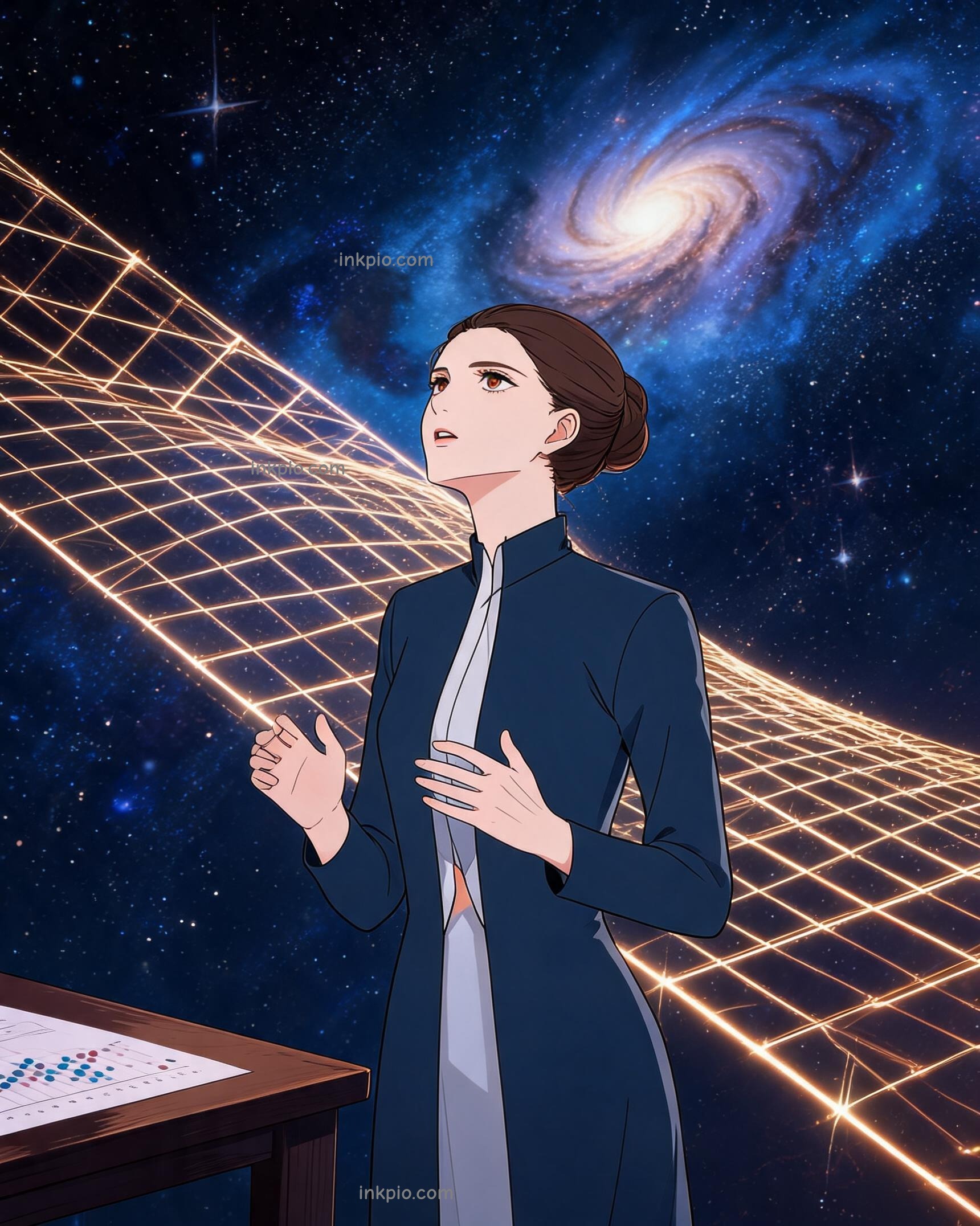
Henrietta never claimed a telescope. She never sought the spotlight. She returned to her desk, to the smell of dust and the quiet scratch of her pen. The observatory continued its work, but the math had quietly rewired how humanity saw space. Decades later, Edwin Hubble would use her line to map spiral galaxies and discover the expanding universe. But in that quiet room, Henrietta simply capped her inkwell. She had handed humanity a ruler for the dark, and then she went back to work.