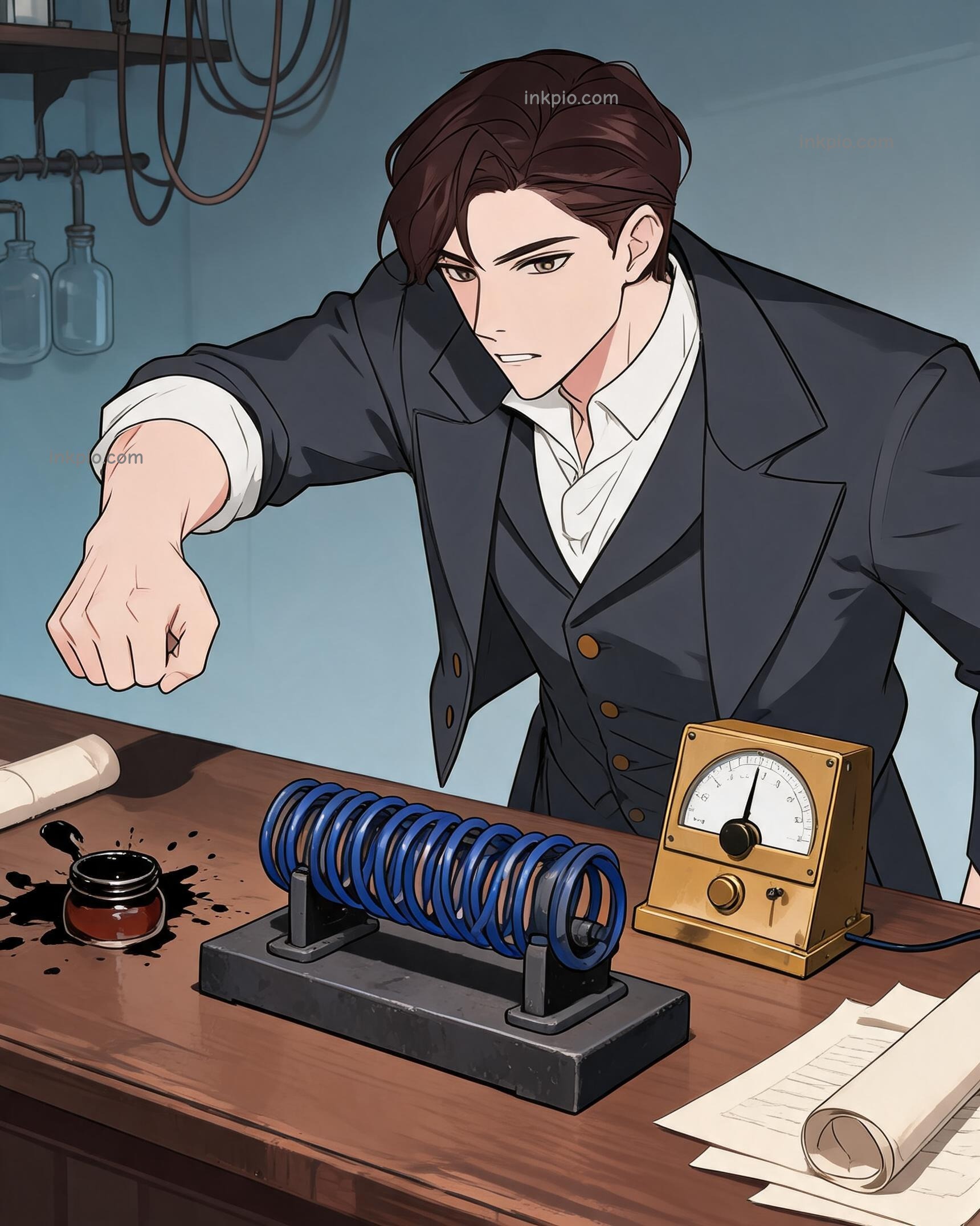
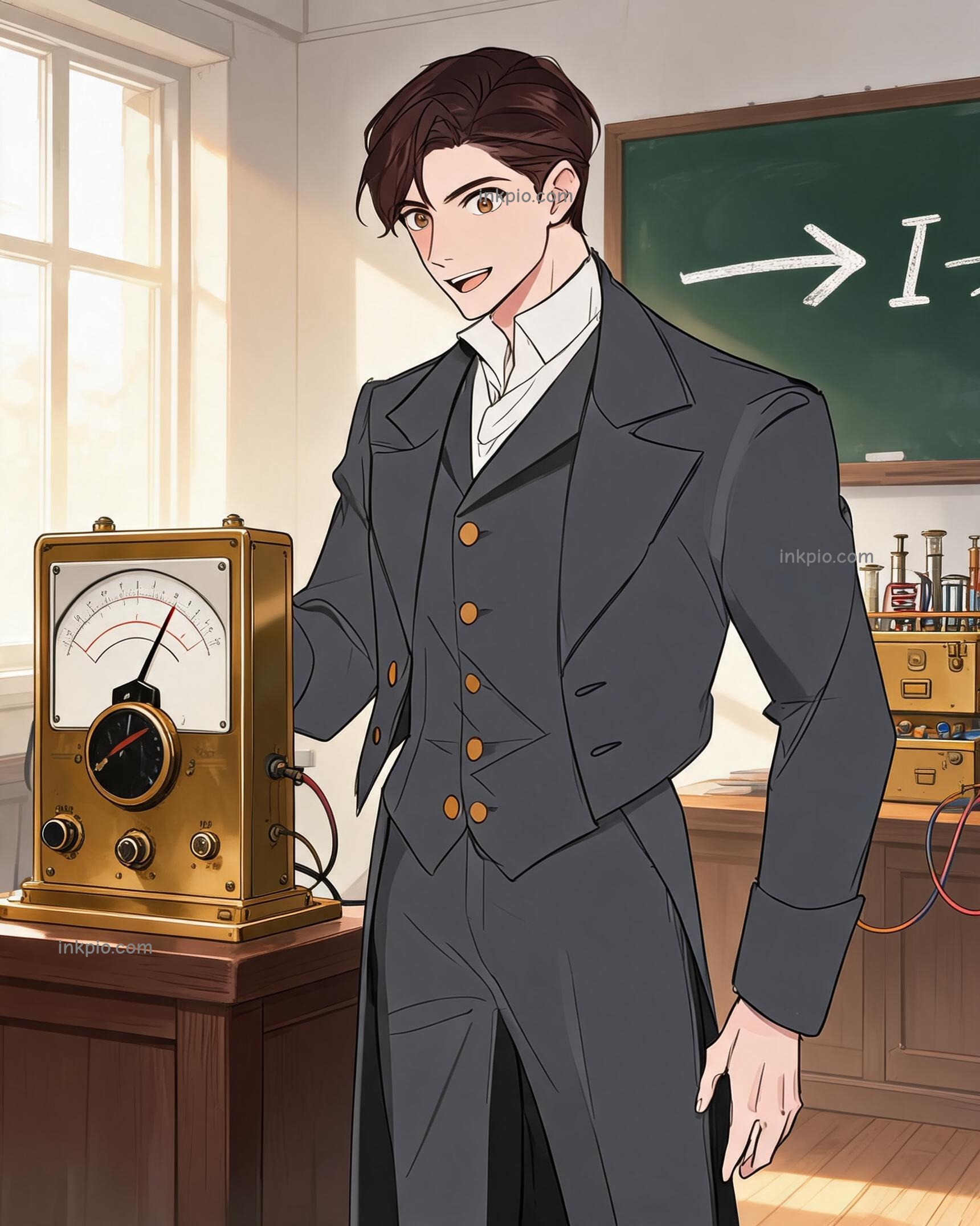

The brass needle sat dead center at zero, completely ignoring the heavy magnet resting inside the copper coil. Faraday leaned over the wooden desk, jaw tight. Years of steady experiments had given him nothing but silence. The old textbooks promised that a strong magnetic field should naturally push a current through metal, yet the galvanometer refused to budge. Static formulas filled his notebooks, but the lab table told a different story.
He finally crossed out the steady-state equations and changed his entire approach. The problem wasn't the strength of the magnet. It was the stillness. He had a heavy iron bar and a thick copper coil as his raw tools. The trick was to stop treating them as a fixed system and start moving one past the other. That shift in space became the trigger. Think of it like pushing a child on a swing. Holding the seat in one spot gives you zero momentum. You have to rock it back and forth to build energy. Faraday realized electricity followed that exact rule. Change the field, and the wire wakes up.
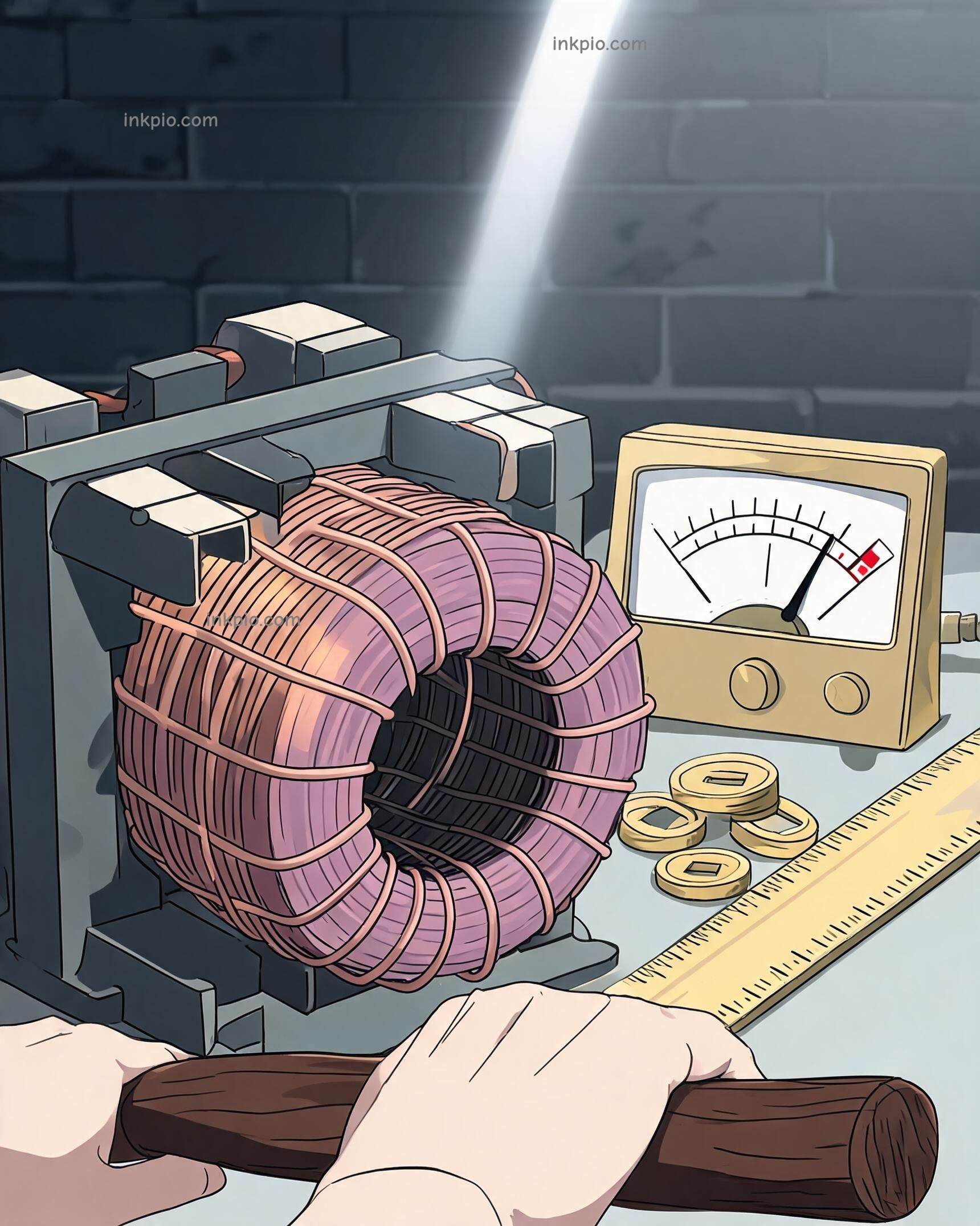
On August 29, 1831, he tested this shift at the Royal Institution. He gripped the heavy iron bar, lined it up with the thick copper loops, and shoved it straight in. The galvanometer needle instantly kicked sideways. He yanked the magnet out, and the pointer swung the opposite direction. When he held the bar perfectly still inside the copper, the needle dropped right back to zero. He repeated the motion, faster this time. In, out, in, out. The brass dial danced wildly with every single thrust and pull.
The invisible link finally snapped into focus. The current appeared only while the magnetic state changed, then vanished the second the movement stopped. He didn't need a permanent field to make electricity flow. He just needed motion to disturb the space around the wire. That frantic rhythm of shoving and pulling cracked open the blueprint for the modern generator. Faraday set the heavy magnet down, wiped chalk dust from his coat, and let the brass pointer settle back to rest.