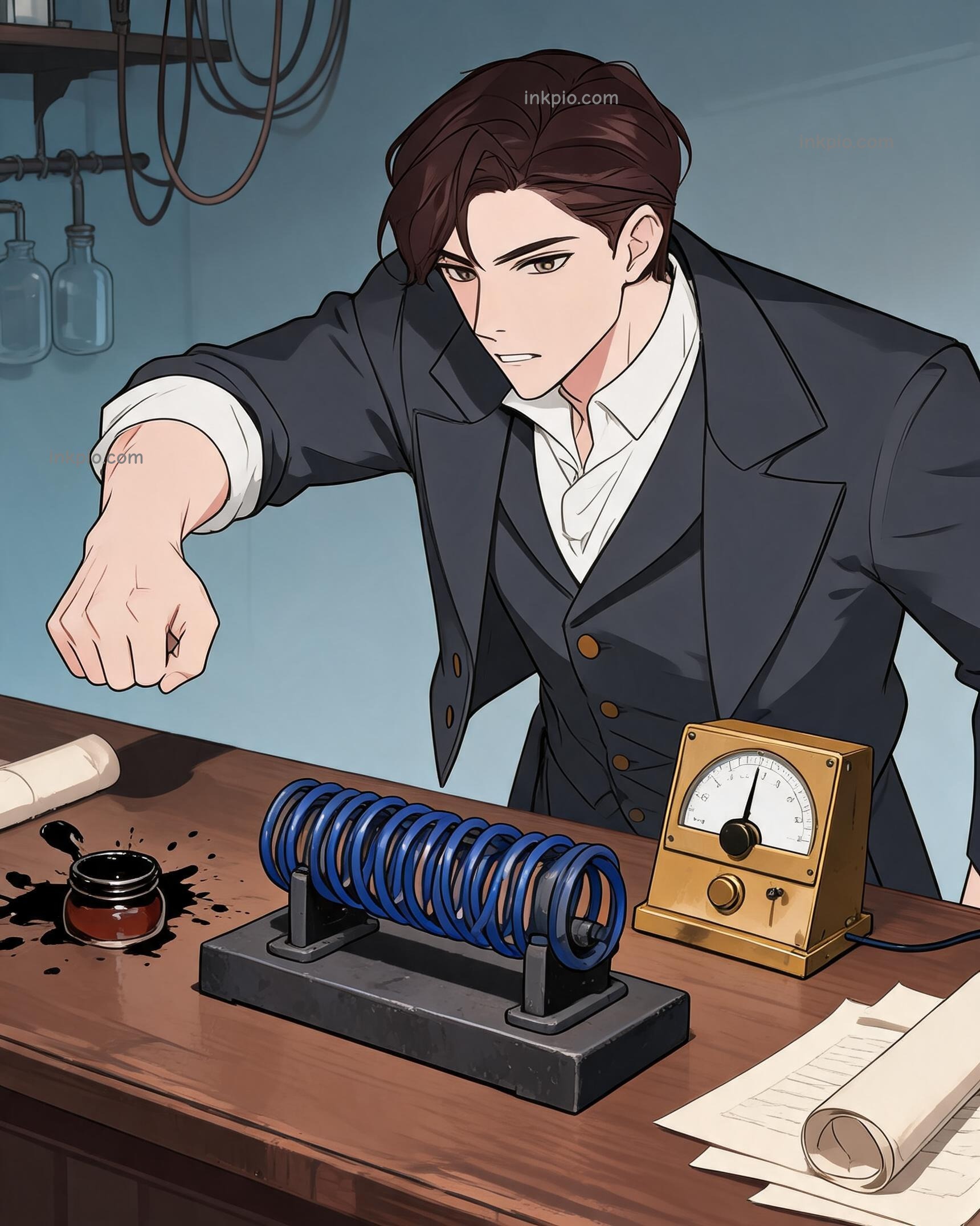
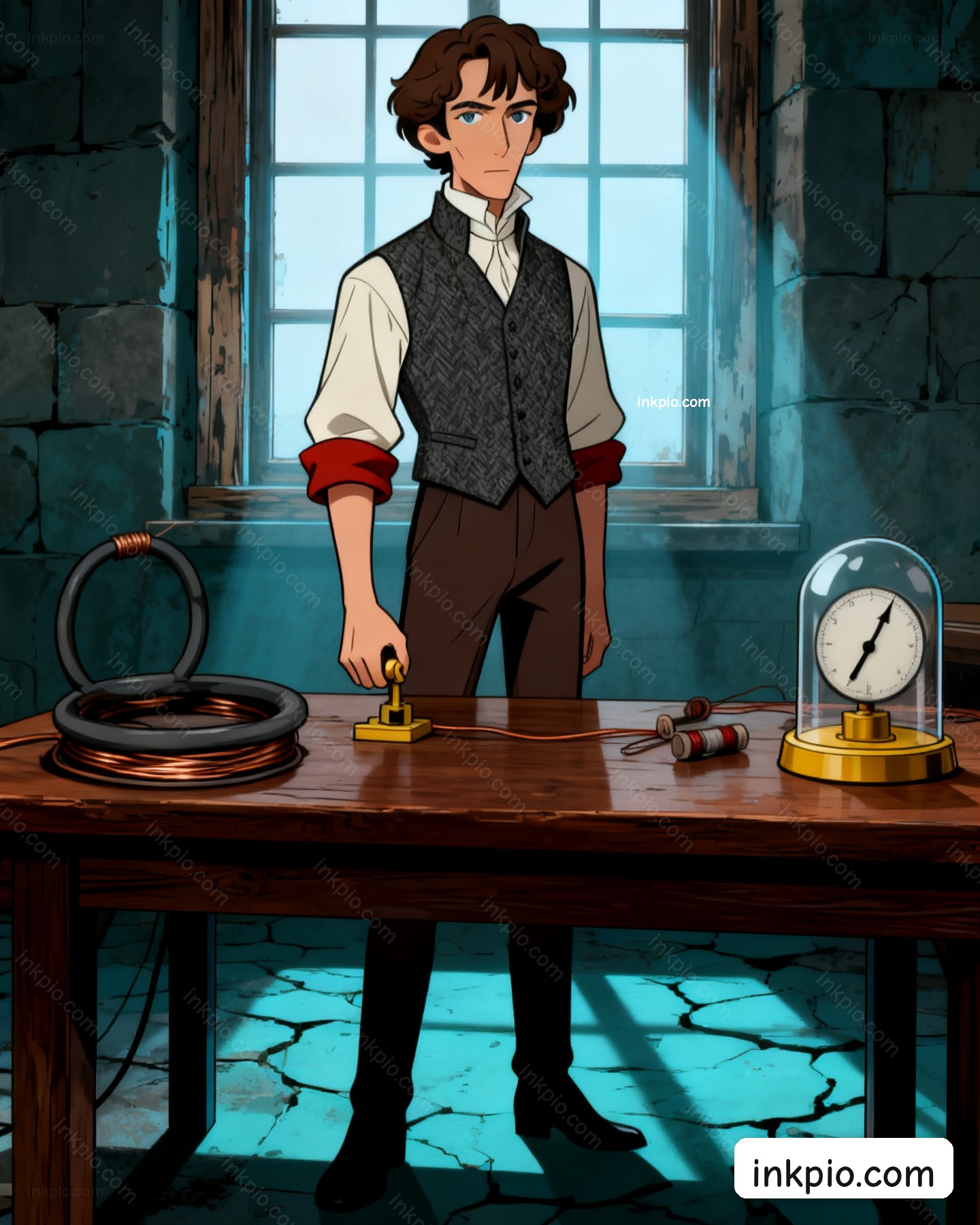
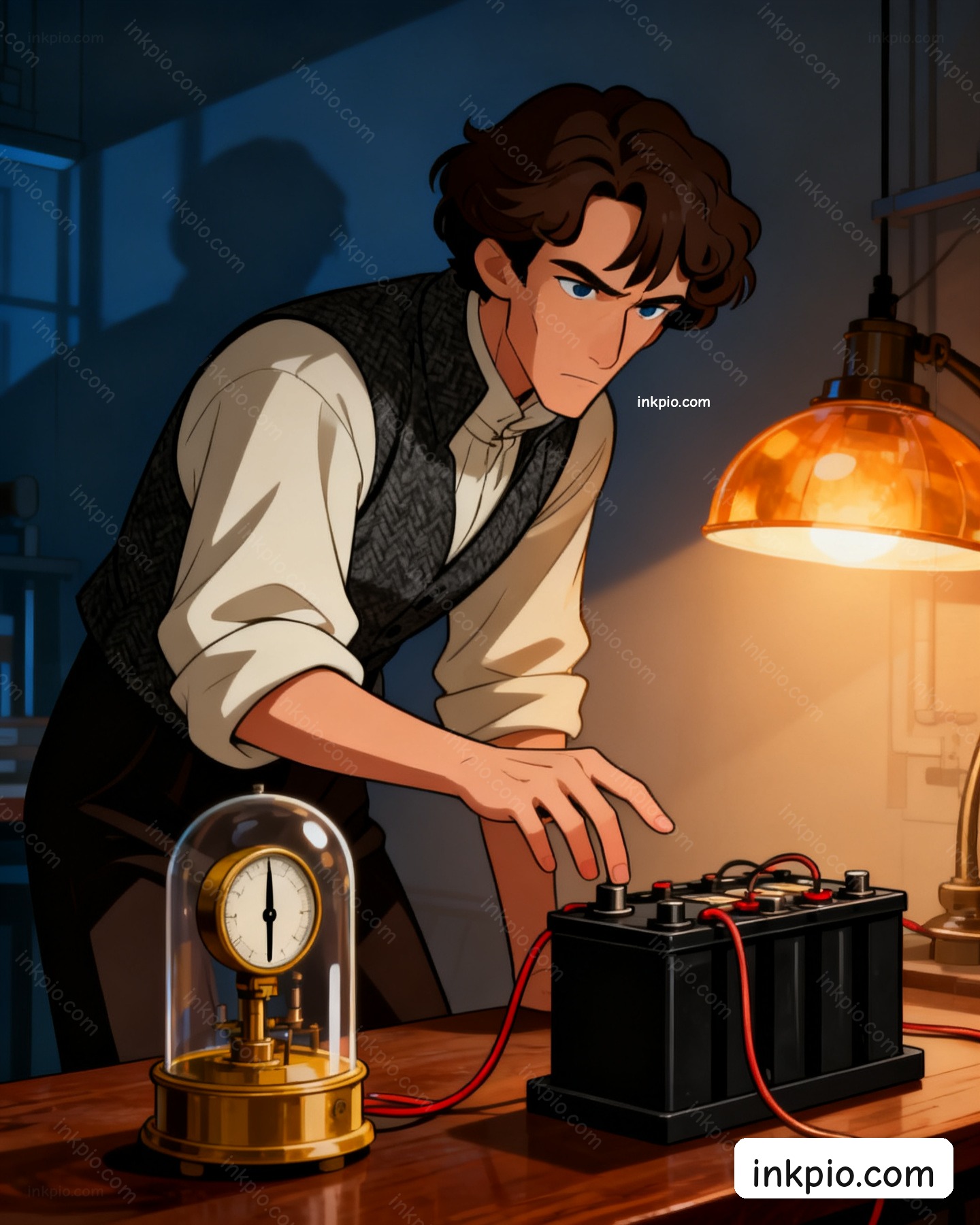


Michael Faraday stared across the lab at a tiny brass needle. It had been sitting dead at zero for months. He rested one hand on a simple brass switch and kept the other near a heavy iron ring wrapped in dull copper wire. He just needed one spark of motion to prove electricity and magnetism actually talked to each other.
For years, he chased that invisible link using every static setup he could build. He ran steady currents through wires, waited for compasses to turn, and watched nothing happen. The batteries drained, the coils grew warm, and the room stayed stubbornly quiet. He finally admitted the obvious truth. If the forces were connected, they wouldn't show themselves while sitting still. Nature only revealed the secret during a change.
On August 29, 1831, he cleared a heavy workbench at the Royal Institution in London and started over. He wound two separate insulated copper wire coils around a soft iron ring, feeding one side to a battery and linking the other to a sensitive galvanometer across the room. Think of it like pushing a stalled cart. A steady hand just locks the wheels in place, but a sudden shove gets everything rolling. The battery fed the initial push, the switch created the quick magnetic shift, and that invisible jolt dragged electrons through the second loop.
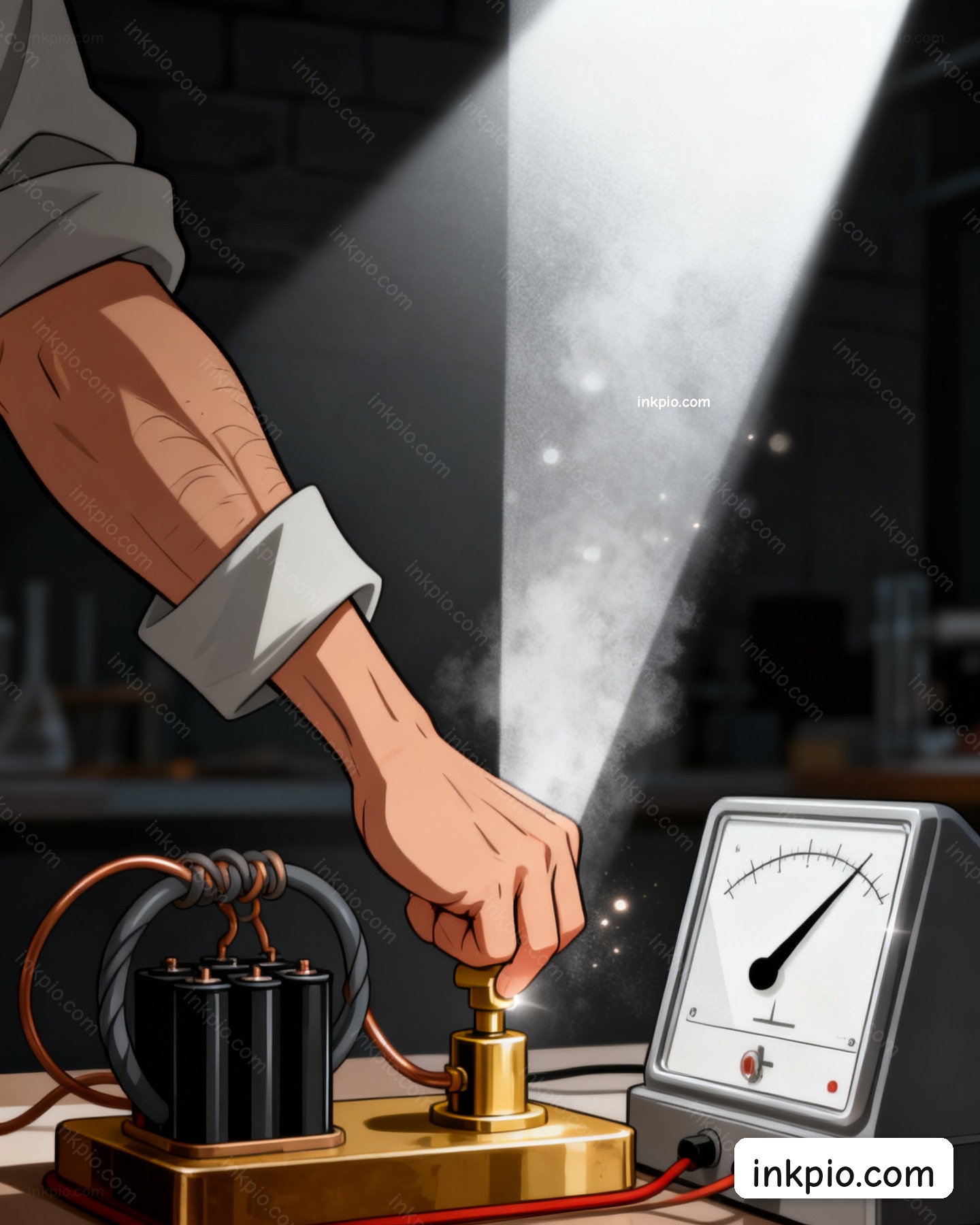
Faraday threw the switch downward and refused to look at the wires. His eyes stayed locked on the distant dial. The brass needle snapped sharply to the right, then dropped straight back to center. He broke the connection. The needle twitched the opposite way and settled again. The galvanometer needle moved, and then returned to its original position. A steady flow produced absolutely nothing. Only the instant of making or breaking the circuit woke up the hidden current.
That single jump proved he could pull electricity out of thin air just by changing a magnetic field. The quiet iron ring suddenly held the blueprint for every future generator and transformer. Faraday lowered his hand from the switch and let out a slow breath. He didn't need to shout the result. The needle had already drawn the map for the electrical age, and it was sitting right there on the bench.