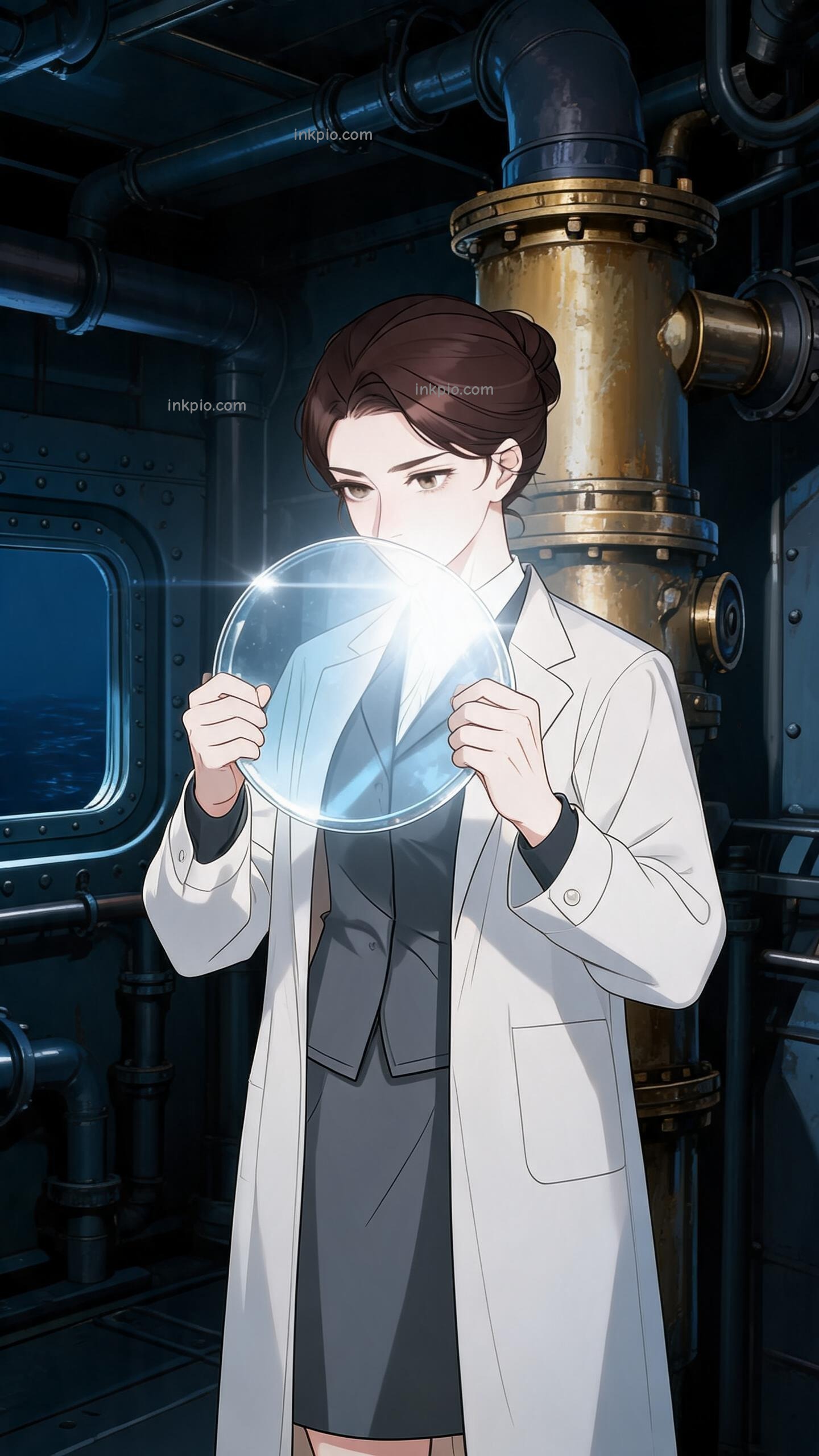
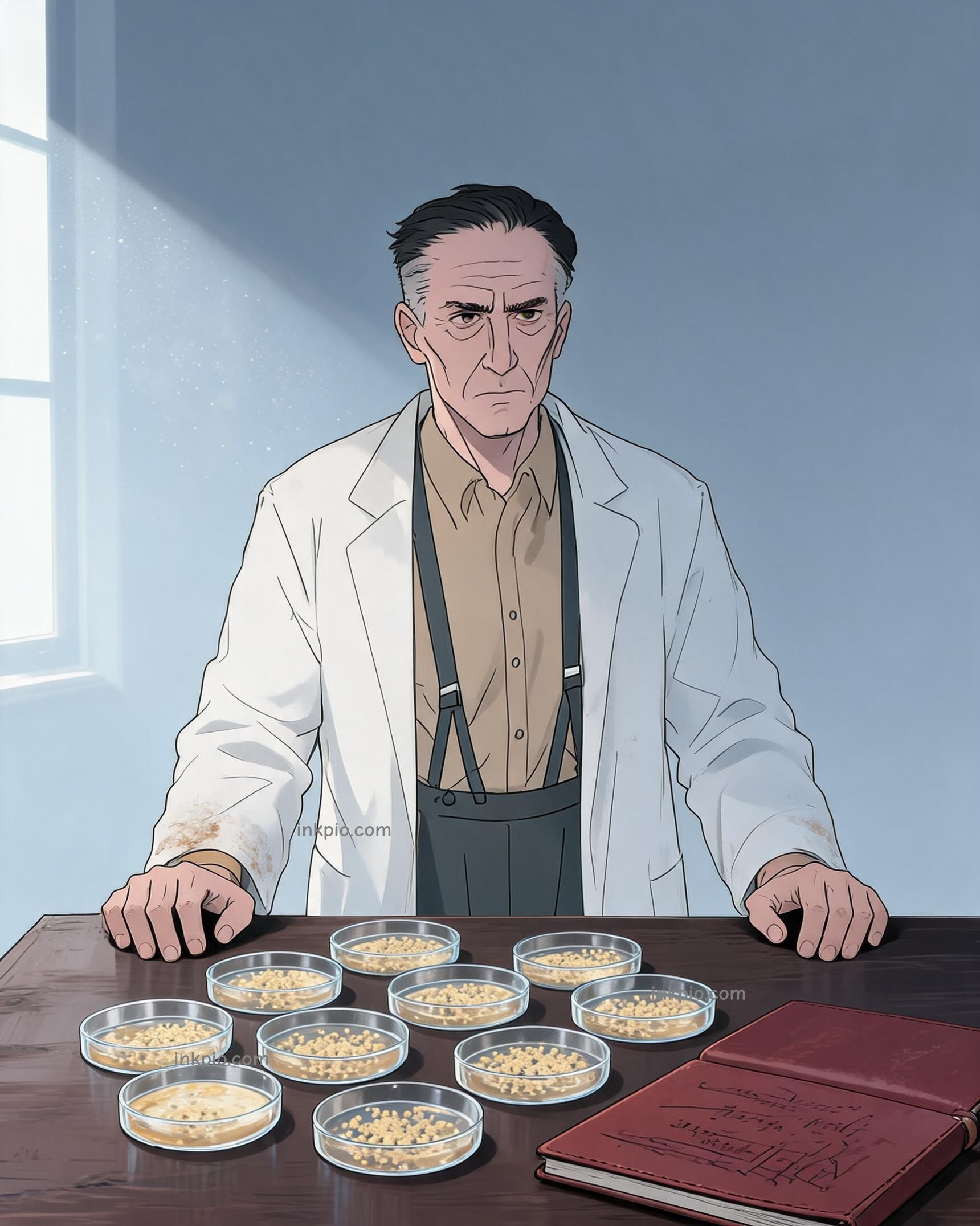
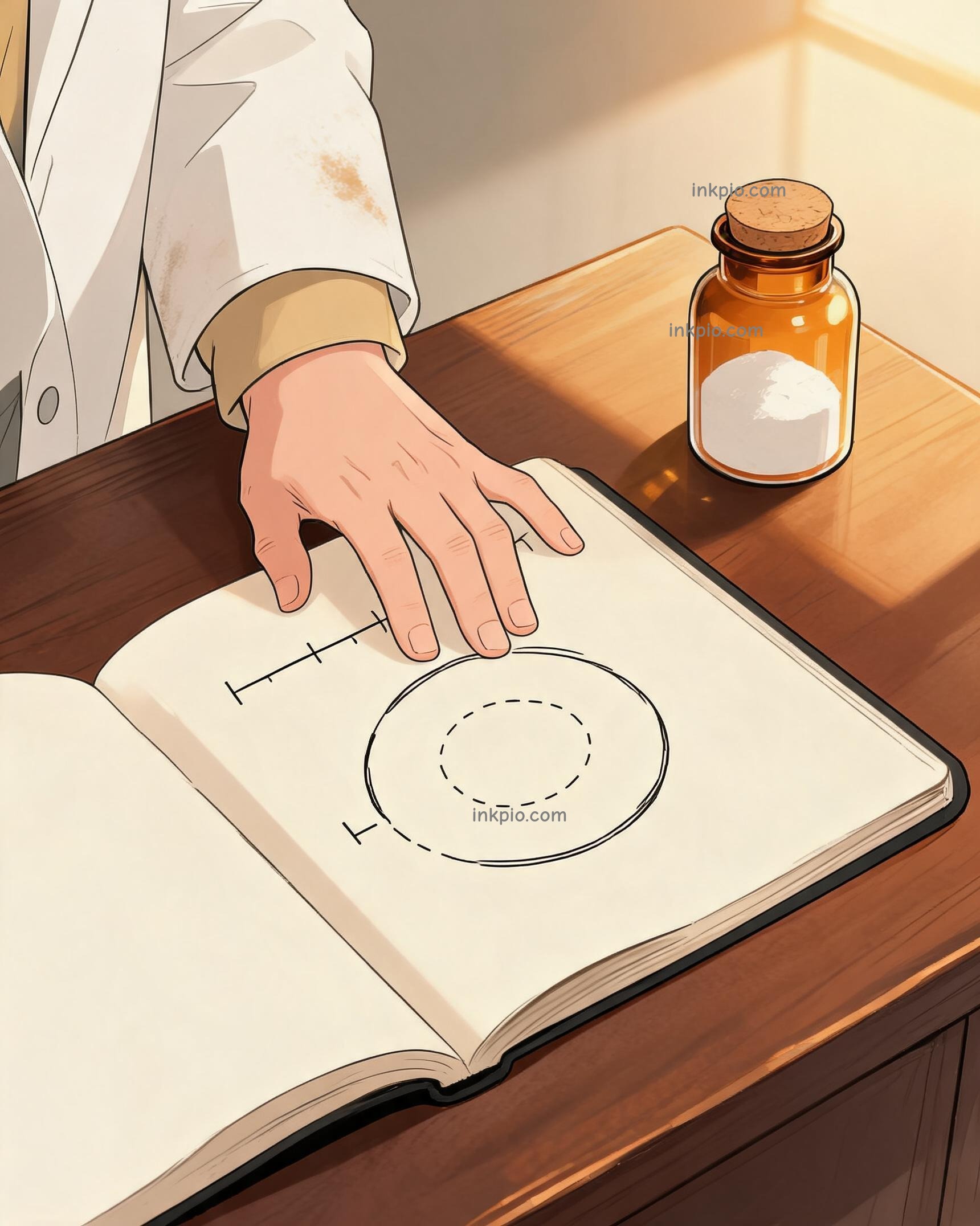

The red ledger on Selman Waksman’s desk was not just a record of failure; it was a graveyard. Each entry represented a patient who had swallowed a synthetic compound in the early 1940s, hoping for a cure, only to suffer toxic collapse while the tuberculosis bacilli continued their relentless feast. Waksman pushed his chair back, the legs scraping harshly against the floor. The sound echoed in the quiet lab, marking the end of an era. Chemistry had promised a sword, but it had only delivered poison. He looked down at his shoes, caked with dried mud from the walk across campus. The real war was not happening in the sterile glass vials. It was happening in the dirt.
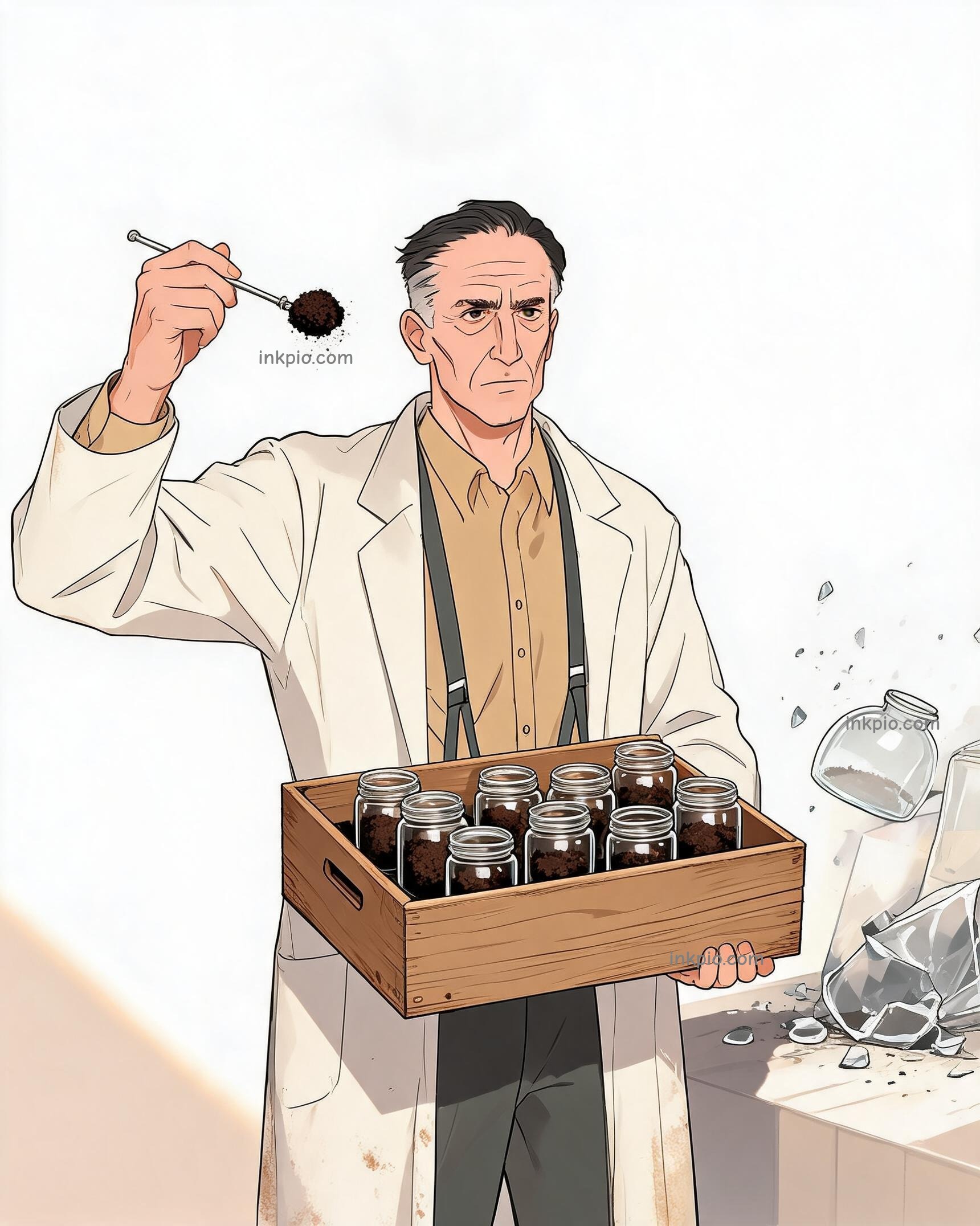
He turned away from the synthesizers. If human ingenuity could not design a weapon, perhaps nature had already forged one. Soil microbes lived in a state of constant, brutal warfare, fighting for every inch of territory. Waksman believed that somewhere in that chaotic underground battle, one microbe had evolved a specific defense against the TB bacillus. His team began to dig. They pulled clumps of earth from riverbanks and fields, treating each sample not as dirt, but as a potential arsenal. The work was tedious, unglamorous, and deeply uncertain.
In the lab, the process was methodical. They smeared the soil samples onto glass plates and seeded the edges with the deadly bacteria. Then, they waited. The logic was simple: if a soil bacterium released a killing agent, it would carve out a safe zone. A transparent ring would appear in the cloudy lawn of death. Thousands of plates lined the shelves, a silent army of glass discs holding their breath. Most dishes grew into messy, indistinguishable carpets of life. Hope dwindled with each negative result. The assistants worked in silence, the weight of the failing patients pressing on their shoulders.
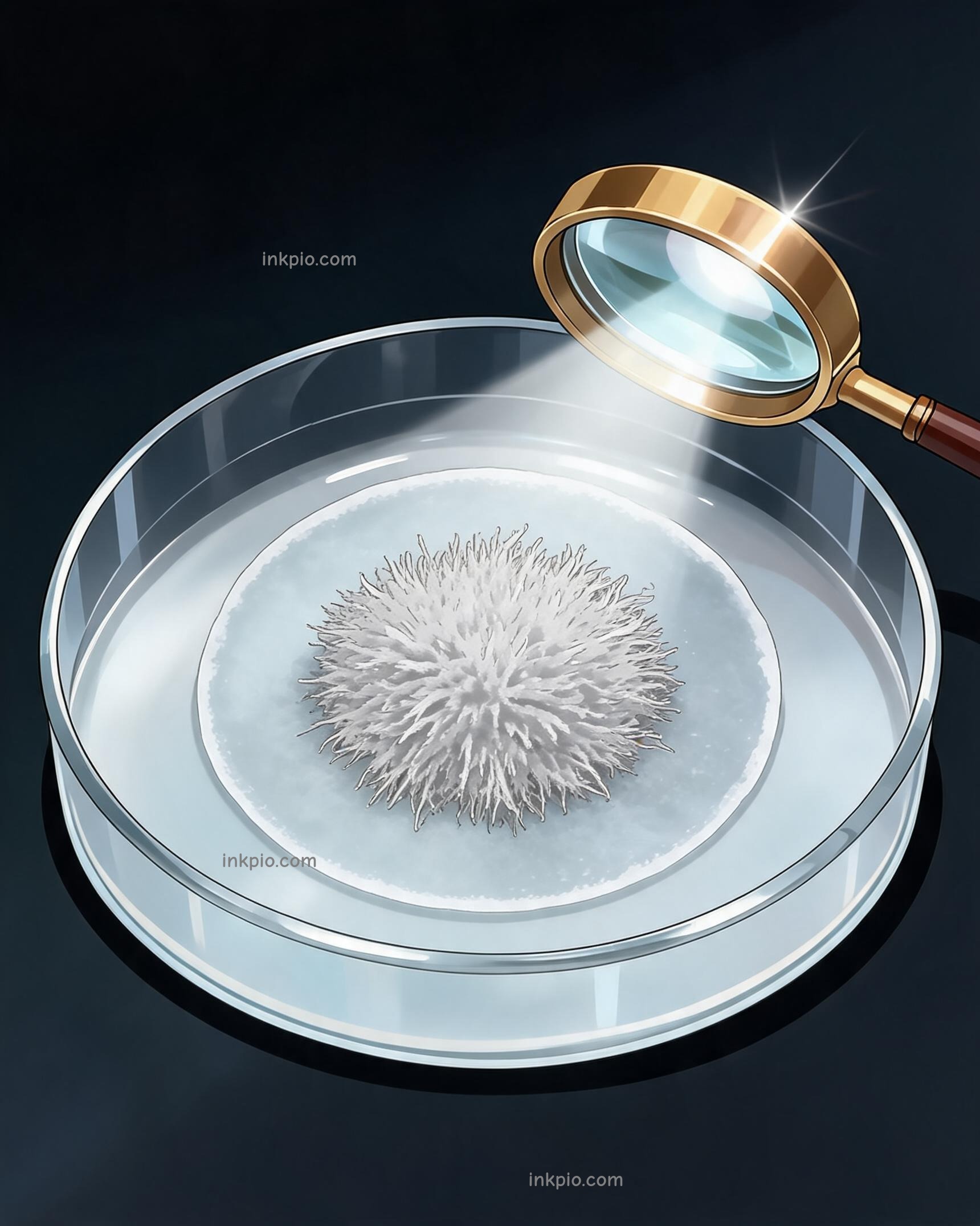
Then, the light caught something different. One plate held a patch of pale, powdery growth that looked unassuming, almost dull. But around it, the agar was perfectly clear. The tuberculosis bacilli had tried to spread, hitting an invisible wall, and simply stopped dividing. Waksman leaned over the glass, his breath fogging the surface slightly. He did not cheer. He stared at that empty circle, realizing that nature had solved a problem that had broken the best minds in medicine. The silence in the room shifted from despair to a heavy, trembling awe.
They isolated the winning microbe, Streptomyces griseus, and began the slow work of pulling the active compound from the broth. The purified powder was tested. It worked where everything else had failed. In 1943, at Rutgers University, the team confirmed that this substance, streptomycin, could safely eradicate the infection without poisoning the host. The news moved slowly through the hospital wards, changing the atmosphere from one of waiting for death to one of cautious hope. Patients who had been written off began to breathe easier.
Waksman stood in the lab after the final confirmation. The chaos of the discovery had settled into a quiet routine. He looked at his lab coat, stained with the faint residue of the earth that had saved them. He brushed the last bit of dirt from the fabric, a small, deliberate gesture. The war in the soil was over, at least for now. He folded the coat, leaving the clear ring in the glass plate behind him, a silent testament to the power of looking down when everyone else was looking up.