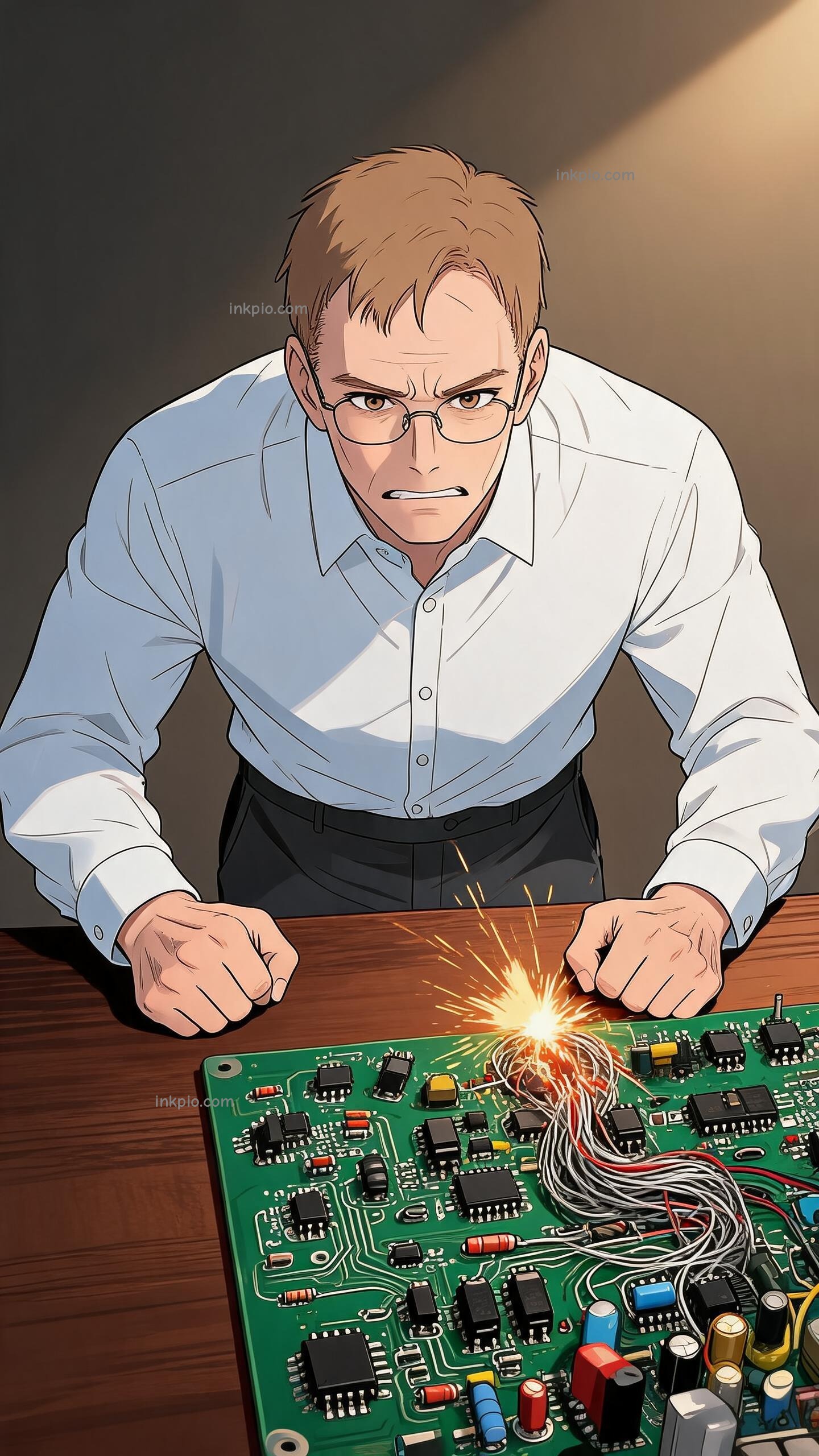

The summer of 1958 in Dallas was not just hot; it was suffocating. Inside the Texas Instruments lab, the air hung heavy with the smell of flux and stale coffee. Jack Kilby sat alone at his bench, staring at a chaotic nest of wires. To anyone else, it looked like engineering. To Kilby, it looked like a trap.
This was the 'tyranny of numbers.' Every new function required more transistors, more resistors, more capacitors. Each component had to be hand-soldered by human hands that trembled with fatigue. Thousands of joints meant thousands of potential failures. A single loose connection could kill a missile guidance system or crash a computer. The industry was hitting a wall, and everyone knew it, but no one knew how to break through.
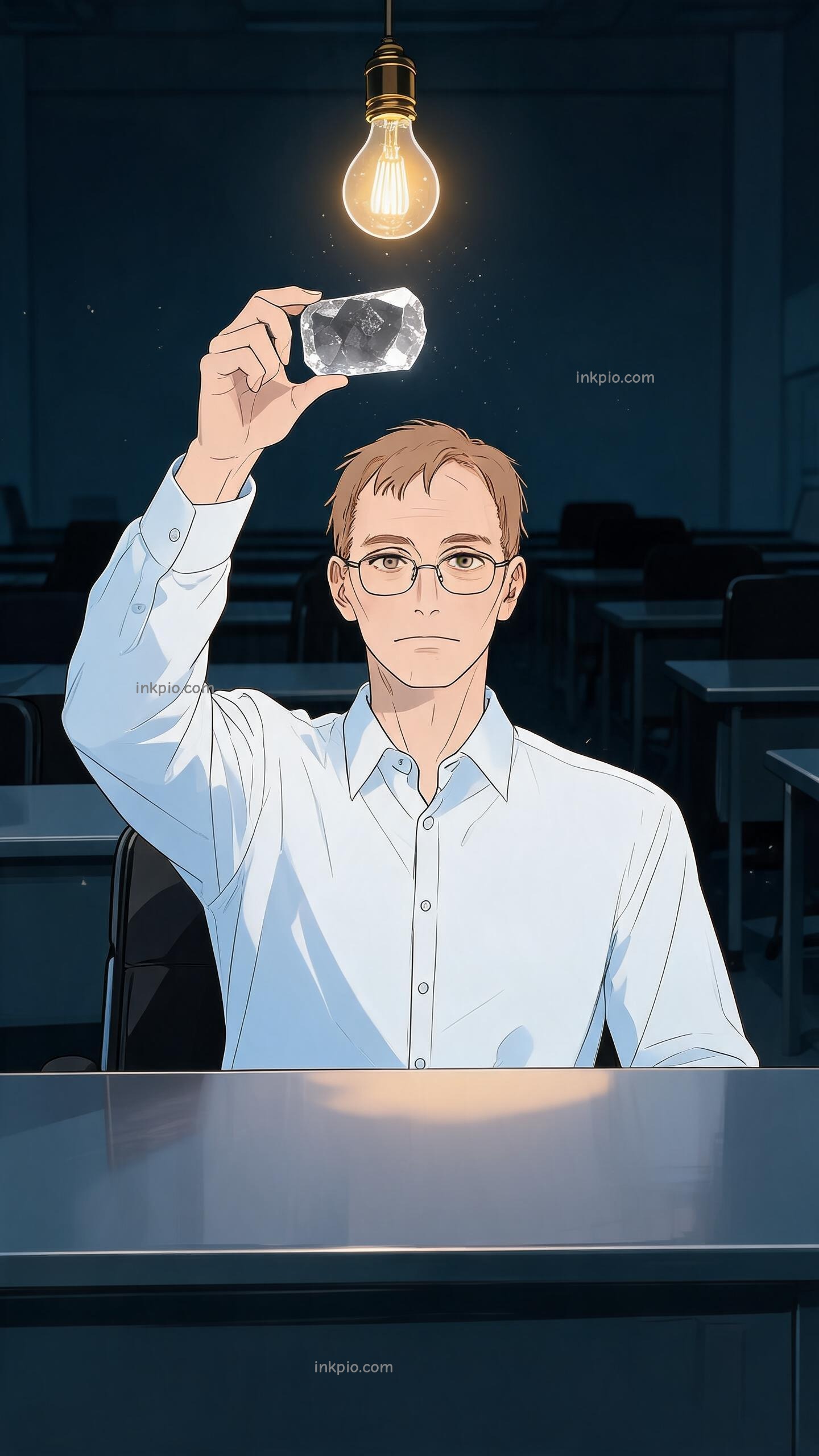
While his colleagues packed their bags for summer vacation, seeking relief from the heat and the pressure, Kilby stayed. He wasn't driven by ambition, but by a quiet desperation. He felt trapped by the physical limits of assembly. He looked at a plain gray slab of germanium on his desk. It was inert, silent, and simple. But in its simplicity, he saw an escape route.
The idea arrived not as a shout, but as a whisper. What if the components weren't assembled at all? What if they were grown? If the transistor, the resistor, and the capacitor could be fabricated from the same piece of semiconductor material, the solder joints would vanish. The circuit would no longer be a collection of parts glued together; it would be a single, monolithic entity. Complexity would not be built; it would be carved.
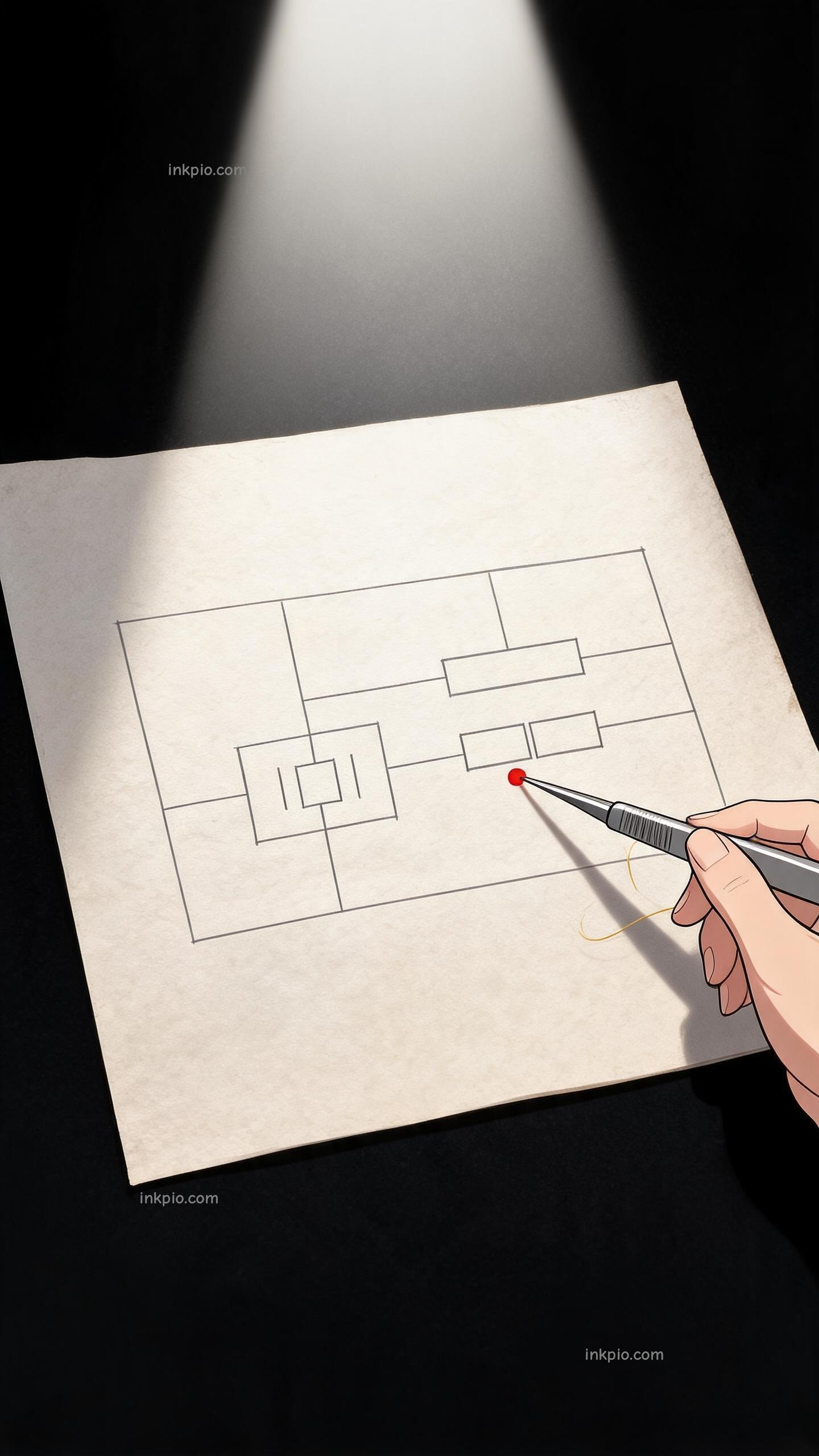
On July 24, Kilby opened his lab notebook. His hand moved quickly, sketching circuits that defied conventional wisdom. 'The following circuit ideas... could be made in a single piece of semiconductor material,' he wrote. The words were dry, technical, but they carried the weight of a heresy. He took the sketch to Willis Adcock, his manager. Adcock looked at the drawing, then at Kilby. He didn't smile. He didn't cheer. He simply handed over a chunk of raw germanium and said, 'Try it.'
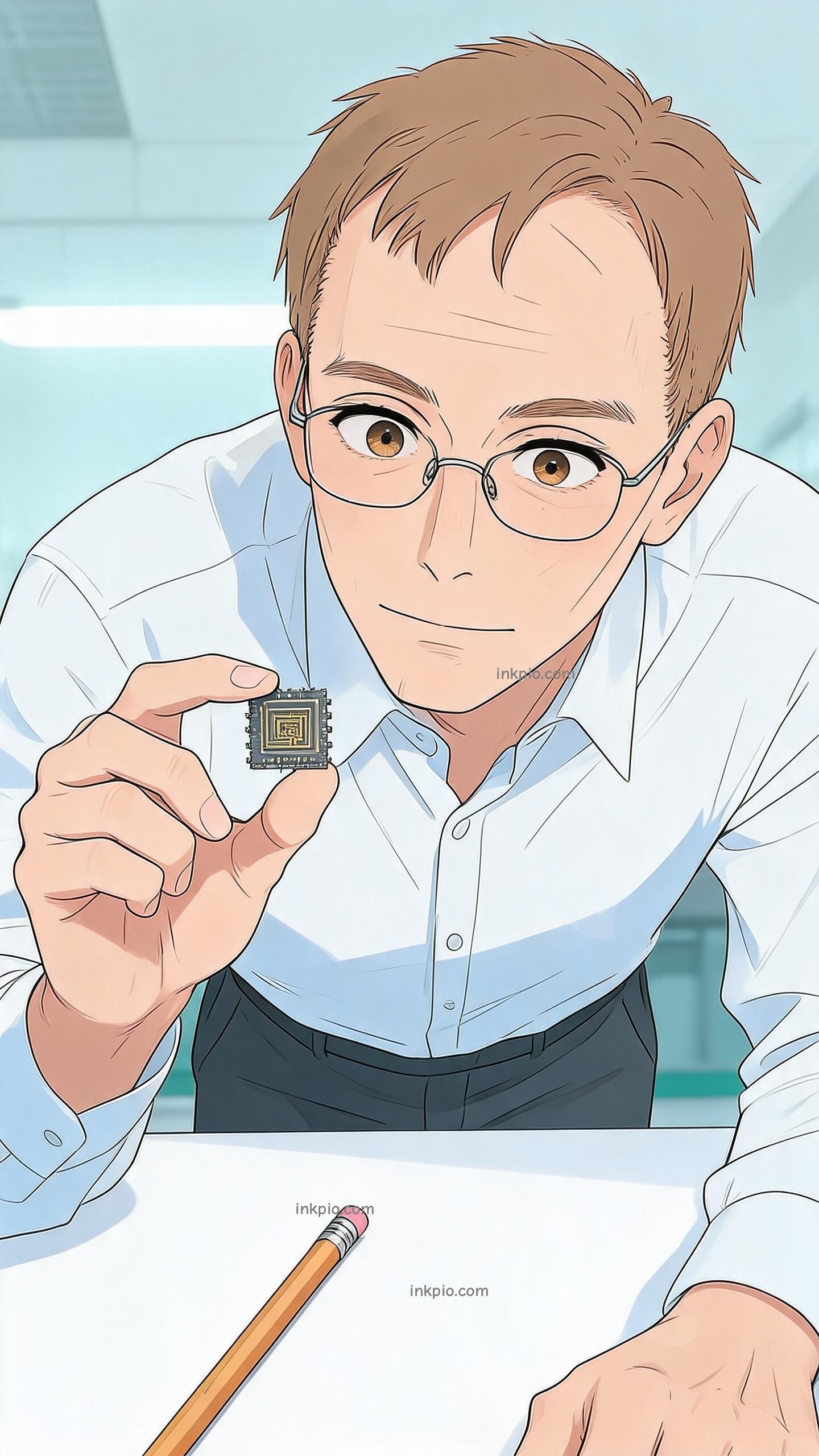
The next six weeks were a blur of isolation. The lab was empty, the silence broken only by the hum of equipment and the scratch of etching tools. Kilby worked with a focus that bordered on obsession. He wasn't just building a device; he was trying to prove that his intuition wasn't madness. On a germanium substrate measuring just 11mm by 1.6mm, he etched microscopic pathways. He bonded hair-thin gold wires to contact points, his breath held tight to avoid disturbing the delicate balance.
September 12 arrived with no fanfare. Kilby walked into the conference room where Adcock and a few others waited. He placed the tiny sliver of gray stone on the table. It looked insignificant, almost like debris. He connected the leads to an oscilloscope. The room held its breath.
He flipped the switch.
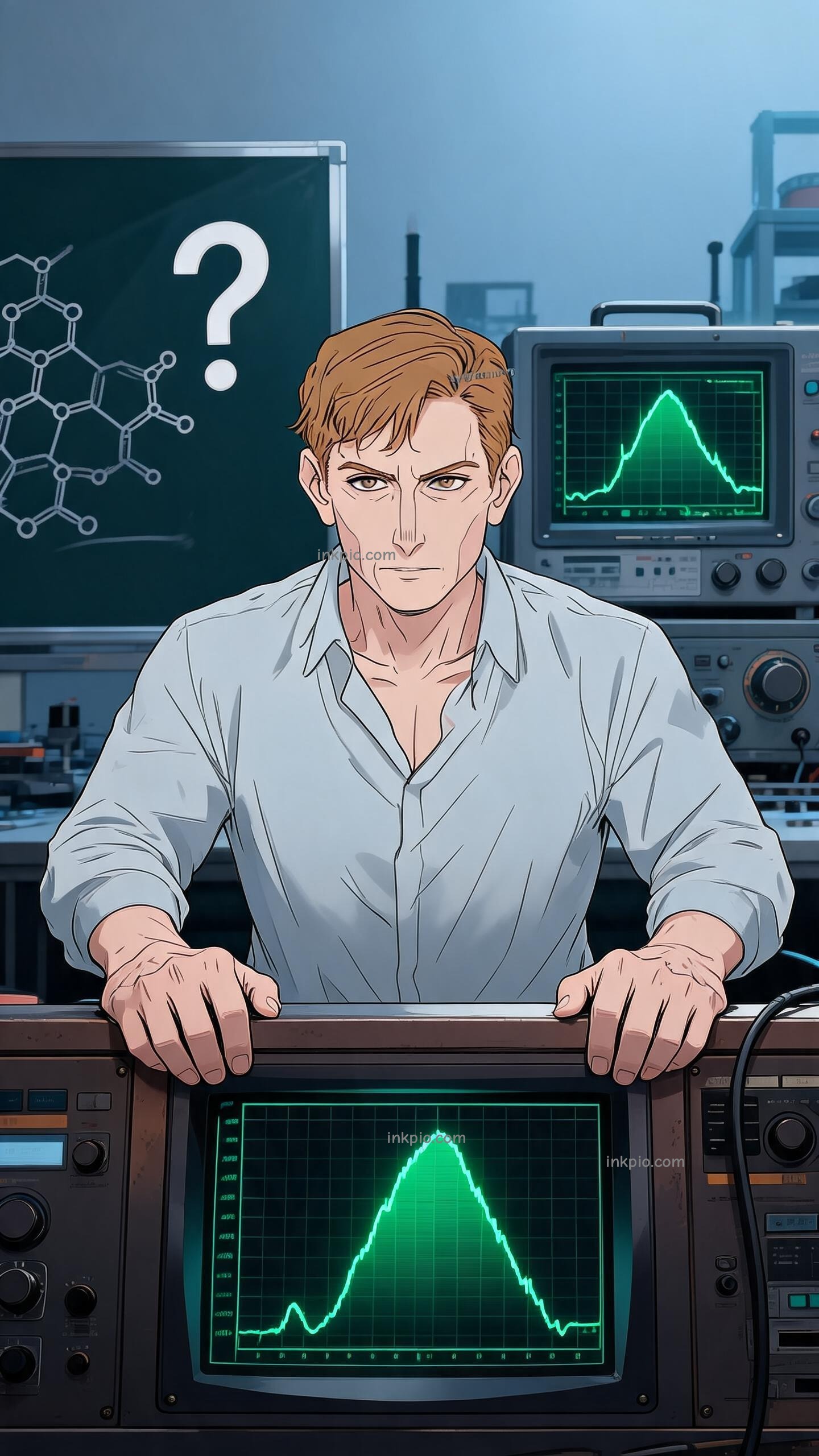
On the screen, a wave appeared. It was not jagged or erratic. It was a perfect, steady sine wave, pulsing with rhythmic precision. The phase-shift oscillator worked. There were no solder joints to fail. No loose wires to spark. The circuit breathed as one.
Adcock leaned forward, his eyes fixed on the glowing green line. He didn't speak immediately. The skepticism that had defined his reaction in July evaporated, replaced by a profound, unsettling realization. He was looking at a future where electronics were no longer assembled, but manufactured. The tyranny of numbers had been broken, not by a bigger team, but by a single man in an empty room.
Kilby watched the wave oscillate, feeling the tension in his shoulders finally release. He hadn't just built a circuit. He had carved a castle out of a single block of wood, and for the first time in months, he could breathe.