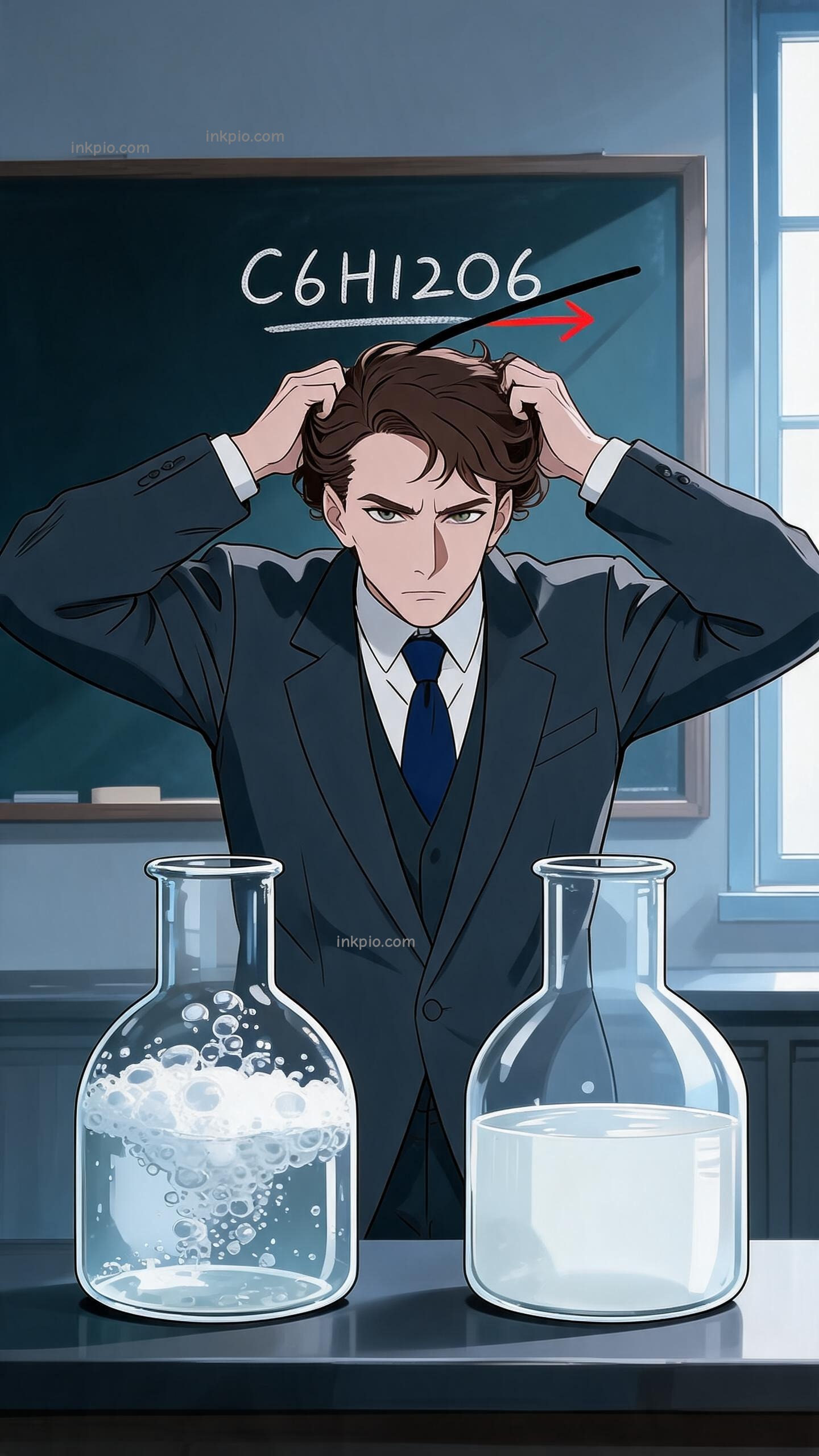
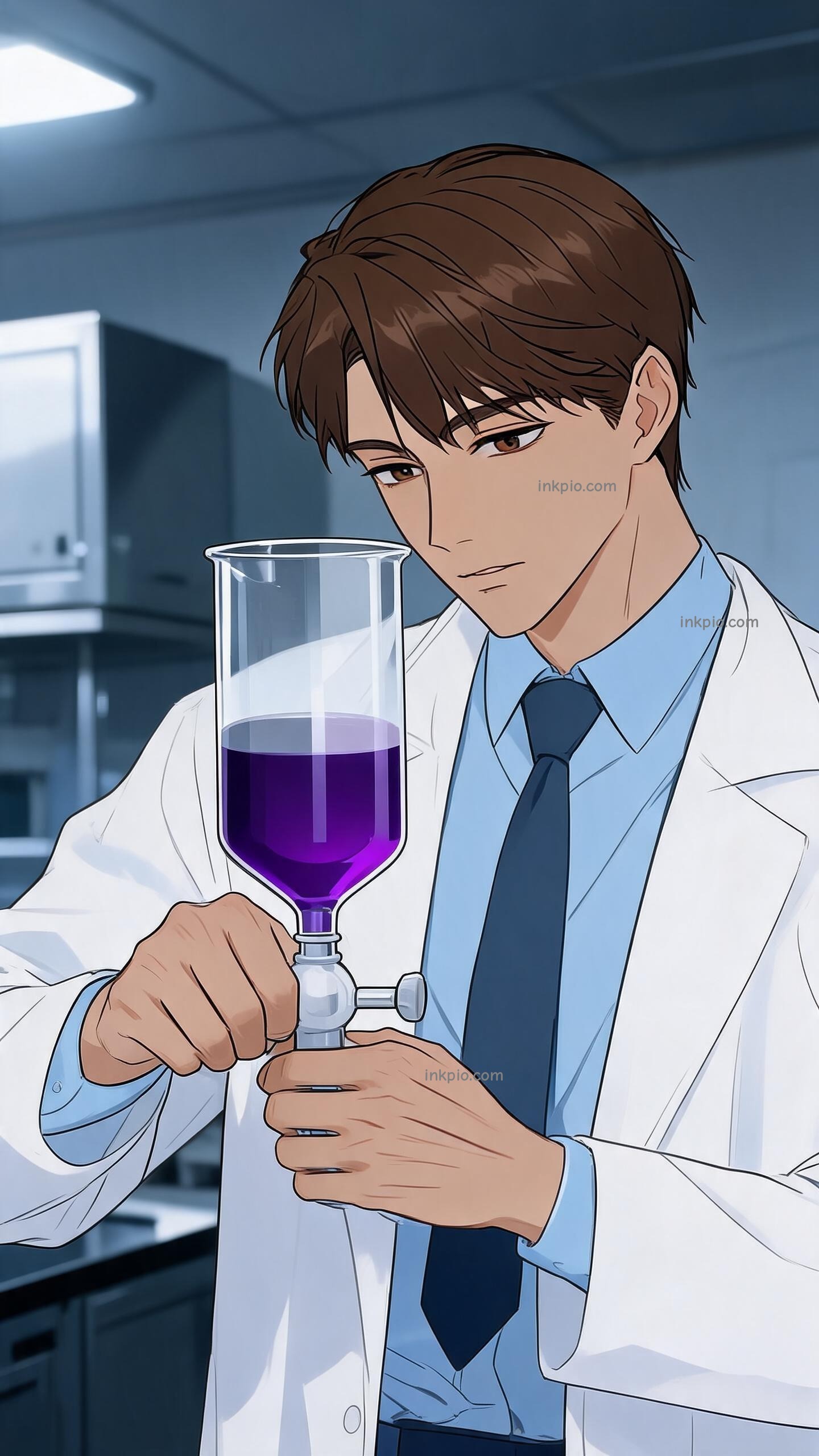
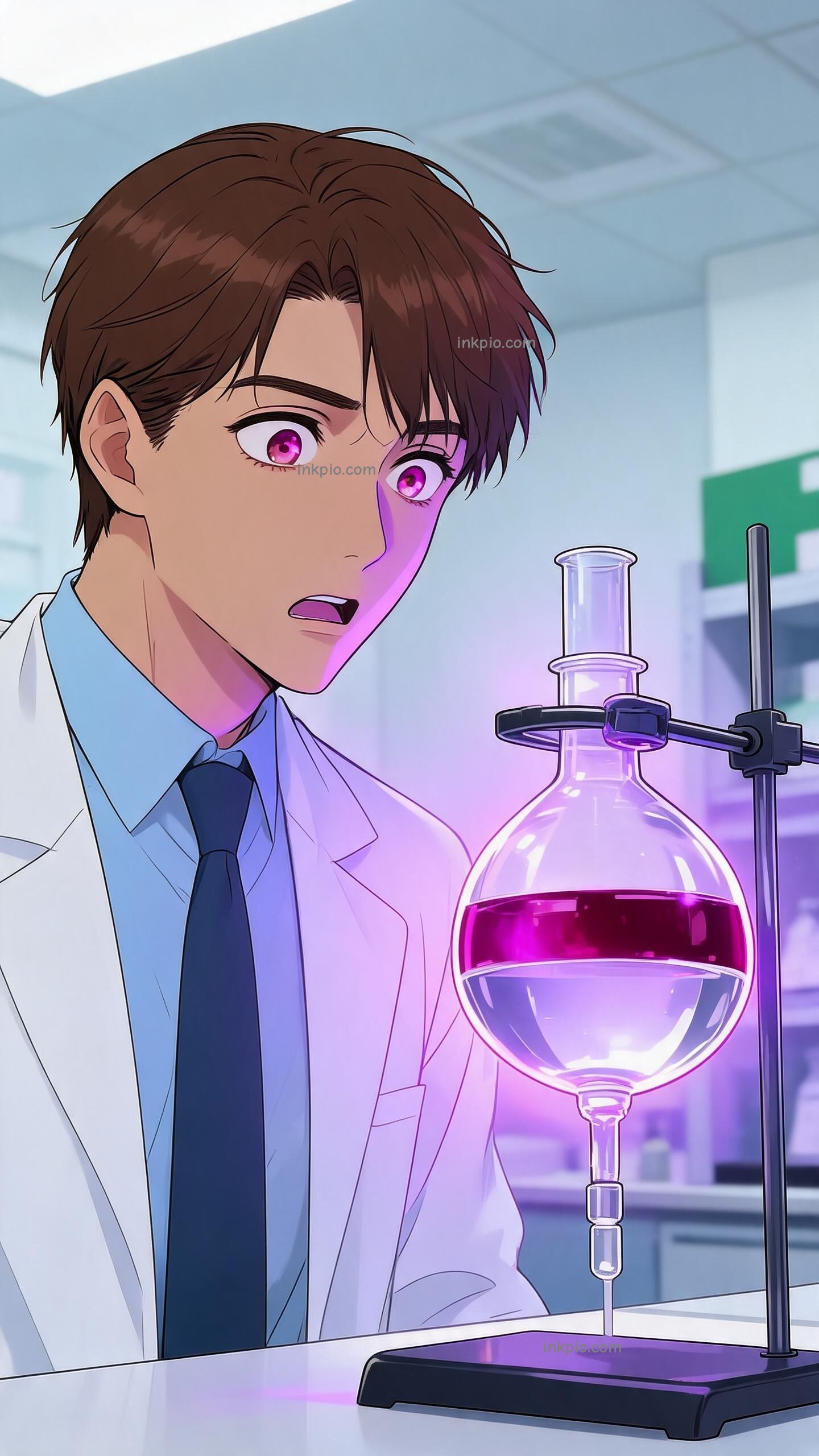

The purple water sat stubbornly in the bottom of the glass, refusing to mingle with the clear benzene above. Charles Pedersen stared at the separatory funnel, his thumb pressing hard against the stopcock until the skin turned white. It was 1967, and the silence in the DuPont lab felt heavy, not with anticipation, but with the familiar weight of a dead end. He needed potassium permanganate to dissolve in the organic layer, a simple request for a complex reaction. But the laws of chemistry were cruel: ions loved water, and oil rejected them. The boundary between the two liquids was an uncrossable border.
Pedersen’s eyes drifted from the frustrating purple layer to a small pile of white powder on his bench. Days earlier, he had been trying to synthesize a standard chelating agent. The result had been a waxy, useless byproduct that defied his expectations. "I just wanted to make a simple chelating agent, and I got this waxy stuff. I almost threw it away," he would later admit. In the rigid world of industrial chemistry, failures were trash. They were mistakes to be swept away to keep the workflow clean. But something stopped him from reaching for the waste bin. Maybe it was boredom, or maybe it was the quiet desperation of a scientist who had tried everything else.
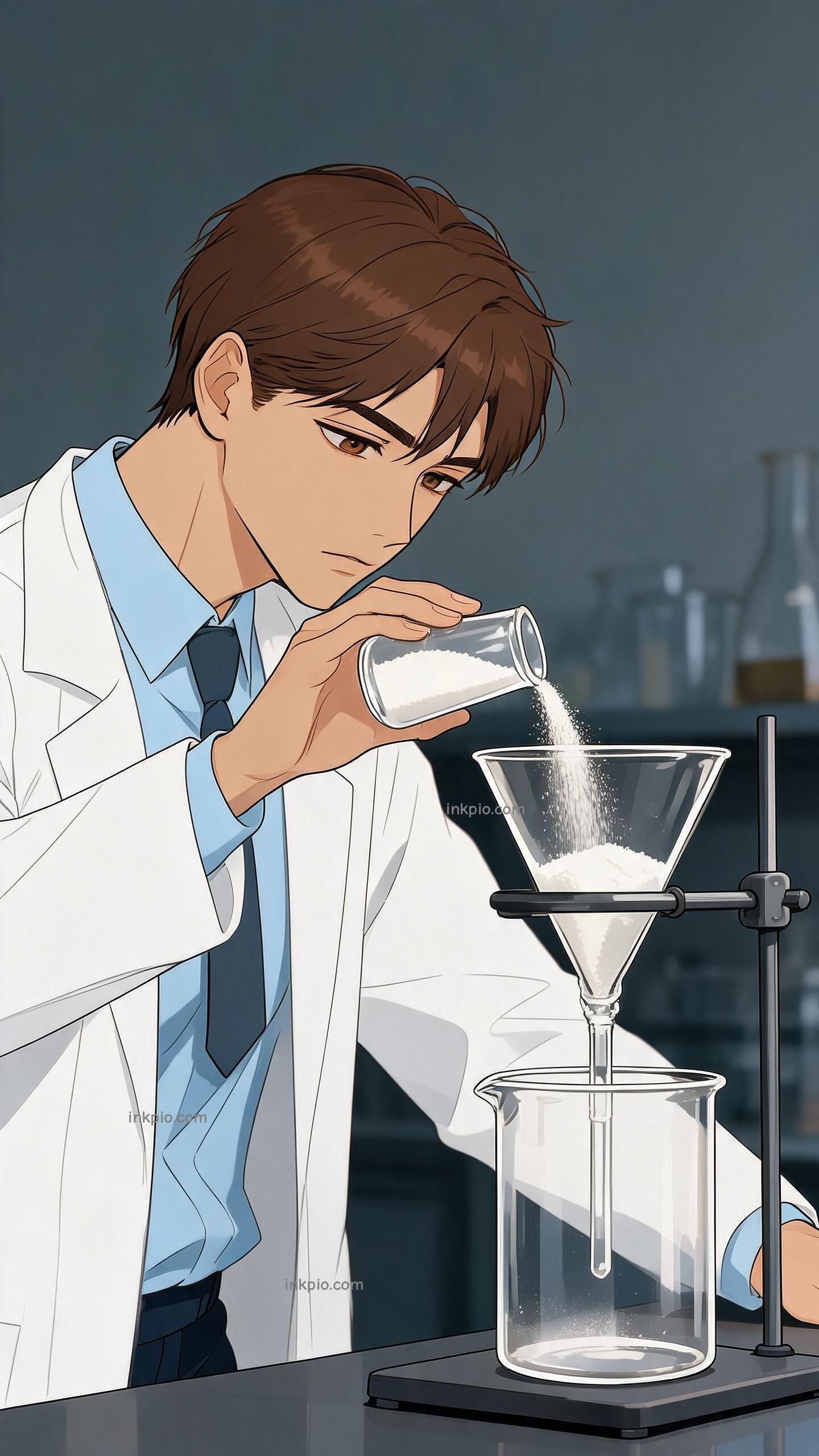
He picked up a pinch of the white wax. It felt inert, unremarkable. With a shrug that masked his underlying tension, he dropped it into the funnel. It was a gesture of surrender, a final attempt before giving up on the experiment entirely. He shook the glass gently, watching the white particles swirl into the mixture. He expected nothing. He expected the wax to clump, to sink, to prove once again that it was garbage.
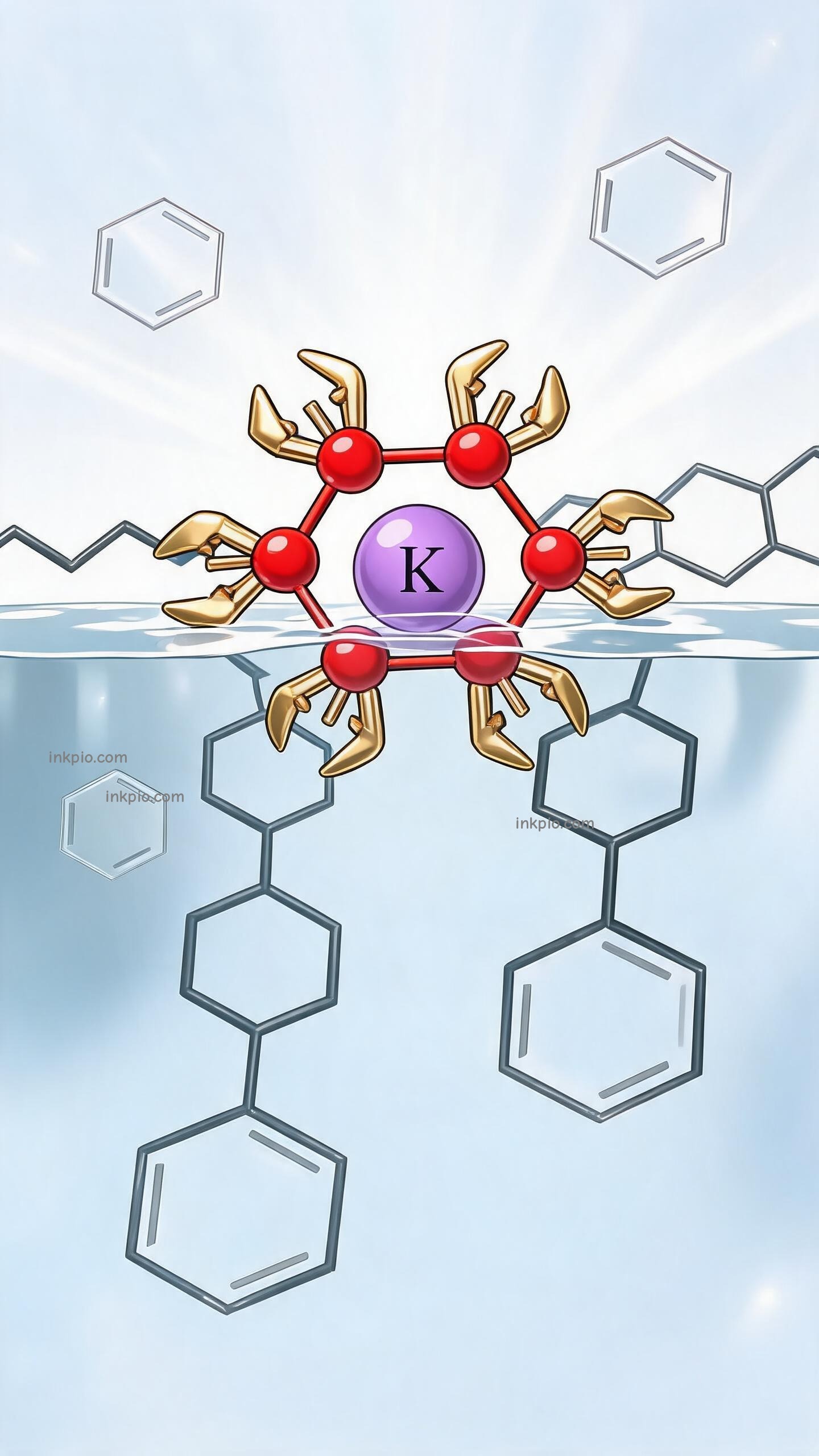
But the molecule had a secret architecture. Imagine a crab, its hard shell formed by carbon chains that felt perfectly at home in the oily benzene. Inside this shell, oxygen atoms pointed inward, forming a ring like open claws. These claws were hungry for one thing: the potassium ion. As the wax dissolved, these molecular claws snapped shut around the potassium, hiding the charged ion inside a neutral, oil-loving cage. The trapped salt became the input; the claw’s grip was the operation; the smooth ride into the oil was the output. It was a chemical ferry, built by accident, ready to cross the forbidden border.
Pedersen leaned in, his breath held tight in his chest. The change did not happen with a bang, but with a slow, eerie creep. The intense purple color began to lift from the water layer. It bled upward, defying gravity and logic, staining the clear benzene above. The bottom layer, once vibrant with salt, turned ghostly clear. The top layer glowed with a brilliant, unnatural magenta. The barrier had been breached.
He stood back, the hum of the lab ventilation suddenly loud in his ears. This was not just a solubility trick. He had watched a molecule perform a task no one had taught it to do. The "failure" on his bench had reached out, grabbed hold of the impossible, and dragged it into the light. Pedersen looked at the glowing oil, feeling a strange mix of relief and disorientation. The rules he had relied on for decades had just bent. He realized he wasn't looking at a solved problem, but at a new language of chemistry that he had accidentally spoken. The waxy trash sat at the bottom of his mind now, not as waste, but as a key. He left the funnel on the bench, the purple oil swirling slowly, waiting for someone to understand what it had just said.