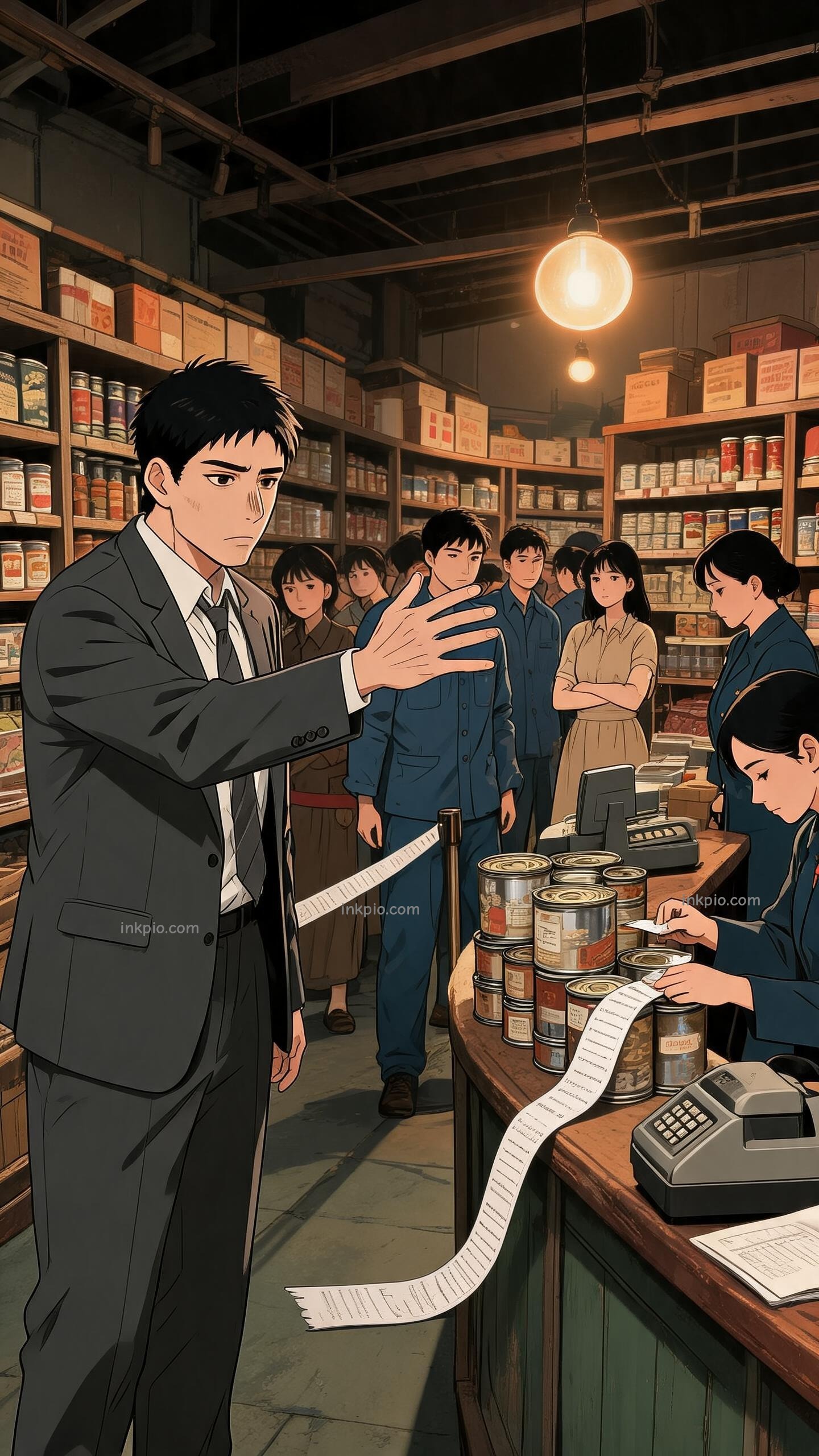

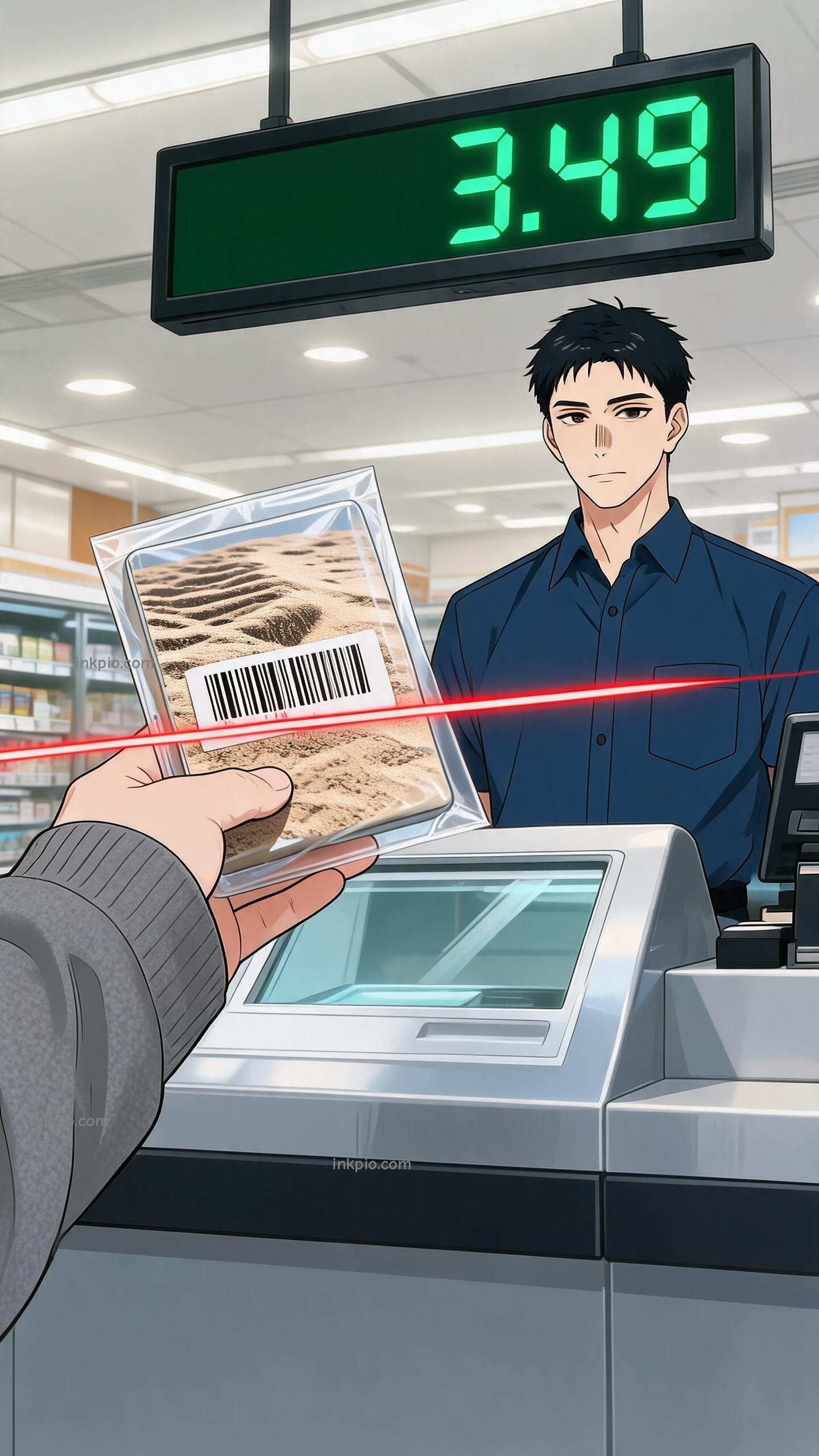

The executive’s hand didn’t just slam the desk; it trembled with the weight of a collapsing business. In 1948, the air in Philadelphia grocery stores was thick with frustration. Checkout lines snaked out the door, customers fuming as cashiers manually punched in prices for every single item. The system was choking on its own complexity. Desperate, the executive traveled to Drexel Institute of Technology, not to negotiate, but to beg. He needed a miracle that could read a price without human hands slowing down the world.
Bernard Silver listened, sensing the panic behind the man’s polished suit. He shared the burden with his colleague, Norman Joseph Woodland. They weren’t just solving a math problem; they were trying to stop retail from strangling itself. For weeks, the problem haunted them. It wasn’t about efficiency anymore; it was about the fear that the modern world was moving too fast for its own tools to keep up.
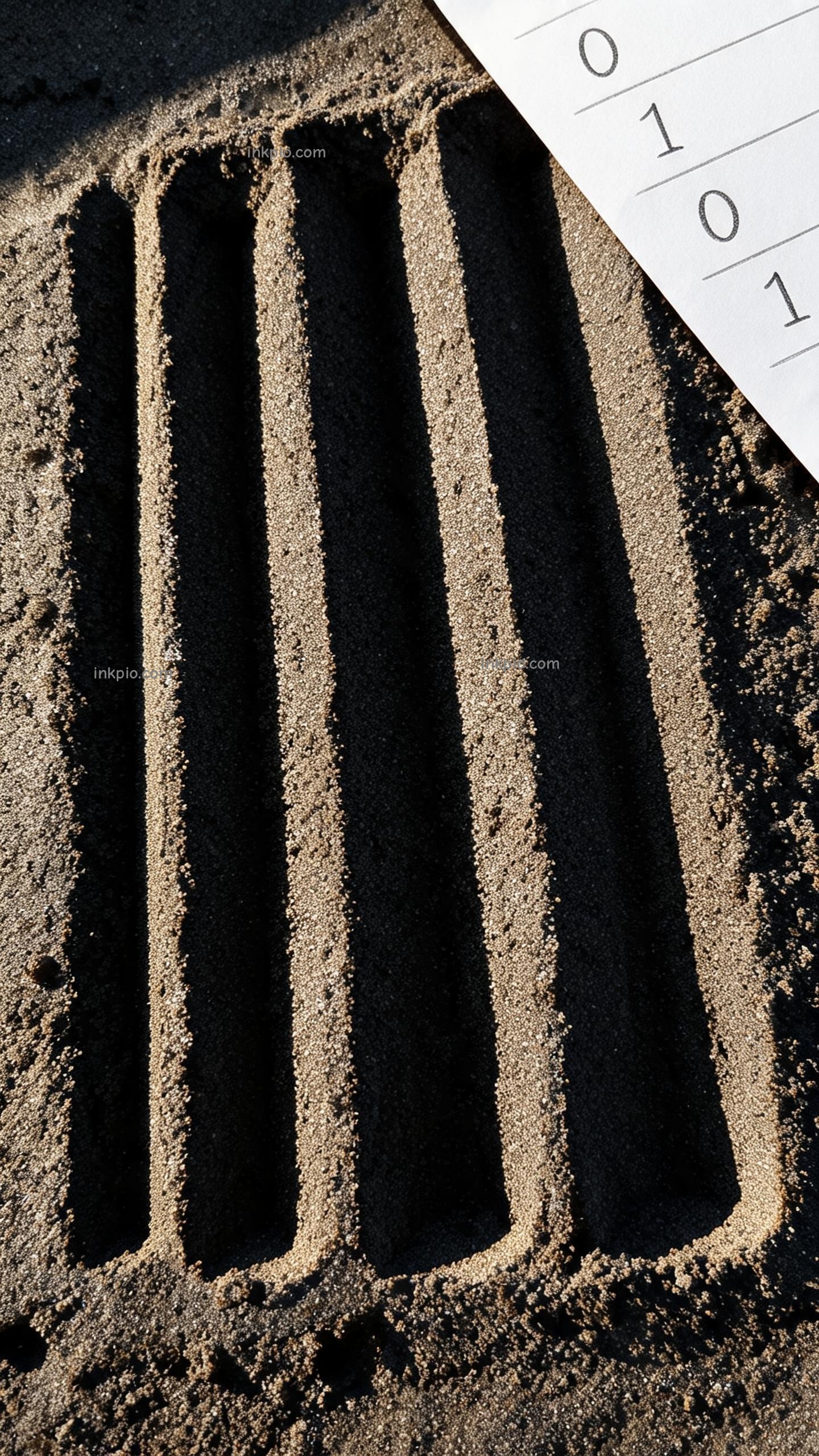
Weeks later, Woodland sought escape in Miami Beach. The sun beat down on the canvas chair, but his mind was elsewhere. He sat idle, dragging his fingers through the warm sand. The ridges formed parallel grooves, rising and falling under his touch. He watched the shadows lengthen. Suddenly, the noise of the ocean faded. The pattern clicked into place. What if he took Morse code—those dots and dashes meant for human ears—and stretched them into vertical lines?
The idea wasn’t just clever; it was visceral. Black bars would absorb light, swallowing the beam. White spaces would reflect it, bouncing the signal back. A machine could read these flashes as binary data, translating the width of a line into a specific product ID. It was visual Morse code, built for machines instead of people. Woodland didn’t cheer. He grabbed a pencil, his hand shaking slightly, and sketched the concept right there in the sand. The solution was simple, yet it felt like he had uncovered a secret language hidden in plain sight.
He and Silver filed the first barcode patent on October 20, 1949, while still at Drexel. But a sketch on a beach is a long way from a working system. Decades passed. Engineers struggled with lasers that were too weak and sensors that were too slow. The idea gathered dust, waiting for technology to catch up to Woodland’s intuition. The wait was agonizing, a silent test of faith in a concept that seemed too simple to be true.
Breakthrough finally arrived on June 26, 1974, at a Marsh supermarket in Troy, Ohio. The air conditioning hummed, masking the tension. A cashier picked up a pack of Wrigley's Juicy Fruit gum. She slid it across the glass scanner. No manual keystrokes. No hesitation. The machine read the pattern perfectly, translating the black and white stripes into a price instantly. The beep was soft, but it echoed like a gunshot in the history of commerce. It worked.
Today, that same basic trick runs billions of times a day across the globe. Shoppers slide items over glass without a second thought, unaware of the decades of frustration and the moment of clarity on a Miami beach. Every time a register beeps, it is reading the shadows Woodland drew in the sand. The sound is no longer just a transaction; it is a reminder that sometimes, the answer to a complex world is hidden in the simplest patterns we overlook.