




In 1847 Vienna, the streets outside the General Hospital became a sanctuary for pregnant women. They would rather give birth on cold cobblestones than cross the threshold of the First Obstetric Clinic. Inside those walls, death was not an accident; it was a routine. Eighteen percent of mothers died from childbed fever, their bodies burning up in agony while doctors looked on, helpless and confused. Across the hall, the Second Clinic run by midwives saw only three percent mortality. The difference was a mystery that haunted Ignaz Semmelweis.
Semmelweis was not merely curious; he was tormented. He walked the wards at night, listening to the labored breathing of dying women, feeling the weight of every name added to the ledger. He scrutinized every variable the medical establishment offered as an excuse. Was it the overcrowding? The humidity? Even the priest’s bell, ringing its solemn warning before last rites, seemed a suspect. But none of these factors explained why one ward was a slaughterhouse while the other was safe. The silence of the midwives’ ward mocked the chaos of his own.
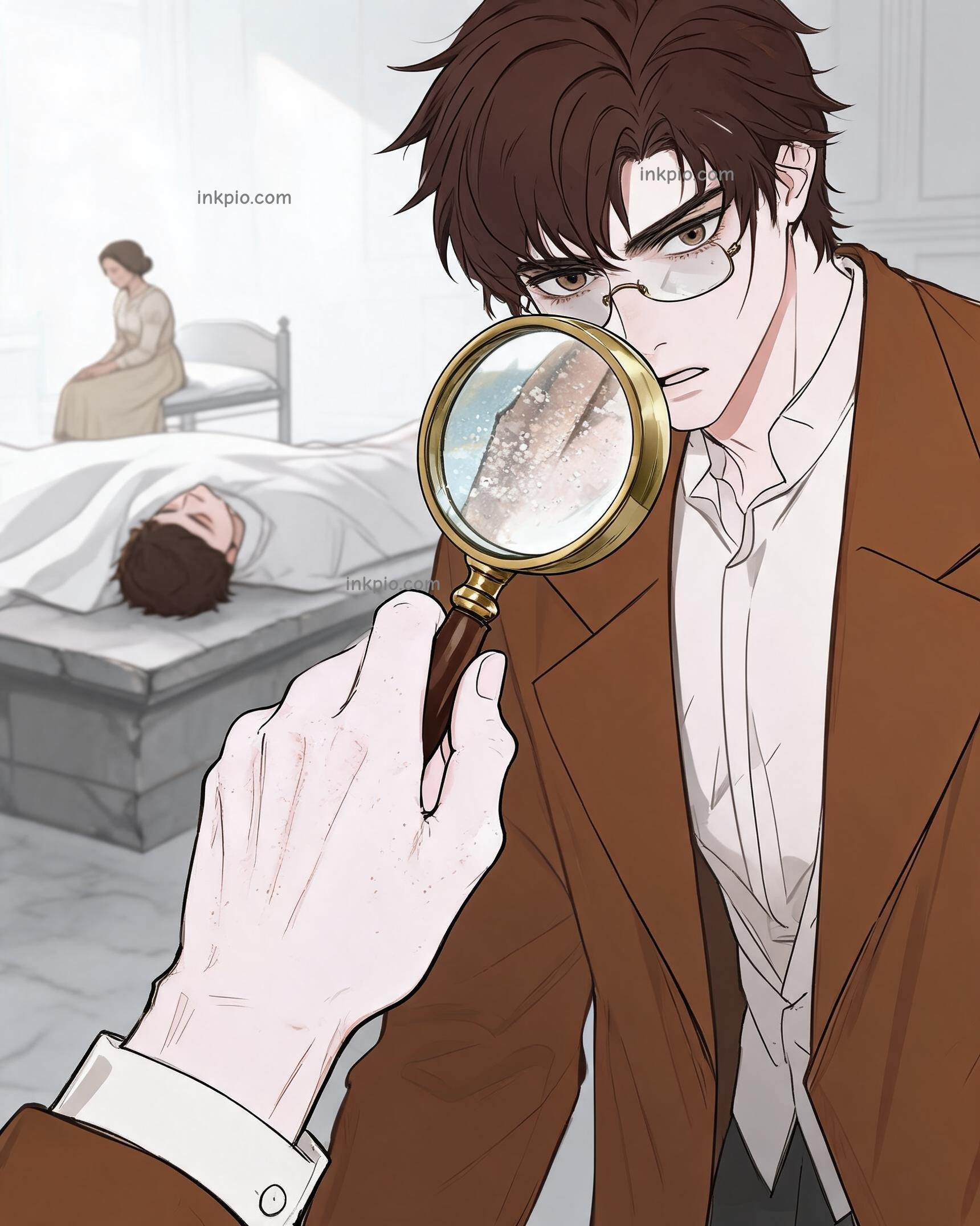
The breakthrough arrived not with a fanfare, but with a tragedy. A colleague, Jakob Kolletschka, nicked his finger with a scalpel during an autopsy. Within days, Kolletschka lay dead, his body ravaged by the same fever that killed the mothers. Semmelweis stood over the corpse, staring at the swollen tissues, and felt a chill that had nothing to do with the morgue’s temperature. The symptoms were identical. The realization hit him with physical force: the students were carrying death on their hands.
They moved directly from the dissection table, where they probed rotting cadavers, to the delivery beds, where they examined living women. Their hands were coated in invisible cadaver particles. Semmelweis visualized it clearly: like a carpenter who chops wood and then kneads dough without washing, the students were transferring sawdust and dirt into the bread. Here, the input was a dissected corpse, the operation was a pelvic exam, and the output was a fatal infection. The gentlemen doctors were unwitting executioners.
He issued a strict, unpopular order. Before touching any patient, every doctor had to scrub their hands in a chlorinated lime solution. The chemical was harsh, stripping the skin and leaving a pungent smell that lingered long after the shift ended. But the smell was the scent of survival. As the chlorine dissolved the invisible particles hiding in the creases of their skin, the death rate in the First Clinic collapsed. It plummeted from eighteen percent to one percent. Hundreds of women who would have been buried were now walking out with healthy infants.
Yet, saving lives did not earn Semmelweis gratitude; it earned him contempt. The medical elite felt personally insulted. To suggest that a gentleman’s hands could be dirty was to attack his very identity. Senior professors refused to wash, viewing the chlorine ritual as a humiliation. They mocked Semmelweis, dismissing his data as coincidence and his theory as absurd. The establishment closed ranks, protecting their pride at the cost of their patients. Semmelweis watched his proof vanish under a wave of arrogance.
The rejection broke him. The man who had solved the puzzle was driven out of Vienna, labeled unstable, and eventually confined to an asylum. He died there at forty-seven, beaten and forgotten by the very profession he tried to save. But back in the hospital, the routine continued. The chlorine tub remained. Every time a mother left the clinic holding her baby, her survival was a quiet, stubborn rebellion. She did not know the name of the man who saved her, but her life was his enduring argument against the darkness.