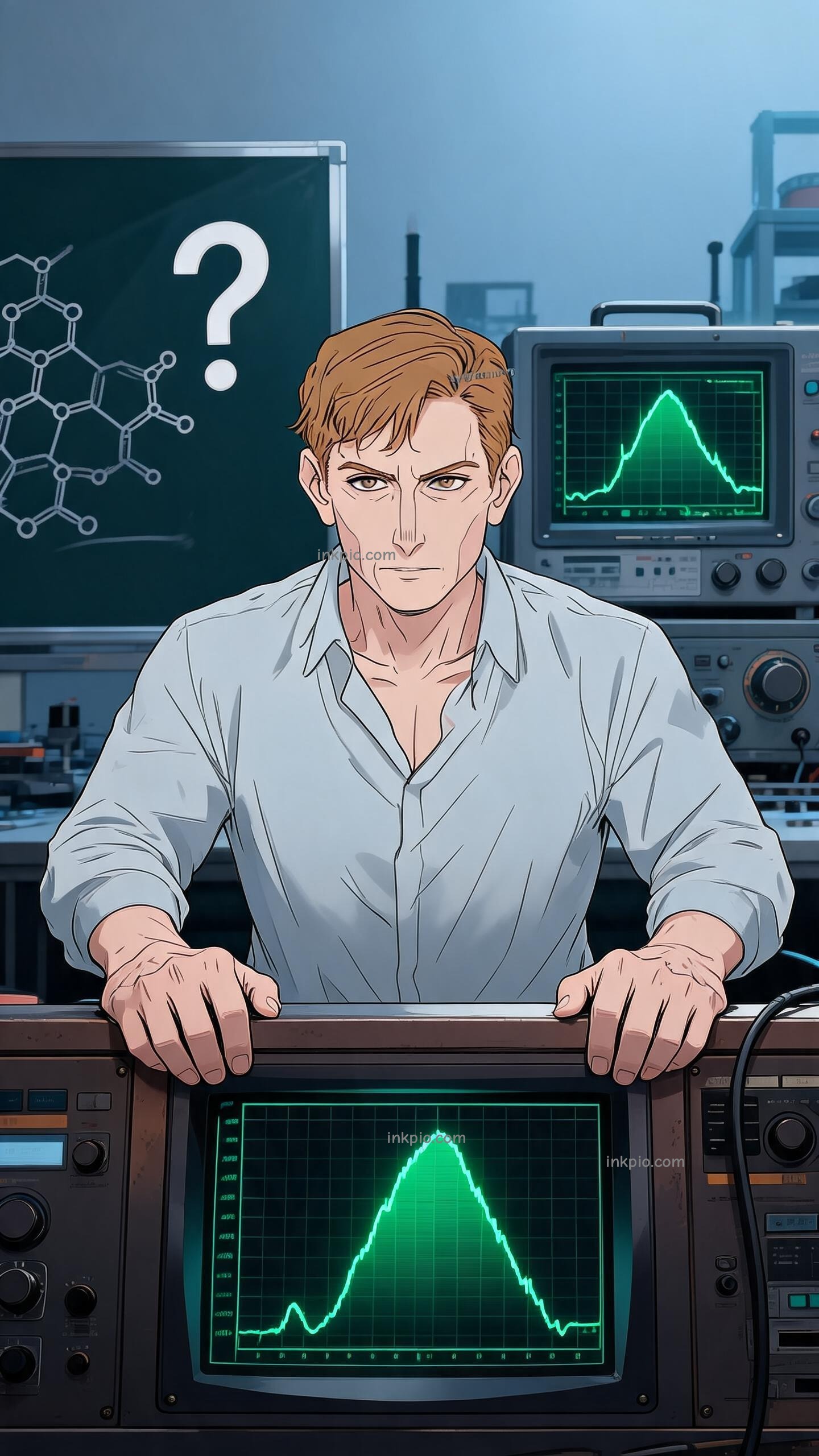
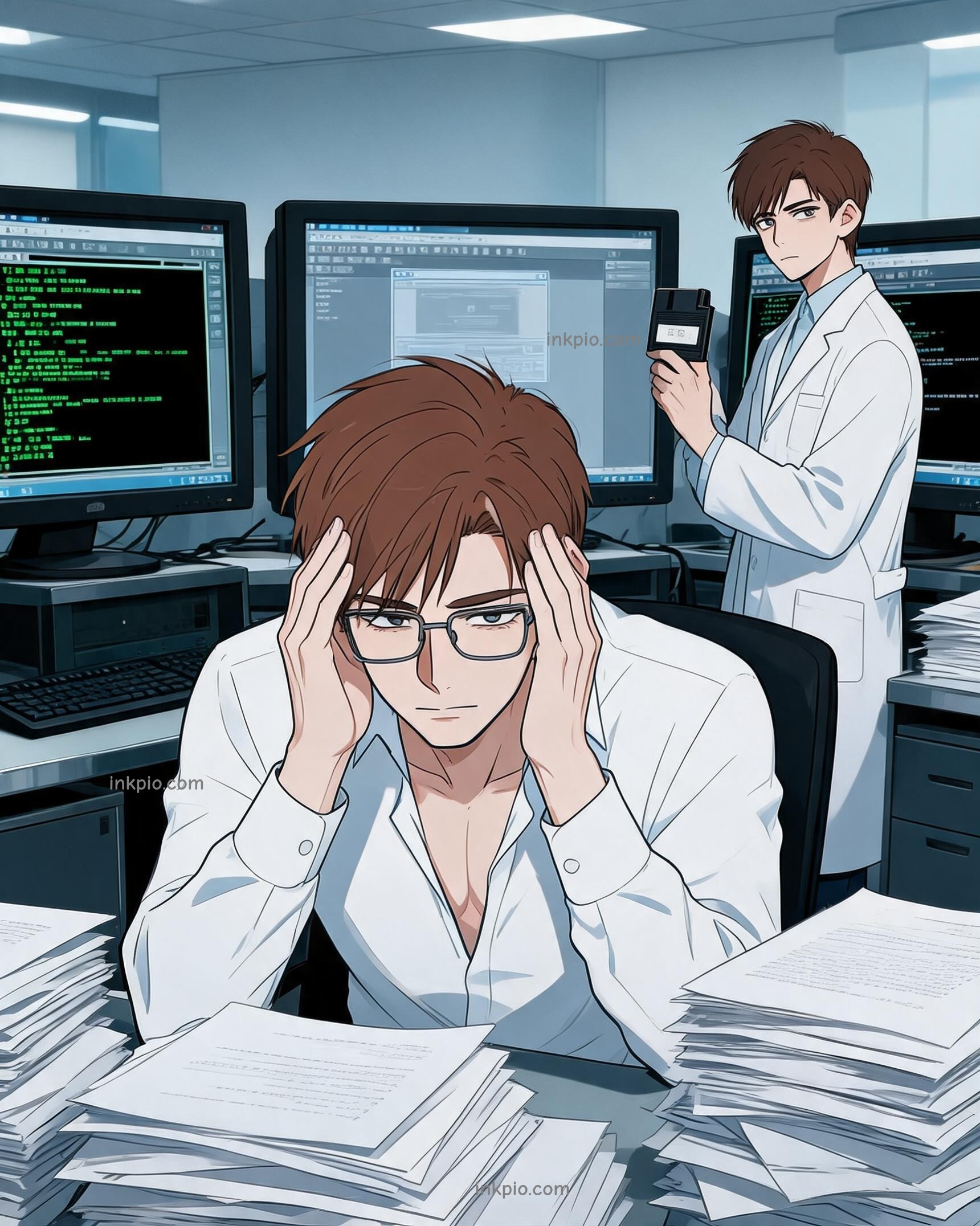



The silence in Tim Berners-Lee’s office at CERN was not peaceful; it was heavy with frustration. Outside, the world’s brightest minds were colliding particles to understand the universe’s origins. Inside, those same minds were losing hours, sometimes days, to a trivial enemy: bureaucracy encoded in silicon. Thousands of research documents sat trapped on isolated machines, speaking incompatible languages. To find a colleague’s paper meant logging into a different terminal, guessing a forgotten password, and digging through directory structures that made no sense. The information existed, tangible and vital, yet it remained unreachable. It felt less like a library and more like a maze where every door was locked.
Tim stared at the scattered data, feeling a growing sense of isolation. He wasn’t just annoyed by inefficiency; he was disturbed by the fragmentation of human knowledge. If physicists couldn’t share their work easily, how could humanity ever hope to solve its bigger problems? He saw a simple fix, but it required a leap of faith. Imagine physical notebooks spread across a giant desk. You write "See page 4" on one page, guiding eyes to another. That is hypertext. But Tim needed these notebooks to talk across rooms, buildings, and eventually, continents. He had to glue the idea of clickable links to the existing, rigid internet plumbing.
His proposal landed on his managers’ desks with a thud. They read it, frowned, and called it "vague." They wanted a neat, step-by-step upgrade for their specific VAX machines, not a wild dream of a universal information space. To them, Tim’s vision looked like chaos disguised as order. They didn’t see the web; they saw extra work. Tim felt the sting of dismissal, but he also felt a quiet stubbornness. He realized that asking for permission would only slow him down. So, he stopped talking. He turned back to his NeXT computer, a sleek black cube that seemed to hold more promise than the skeptical faces in the conference room.
For months, the only sound in his office was the clacking of keys. Tim built the software from scratch, translating his grand theory into cold, hard lines of code. He created an address system to find computers, a language to request files, and a format to display them. Input was scattered data; the operation was linking it with standard rules; the output was a single, readable web. He worked late into the night, driven by a fear that this idea might die if he didn’t breathe life into it himself. There was no team, no budget, just a man and his machine against the inertia of an institution.
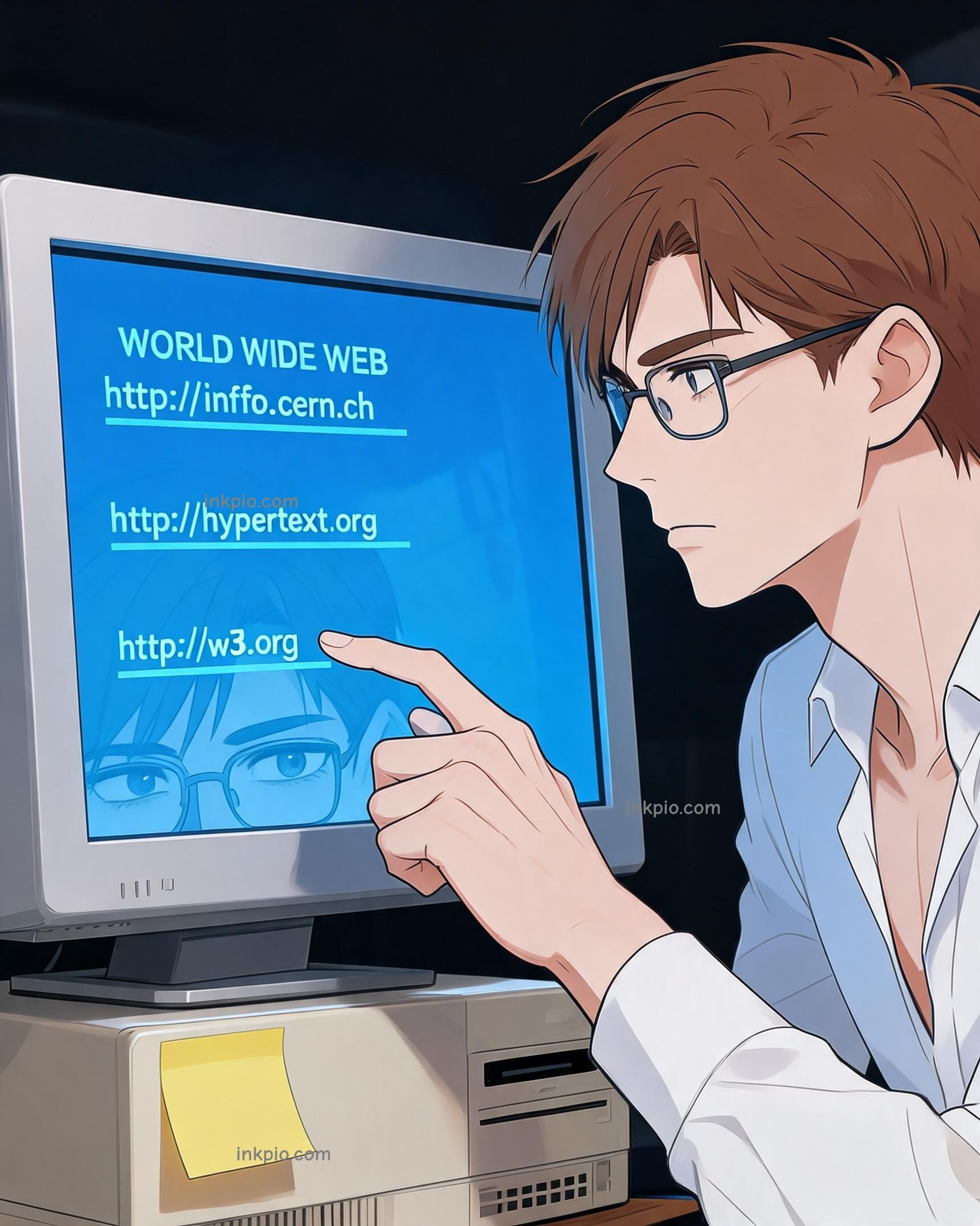
By December 1990, the code was ready. On Christmas Day, while the rest of the world celebrated, Tim sat alone in the cold lab. His NeXT computer hummed, running both the first web browser and the first web server. He typed in the address: info.cern.ch. The screen flickered, then stabilized. A simple page appeared, describing the World Wide Web project itself. Blue underlined links waited, silent and unassuming. These were not just decorations; they were bridges waiting to be crossed. HTML, HTTP, and URLs had arrived, born from solitude and persistence.
Tim leaned back, his heart beating slightly faster. He moved the mouse and clicked the first blue link. The screen jumped instantly to a new document. No passwords. No waiting. No confusion. Just information, flowing freely. He remembered his earlier thought: take hypertext, connect it to TCP and DNS, and — ta-da! — the World Wide Web works. But in that quiet moment, there was no audience to applaud. There was only the glow of the monitor reflecting in his glasses, and the sudden, profound realization that the walls between minds had just begun to crumble. He sat there for a long time, watching the cursor blink, knowing that nothing would ever be the same again.