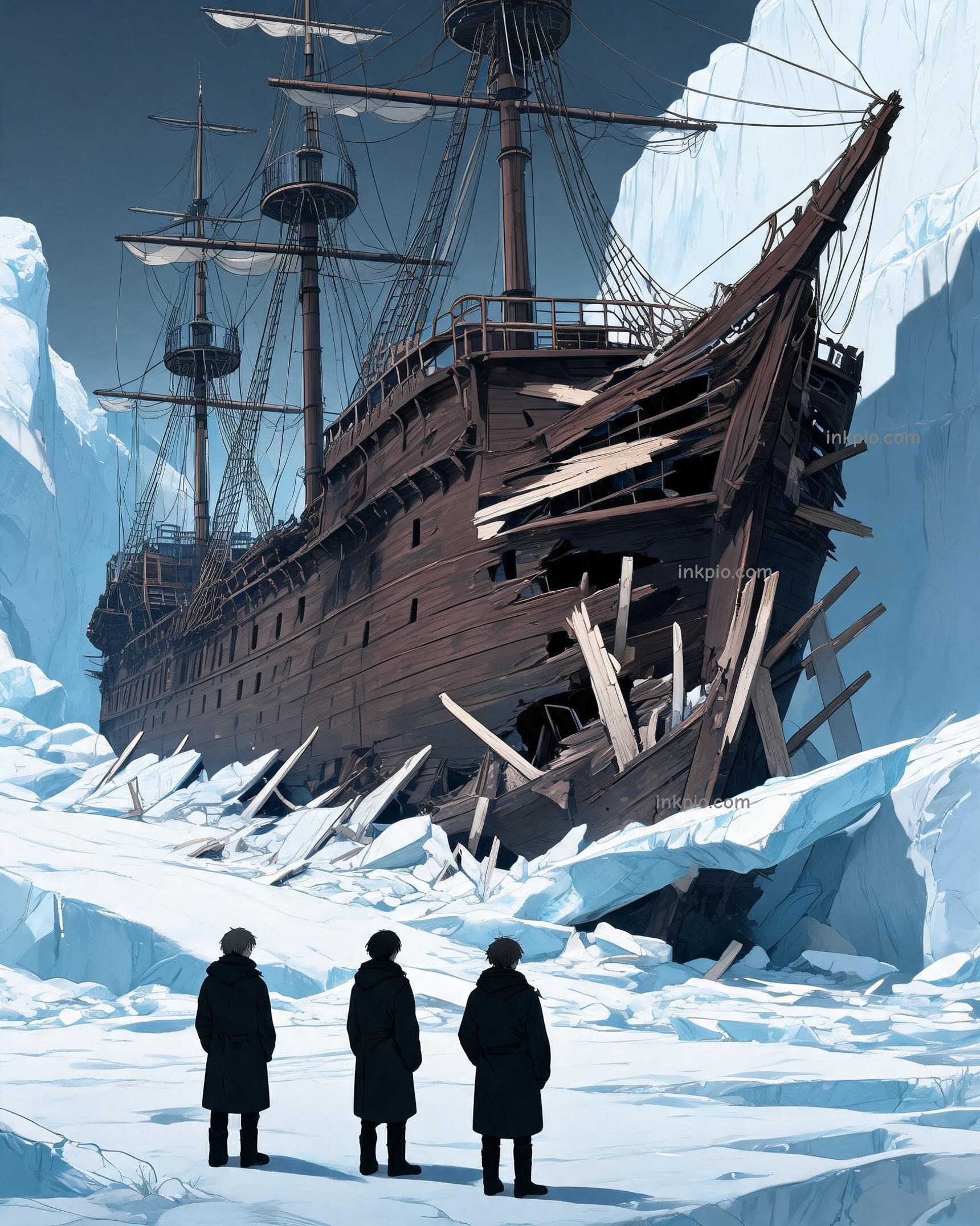
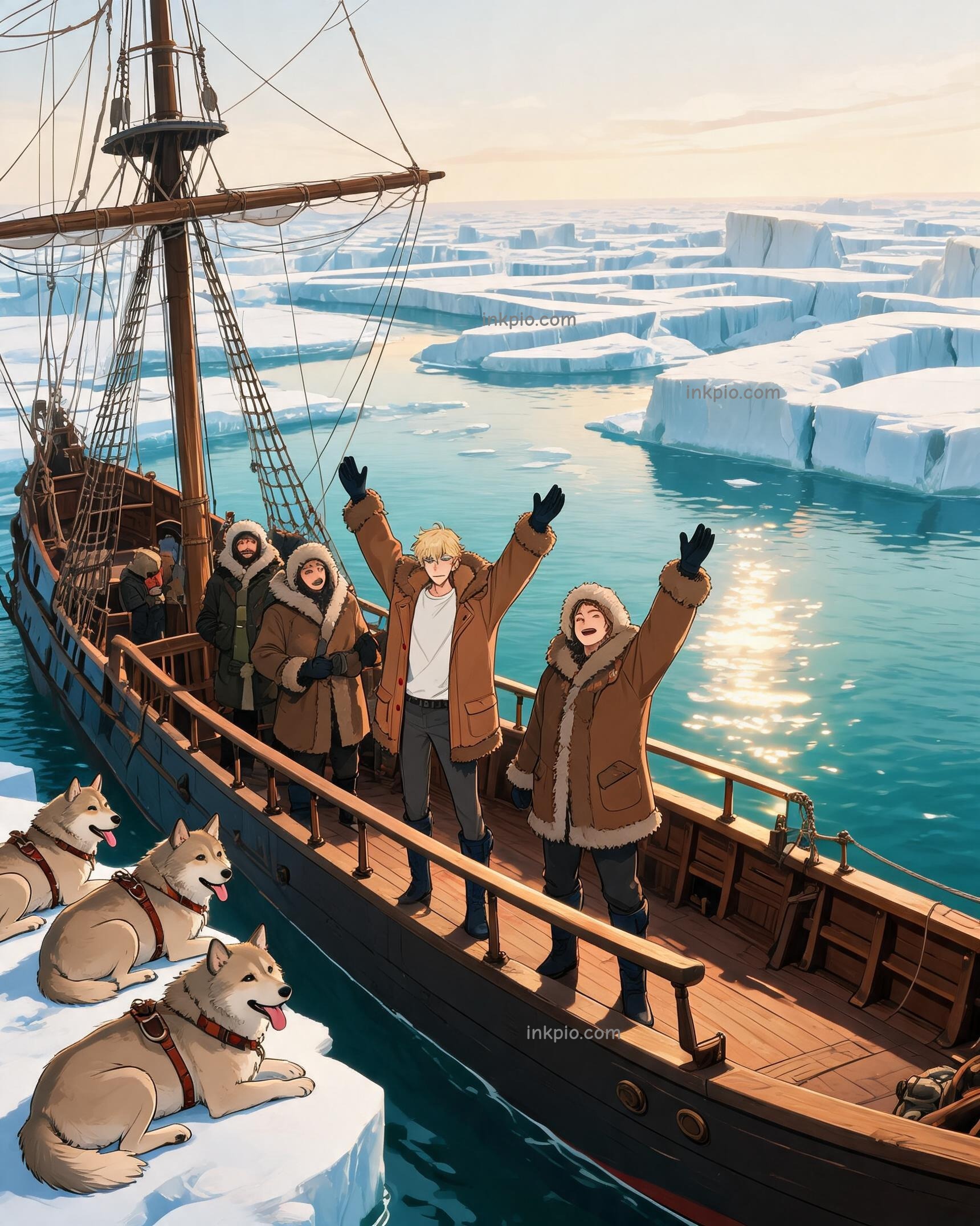

The Arctic does not negotiate. For centuries, European admirals sent oak-hulled leviathans to batter the ice, treating the frozen ocean like an enemy to be subdued. The ice always won. Ships like Franklin’s were crushed into splinters, leaving crews to vanish into the white silence, victims of scurvy and starvation. Roald Amundsen studied these gravesites not with horror, but with a cold, calculating clarity. He saw the arrogance in every broken hull. The Europeans were trying to punch a ghost.
Amundsen realized that survival here required surrender, not dominance. In 1903, he bypassed the naval yards and bought the Gjøa, a modest 47-ton herring boat. It was small, fragile, and utterly unsuited for war. He packed it with only six men, stripping away the heavy bureaucracy and military hierarchy that had doomed previous expeditions. But the ship was merely a vessel; the real transformation happened on the shore.
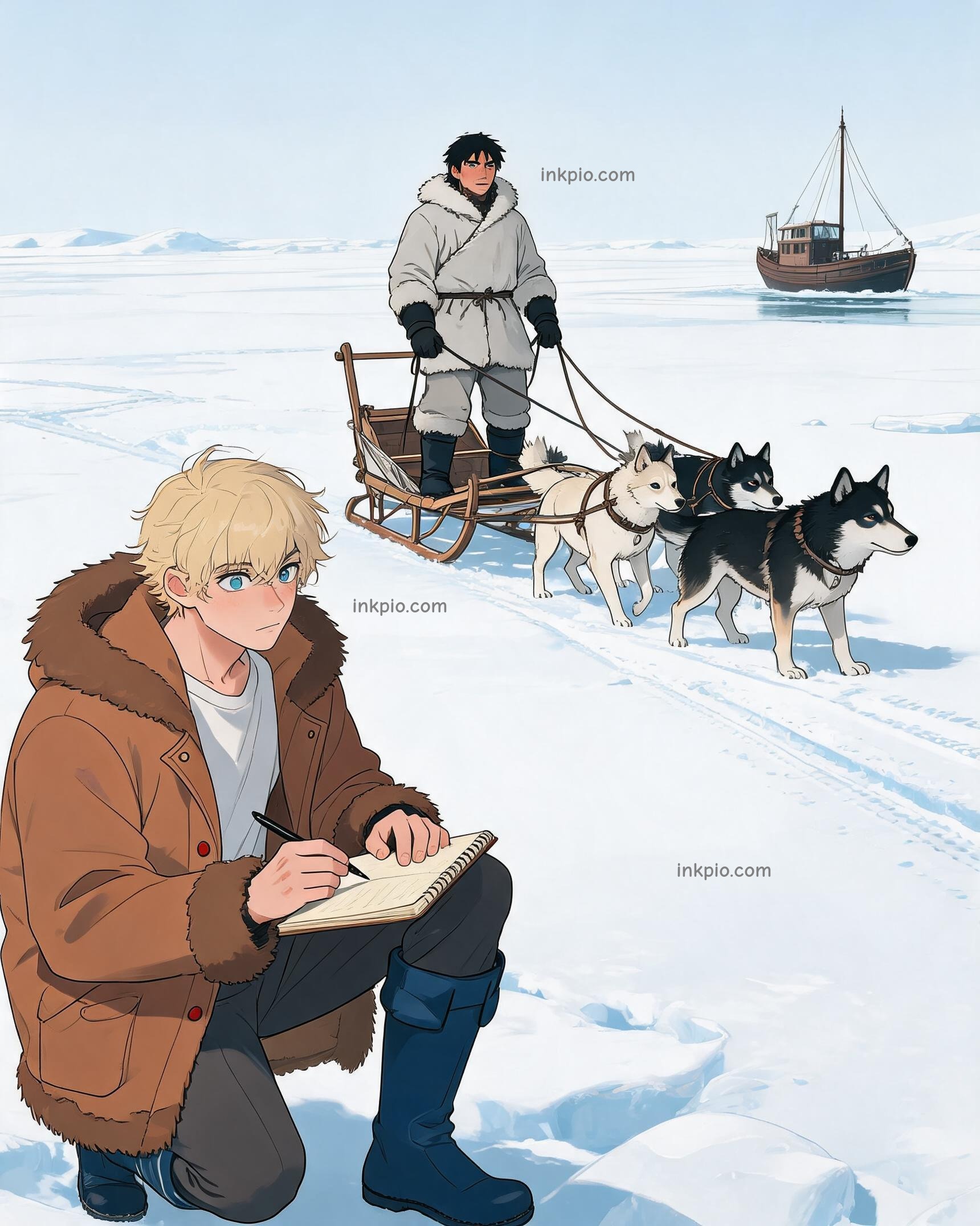
He anchored the Gjøa in a natural harbor and did something no explorer had dared: he stopped moving. For three years, Amundsen lived among the Netsilik Inuit. He shed his stiff, freezing wool uniforms for supple caribou fur, feeling the immediate warmth seep into his bones. He watched the hunters move across the ice, not as conquerors, but as guests. He learned to drive dog sleds, feeling the tension in the lines and the instinct of the animals. More importantly, he learned to listen.
To the European eye, the ice was a solid, monolithic wall. To the Inuit hunter standing beside him, it was a living, breathing puzzle. The hunter pointed to subtle shifts in snow color, explaining how they revealed the thickness of the ice below. He taught Amundsen to press his ear against the frozen surface, listening for the deep, groaning cracks that signaled danger, or the hollow thuds that meant safety. This was not textbook knowledge; it was wisdom earned through generations of near-death experiences. Amundsen absorbed it all, humbled by the realization that his maps were blank compared to their memory.
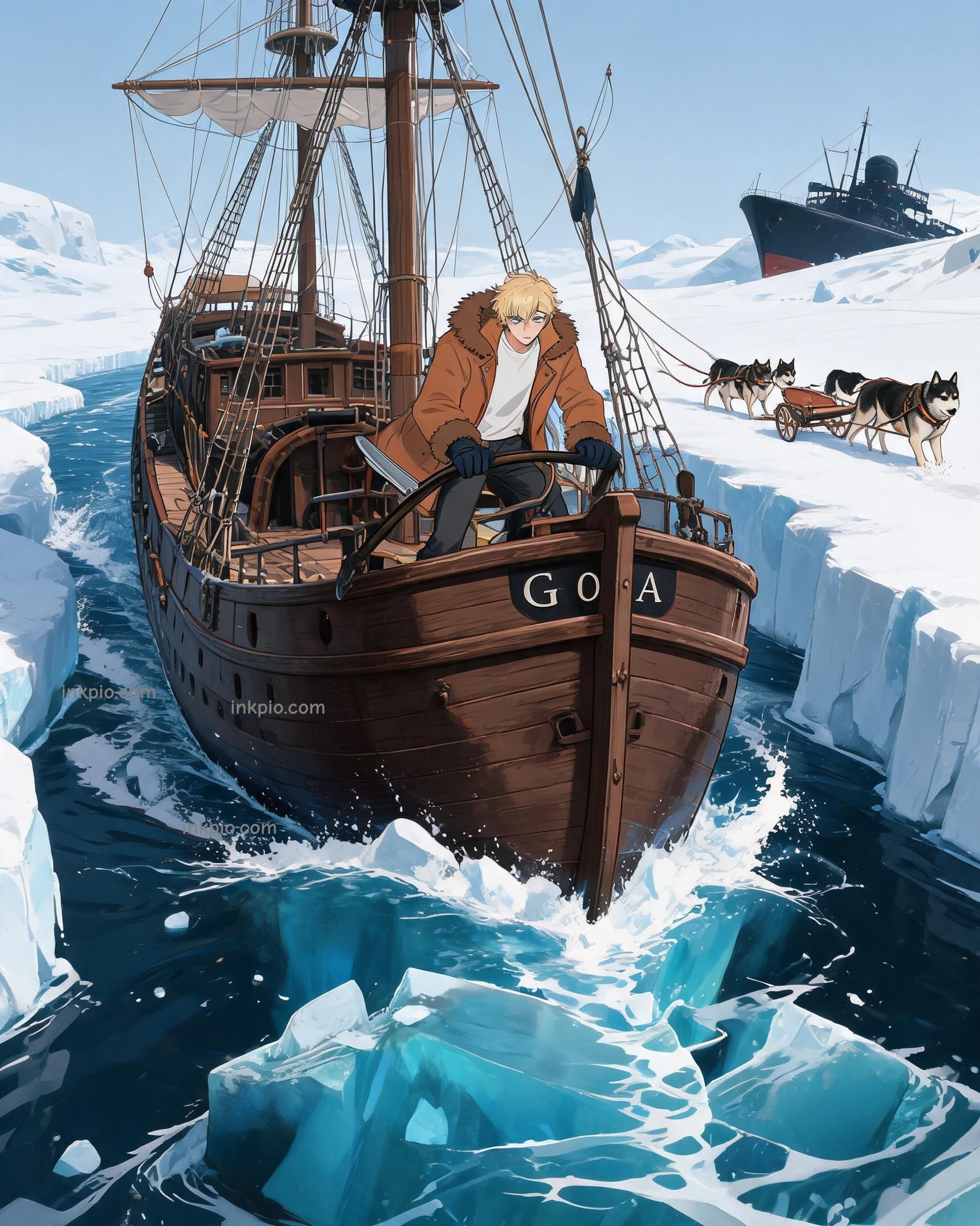
When the Gjøa finally weighed anchor in 1905, the true test began. Massive ice floes blocked the main channels, jagged barriers that would have snapped a warship’s keel. A traditional captain would have ordered full steam ahead, trying to brute-force a path. Amundsen did the opposite. He killed the engine and drifted, watching the water. He looked for the hidden, narrow veins of open water that only a shallow-draft boat could enter.
The crew held their breath as the tiny wooden hull slipped into gaps barely wider than the beam of the ship. On the ice edge, Inuit dog teams ran alongside, their barks echoing off the glaciers, guiding the sailors through paths invisible to the untrained eye. There was no triumph in their faces, only intense, focused caution. They were threading a needle in a hurricane.
By 1906, the ice maze opened up. The Gjøa glided into calm, open water, the sun reflecting off the dark sea. They had conquered the Northwest Passage, but the victory felt different than the ones described in London newspapers. It was quiet. It was respectful. Amundsen later wrote that the Inuit had taught them everything they needed to survive. He didn't claim credit for conquering the Arctic; he acknowledged that he had finally learned to speak its language.
On the deck, the crew stood silent, watching the wake fade behind them. The dogs shook the snow from their coats, a mundane gesture in the face of history. The little wooden ship kept sailing, not because it was strong, but because it was light enough to float on wisdom.