




The calendar on the kitchen wall was a liar. For women in the early 1950s, marking days with red ink felt less like planning and more like praying. Diaphragms slipped during intimacy; withdrawal required a trust that relationships rarely sustained. One missed mark, one miscalculated rhythm, and a woman’s future collapsed into an unplanned reality. It was Russian roulette played with biology, where the gun was always loaded.
Gregory Pincus watched this chaos from the quiet of his lab at the Worcester Foundation. He wasn’t just curious; he was frustrated by the inefficiency of nature. To him, the female body was a machine running outdated software. He fixated on a specific biological hack: stopping ovulation before it began. His target was the pituitary gland, the body’s relentless floor manager.
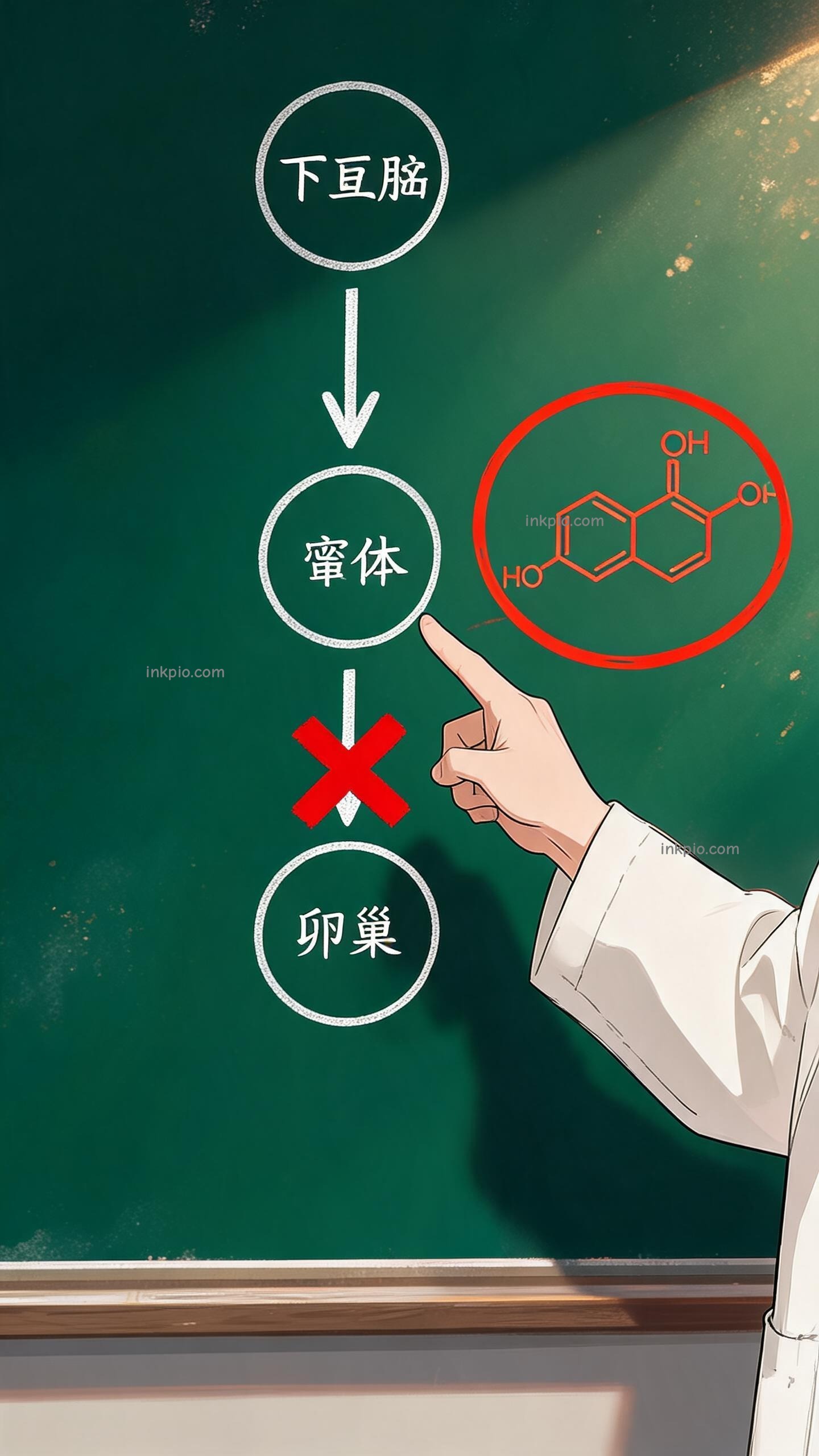
Imagine the reproductive system as a factory. The pituitary shouts orders to the ovaries: release an egg. Pincus realized he could intercept these orders. By introducing synthetic progesterone, he slipped a fake memo into the manager’s inbox. The signal read, "Production is complete." The pituitary, fooled by the chemical lie, shut down the line. No shout, no egg, no pregnancy. It was elegant, but elegance means nothing without proof.
In 1951, Pincus turned to rabbits. He injected them, waited, and watched. The animals stopped ovulating exactly as predicted. The science held. But rabbits do not carry the weight of human consequence. The medical establishment demanded more than animal data; they wanted human safety. Pincus knew he couldn’t do it alone. He needed a clinician who could bridge the gap between cold biology and warm blood.
He found John Rock, a respected gynecologist whose reputation was both an asset and a burden. Rock was cautious, aware that tampering with fertility invited moral outrage. Yet, he saw the desperation in his patients’ eyes. Together, they made a dangerous choice. They would not test in Boston or New York, where scrutiny was high. They went to Puerto Rico.
In 1956, in the humid heat of Rio Piedras, 830 women lined up. These were not abstract subjects; they were mothers, workers, and wives exhausted by the cycle of birth and poverty. They took Enovid not because they trusted the science, but because they trusted the need for control. Every pill swallowed was an act of defiance against a fate written by chance. The tension in the clinic was palpable. If this failed, it wouldn’t just be a scientific setback; it would be a betrayal of trust.
Months passed. The data trickled in, then flooded. Near-perfect effectiveness. The biological guessing game had ended. For the first time, sex and reproduction were decoupled. When the FDA finally approved Enovid on May 9, 1960, it wasn’t just a regulatory stamp. It was the end of an era of fear.
Within five years, millions of women placed the small white pill on their nightstands. The power dynamic of society began to shift, not with a bang, but with a daily ritual. A woman could now plan her career, her education, her life. The kitchen counter became a command center. The pill sat there, silent and unassuming, holding the key to a new kind of freedom. It didn’t shout about equality; it simply allowed women to wake up each morning knowing their bodies belonged to them.