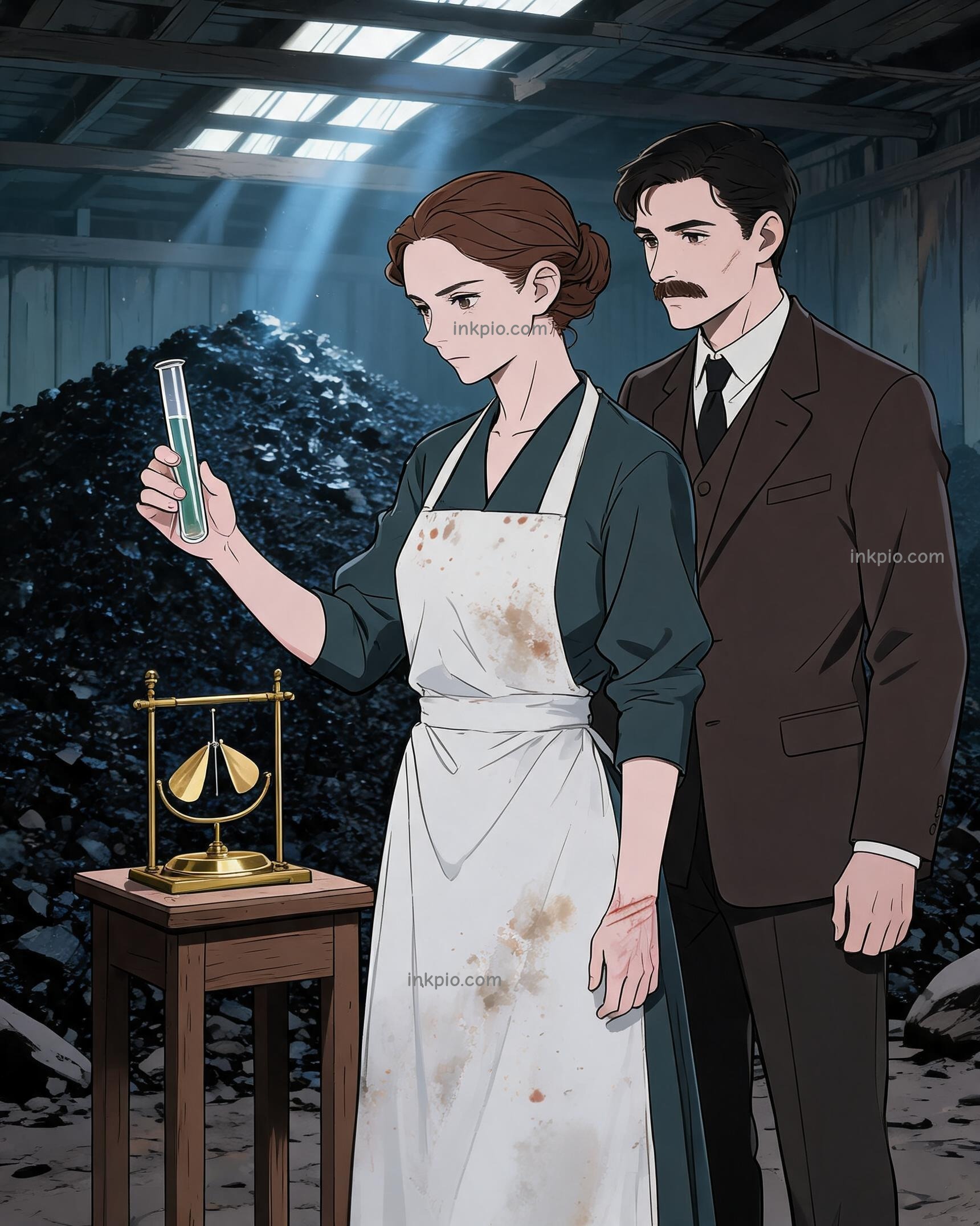

The gold leaves of the electroscope snapped apart, defying gravity with a violence that felt personal. Marie Curie did not cheer. She stared at the black chunks of pitchblende ore on her desk, feeling a cold knot tighten in her stomach. The rock screamed with energy, far louder than pure uranium ever could. It was an impossibility that demanded an answer, but the answer lay hidden inside tons of worthless stone.
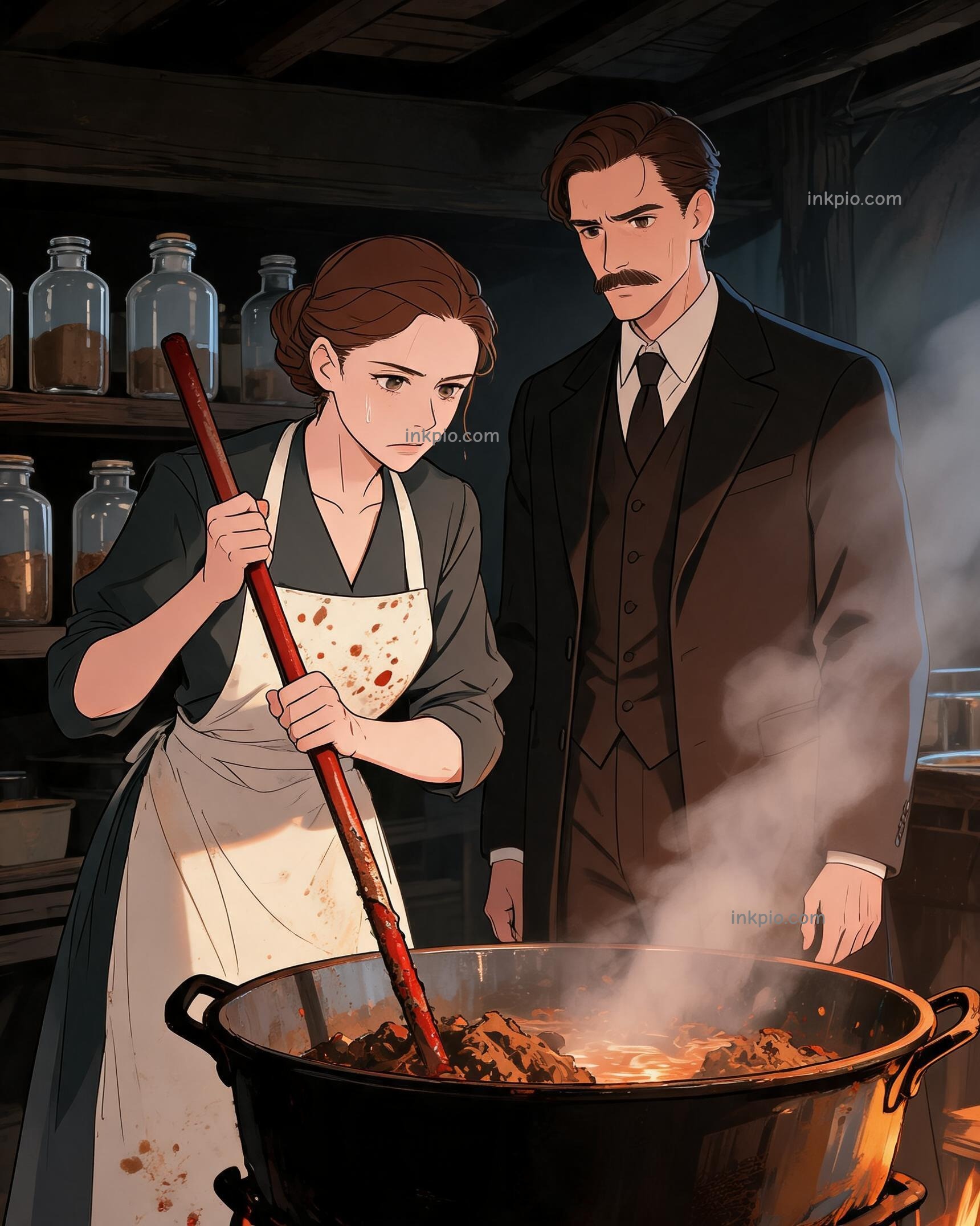
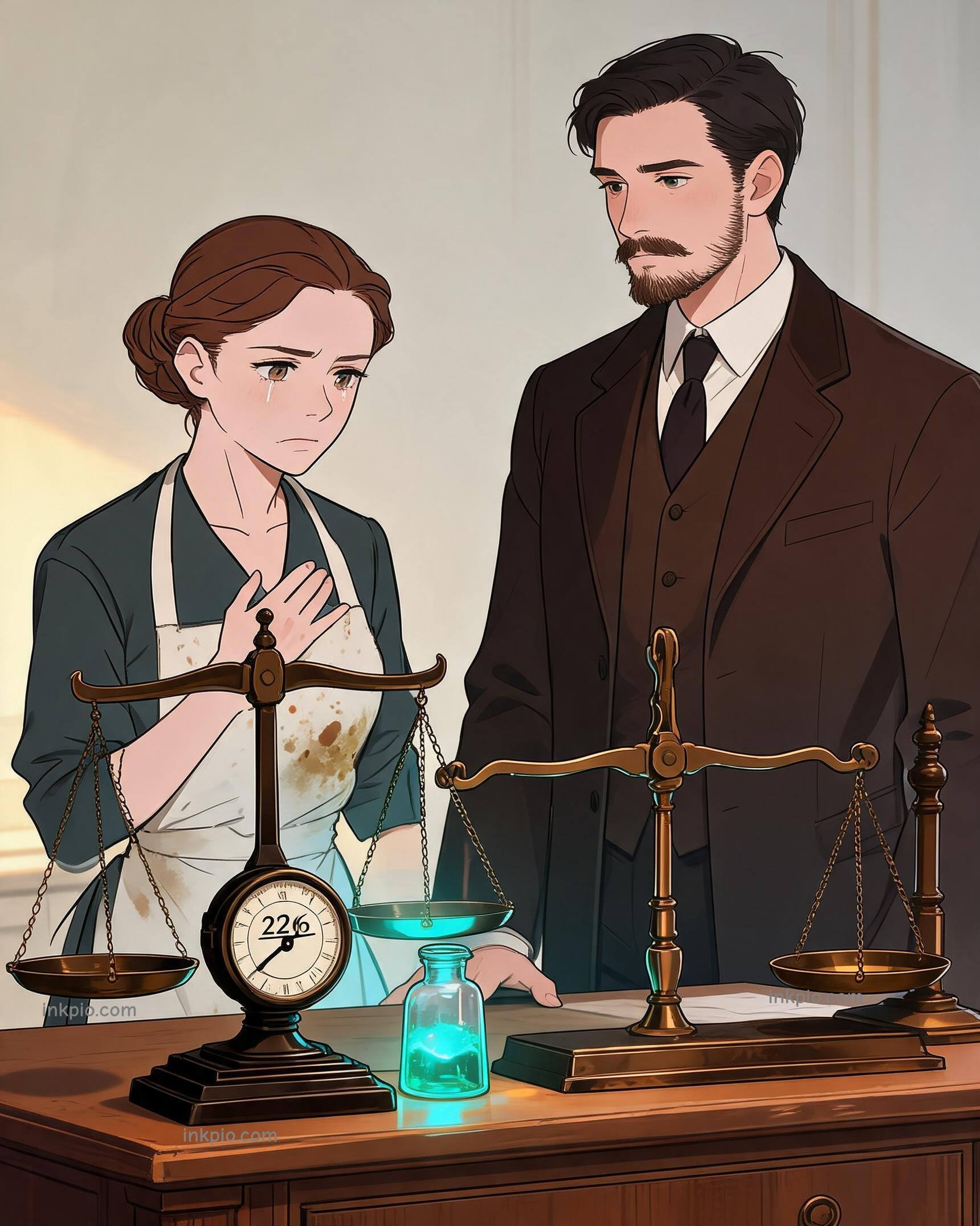
To prove the existence of this phantom element, she had to perform chemical alchemy on an industrial scale. Imagine trying to find a single specific grain of salt in a dump truck full of mud. You cannot pick it out. You must dissolve the mud, let the wrong grains settle, pour off the liquid, and repeat until only the truth remains. Marie used this exact chemical sieve. She boiled the ore in acid, filtered the sludge, and forced the liquid to crystallize. Each time, she weighed the new crystals, hunting for an atomic fingerprint of 226. If the number held, the ghost was real.
The laboratory was not a place of glory. It was a drafty, converted dissection shed at the École de Médecine, with a roof that leaked rain onto her notebooks. There was no ventilation. For four years, Marie stood over boiling iron cauldrons, stirring thick, acidic sludge with an iron rod nearly as tall as she was. The work was brutal and repetitive. Acid splashes burned her hands into raw, red patches. The fumes coated her lungs, making every breath a conscious effort. She processed several tons of pitchblende residue, boiling it down drop by drop, year after year, while the world outside moved on without noticing.
Pierre watched her from the doorway sometimes. He saw the exhaustion etched into her posture, the way her shoulders hunched against the damp cold. He did not offer empty praise. Instead, he shared the silence, understanding that this obsession was both their burden and their bond. They were chasing something invisible, sacrificing their health for a hypothesis that might vanish like smoke. Yet, neither stopped. The fear of being wrong was outweighed by the terror of never knowing.
By 1902, the endless boiling finally yielded its secret. She isolated 0.1 gram of pure radium chloride. The atomic weight locked solidly at 226. The phantom had a name. But the proof was not just in the numbers. That evening, Marie walked back into the dark shed alone. She needed to see it without the interference of daylight or expectation.
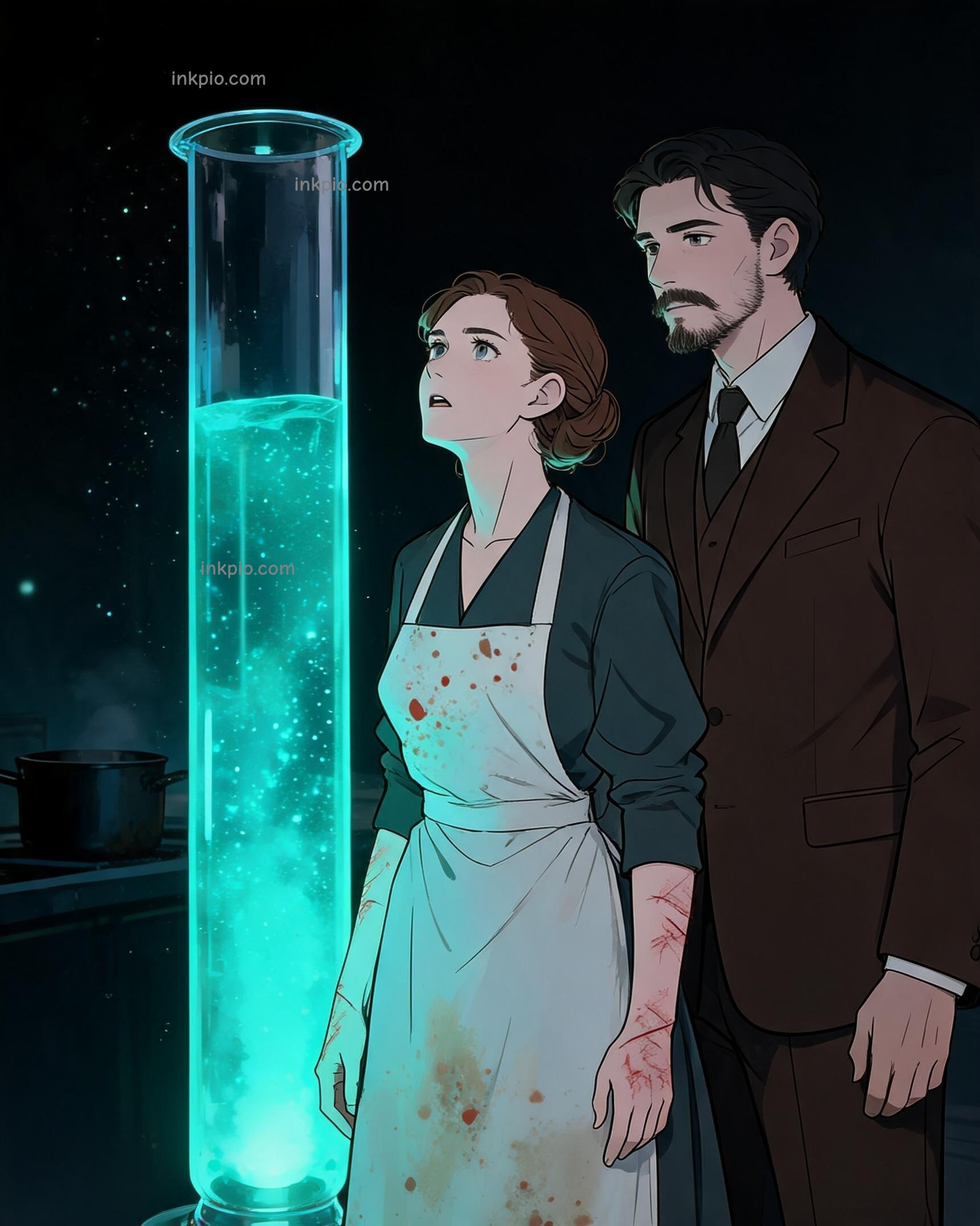
The glass tubes on the tables cast an eerie blue-green glow against the peeling walls. It was not a reflection. It was light generated from within the matter itself. 'I was overwhelmed by the sight of the luminous shapes of our samples,' she later wrote, 'they looked like faint, fairy lights suspended in the darkness.' For a moment, the pain in her hands and the ache in her chest faded. The shed was no longer a prison of labor; it was a cathedral of discovery.
Pierre stepped into the room, his face catching the soft, ghostly light. He rested a hand on the wooden bench, watching the tiny vial burn with its own internal fire. They stood together in the quiet shed, two small figures illuminated by a force they had pulled from the earth. No words were spoken. They simply watched the glow, aware that this beautiful, silent light would soon rewrite the world, though neither could yet guess at the cost.