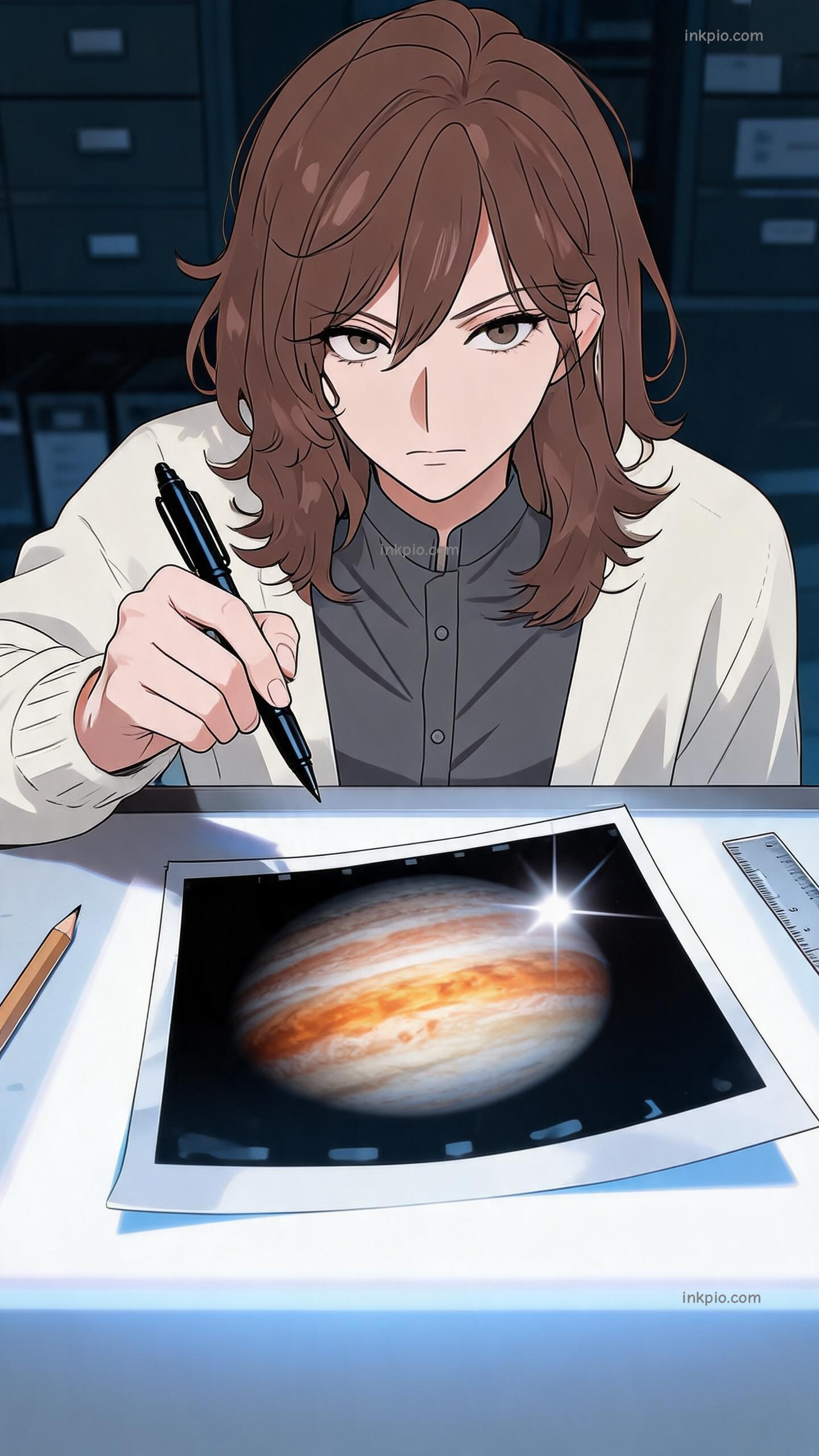
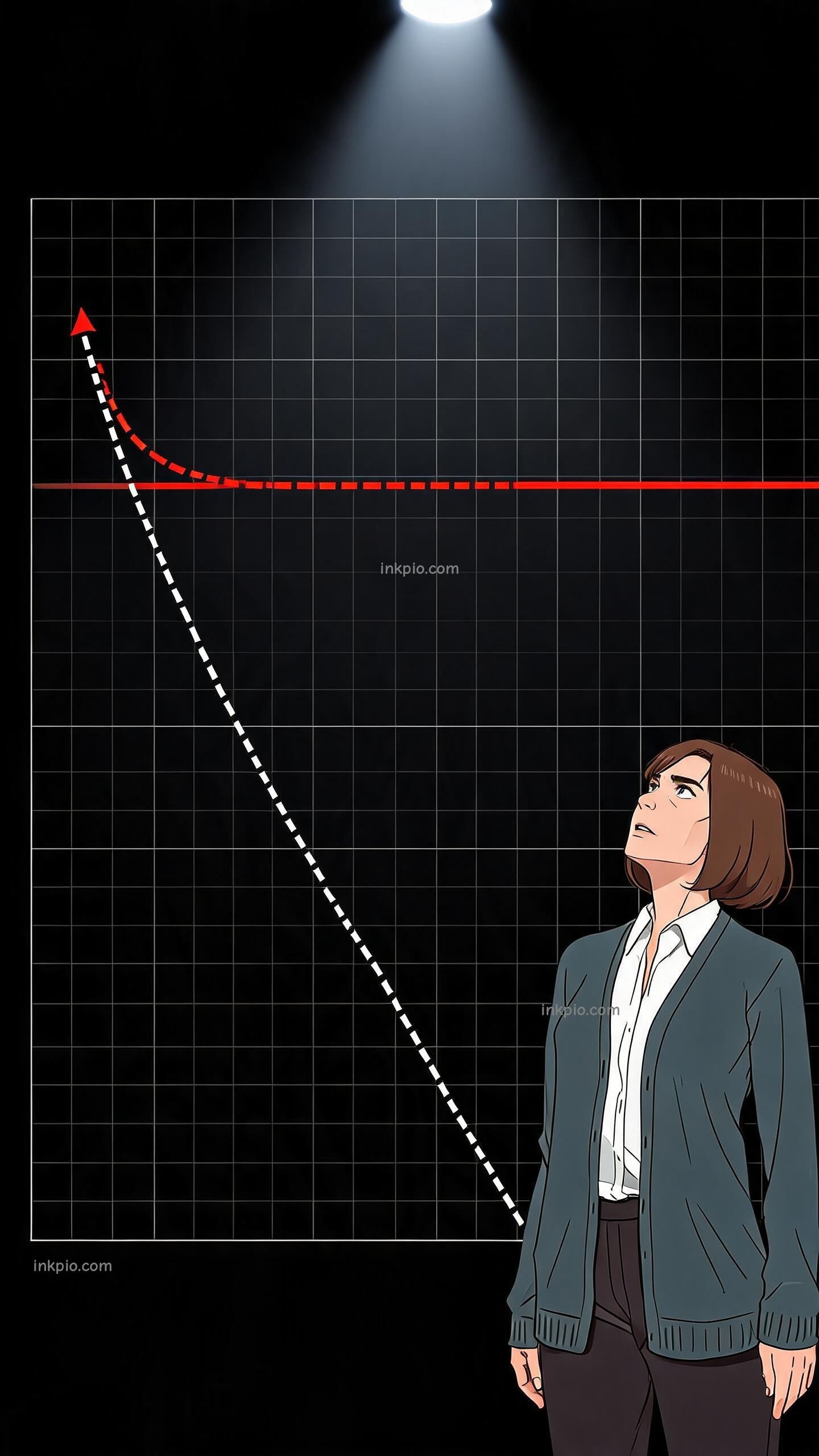

The lightbox hummed in the quiet room, casting a pale glow on Vera Rubin’s face. She traced the chalk line on the glass with a trembling finger. It was supposed to drop. That was the rule. In the 1970s, every astronomer knew that spiral galaxies spun like our solar system. Inner stars raced; outer stars crawled. Pluto lagged far behind Mercury. But the bright emission lines from Andromeda refused to obey this cosmic etiquette.
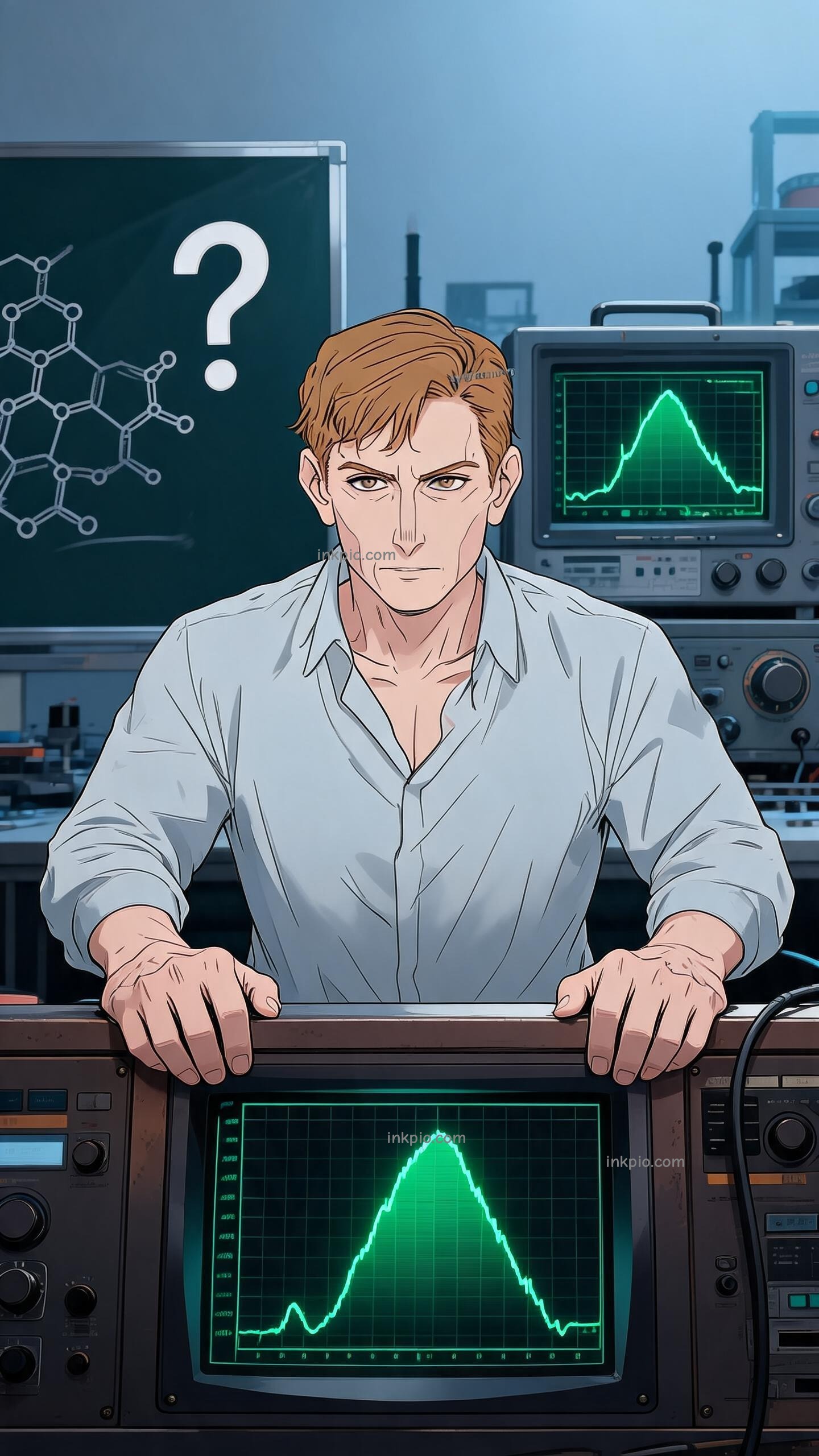
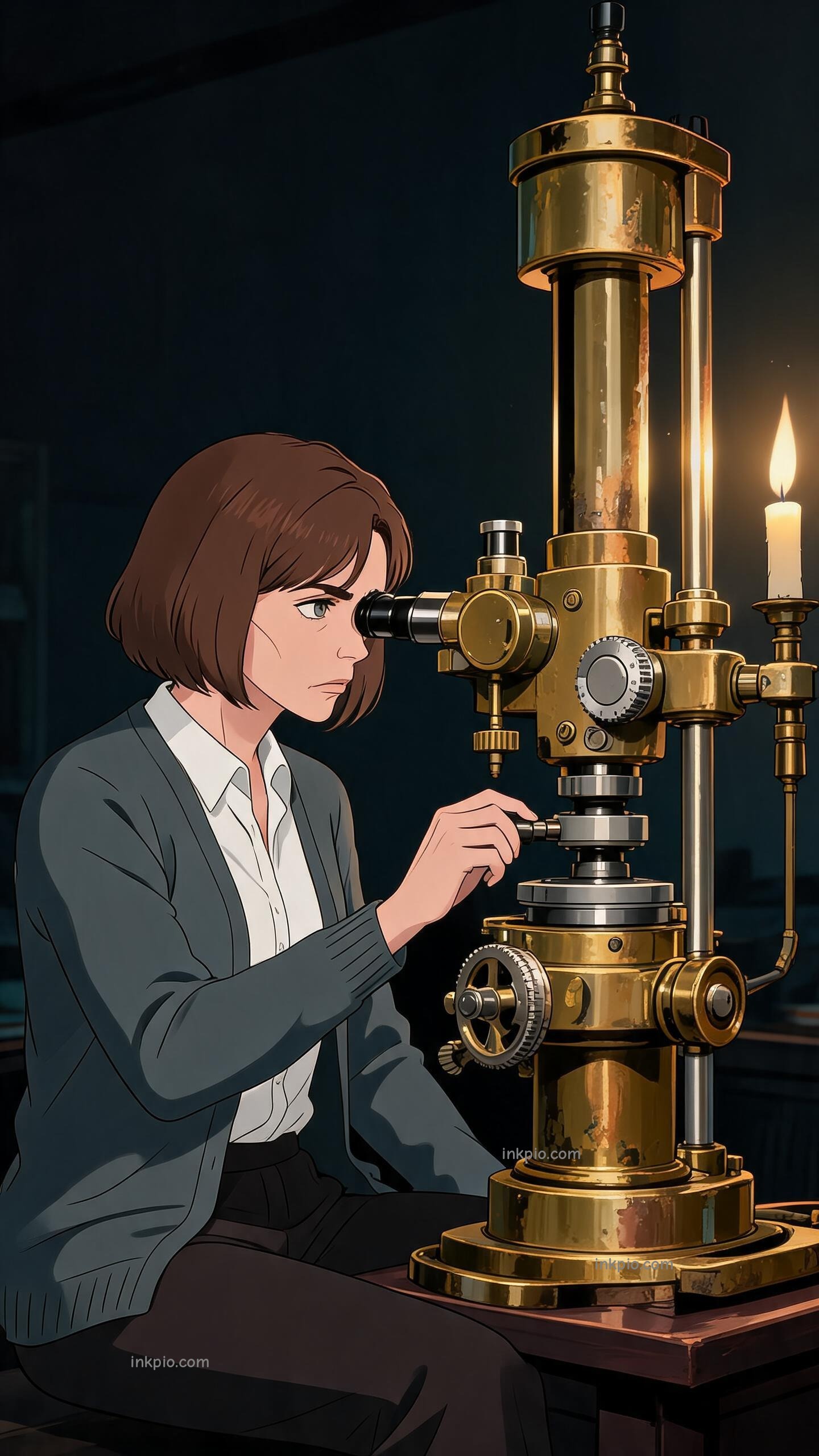
Kent Ford stood by the heavy brass measuring engine, watching her. He had built the image tube spectrograph, a device sensitive enough to catch the whisper of hydrogen gas across millions of light-years. It acted like a cosmic radar gun. The input was faint light; the operation tracked Doppler shifts, similar to how an ambulance siren drops in pitch as it passes. The output was truth. But truth, tonight, felt like a mistake.
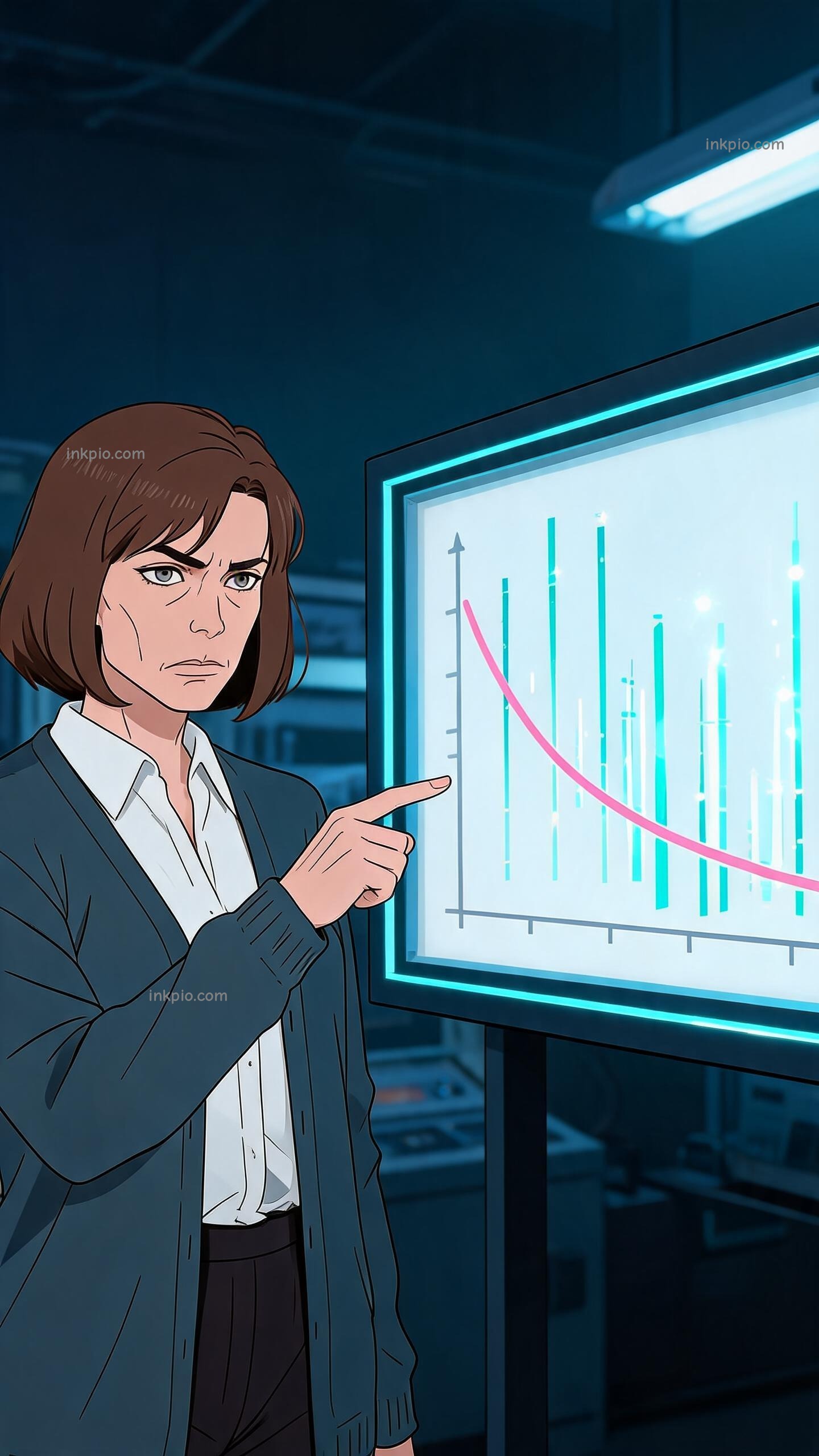
Vera pressed her eye to the microscope. Her neck ached from hours of hunching. She turned the micrometer knob, a tiny, precise movement that determined the fate of a galaxy. She expected the numbers to plummet at the edge. She wanted them to drop. A drop meant safety. A drop meant Newton was right, and the universe was predictable. Instead, the spectral lines stayed stubbornly high. Outer stars moved just as fast as the inner ones. The data formed a flat, unyielding line.
"Check it again," Kent said softly. He didn't look at her. He looked at the chart, his arms crossed tight against his chest. He knew what a flat curve implied. It implied madness. Or worse, it implied that everything they knew about gravity was incomplete. They spent nights re-measuring, recalibrating, hoping for a glitch in the lens or a smudge on the plate. There was no smudge. The universe was simply refusing to slow down.
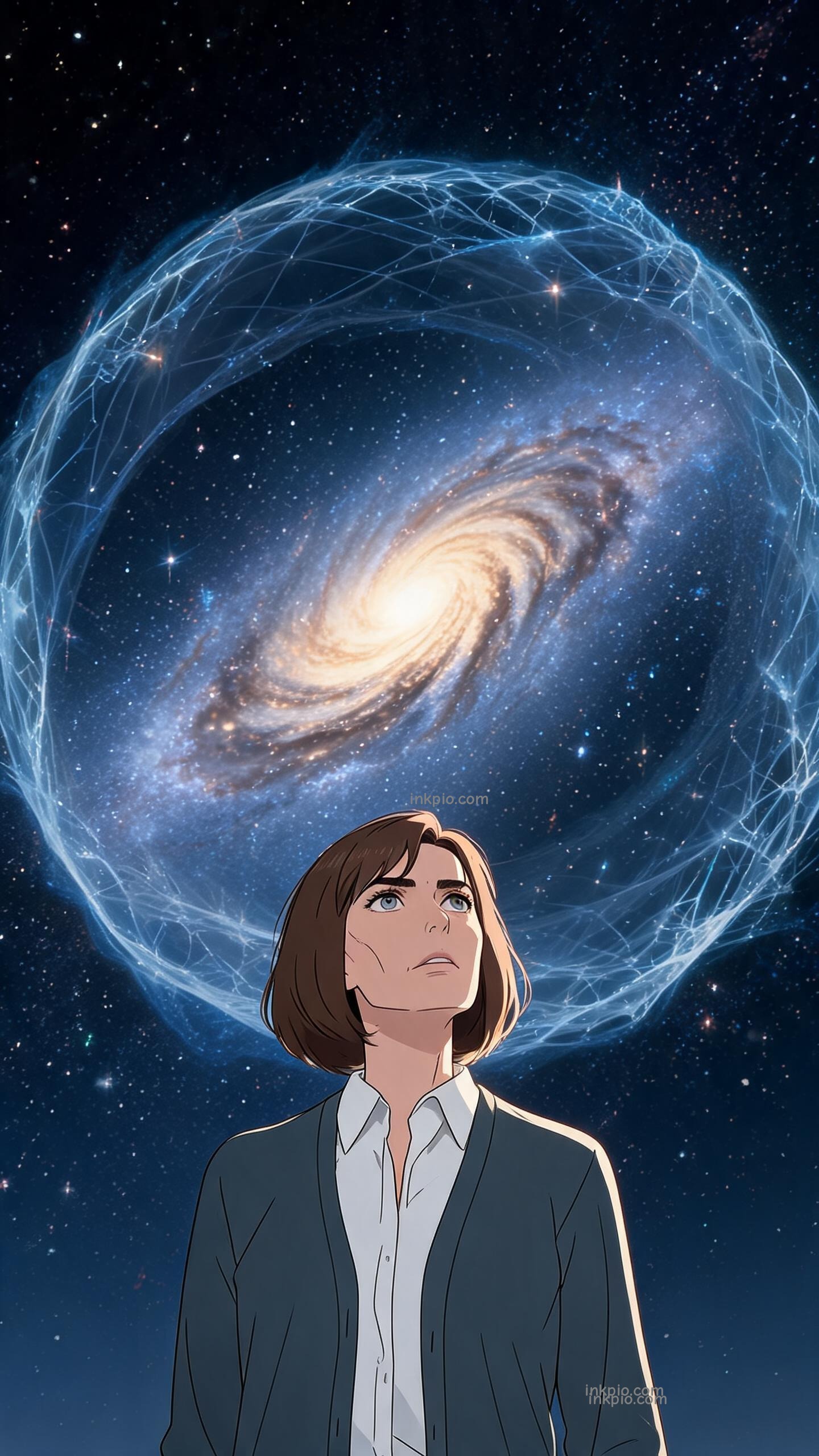
The isolation of that realization hit harder than the cold air outside. For decades, astronomers had mapped the visible world, confident that what they saw was all there was. Now, Vera held evidence that the visible world was merely a skeleton, draped in something massive and invisible. The math demanded a halo of dark matter, a ghostly glue holding the speeding stars together. Without it, Andromeda should have flown apart long ago.
In 1978, they published the paper. The scientific community read the words, but few felt the weight. "The problem of the missing mass is not a problem of the observations," Vera wrote, "but of our understanding of the universe." It was a polite way of saying that humanity was blind to ninety percent of reality. She wasn't just correcting a curve; she was dismantling the comfort of certainty.
She stepped out of the observatory into the biting night air. The sky looked unchanged. The same stars twinkled with indifferent beauty. But Vera could no longer see them as isolated points of light. She saw the tension in their orbits, the invisible hands gripping them tight. She looked toward Andromeda, not as a distant spiral, but as a structure held together by unseen forces. The darkness between the stars was no longer empty space. It was heavy. It was watching. And for the first time, she understood that the universe was not just vast; it was hiding.