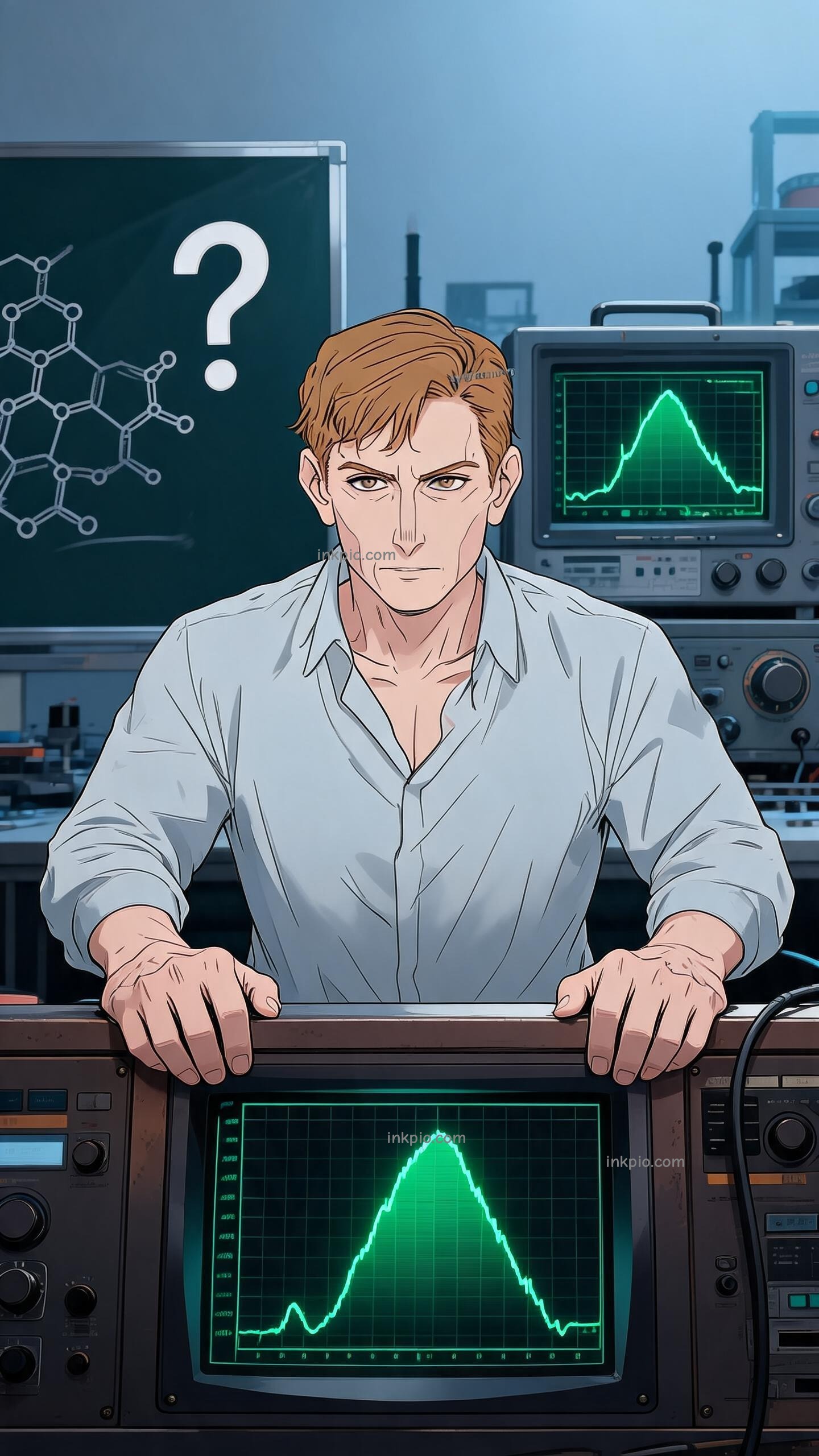
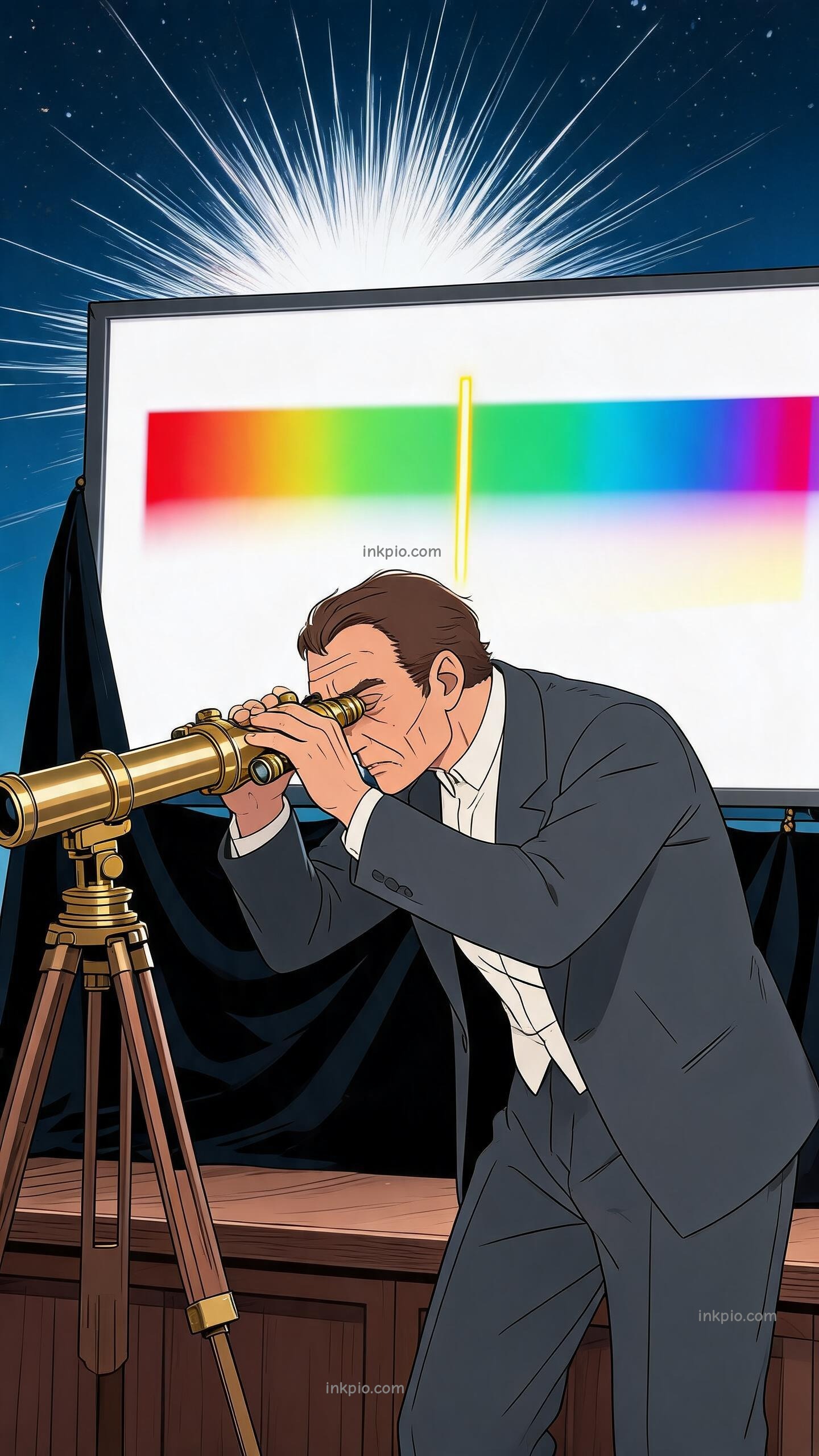
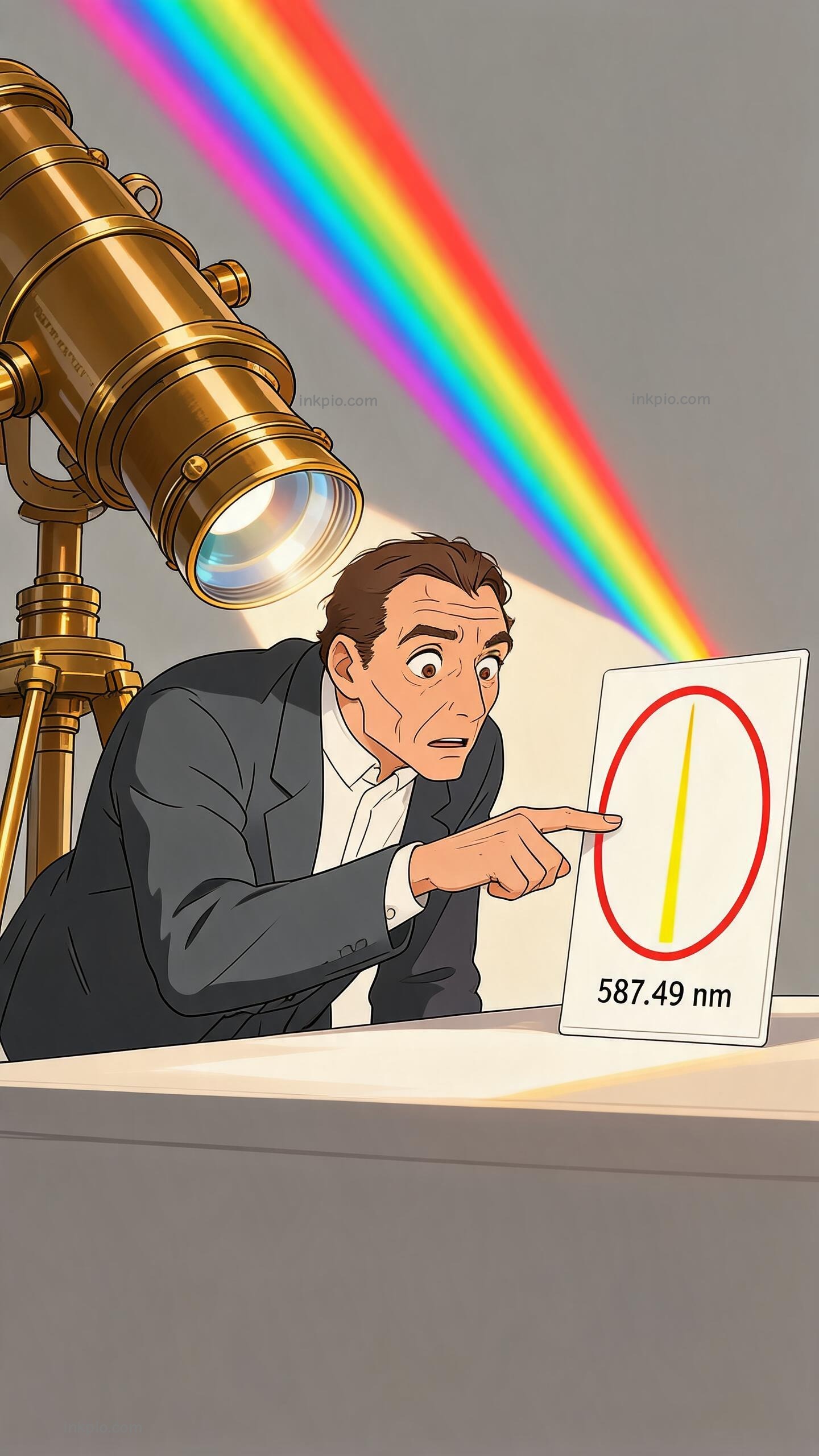

The air in Guntur hung heavy and still, thick with the humidity of an Indian August. Pierre Janssen wiped sweat from his brow, his fingers trembling slightly as they adjusted the brass knobs of his spectroscope. He wasn't watching the eclipse for its beauty. He was hunting.
As the moon slid over the sun, the world didn't just go dark; it went wrong. The sky turned a bruised purple-black, an unnatural twilight that made the birds fall silent. Janssen ignored the corona’s ghostly halo. His eye was locked on the thin, fiery rim of the chromosphere, desperate to catch a glimpse of the sun’s true composition before the light vanished completely.
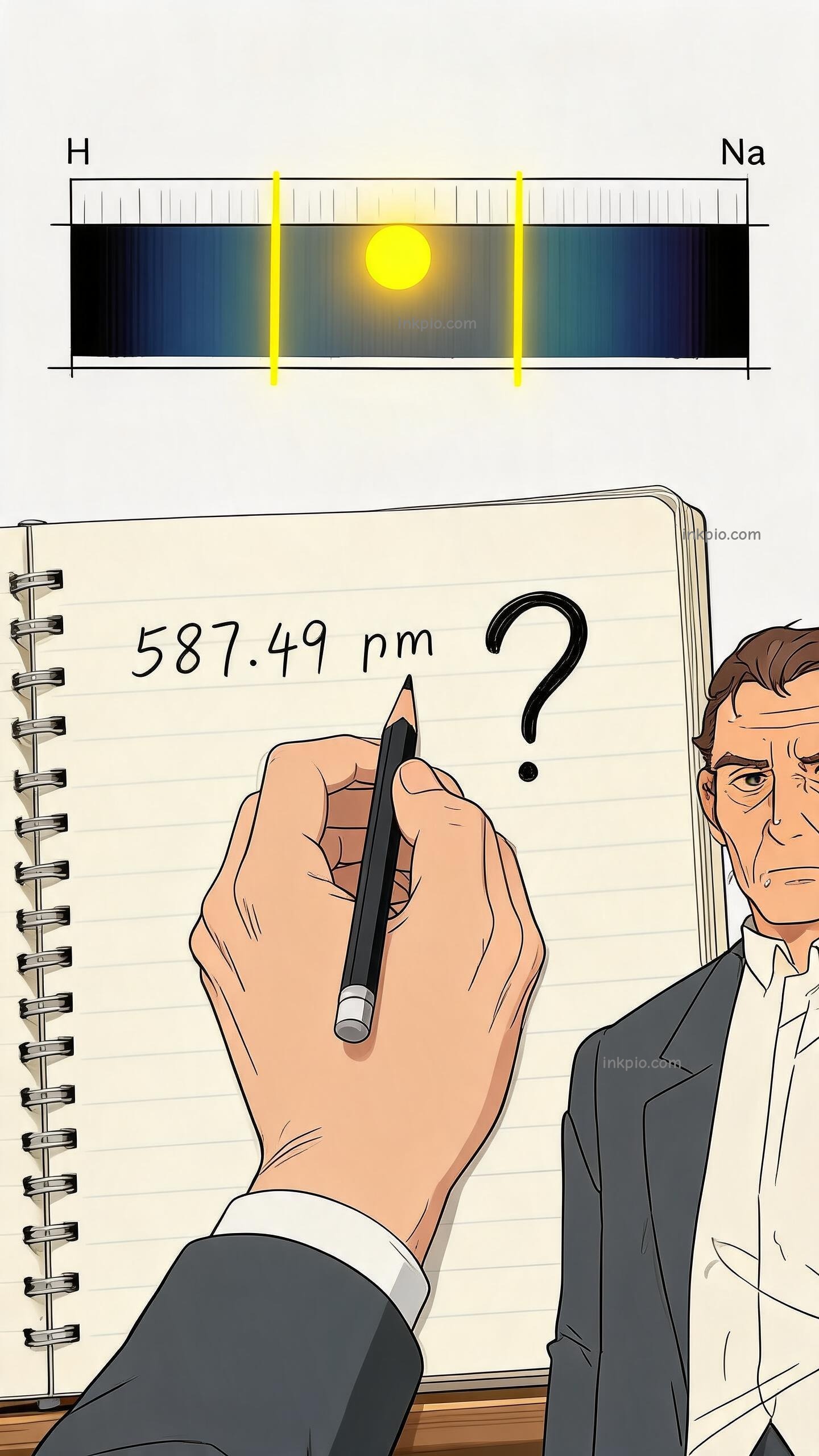
Light hit the prism and splintered into a rainbow on the white screen. Most of it was familiar—hydrogen’s red, sodium’s orange. But there, wedged between them, burned a line of yellow so bright it seemed to vibrate. Janssen measured it: 587.49 nanometers. He checked his charts again. And again. No known element on Earth produced that specific wavelength. A cold knot formed in his stomach. He was looking at something that shouldn't exist.
Thousands of miles away, Norman Lockyer sat in his London study, staring at similar data. The distance between them was vast, but the isolation was shared. Both men felt the weight of being alone with a truth that sounded like madness. If they were right, the textbooks were wrong. If they were wrong, their careers were over.
Lockyer chose to speak first. On October 20, 1868, he sent a letter to Nature. He didn't hedge his bets. He declared a new element found in the Sun, naming it helium after Helios, the Greek god who drove the sun chariot across the sky. It was a poetic gesture, but it invited scorn. Critics called it a trick of the heat, a optical illusion born of solar fury. They demanded proof you could hold in your hand.
For twenty-seven years, the yellow line remained a ghost. It haunted the edges of scientific respectability. Janssen and Lockyer watched as younger scientists dismissed their discovery as a celestial anomaly. The silence from the laboratory benches was louder than any criticism. They had named a god, but they couldn't prove it lived among men.
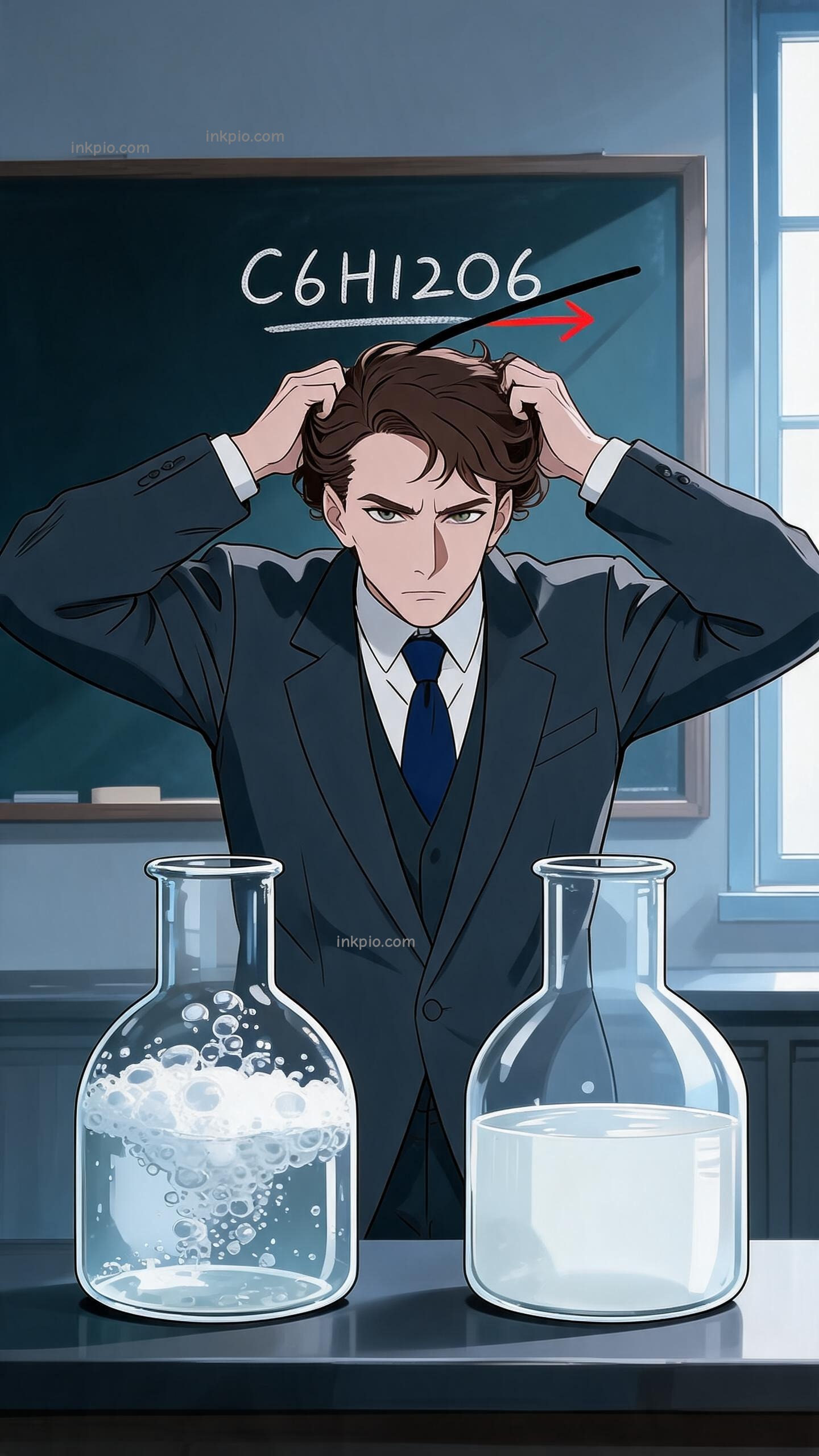
In 1895, William Ramsay stood in his Scottish lab, holding a chunk of cleveite. He wasn't looking for gods; he was looking for argon. He dropped the mineral into acid, expecting nothing more than routine bubbles. But the gas that hissed out behaved strangely. It refused to react. It was inert, aloof, almost arrogant in its stability.
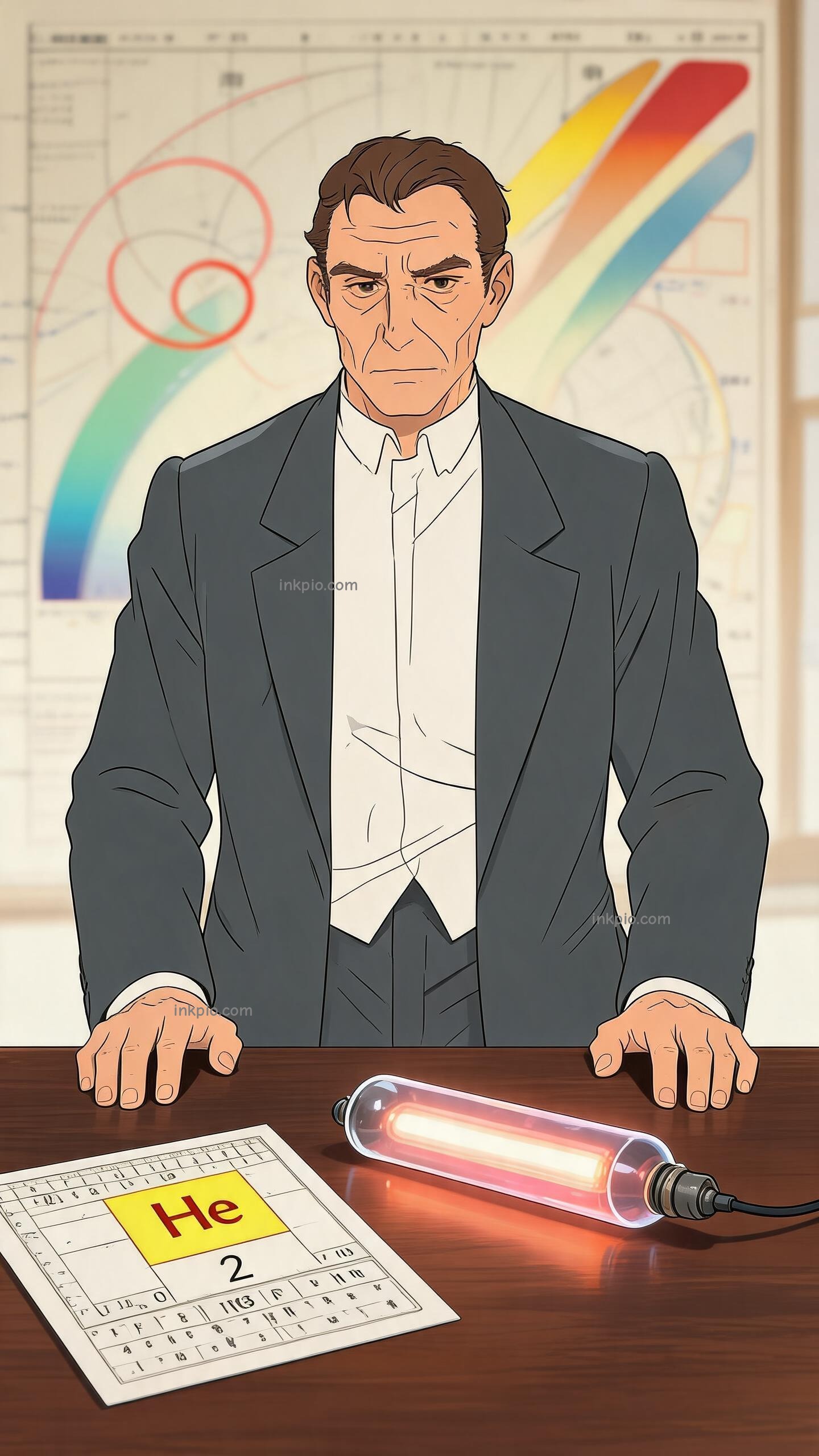
Ramsay trapped the gas in a tube and placed it before his spectroscope. He held his breath, the same way Janssen had decades earlier in the humid heat of India. He flipped the switch.
The spectrum lit up. There it was. The same stubborn, bright yellow line at 587.49 nanometers. It wasn't a trick of the sun’s atmosphere. It wasn't a measurement error. The ghost had materialized.
Ramsay didn't cheer. He simply stared at the glowing band, realizing that the barrier between the heavens and the earth had just dissolved. The element that powered the stars was sitting in a glass flask on his desk, no different from the air he breathed, yet entirely alien. He had pulled a piece of the sun down to earth, not with a net, but with patience.
The yellow line no longer belonged only to Helios. It belonged to anyone who dared to look closely enough. Ramsay capped the tube, the glass cool against his palm, and for a moment, the lab felt smaller, as if the universe had just stepped inside.