
A scratch from a rose thorn was not just an inconvenience in the 1930s; it was a potential death warrant. Hospitals echoed with the quiet despair of families watching loved ones fade from minor infections. Doctors stood helpless, armed only with arsenic compounds that poisoned patients almost as quickly as the bacteria killed them. Gerhard Domagk watched this slow tragedy unfold daily. He saw the fear in a mother’s eyes when her child scraped a knee. That fear became his obsession.
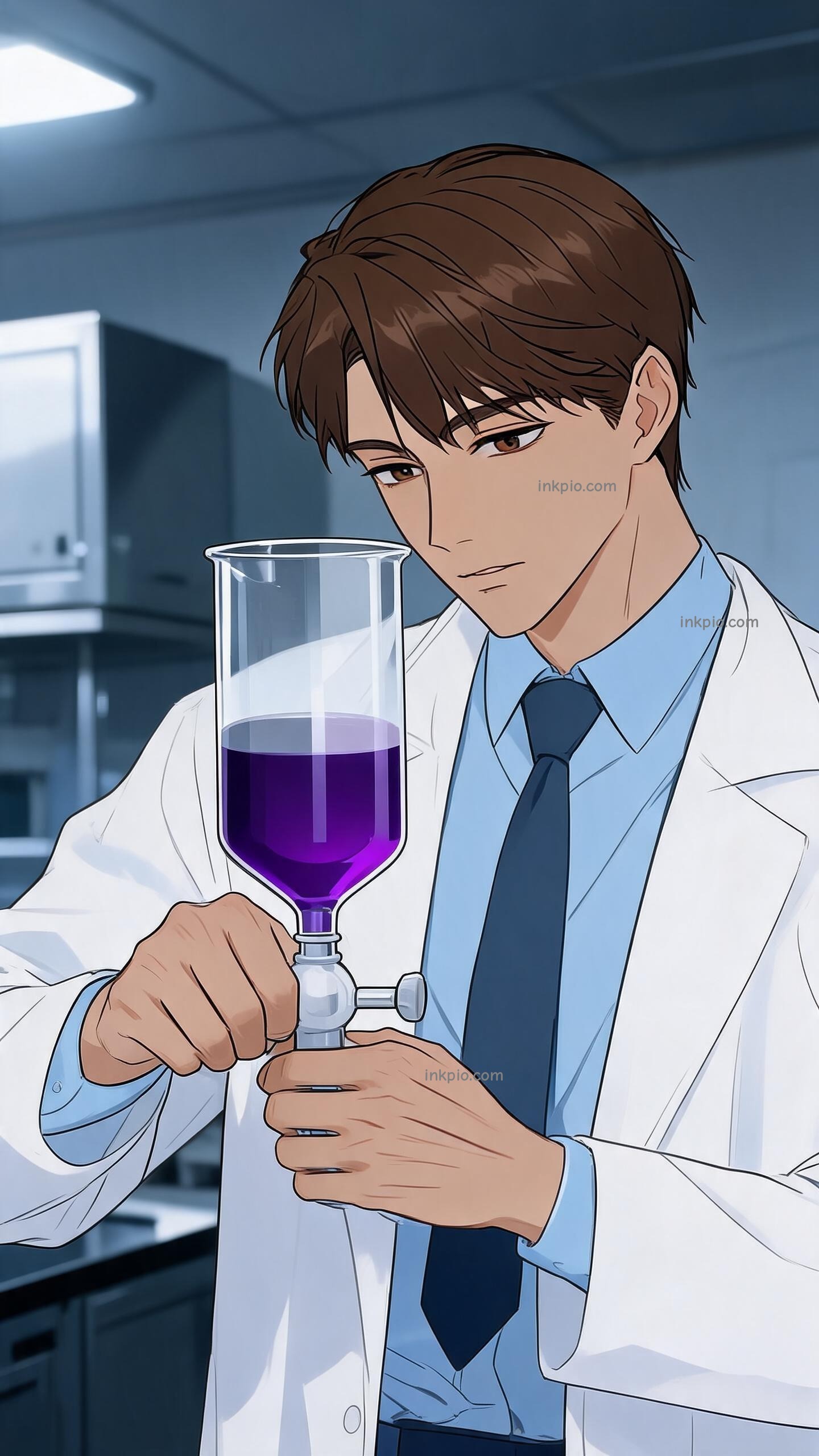
Domagk retreated into the Bayer laboratory, isolating himself from the world outside. His mission was singular and desperate: find a chemical that could hunt down germs without destroying the human host. He tested hundreds of synthetic dyes, day after day. Most failed. The lab grew cold, filled with the scent of chemicals and the weight of repeated disappointment. Each failed batch felt like another patient lost to the inevitable.
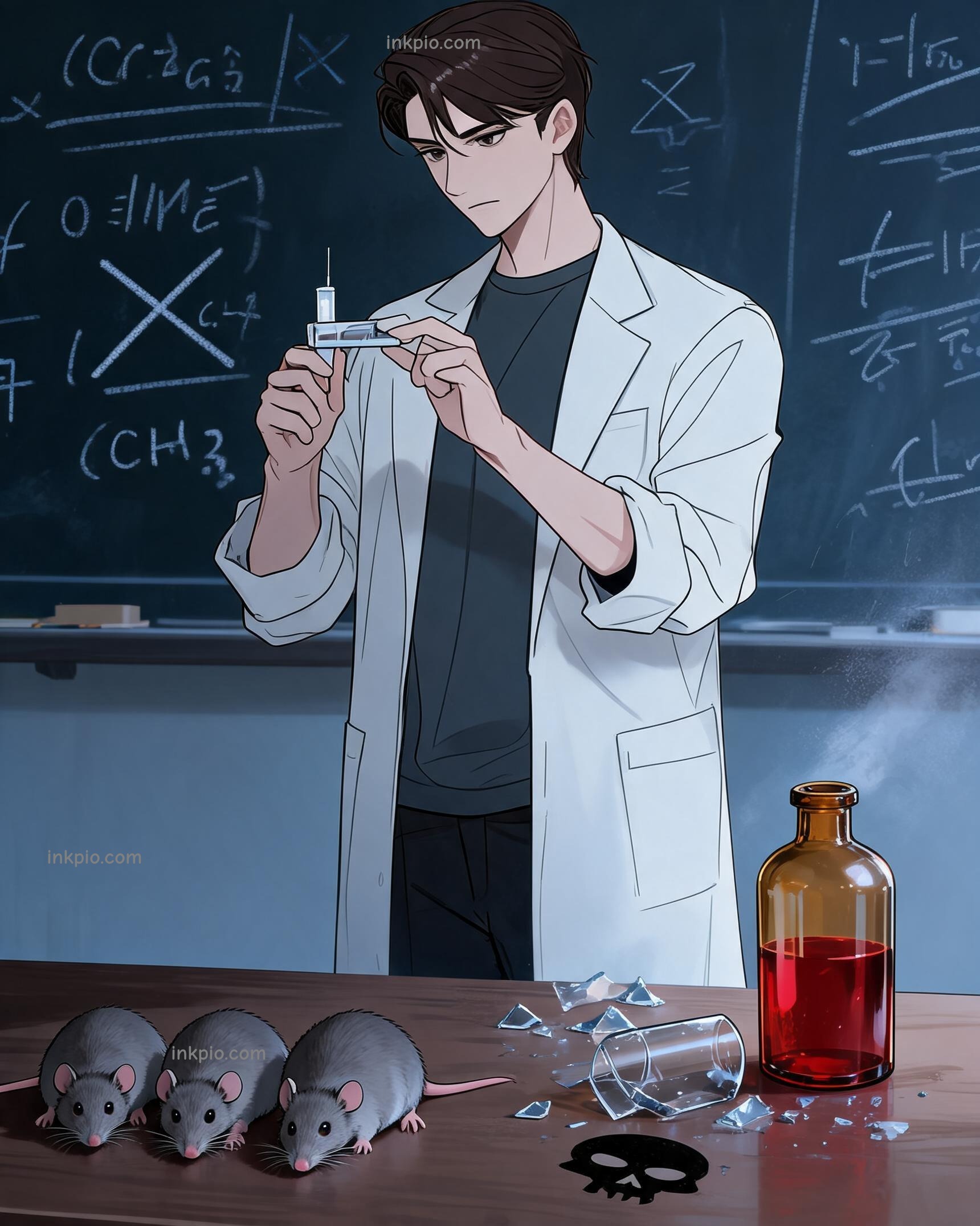
Then came Prontosil, a bright red azo compound. In glass petri dishes, the dye sat inert among lethal streptococcus bacteria. The germs multiplied, indifferent to the red liquid surrounding them. Domagk stared at the clear failure in the test tube. Logic dictated he should discard the compound. But a stubborn intuition held him back. If the dye couldn't kill in a dish, perhaps it needed the complexity of life to activate.
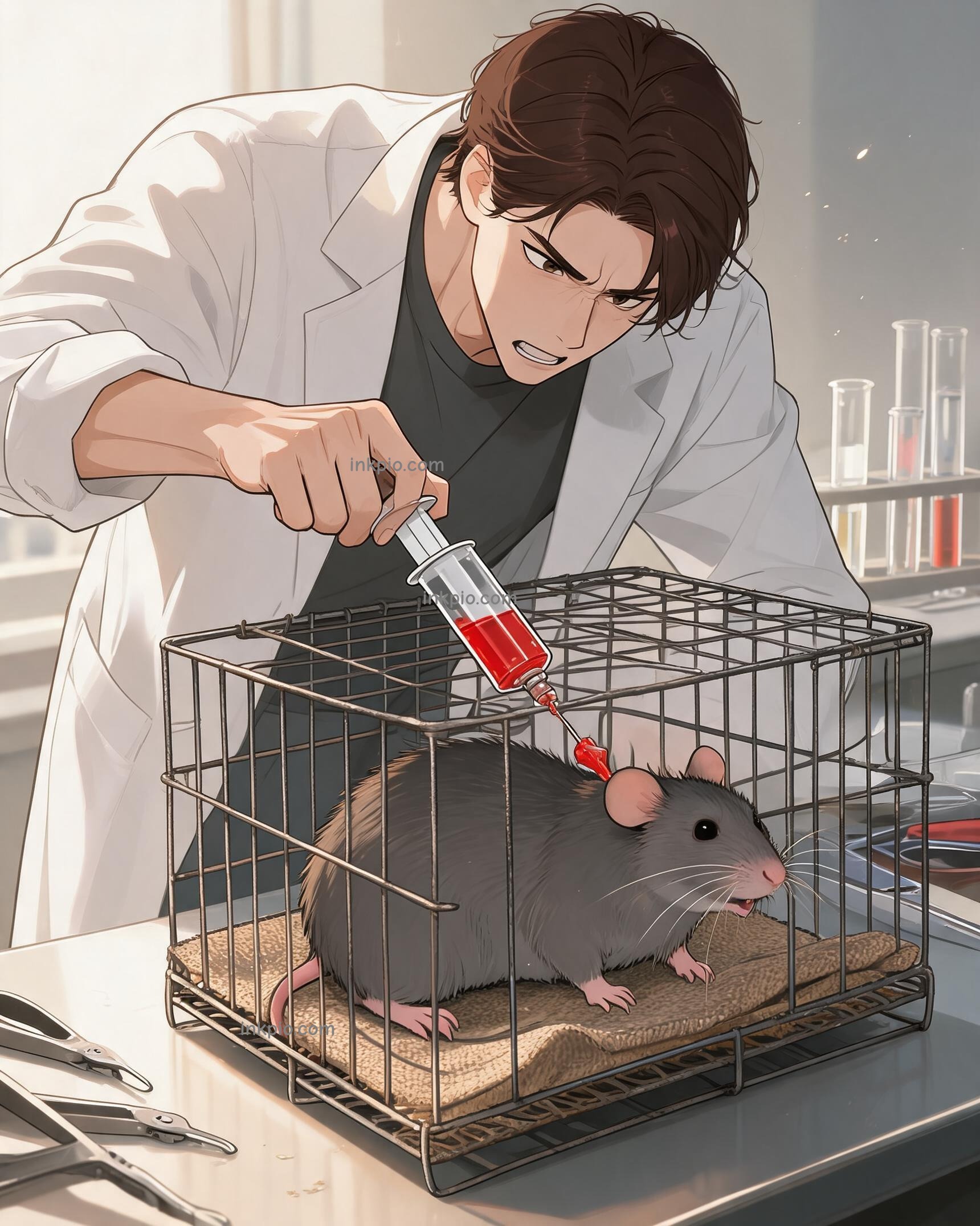
He prepared a new set of subjects: mice already feverish and dying from streptococcus injections. With a vintage syringe, he injected the red Prontosil solution into their small, trembling bodies. It was a gamble based on nothing but hope. He left them overnight, unsure if he would find corpses or survivors in the morning. The silence in the lab was heavy, broken only by the hum of equipment.
Morning light revealed something impossible. Every single mouse was alive. They moved, they breathed, they survived. Domagk checked his notes, expecting a clerical error. Had he mixed up the cages? No. The dye that failed in the test tube had saved the living animals. This contradiction shattered his understanding of chemistry. The body was not just a container; it was a participant.
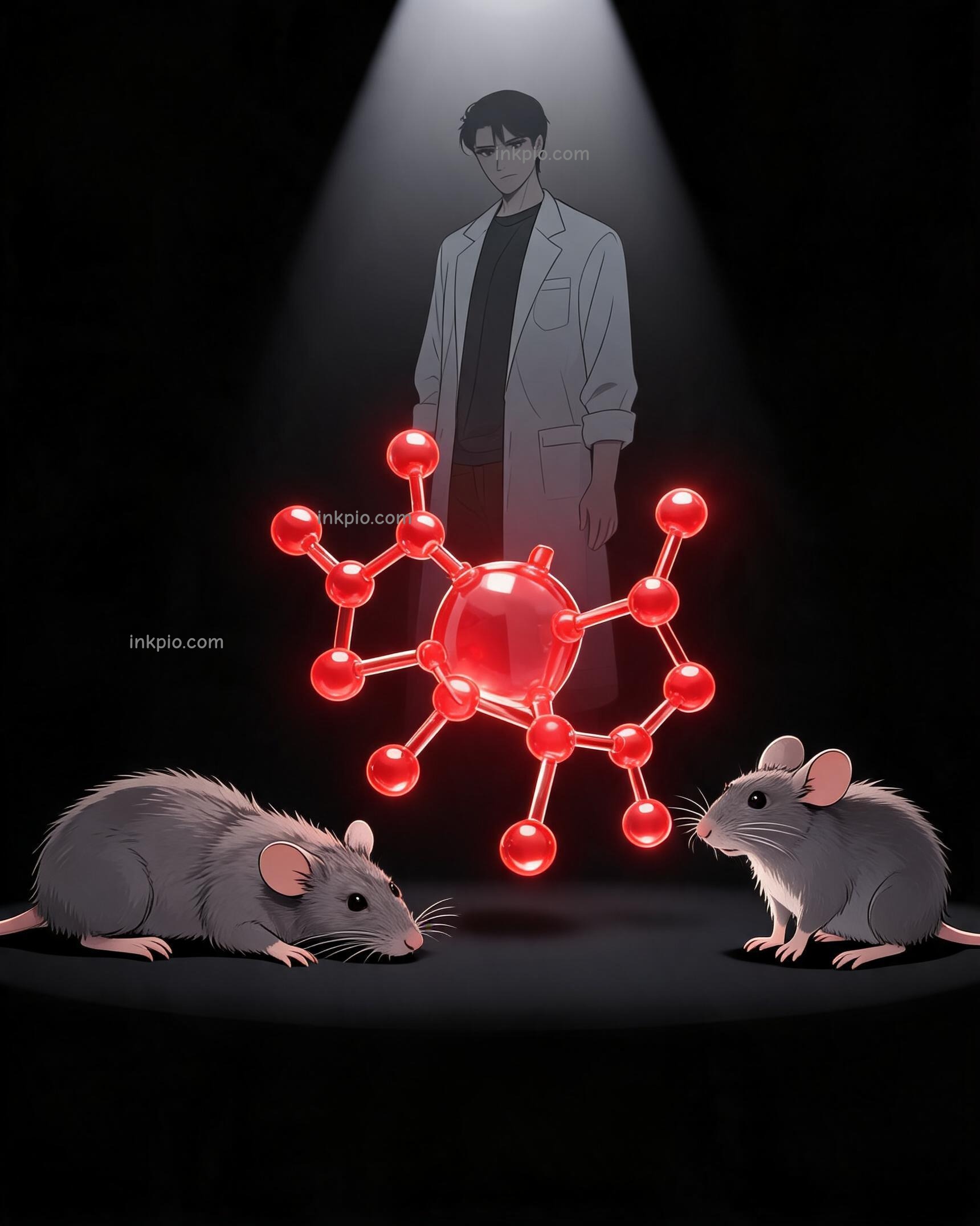
The secret lay in metabolism. Inside the mammalian bloodstream, Prontosil did not attack directly. Instead, the body broke the large red dye molecules apart. It shed the heavy color structure to release a simple, invisible compound: sulfanilamide. This active fragment slipped into bacterial cells, blocking their ability to build new cell walls. Without walls, the bacteria collapsed. The host remained unharmed.
Domagk ran the trials again, driven by a need for certainty. He tracked every dose, every symptom, every outcome. His leather-bound notebook became a record of hope. Finally, he wrote the entry that would change everything: one hundred percent survival. The numbers were stark, undeniable. The age-old nightmare of infection had a countermove.
Bayer rushed Prontosil to market in 1932. It became the first commercially available synthetic antibacterial drug. Domagk did not seek fame; he sought relief for the suffering he had witnessed. His discovery quietly rewrote medical textbooks long before the Nobel Prize arrived in 1939. He proved that synthetic chemistry could outsmart nature’s cruelty.
Late one evening, Domagk closed the leather notebook. The lab was quiet, the experiments done. He looked out the window at the darkening city. Somewhere out there, a child might scrape a knee and survive. The fear in the mother’s eyes would be gone. He turned off the light, leaving the red dye in the shadows, knowing the world had shifted on its axis.