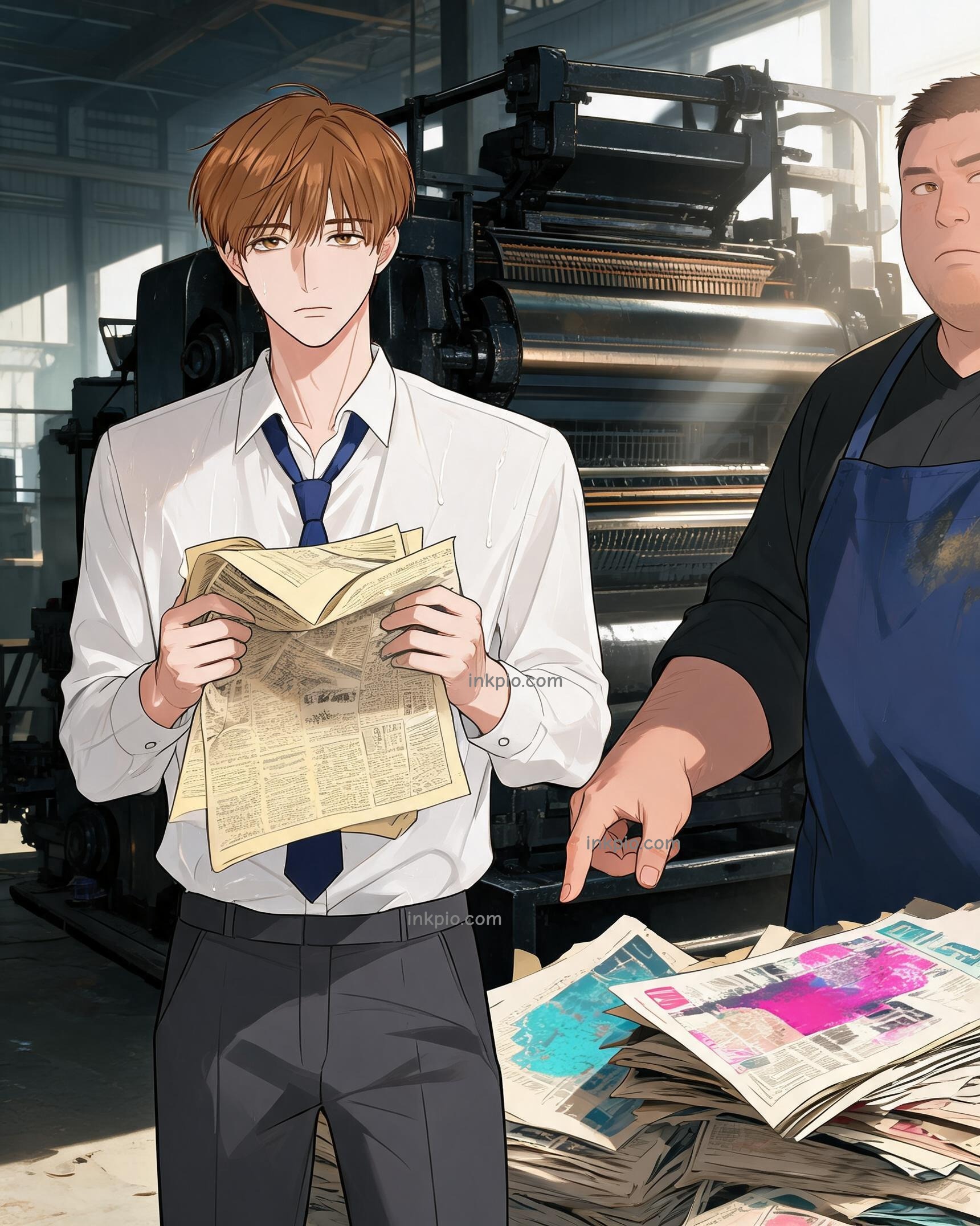

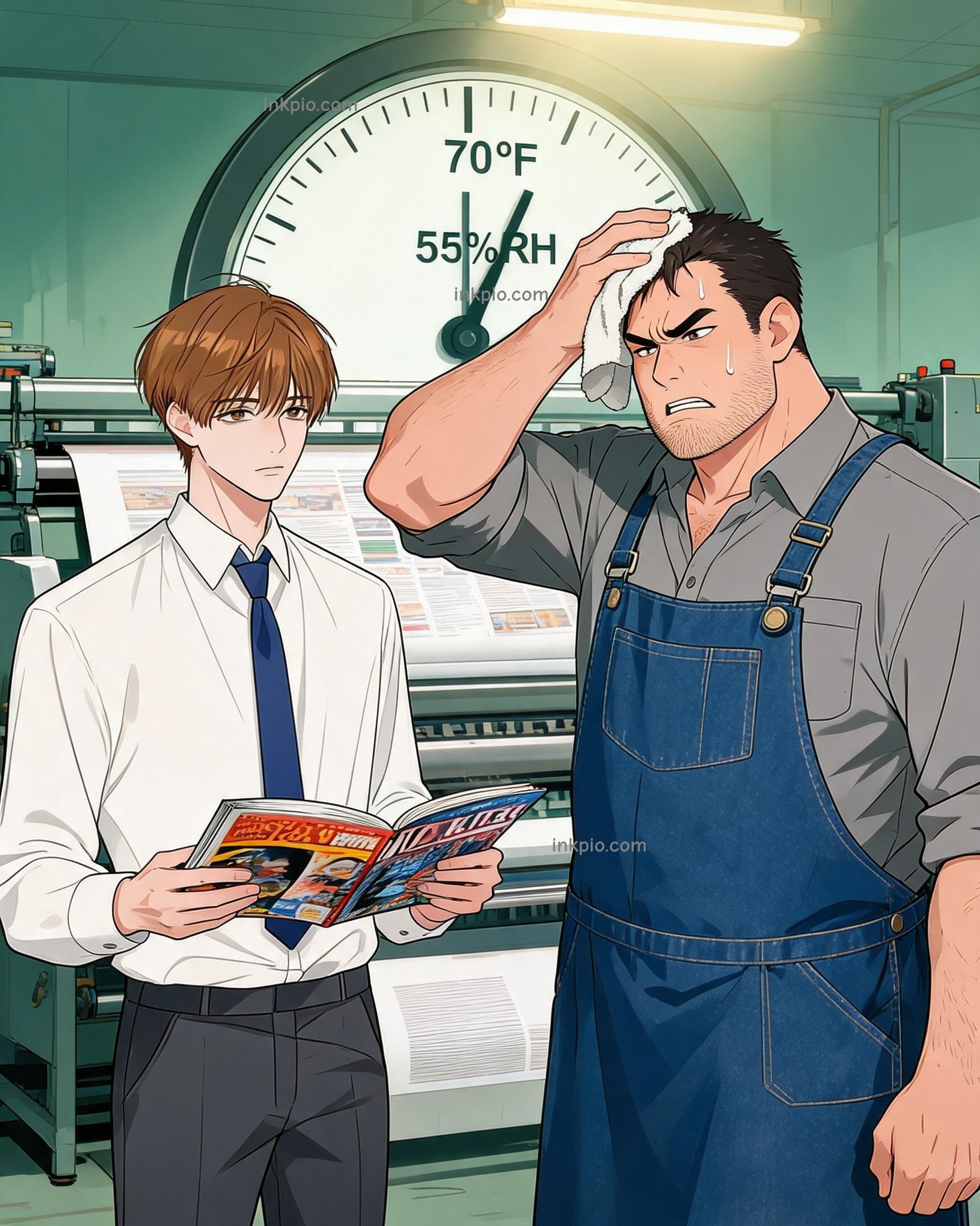

The air in the Sackett-Wilhelms plant hung heavy, a wet blanket that smelled of ink and despair. It was July 1902 in Brooklyn, and the heat wasn't just uncomfortable; it was destructive. The foreman stood over a stack of ruined magazines, his knuckles white as he gripped the edge of the table. Cyan and magenta inks had bled into each other, turning crisp illustrations into muddy smears. Summer humidity had swollen the paper fibers, shifting them just enough to ruin the multi-color alignment. If this continued, the summer production schedule would collapse, taking jobs and reputations with it.
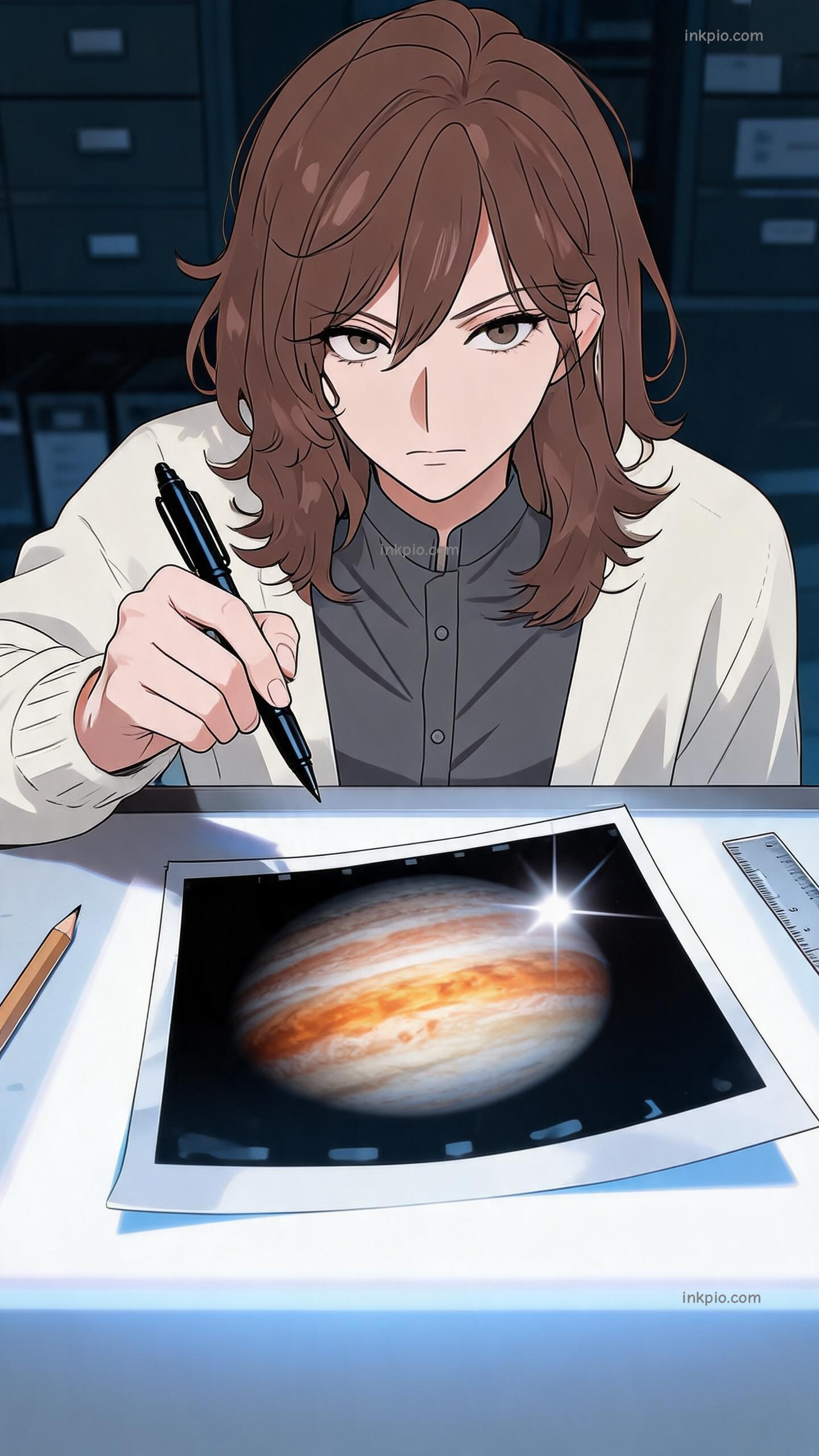
Willis Carrier watched the foreman’s frustration from the shadows of his desk. He didn't see just ruined paper; he saw a puzzle that everyone else was solving wrong. The workers blamed the heat, sweating through their shirts and cursing the sun. But Carrier knew temperature was only half the enemy. The real culprit was invisible, hiding in the thick air: water vapor. Paper acted like a sponge, drinking in moisture and expanding, throwing off the delicate registration of the printing plates. He needed to pull that hidden water out, not just cool the room.
Carrier’s mind drifted to a simple observation, something anyone could see but no one connected to industry. When you pull a cold drink from an icebox, water beads form on the glass. The air hits the cold surface and spills its hidden moisture. It was a trivial domestic detail, but to Carrier, it was a key. He hypothesized that if he could force air below its dew point, the water would condense and leave the air dry. He didn't have a blueprint for this; he had a hunch and a fear of failure.
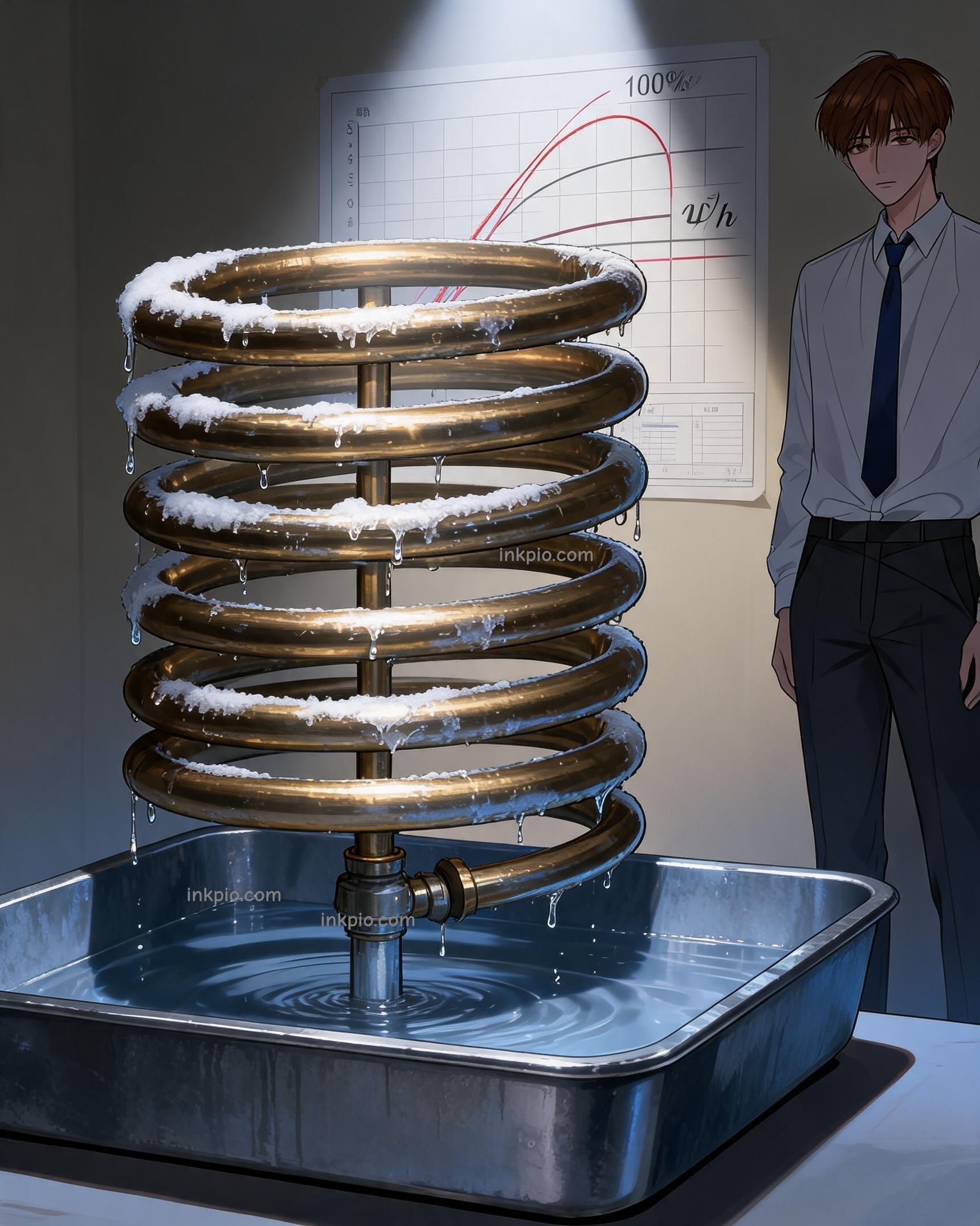
He built an apparatus from scratch, pushing room air through chilled brass coils. The metal was cold enough to drop the air temperature below the dew point. As the air passed through, water literally dripped out, collecting in a tray below. It worked, but it created a new problem. The resulting breeze was freezing and arid, shocking the workers who were used to the stifling heat. Carrier realized that drying the air was only the first step. He had to reheat it, bringing it back to a precise, stable humidity that wouldn't warp the paper or freeze the men.
The moment of truth came when the massive presses fired up again. The foreman held his breath, watching the cyan and magenta lines race across the sheet. For the first time in weeks, they aligned perfectly. The paper lay flat, crisp and obedient. The foreman didn't cheer; he simply exhaled, a long, slow release of tension, and gave a quiet thumbs up. The rhythm of the factory returned, steady and reliable. Carrier watched the smooth operation, feeling a relief that was deeper than pride. He had tamed the invisible enemy.
But Carrier couldn't let it rest as a lucky trick. He needed to prove it wasn't magic, but math. In 1911, he published his Rational Psychrometric Formula. It turned his workshop experiments into hard science, giving engineers the exact numbers to calculate air-water vapor mixtures. He had started by trying to keep paper flat, but his formula provided the tools to control the dew point with precision. The equation sat on the page, silent and absolute, a map for mastering the atmosphere.
Years later, the memory of that humid July stayed with him. He hadn't set out to change how humans lived, only to save a printing run. Yet, as he looked at his formulas, he realized he had captured something fundamental. The same logic that saved the magazines could tame the summer heat for anyone, anywhere. The world outside remained hot and chaotic, but inside the equations, the air was always under control.