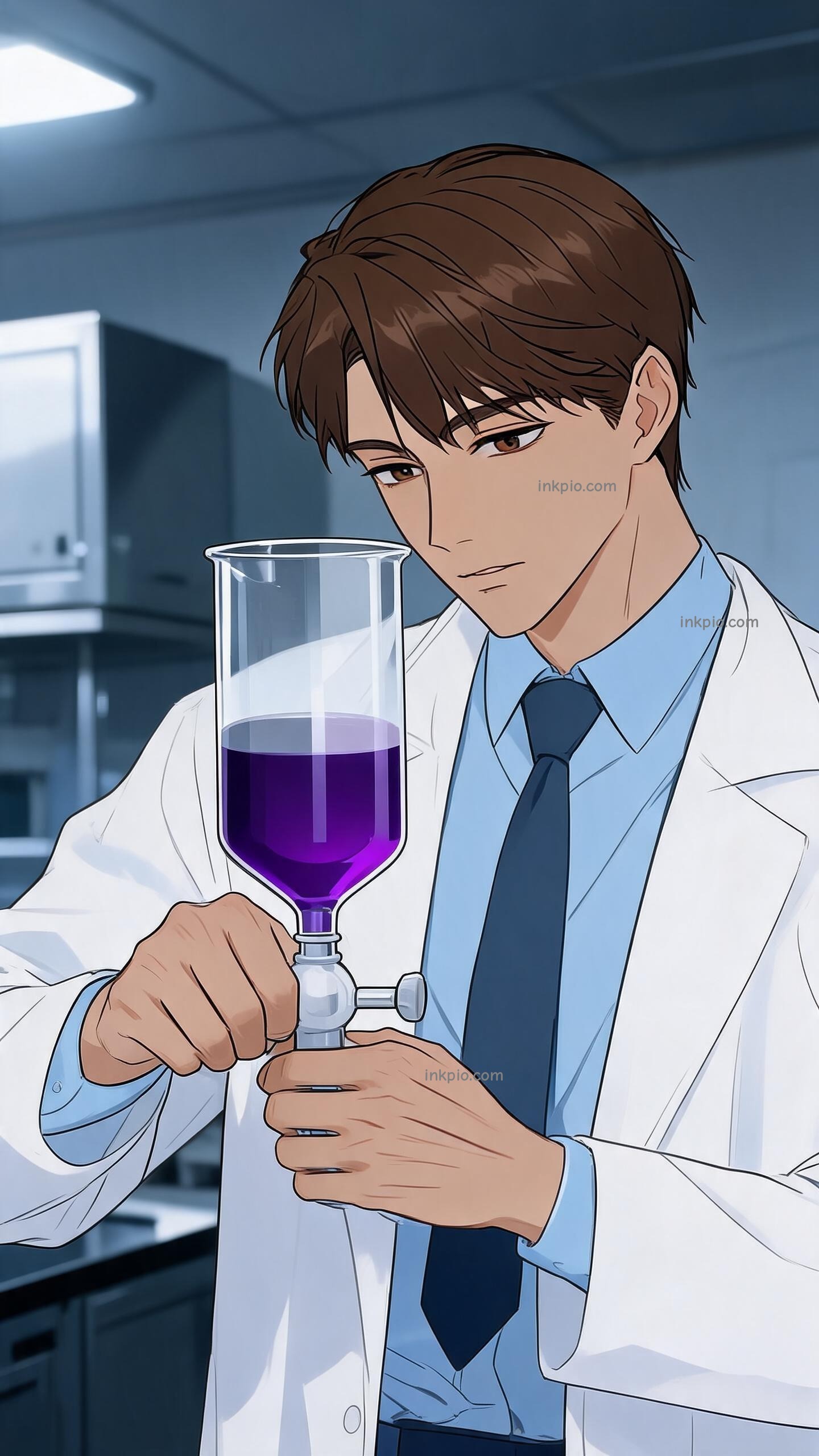
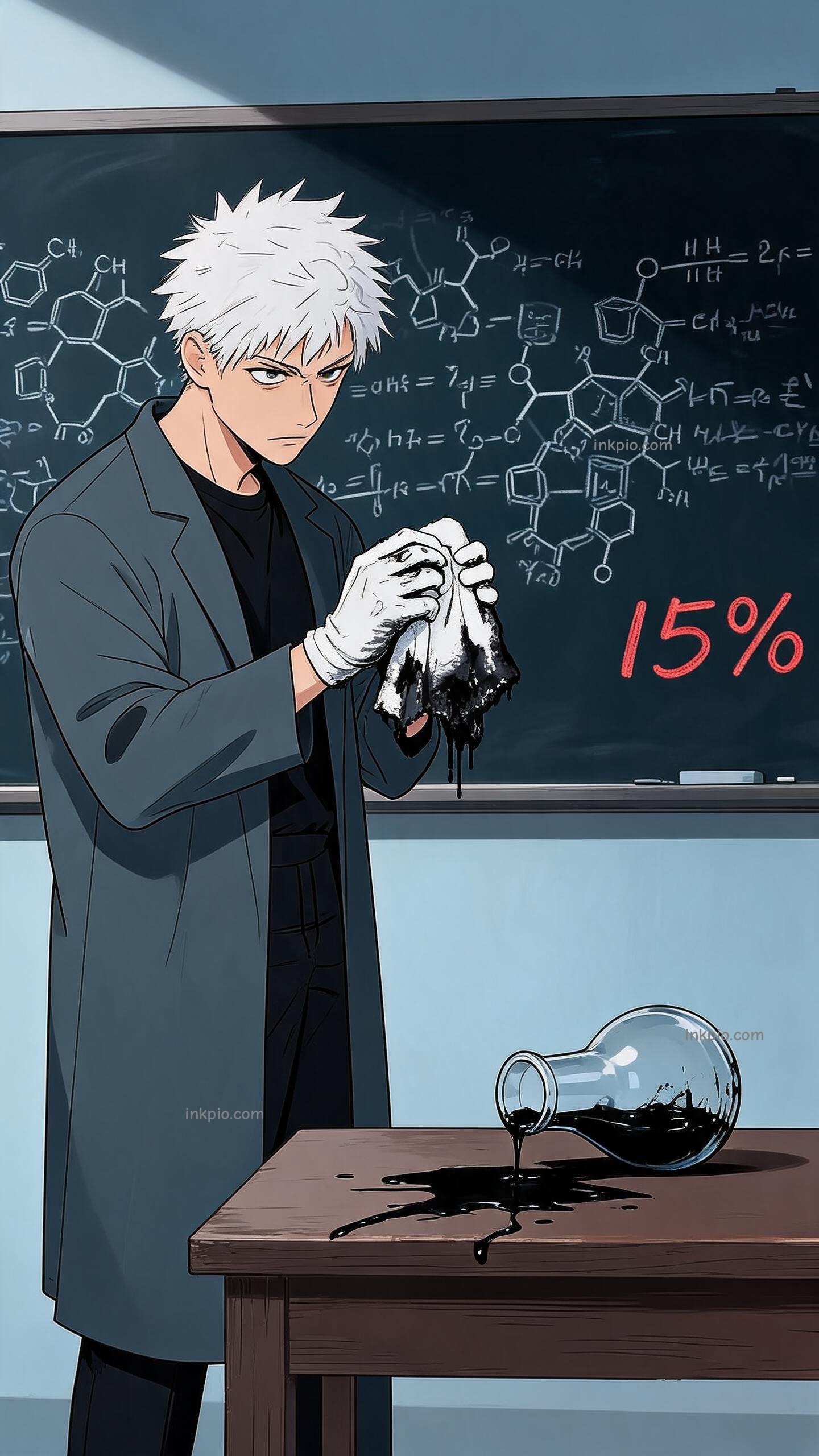


The fume hood hummed, a low, constant drone that seemed to mock the silence in the lab. Barry Sharpless watched a viscous, amber sludge drip from the condenser into the waste beaker. It wasn’t just chemical runoff; it was the physical manifestation of failure. For decades, organic synthesis had been a brutal exercise in attrition. To link two simple molecular fragments, chemists forced them together with harsh solvents and excessive heat, praying for a reaction that rarely came cleanly.
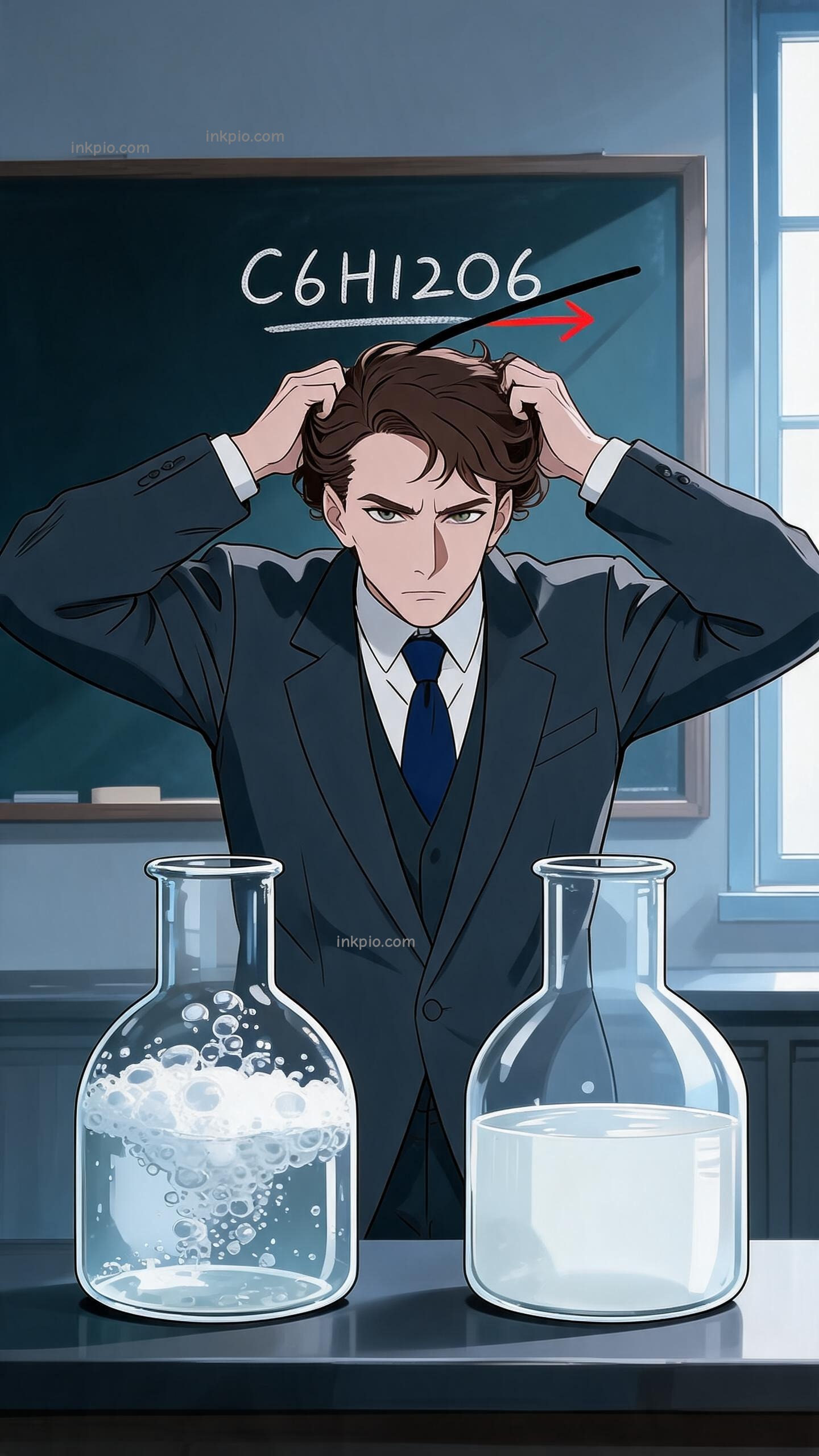
The yield sat at fifteen percent. The other eighty-five percent was toxic waste, destined for special disposal barrels that cost more than the reagents themselves. Barry rubbed his temples, feeling the weight of every failed experiment. He looked at the complex structures on the whiteboard—potential life-saving drugs—and saw only a mountain of garbage standing between him and the medicine. Nature didn’t work this way. In living cells, enzymes assembled massive proteins with flawless precision, no waste, no mess. Why did human chemistry have to be so violent?
This frustration curdled into an obsession. Barry stopped trying to force molecules to react. Instead, he began to dream of a different kind of connection. He wanted chemistry that behaved like plastic building blocks. No glue, no clamps, no waiting. Just two pieces finding each other and locking into place with a satisfying, irreversible snap. He called it 'Click Chemistry.' The concept was deceptively simple: reactions must be fast, modular, and produce zero byproducts. If a reaction didn’t click, it wasn’t useful.
But a blueprint is not a building. For a year, the lab remained quiet, filled with the tension of unproven ideas. Colleagues whispered that Barry was chasing a fantasy. Molecules are chaotic, they argued; they don’t follow tidy rules. Barry ignored them, scanning literature for a reaction that fit his rigid criteria. He needed a partner that would ignore the noise of the solvent and focus solely on the bond.
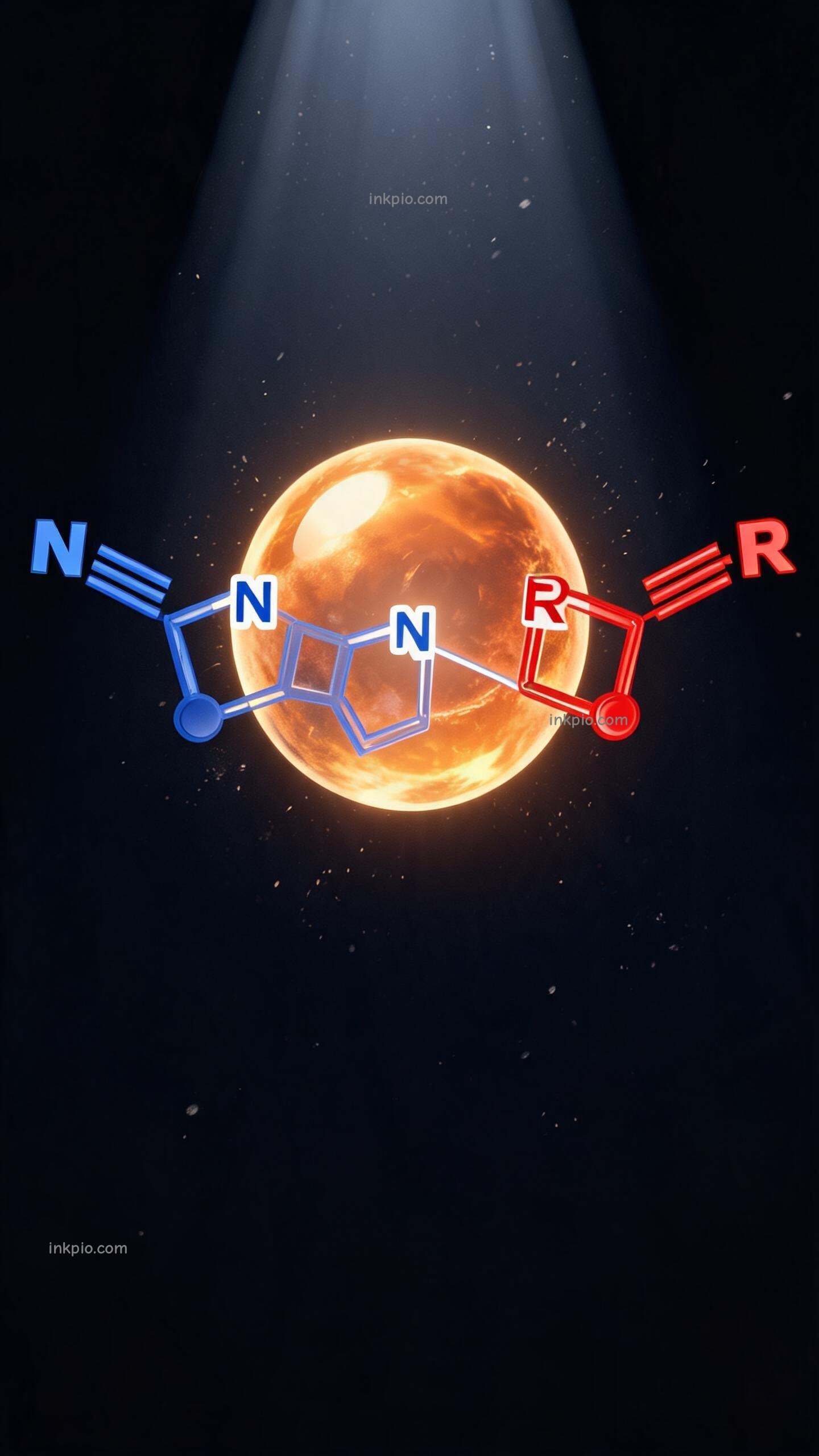
Then, in 2002, the noise stopped. Independently, Morten Meldal in Denmark and Barry’s team found the same missing piece. It wasn’t a new molecule, but a new role for an old one: copper. The metal ion acted as a molecular matchmaker. It grabbed an azide group from one side and an alkyne from the other, pulling them into a tight embrace. The geometry was perfect. The copper held them steady until they fused into a five-membered triazole ring.
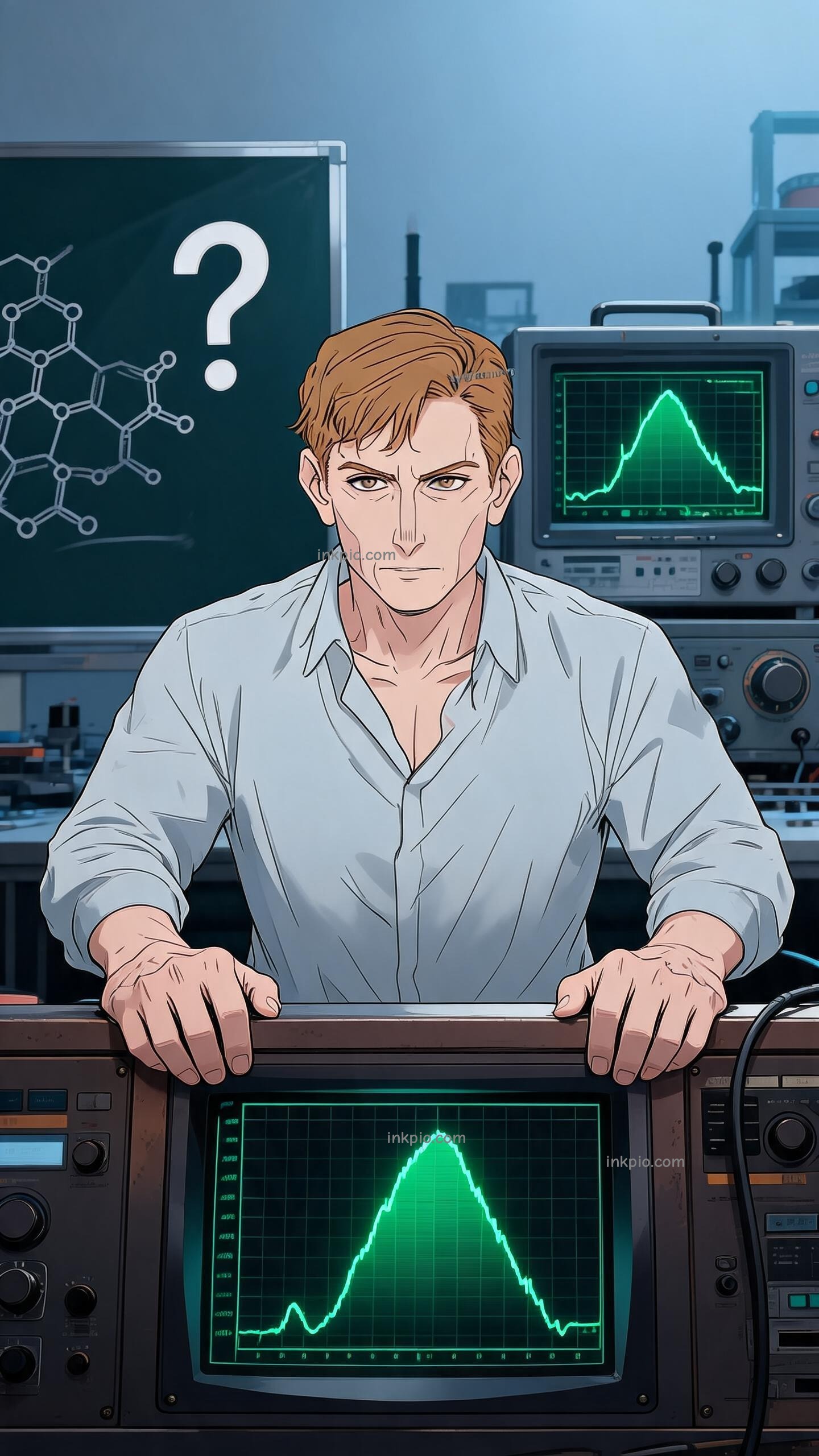
Barry watched the spectral data come through. The peaks were sharp, clean, undeniable. There were no side products. No messy sludge. Just the pure, desired structure. He didn’t cheer. He simply leaned back, the tension in his shoulders finally releasing. The copper had done the work. The molecules had clicked.
The impact was immediate and quiet. In labs across the world, the heavy glassware used for difficult couplings was pushed aside. Drug developers began attaching fluorescent tags to antibodies, watching them light up cancer cells without damaging the drug’s core. Material scientists linked polymers into networks stronger than steel. The universal joint Barry had imagined was real.
Today, when a young researcher mixes an azide and an alkyne with a pinch of copper sulfate, they don’t think about the years of wasted solvents. They don’t worry about the yield. They wait for the snap. It is a small sound, barely audible over the hum of the fume hood, but it signals the end of struggle. The pieces fit. The waste is gone. And for the first time, chemistry feels less like a battle and more like a conversation.