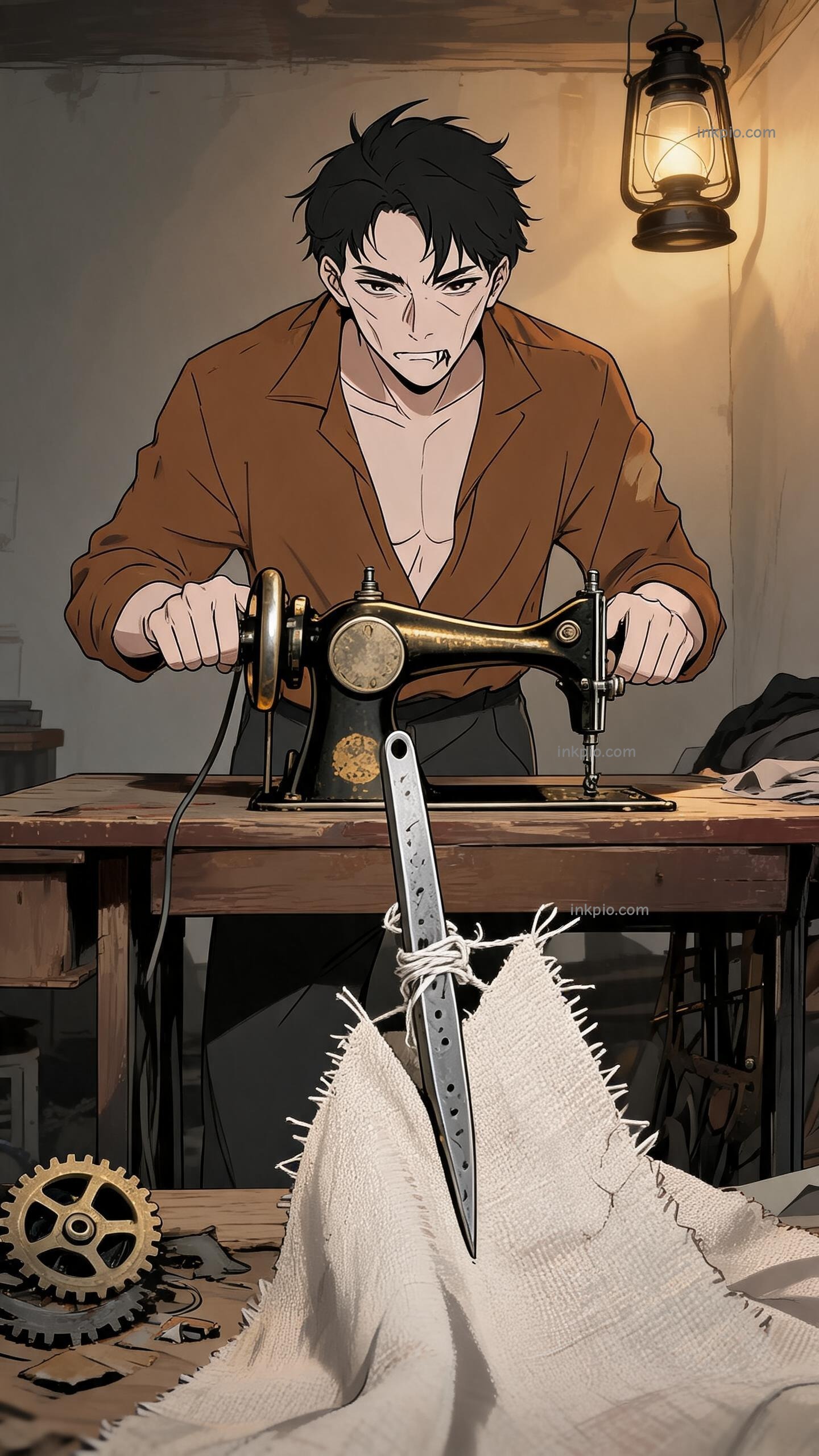

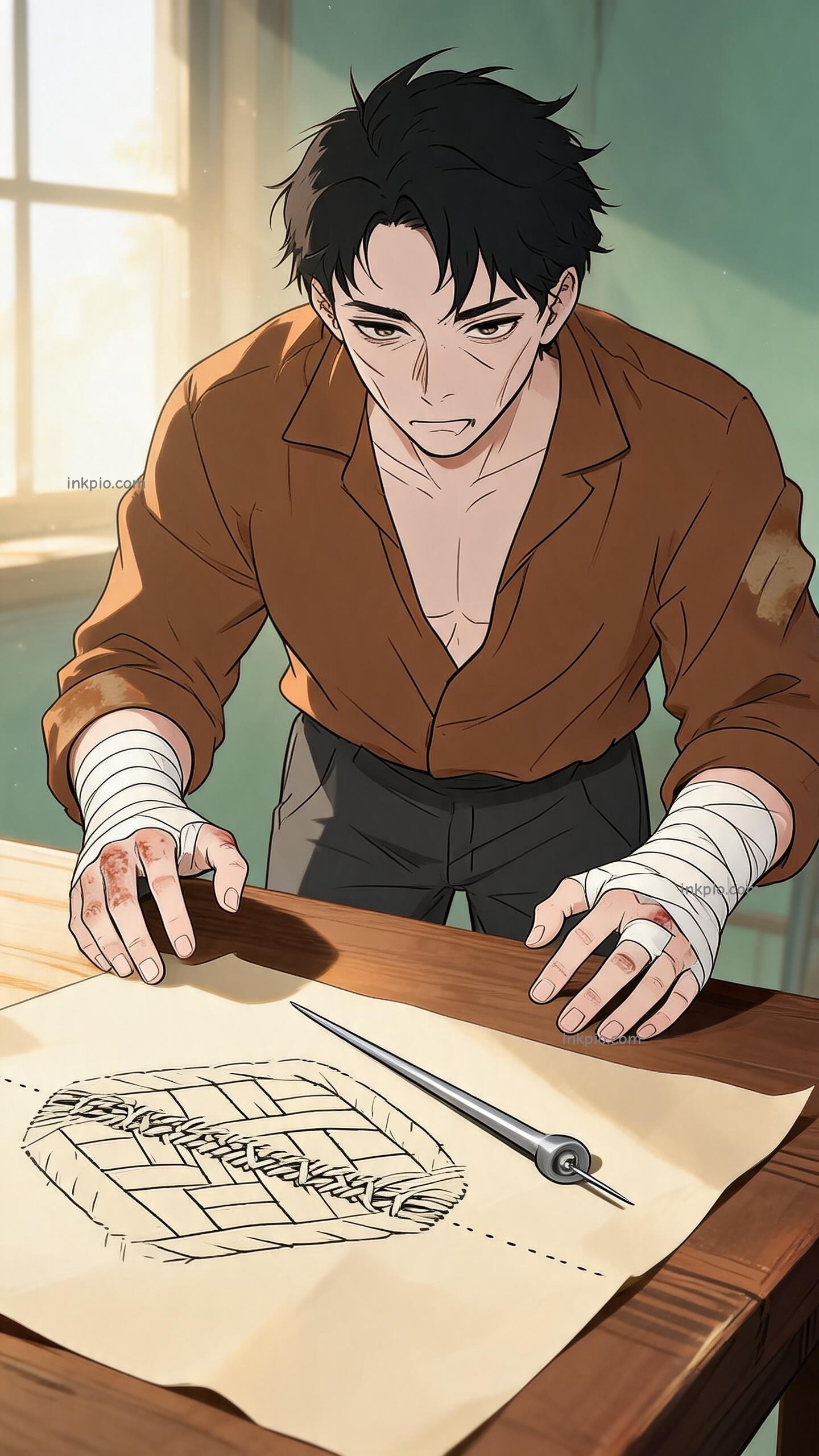

The linen tore again. It was a small, jagged rip, but to Elias Howe, it sounded like a bone snapping. He stared at the ruined fabric, his fingers trembling not from cold, but from a exhaustion that had settled deep in his marrow. For years, he had tried to force metal to mimic the human hand. He built needles with eyes at the blunt end, pushing them through cloth just as a seamstress would. But machines do not have patience. The thread dragged behind the needle, tangling into knots that jammed the gears and shredded the material.
By 1845, the silence in his workshop was heavier than the noise of failure. His savings were gone. His wife’s illness cast a long shadow over every unpaid bill on the table. Friends advised him to quit, to accept that some things cannot be mechanized. But Howe could not stop. He was trapped by a single, stubborn assumption: that the needle must push the thread through. Every prototype ended the same way—snagged, stuck, broken. He felt less like an inventor and more like a prisoner of his own logic.
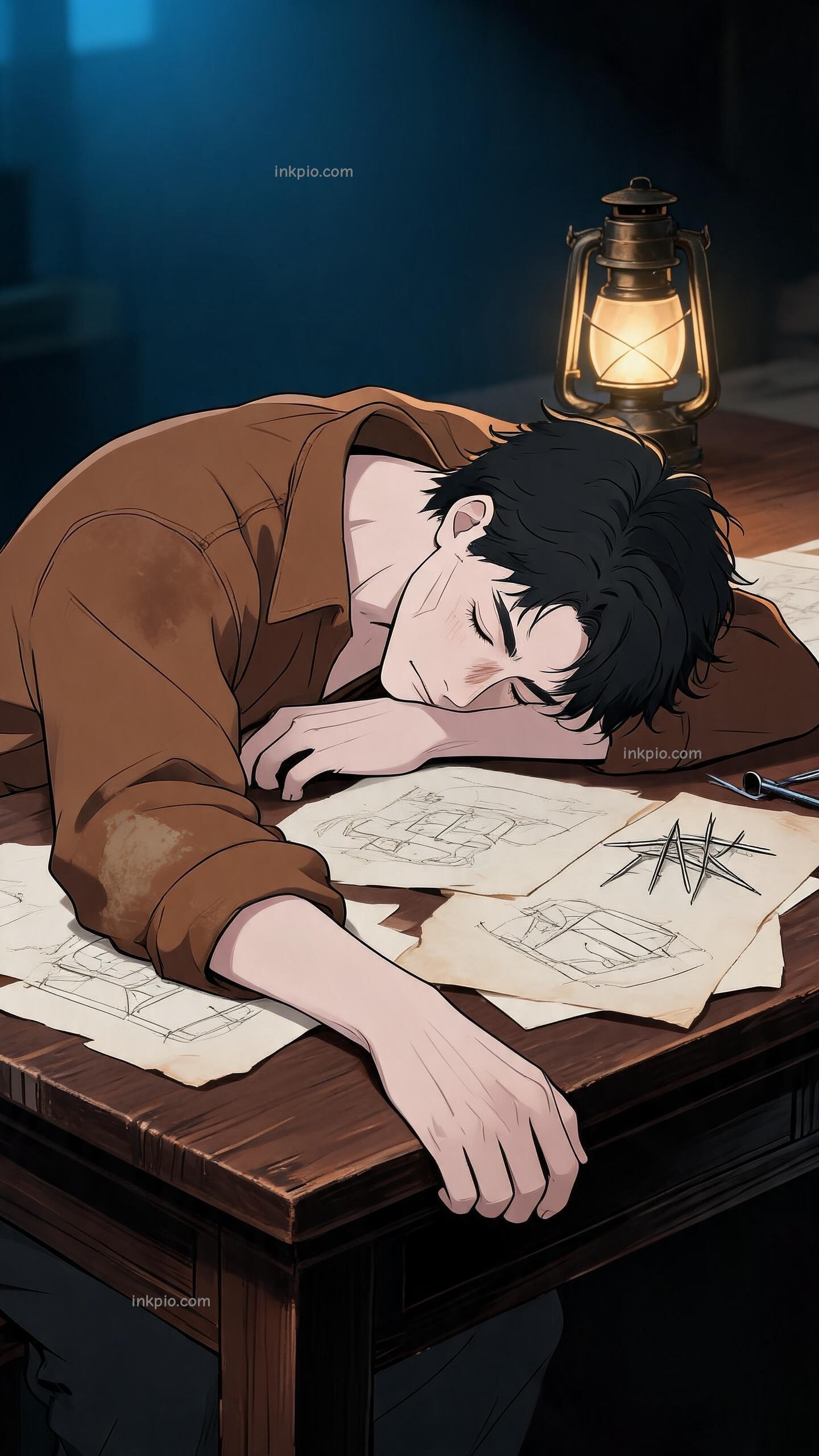
One night, the weight became too much. Howe fell asleep at his workbench, his head resting on a pile of rejected sketches. Sleep did not bring rest; it brought a nightmare. He found himself captured by warriors in a foreign land. Their faces were painted, their movements erratic and threatening. They demanded he build a sewing machine, or face death. Panic seized him. He tried to work, but his hands shook. The warriors began to dance around him, thrusting long spears through a piece of cloth.
In the dream, time slowed. Howe watched the spears pierce the fabric. Something was wrong. Something was impossible. He leaned closer, ignoring the threat of the blades. Each spear had a hole drilled not at the base, but right through the pointed tip. The thread ran through the point, leading the way rather than trailing behind. The image burned itself into his mind, bright and undeniable. He woke with a gasp, the vision still hovering behind his eyelids.
The answer was not in the mechanics, but in the reversal of intuition. The eye had to be at the point. Howe rushed to his bench, his hands steady for the first time in months. He crafted a new needle, drilling the eye near the sharp tip. He added a shuttle beneath the fabric, carrying a second thread. As the needle pushed through, it carried the top thread with it. On the return stroke, the shuttle swung across, looping the bottom thread through the top one. The two threads locked together inside the cloth, secure and tight.
The machine hummed. It did not jam. It did not tear. It stitched a perfect lockstitch, smooth and fast. On September 10, 1846, the patent office issued US Patent No. 4,750. Howe held the certificate, but his eyes were on the machine. He thought of his friend Orson Phelps, to whom he had described the dream of the spears. He thought of his wife, whose clothes would no longer take days to mend. The machine continued its rhythmic dance, up and down, stitching not just fabric, but the frayed edges of his life back together.