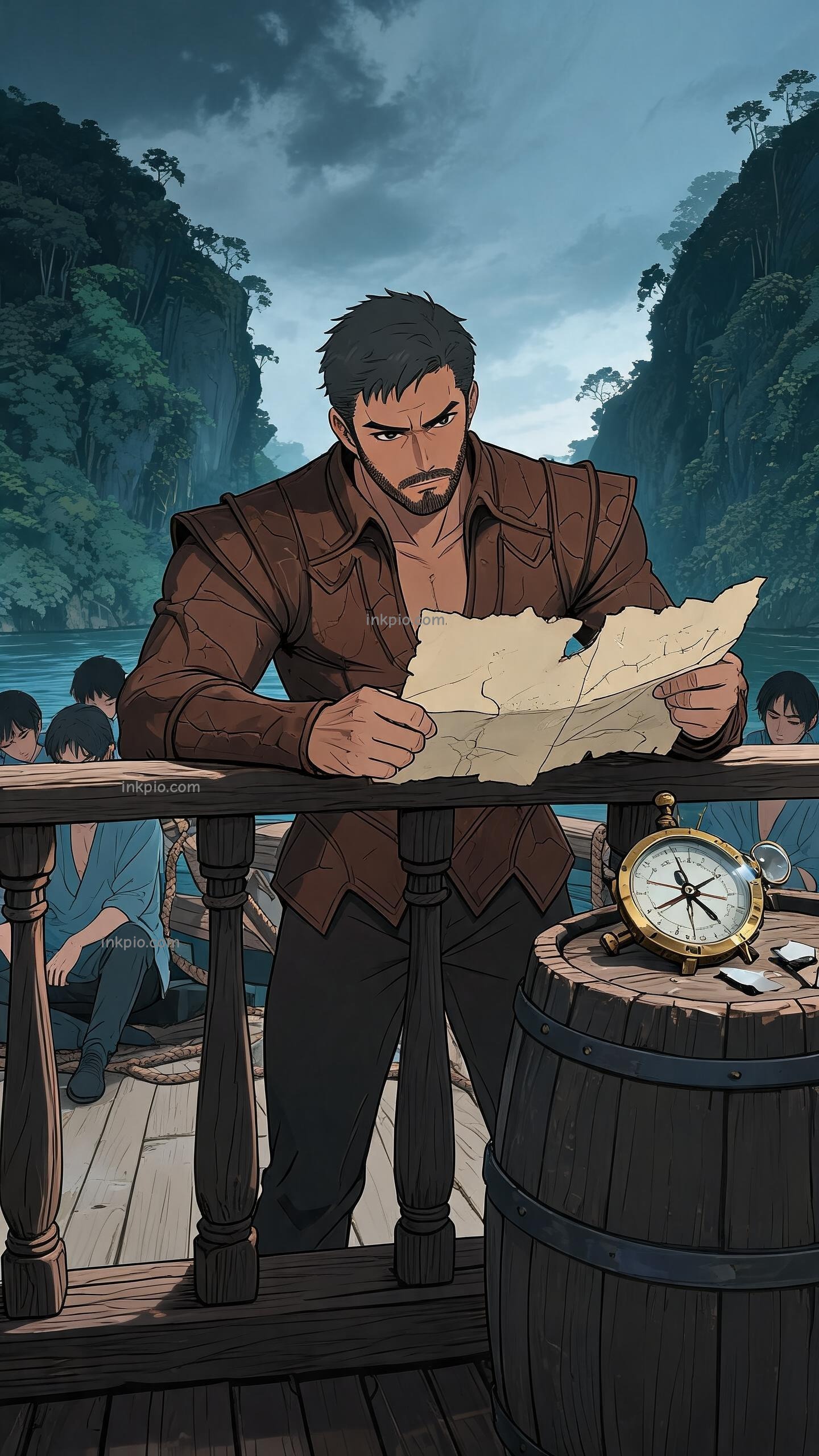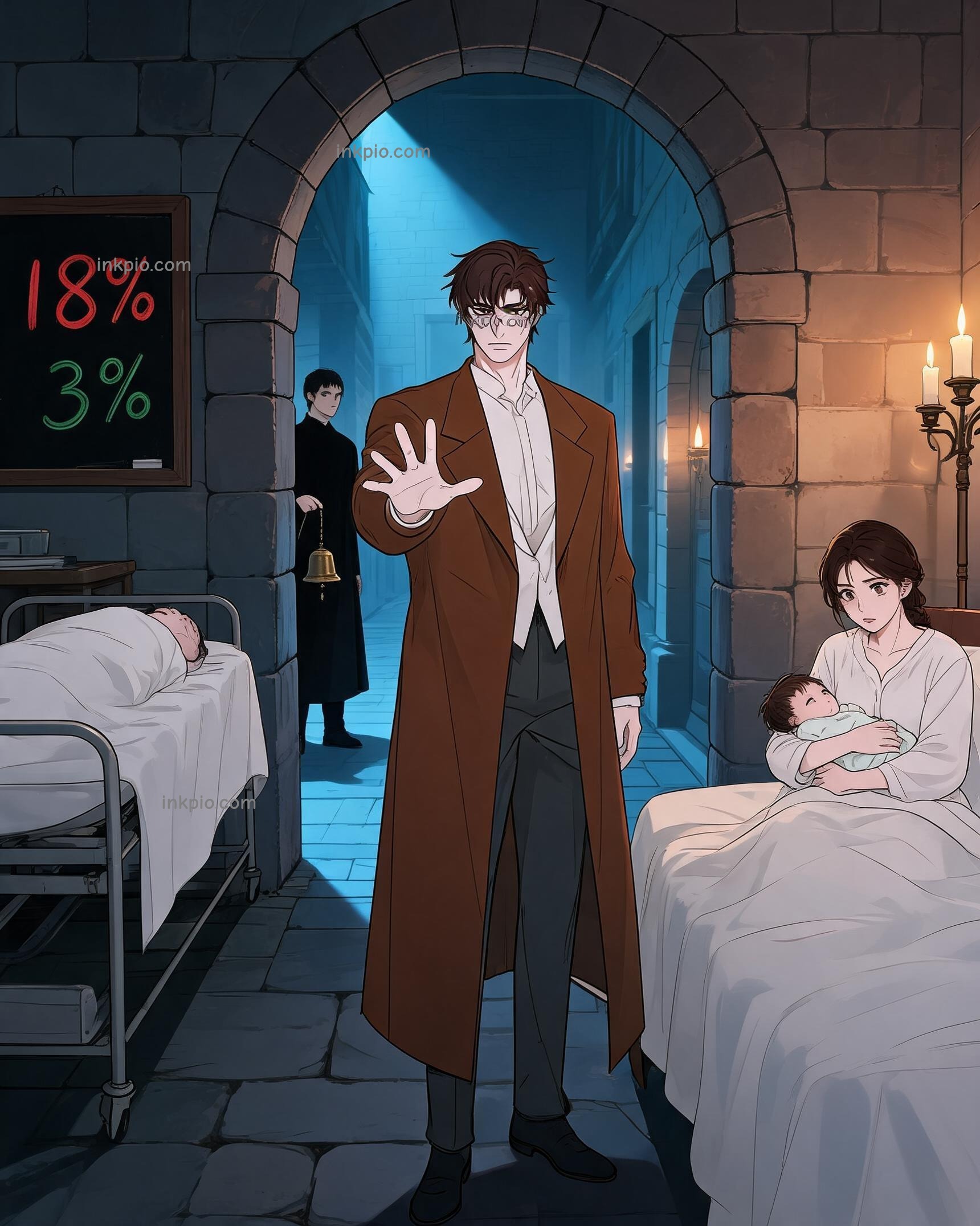




The air inside HMS Salisbury in 1747 didn't just smell of damp wood; it carried the metallic tang of blood and the sour breath of dying men. James Lind stood by the hammocks, watching a sailor who had once climbed rigging with ease now struggle to lift his own head. The man’s gums were spongy, black masses that bled at the slightest touch. His legs, once sturdy pillars, were split open by purple bruises that refused to heal. Lind felt a cold knot tighten in his stomach. It wasn't just disease; it was a systematic failure. Every remedy in the ship’s chest had been tried, and every remedy had failed. Vinegar, seawater, garlic paste—they were guesses dressed up as medicine. And guessing, Lind realized with a surge of quiet anger, was just another way to watch good men die.
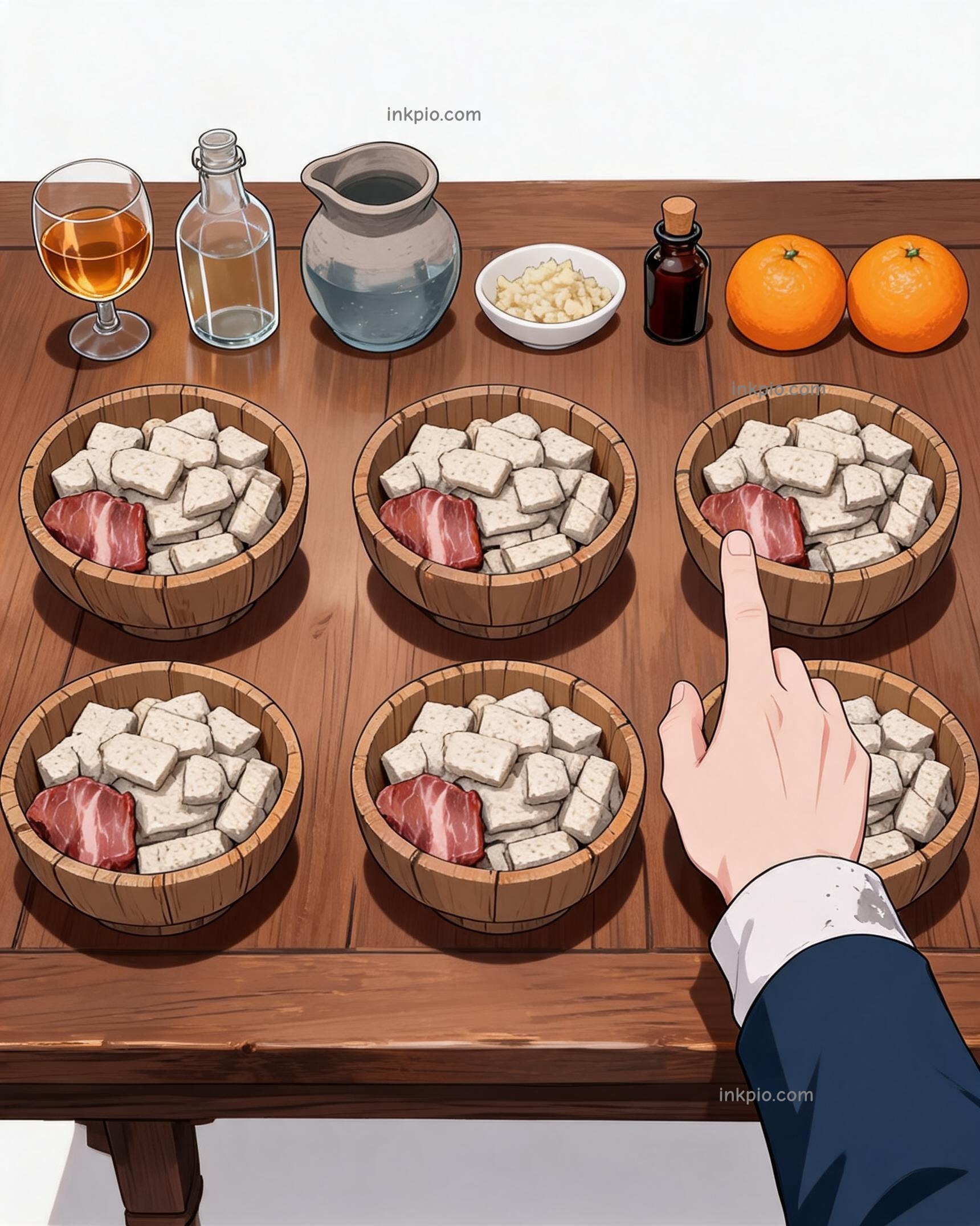
He stopped reaching for the usual bottles. Instead, he pulled out a ledger. If chance was killing them, order might save them. He selected twelve men, all in similar stages of decay, their bodies wasting away in identical misery. He divided them into six pairs. This was not mercy; it was method. He kept their base diet rigid: hardtack that cracked teeth and salted beef that tasted of time. The only variable would be what he added to their daily ration. He needed the sailors' bodies to become honest witnesses, stripping away folklore to reveal biological truth.
The lower decks became a laboratory of suffering. One pair drank cider, hoping the fermentation would cleanse their blood. Another swallowed seawater, believing the ocean could cure what it inflicted. A third group gargled vinegar, while a fourth chewed on garlic and mustard seed. The fifth pair drank a bitter elixir of unknown herbs. The final two men received something seemingly trivial: two oranges and one lemon each day. Lind watched them closely. He wasn't looking for miracles; he was looking for data. He recorded every groan, every shift in color, every moment a man could or could not stand.
Days passed in the gloom. The cider drinkers remained weak, their wounds weeping pus. The seawater group grew more delirious, their thirst unquenched by the brine. But on the sixth day, the atmosphere around the fruit-eaters shifted. The bleeding from their gums slowed, then stopped. The purple bruises on their legs began to fade, turning from angry violet to pale yellow. One of the men sat up. Then he stood. He walked to the edge of his hammock, testing his weight on legs that had been useless days before. The other five groups lay still, trapped in their decline, but these two men were reclaiming their lives, bite by citrus bite.
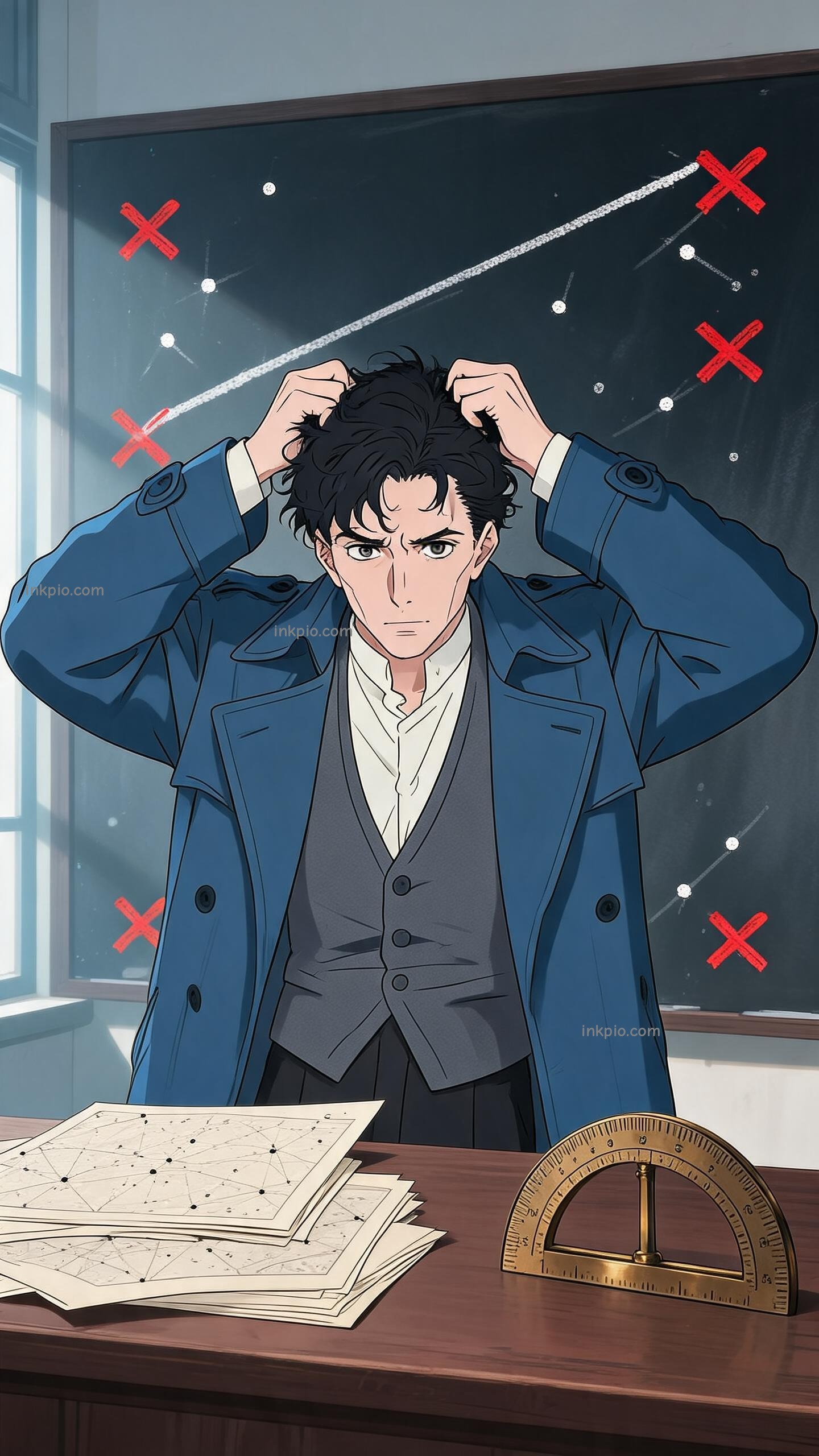
Lind closed his leather-bound notebook. The sound was soft, but it echoed loudly in the quiet cabin. He looked at the pages filled with stark comparisons. The answer hadn't been hidden in a rare root from the Indies or a complex alchemical formula. It had been sitting in the hold, rotting alongside the casks of beer. The realization hit him not with joy, but with a heavy, sobering clarity. For generations, the navy had buried thousands because no one had bothered to compare. They had treated symptoms with superstition instead of treating causes with observation.
He packed his notes away, his hands steady now. The despair that had choked the ship began to lift, replaced by a fragile hope. He knew the battle wasn't over; convincing the Admiralty would be harder than curing the men. But for the first time, he held proof. The fruit had done the heavy lifting, breaking the cycle of death. As he stepped back onto the deck, the sea air still smelled of salt and decay, but it no longer smelled of inevitability. He had found a way to stop the guessing. The numbers on the page were silent, but they screamed the truth: next time, they would bring the lemons.