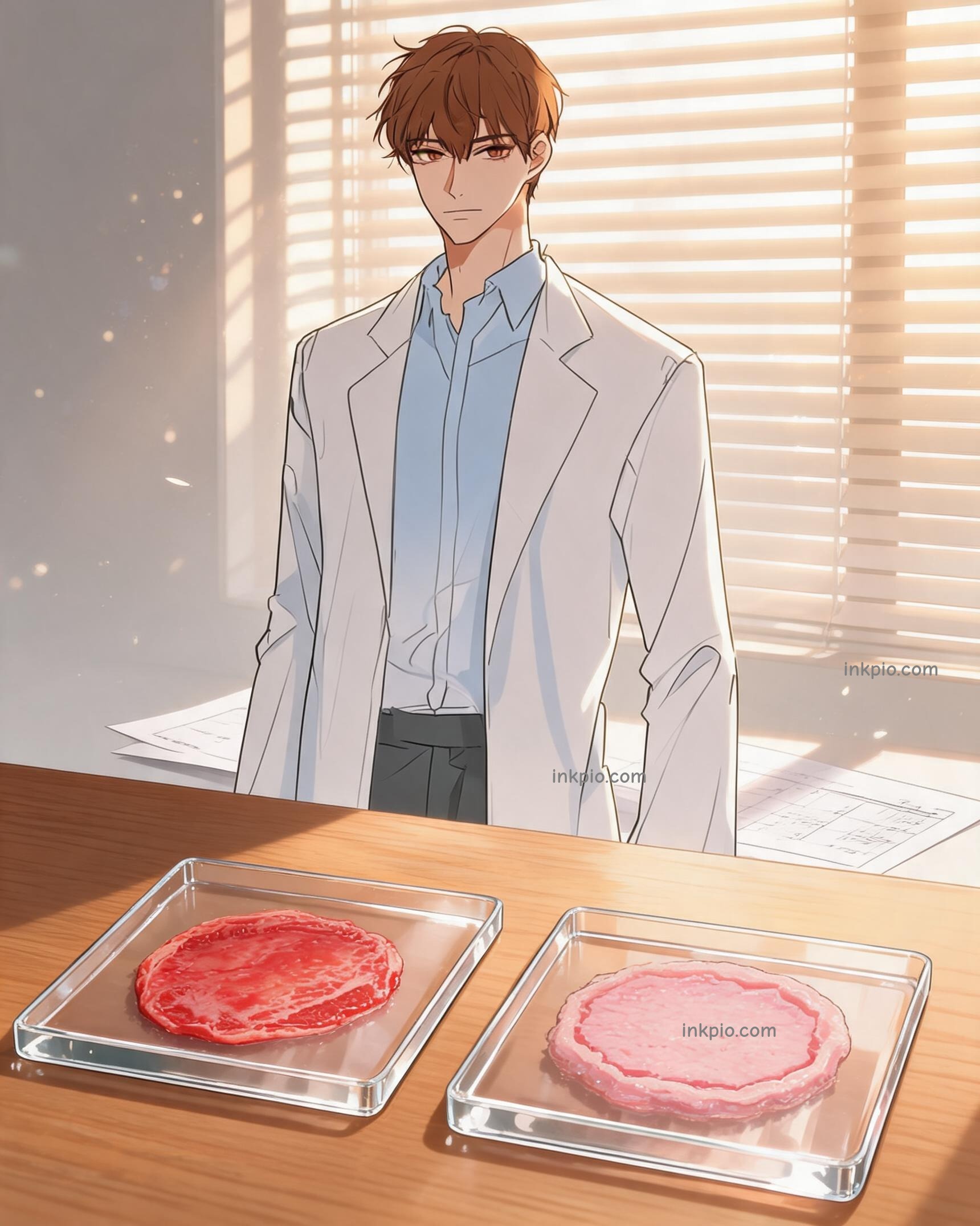

The clinic air smelled of stale coffee and unresolved pain. Barry Marshall watched another patient leave, clutching a prescription for antacids that would do nothing but mask the fire in their gut. For decades, medicine had treated ulcers as a lifestyle failure—stress, spicy food, a weak constitution. The pills were a band-aid on a bullet wound. Patients returned month after month, trapped in a cycle of temporary relief and recurring agony. Marshall felt a growing frustration, not just at the disease, but at the arrogance of a system that refused to look closer.
He and Robin Warren had seen the truth hiding in plain sight. Under the microscope, spiral bacteria clung to the stomach lining of ulcer patients. It was undeniable evidence, yet the medical establishment dismissed it with a wave of the hand. "Contamination," the senior doctors said. "Dirty lab equipment." They protected their textbooks rather than investigating the anomaly. Marshall realized that waiting for permission to be right would take forever. The isolation was heavy. He was a young researcher shouting into a void, armed with data that everyone else chose to ignore.
Desperation breeds boldness. If the system wouldn't let him prove causality through slow, approved clinical trials, he would force the issue. The logic was terrifyingly simple: introduce the suspect to the crime scene and watch what happens. He needed a human subject who trusted the hypothesis more than they feared the consequences. That subject was himself. There was no grand speech, no dramatic farewell. Just a quiet decision in a small lab, away from the judging eyes of his peers.
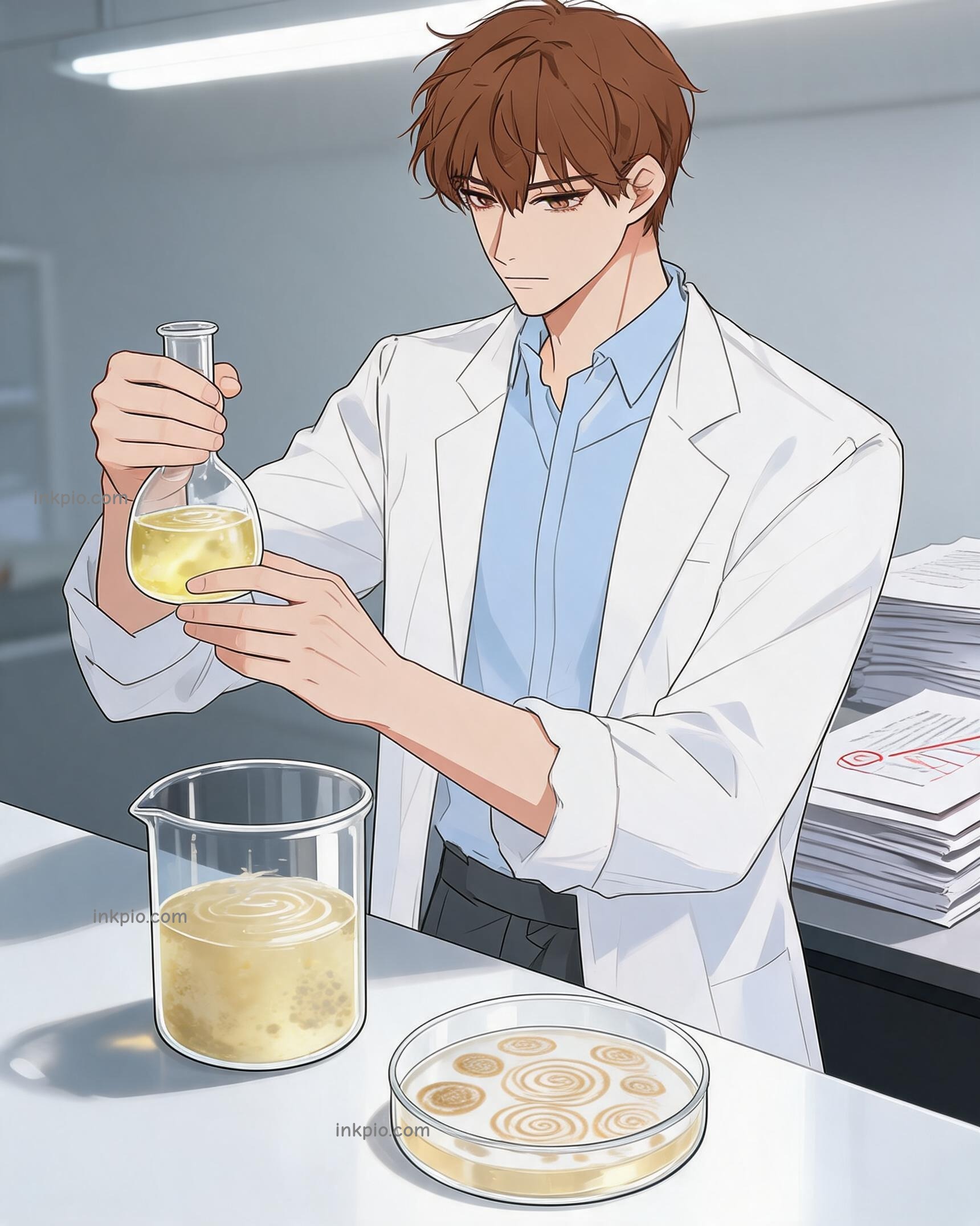
In June 1984, at Royal Perth Hospital, Marshall held a beaker containing 100ml of live Helicobacter pylori culture. The liquid was cloudy, teeming with the very organisms his colleagues called harmless contaminants. His hand didn't shake. He tilted his head back and swallowed the broth in one steady gulp. It tasted foul, metallic and thick, but he focused on the mission. He set the glass down and walked out, returning to his routine as if he hadn't just invited an enemy into his body.
The first few days were deceptively quiet. Life continued. He went to work, ate meals, slept. Part of him wondered if he had made a mistake, if the bacteria were indeed harmless. Then, on the fifth day, the silence broke. Nausea hit him like a wave, followed by a grinding, sharp ache that settled deep in his stomach. His appetite vanished. The pain was relentless, a physical confirmation that something was violently wrong. Instead of panic, he felt a grim satisfaction. The suspect had committed the crime.
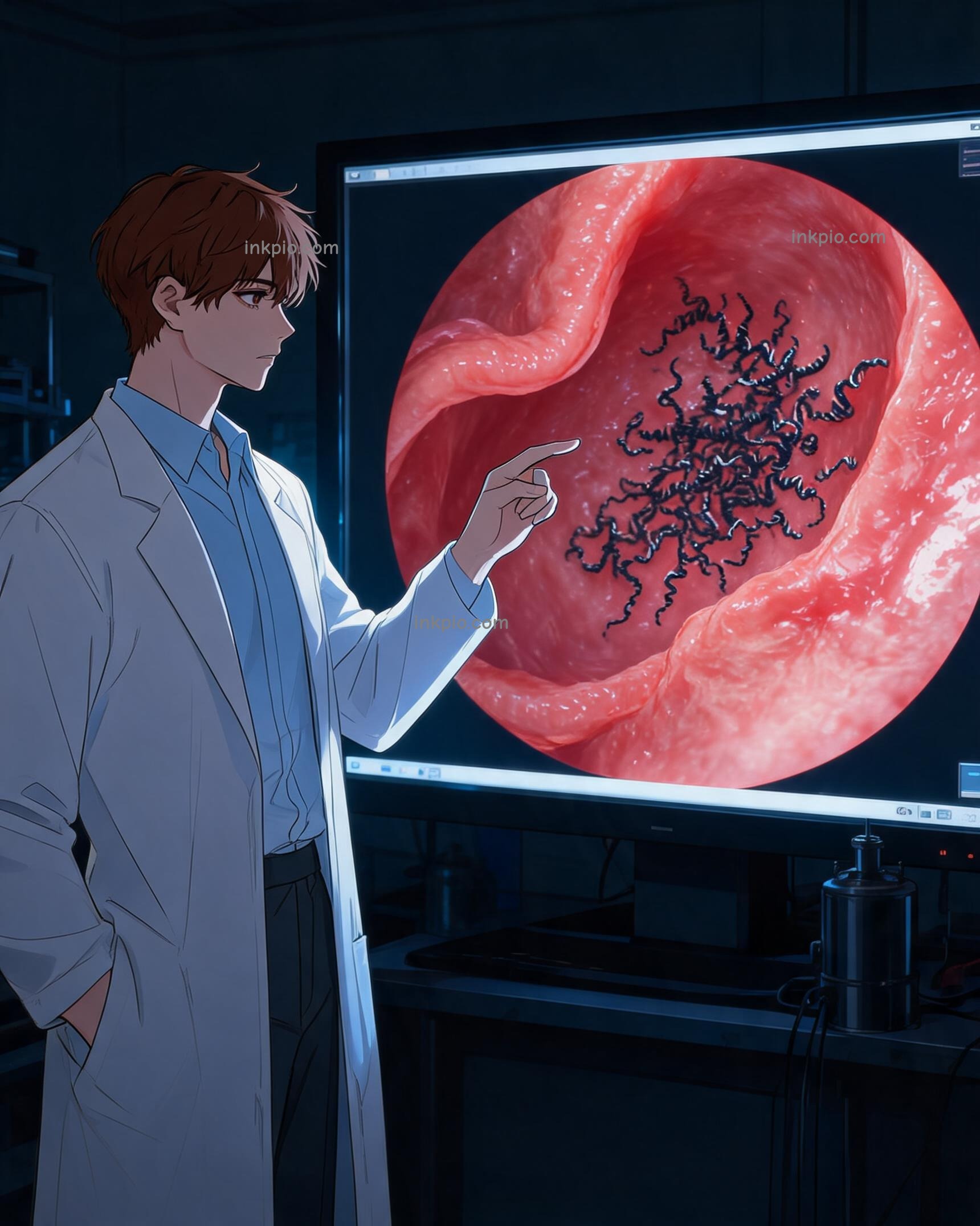
He booked an endoscopy immediately. Lying on the examination table, he waited for the camera to reveal the damage. The monitor flickered to life, painting a stark picture of his internal landscape. His stomach lining, once smooth and pale, was now angry red and inflamed. The biopsy confirmed it: the spiral bacteria had colonized his tissue, destroying the mucosa. The evidence was no longer theoretical. It was living, breathing, and hurting inside him.
"I drank the culture to prove the bacteria caused gastritis," he later said. The statement was dry, but the act had been visceral. The medical establishment could no longer hide behind claims of contamination. The proof was in their colleague's bleeding stomach. The paradigm shifted, not with a bang, but with the quiet realization that millions had been treated for symptoms while ignoring the cause.
Years later, the protocol changed. Lifelong acid suppression gave way to short courses of antibiotics. Patients who had resigned themselves to chronic pain began to heal completely. Marshall sat in his clinic, the memory of that grinding ache now a distant echo. He thought about the patients who would never have to drink bacterial broth to be believed. The silence in the room was different now. It wasn't the silence of being ignored. It was the peace of a problem finally solved.