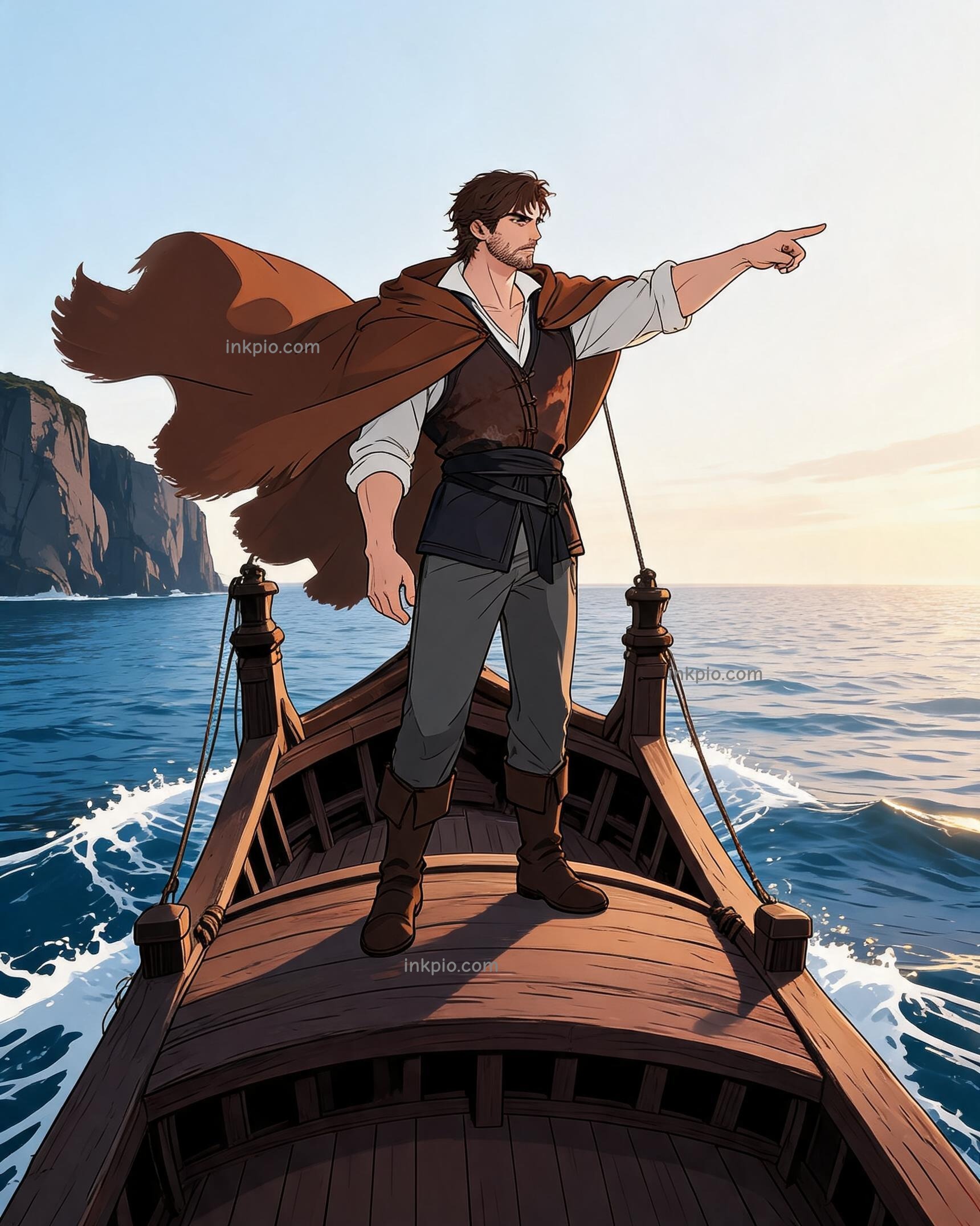

The date was October 31, 1520. At the bottom of the world, Ferdinand Magellan’s fleet limped into a winding inlet that looked less like a passage and more like a grave. The southern tip of South America offered no welcome. Jagged black cliffs loomed over the water, hiding the sky. For weeks, the crew had eaten rotting biscuits and drunk water that tasted of rusted iron. Mutiny was not a threat; it was a certainty waiting for the right spark.
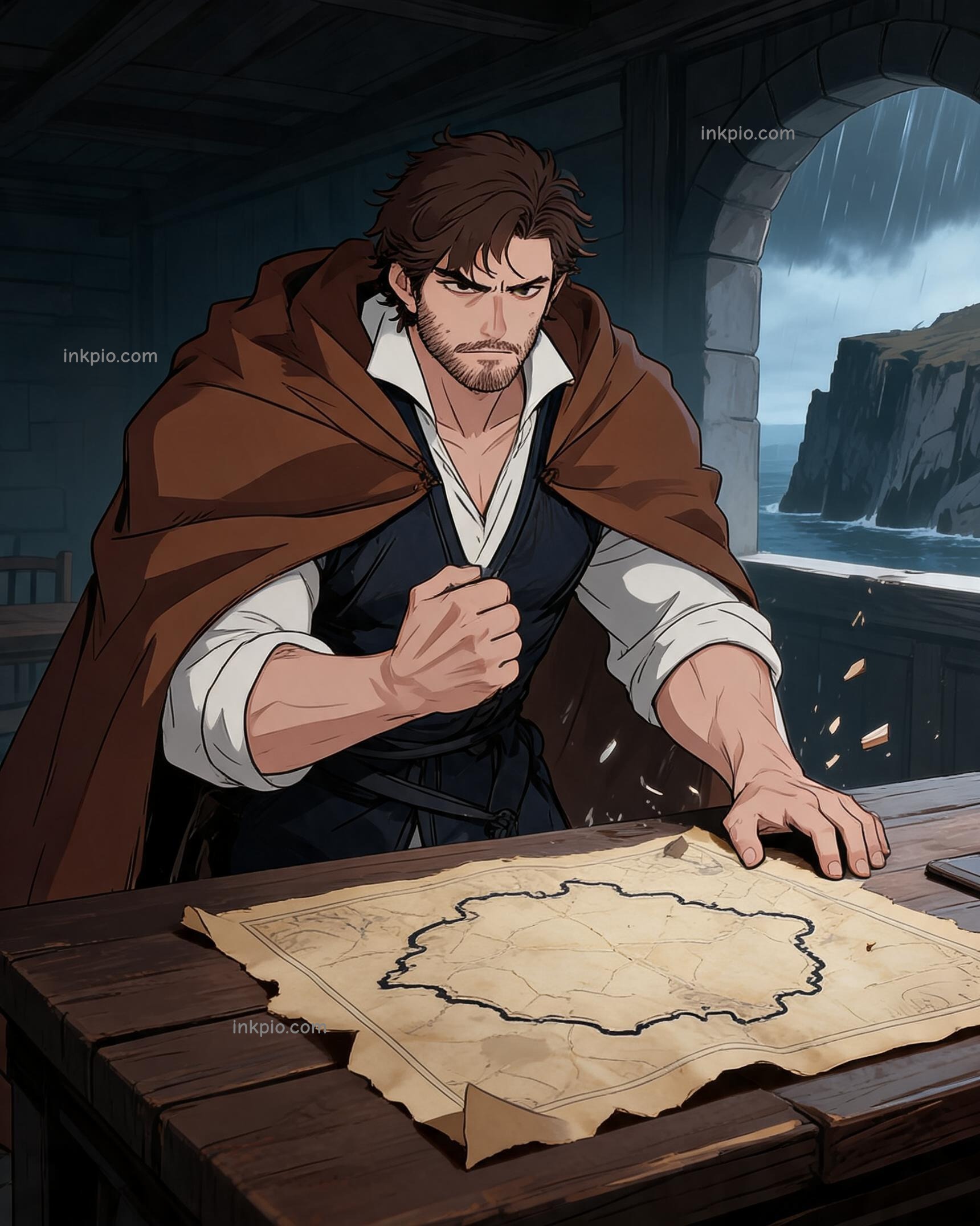
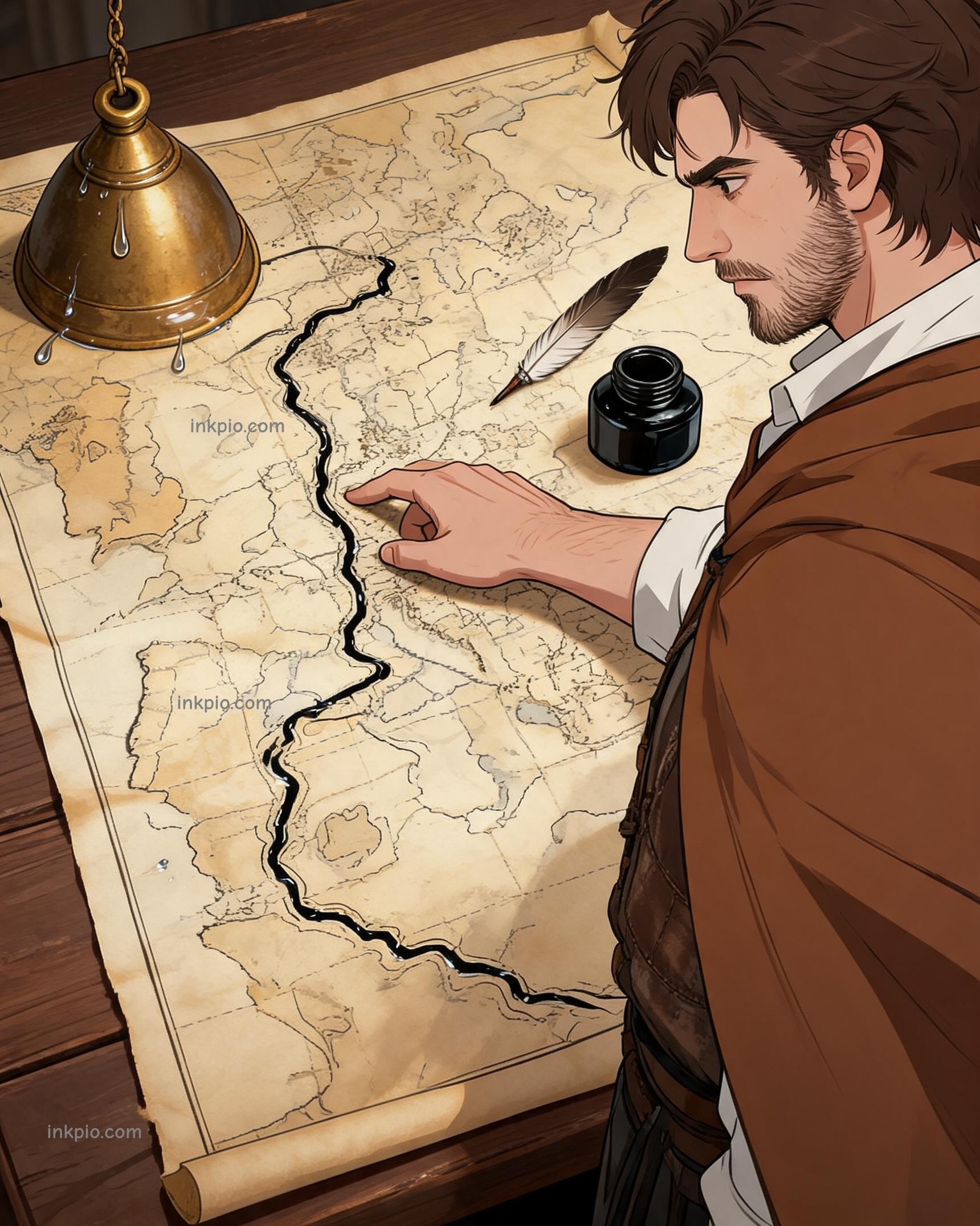
Old charts lay scattered on the captain’s table, useless sheets of parchment that promised only solid rock ahead. To follow them was to starve. To turn back was to admit defeat before kings who had already labeled him a madman. Magellan stared at the maps, then swept them aside. He walked to the rail, his boots heavy on the wet planks. The air smelled of ice and decay. He needed truth, not ink.
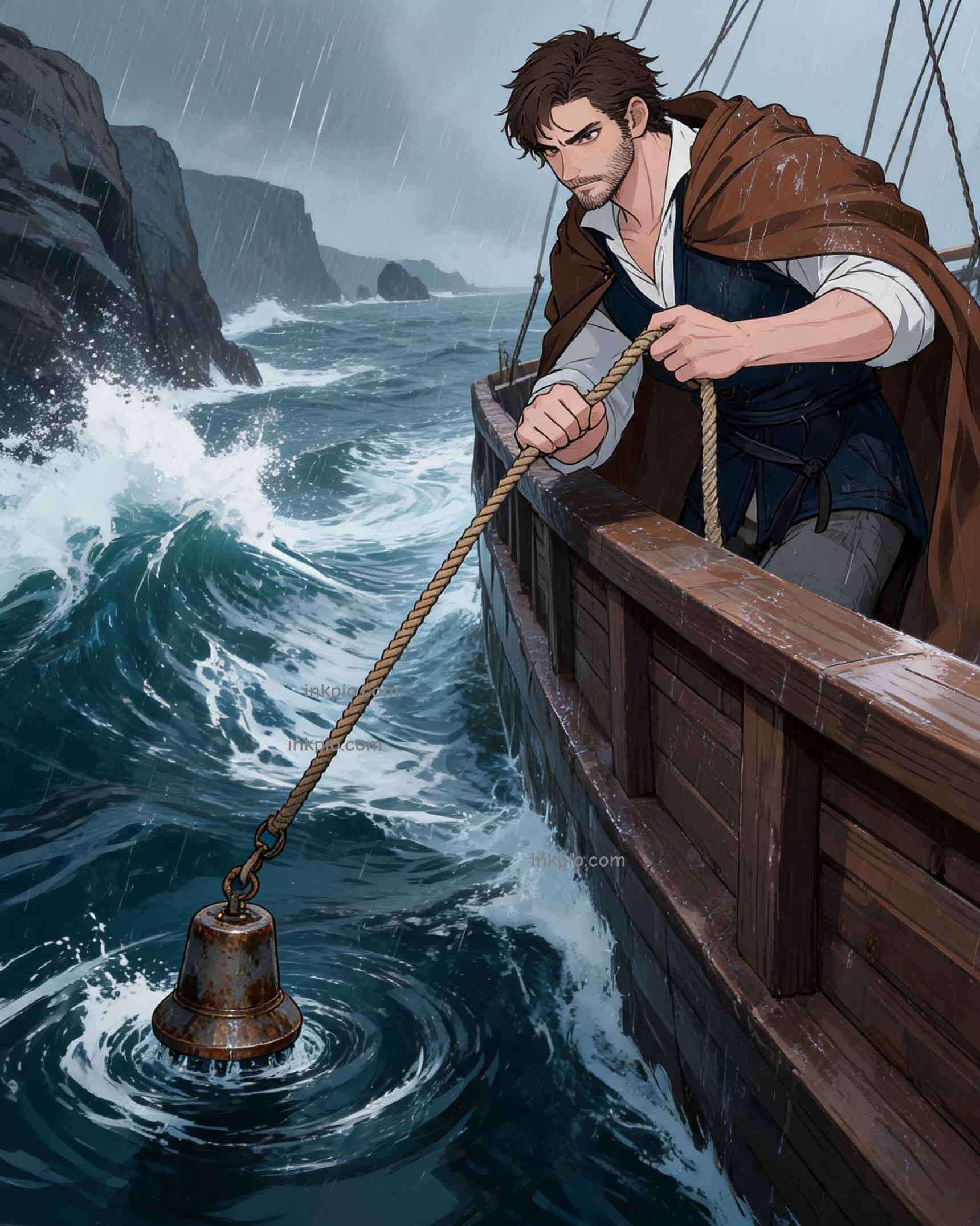
He grabbed a heavy brass weight tied to a rough hemp line. This was the sounding line, the only tool that spoke honestly in these cursed latitudes. He dropped it into the churning dark. Sailors gathered, their faces gray with fatigue. They expected the rope to slacken. In a dead-end bay, the tide exhales, pushing water back out to sea. That was the physics of a trap.
But the rope did not slacken. It snapped tight, vibrating with tension. Magellan braced his feet against the railing and held on. The current was not pushing out; it was pulling in. Hard. A dead-end bay breathes out. A continuous channel breathes in. The water was inhaling the land, dragging the weight toward a hidden interior. His hands burned from the friction, but he did not let go. The ocean was telling him the land was a lie.
This was not just navigation; it was a gamble with lives. If he was wrong, he would lead two ships into a frozen cul-de-sac while the rest watched them die. He ordered the Concepción and San Antonio forward. Their wooden hulls slipped past the flagship, vanishing around a sharp bend choked with ice. The wind screamed through the rigging, a lonely, hollow sound. The remaining ships anchored in silence. Every creak of the timber sounded like a bone breaking.
Hours bled into days. The fog thickened, swallowing the scouts whole. Men whispered prayers below deck, eyes fixed on the white void. Magellan stood alone at the bow, watching the mist. He thought of the men he had lost, the promises he had broken. The weight of command was heavier than the brass line. If those ships did not return, the mutiny would begin before sunset. He gripped the rail until his knuckles turned white.
Then, a single cannon shot cracked through the fog. It was not a signal of distress, but of discovery. A moment later, a flag rose from the mist. The passage ran clear. The scouts had found a way through the ice, a continuous westward channel leading to a vast, unknown sea. The tension on the deck broke, replaced by a stunned, trembling relief. Tears mixed with salt spray on weathered cheeks.
The fleet weighed anchor. They pushed through the narrow, winding strait, leaving the jagged walls behind. As they emerged, the biting wind softened. The chaotic chop of the Atlantic gave way to a strange, eerie calm. Magellan stood at the bow, letting the new air fill his cloak. He looked out at the endless gray horizon. The charts had lied, but the tide had told the truth. He had followed the breath of the ocean into the quiet Pacific, leaving the noise of the world behind.