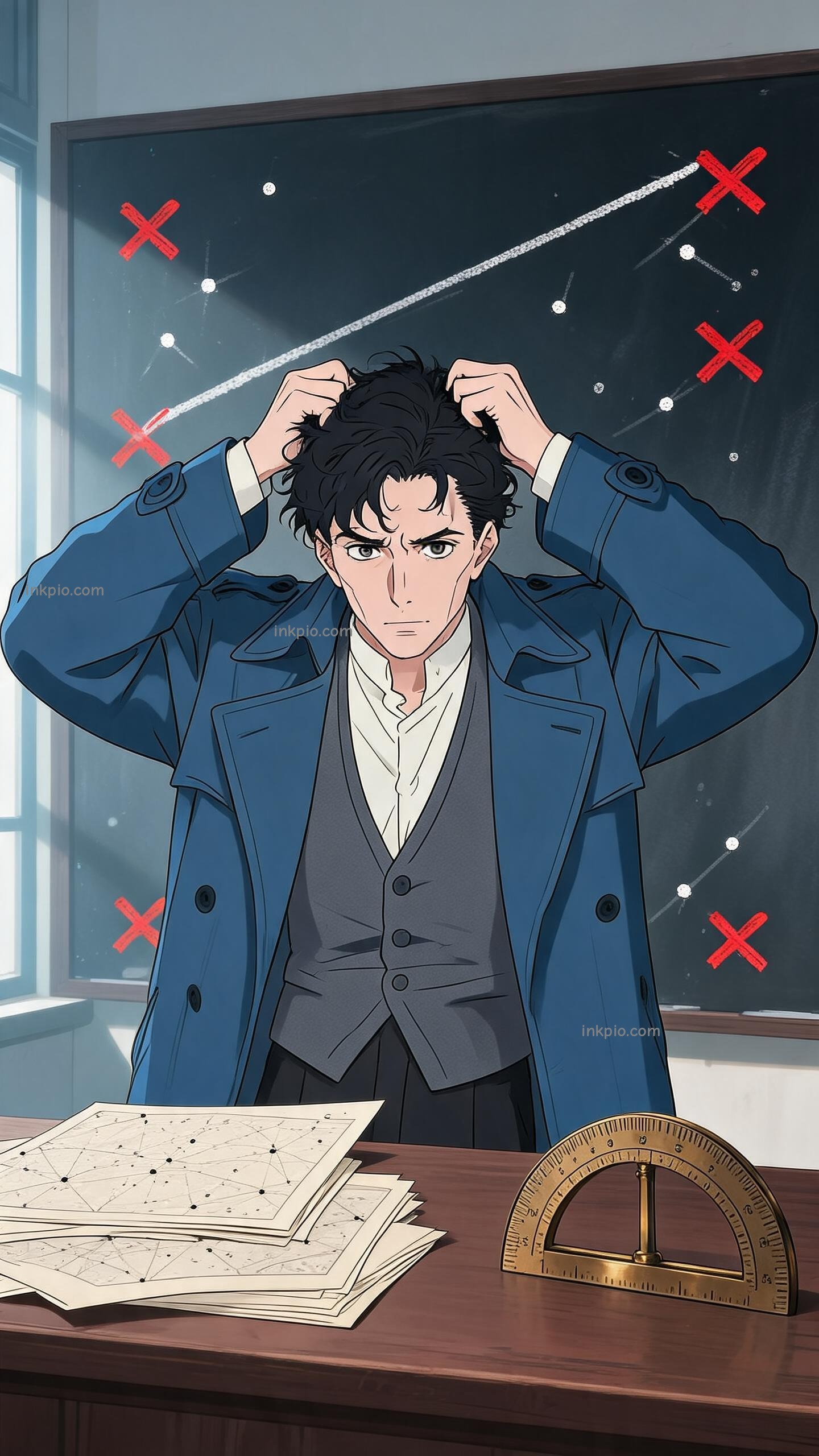
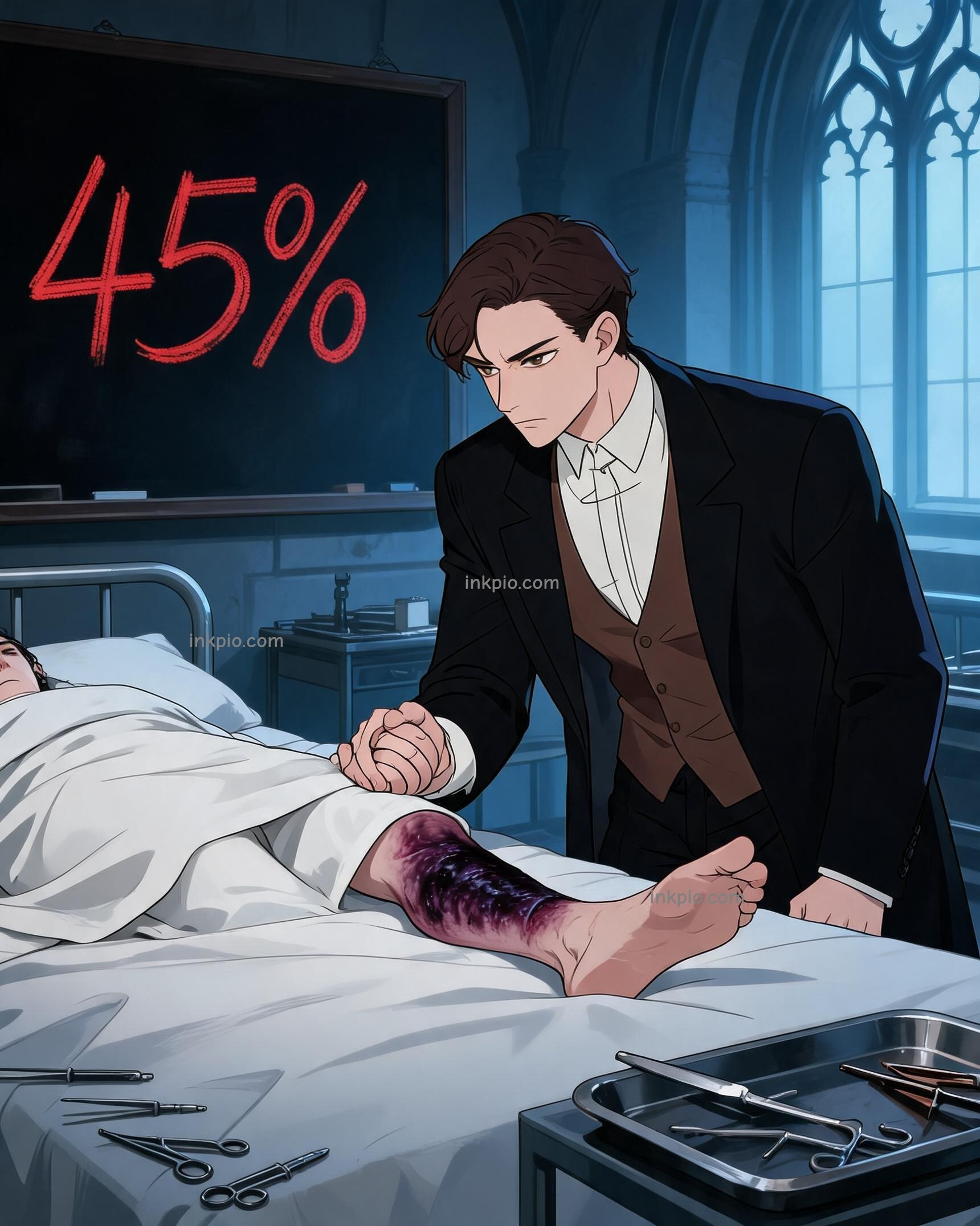
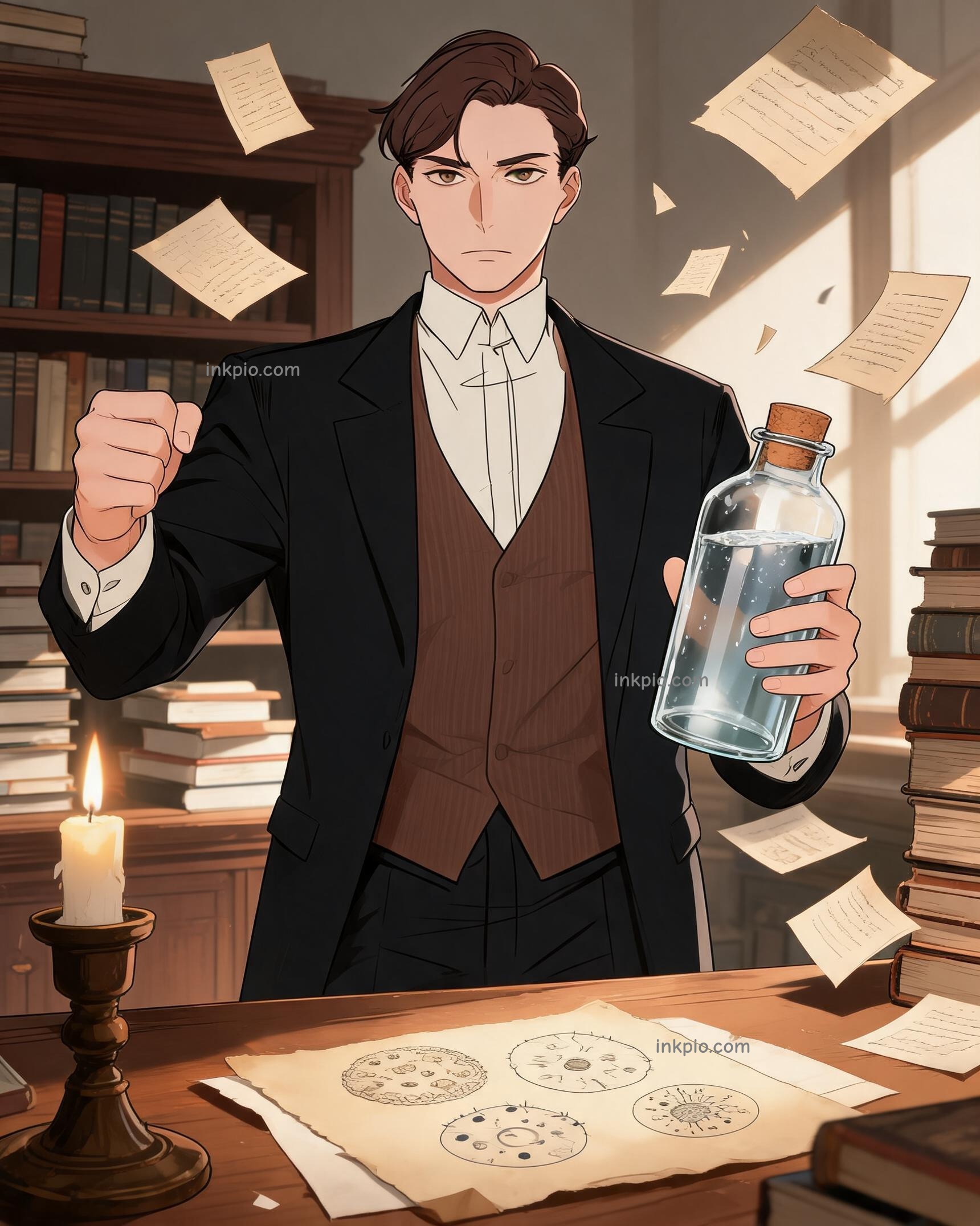

The operating theater didn't just smell of decay; it smelled of inevitability. On the chalkboard by the door, a grim tally grew with every sunset. Surgeons in long, stiff aprons blamed the foul odor on 'miasma'—poisoned winds that drifted through the ward. They were wrong, but their confidence was absolute. The morgue filled regardless of their explanations. Joseph Lister stood apart from them, not because he was arrogant, but because he was haunted. He had read Louis Pasteur’s notes on invisible life forms, and the words burned in his mind. If tiny creatures caused wine to sour, could they not also cause flesh to rot? The idea was terrifying. It meant the enemy wasn't in the air they breathed, but on the very tools they held with pride.
Killing these unseen hitchhikers required a chemical brutal enough to destroy life without destroying the patient. Lister’s eyes fell on carbolic acid. It was a harsh, pungent liquid used to treat sewage in open drains, chosen for its ability to kill the stench of waste. To his colleagues, using sewer cleaner on human flesh was madness. To Lister, it was a desperate gamble against an invisible army. He imagined the acid as a barrier, like spraying water on dry weeds before a fire could spread. He soaked fresh gauze in the solution, the liquid biting at his own skin. He wiped down steel instruments until they gleamed, then misted the air above the patient. The contaminated wound brought the germs in, but the acid wash acted as a shield. For the first time, clean tissue had a chance to knit together.
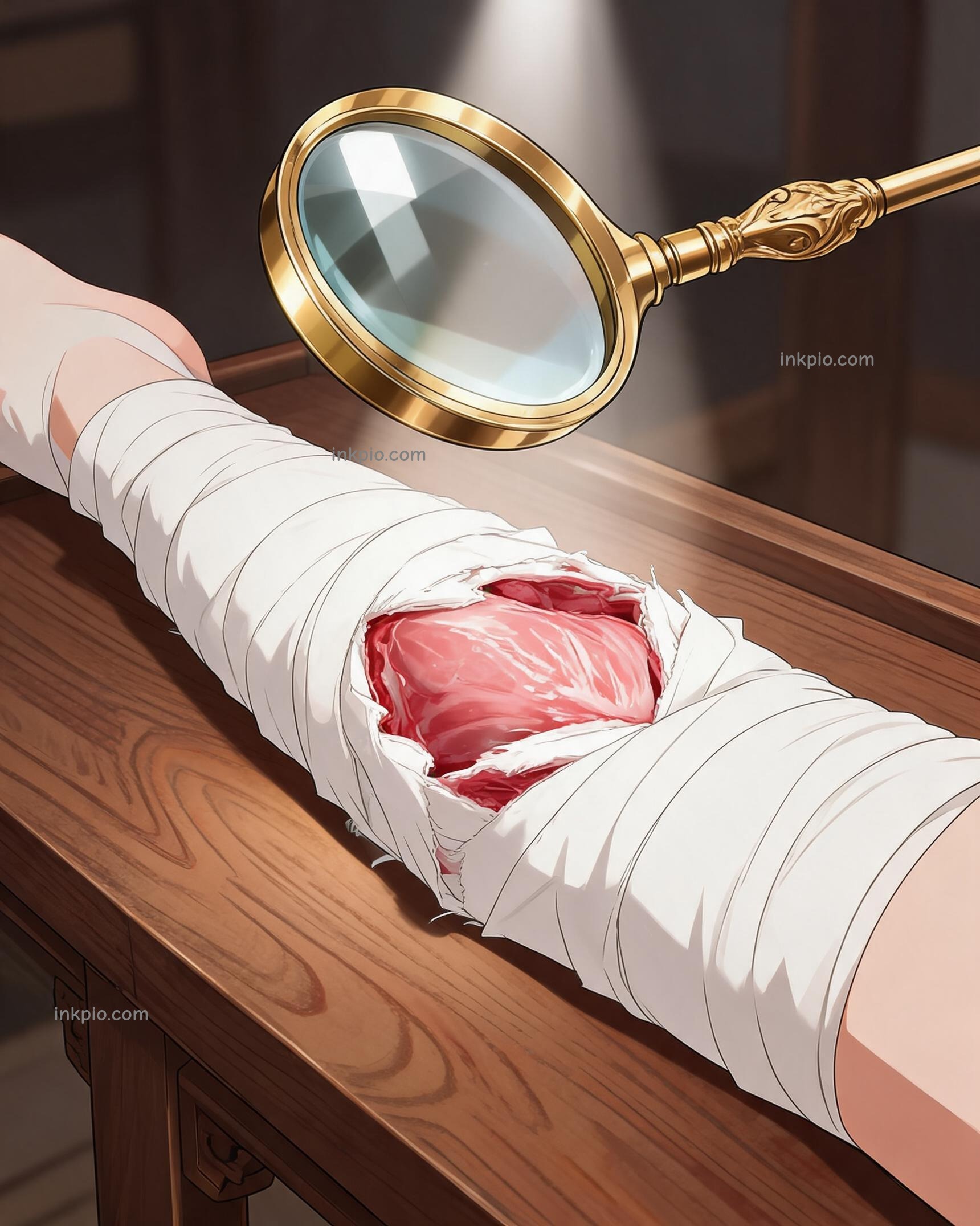
In August 1865, the gamble faced its true test. James Greenlees, an eleven-year-old boy, lay on the table with a compound tibia fracture. The bone had pierced the skin. In any other ward, this injury was a death sentence. Gangrene would set in within days, turning the leg black and sending poison through the blood. Lister wrapped the injury in the carbolic-soaked cloth. His hands were steady, but his heart hammered against his ribs. He waited. Days stretched into a week. The ward watched with skeptical eyes, waiting for the familiar smell of rot. Instead, the wound stayed pink. The boy’s fever broke. Lister looked at the healing flesh and felt a weight lift from his chest. He wrote plainly in his notes: 'The living germs of the putrefactive process are destroyed by the carbolic acid.' James kept his leg. He kept his life.
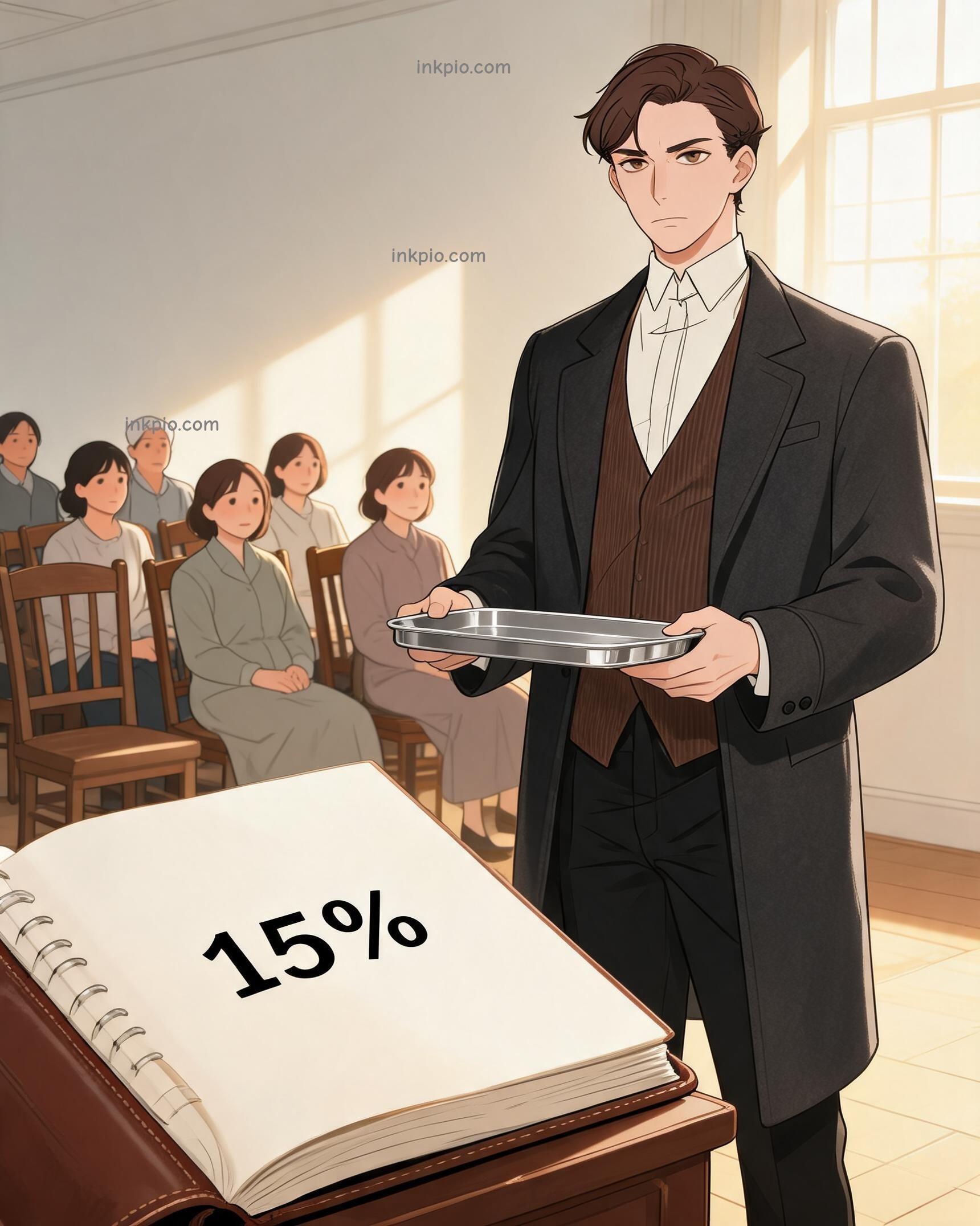
Other doctors scoffed. They called it a lucky break, a statistical anomaly. They refused to believe that invisible monsters were real, or that a sewer chemical could defeat them. Lister did not argue. He returned to his ward, bottle in hand, and kept working. He tracked every case, every death, every survival. The numbers began to speak louder than their skepticism. By 1869, the mortality rate at Glasgow Royal Infirmary had plummeted from approximately 45% to 15%. The operating table was no longer a roulette wheel where patients prayed for luck. It became a place of science. Surgeons stopped trusting their intuition and started trusting chemistry. The change was slow, painful, and met with resistance, but the dead bodies stopped piling up.
Lister set down the heavy glass bottle. The sharp, acrid scent of carbolic acid lingered in the air, clinging to his clothes and hair. It was a smell that once signaled waste and death. Now, it signaled something else. He listened to the quiet breathing of the recovering ward. There were no screams, no frantic bells, no rush to the morgue. Just the steady rhythm of life continuing. The chemical shield had held. He looked at his hands, stained and rough, and realized they were no longer instruments of chance. They were tools of preservation. The invisible killer had been stopped, not by magic, but by a simple, harsh truth.