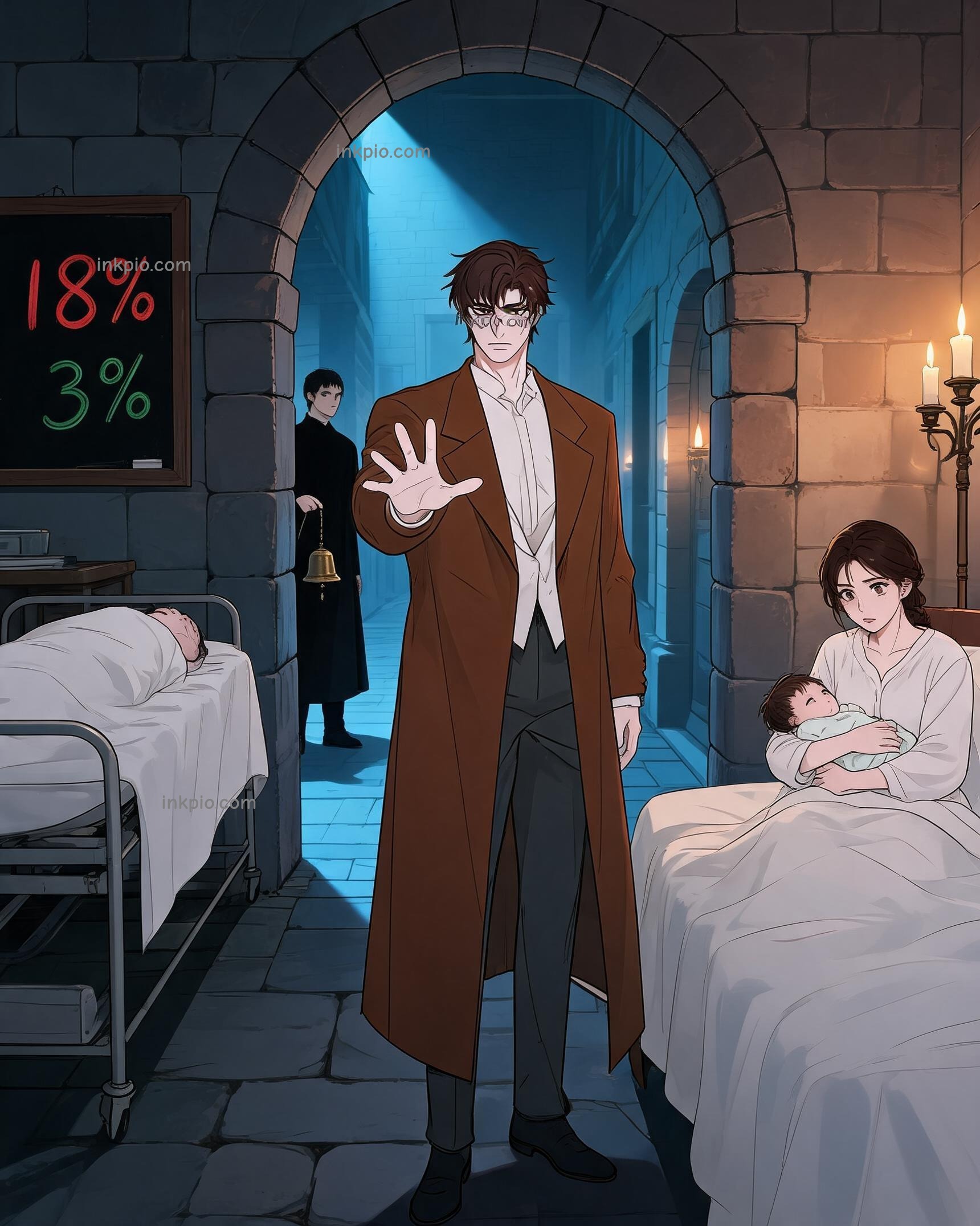
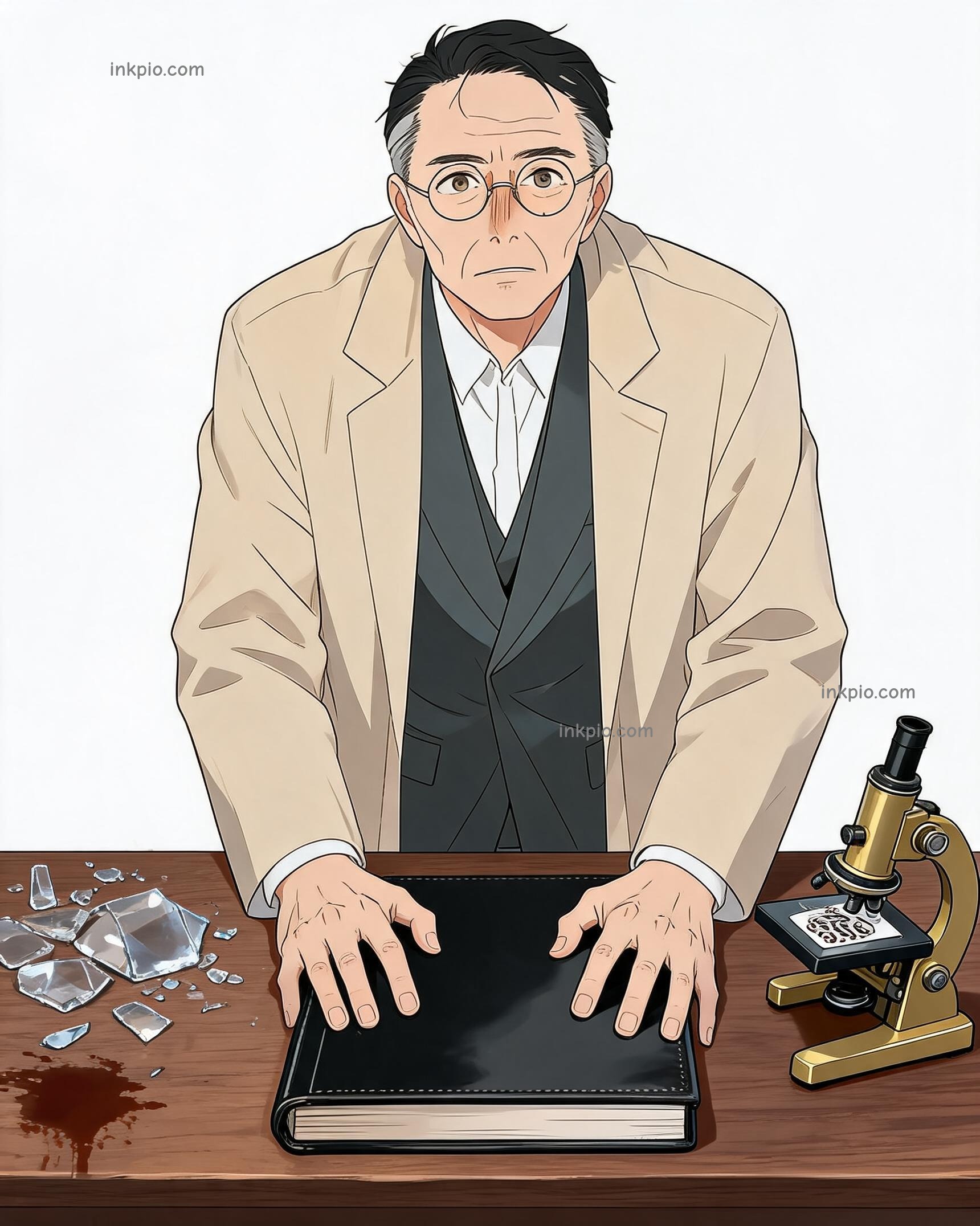
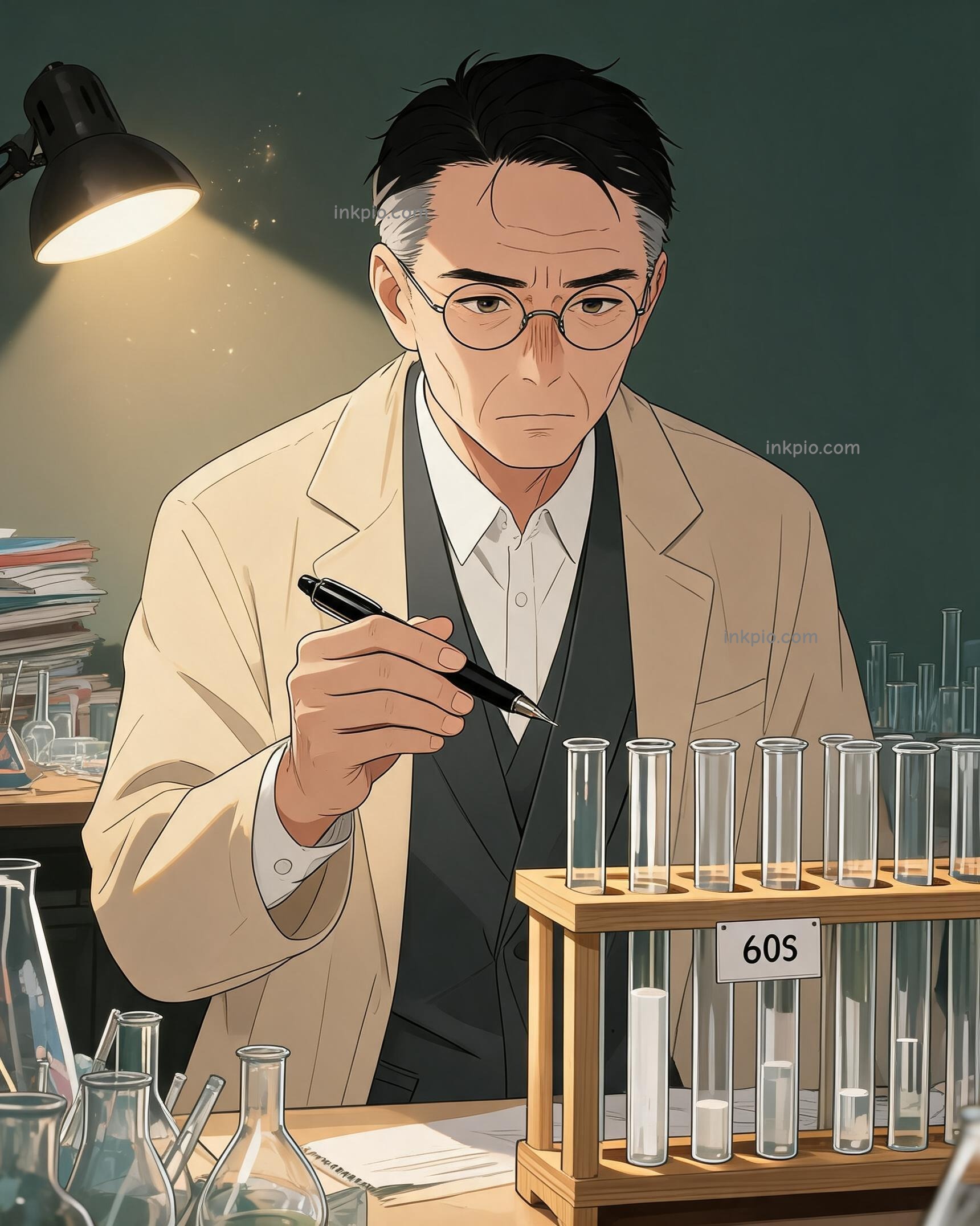

The air in the lab tasted of sulfur and old regrets. Paul Ehrlich stared at the ledger, his knuckles white against the dark wood cover. Another failure. The numbers mocked him. Outside, syphilis was rotting Europe from the inside out, turning lovers into strangers and fathers into ghosts. Inside, his only weapons were blunt arsenic poisons that killed the patient as surely as they killed the disease. He refused to accept this brutal trade-off. To him, medicine was not a gamble; it was a lock waiting for the right key.
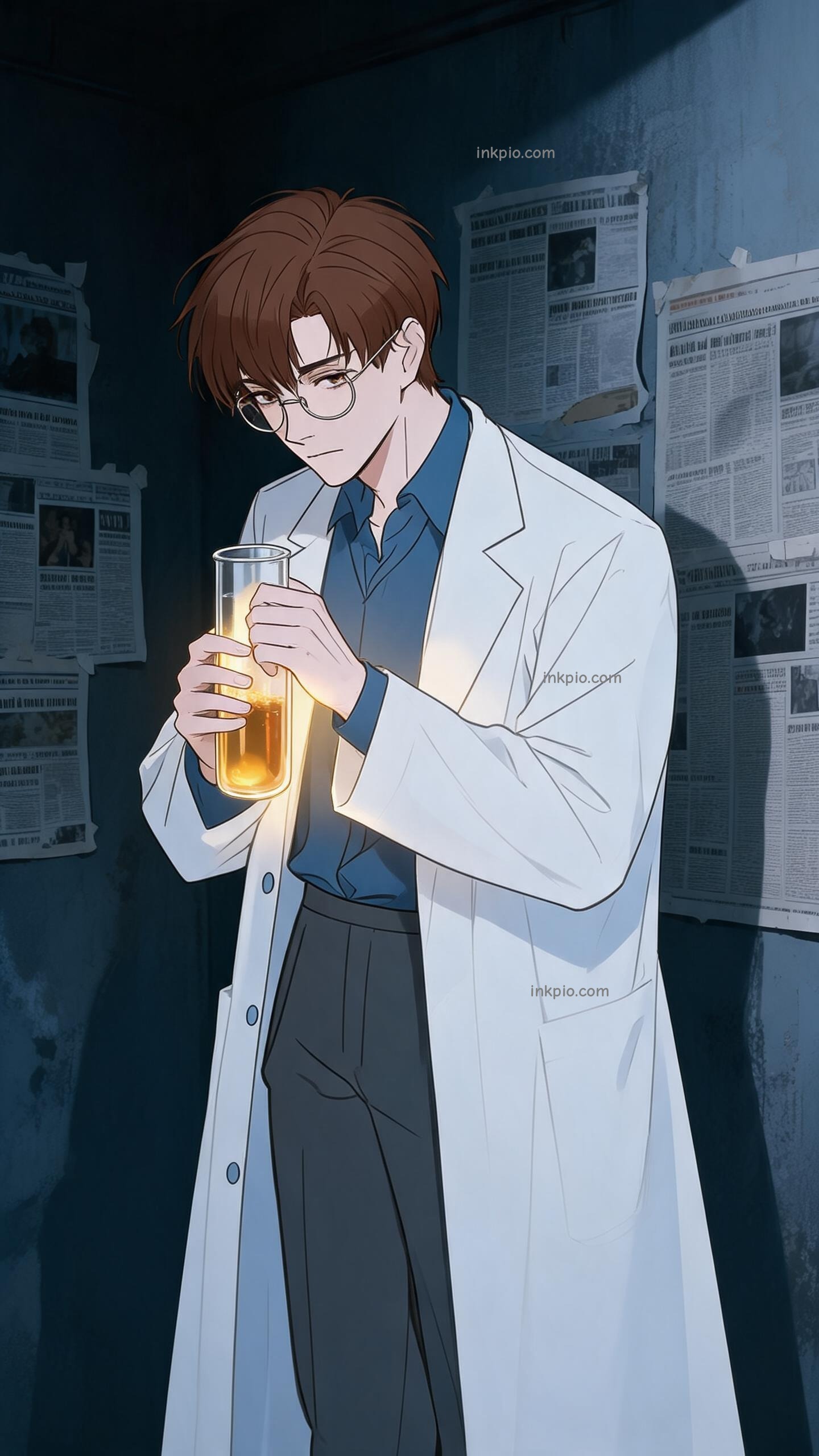
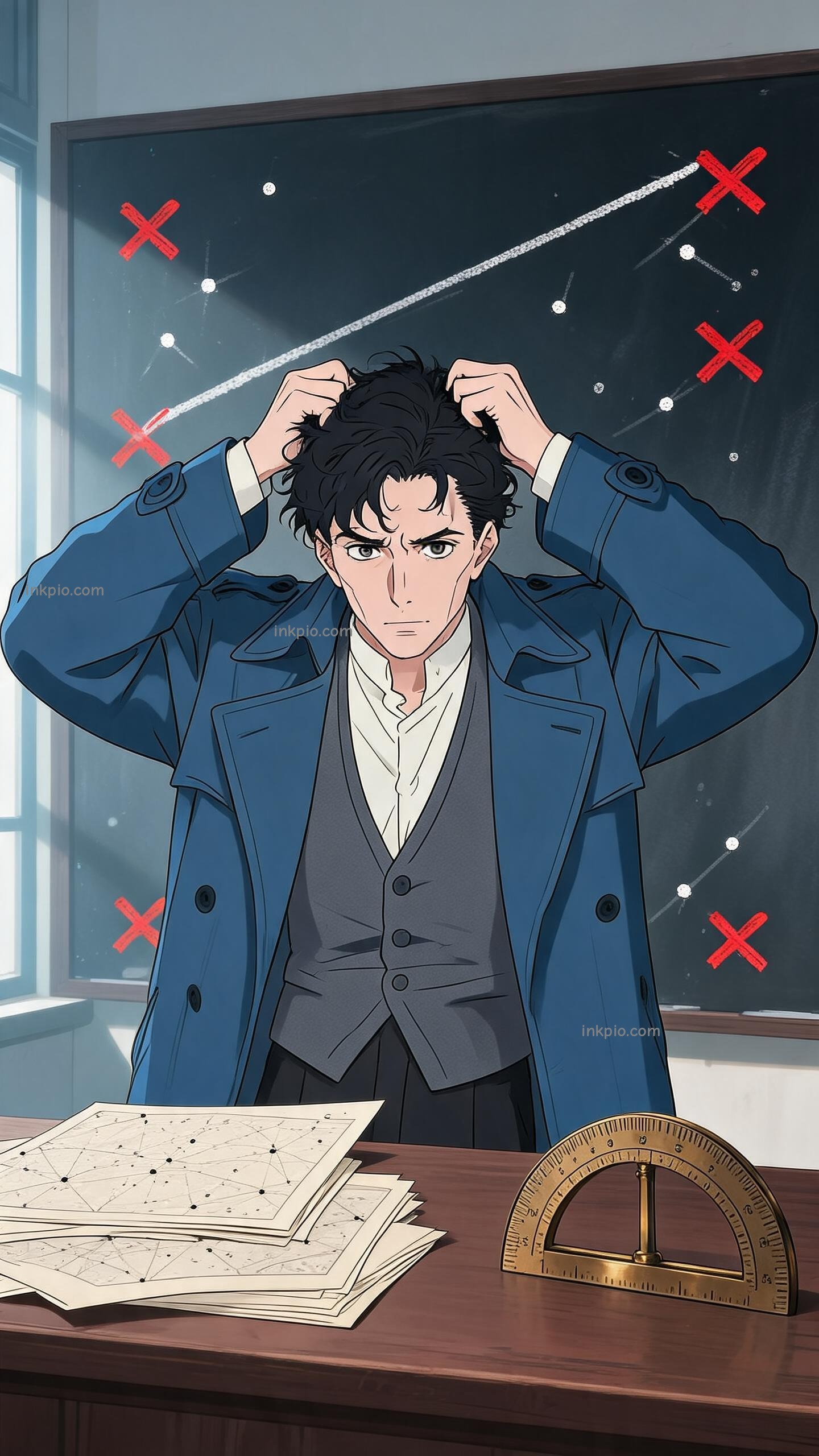
He treated chemistry like a desperate act of precision. Starting with a toxic arsenic backbone, he swapped out single chemical side-chains, one by one. Each tweak received a strict number. The output was a row of glass tubes, each holding a slightly different molecular shape, all waiting for a fit that might never come. The counter climbed past five hundred. Shattered glass and dried, yellow stains covered every bench. The lab felt less like a place of discovery and more like a graveyard of good intentions.
Sahachiro Hata arrived to share the burden. The two men developed a silent rhythm, bound by exhaustion and a shared fear of being too late. They injected fresh batches into infected rabbits, then waited through the long, agonizing incubation periods. Most nights ended in silence. They would peer into the microscope, hoping to see life, but mostly seeing only more death. The spirochetes thrived while the healthy cells withered under the toxicity. Hata never complained, but Ehrlich saw the fatigue etching lines into his assistant’s face. They were running out of time, and they were running out of hope.
You do not stop turning the dial just because the first few hundred clicks miss the groove. But the weight of those failures pressed down on Ehrlich’s shoulders. He wondered if he was chasing a phantom. Was selective toxicity even possible? Or was he just a man trying to bargain with poison? The doubt was a cold companion, sitting with him in the dim light of the lab. Yet, he kept synthesizing. Compound 605 failed. Then 606.
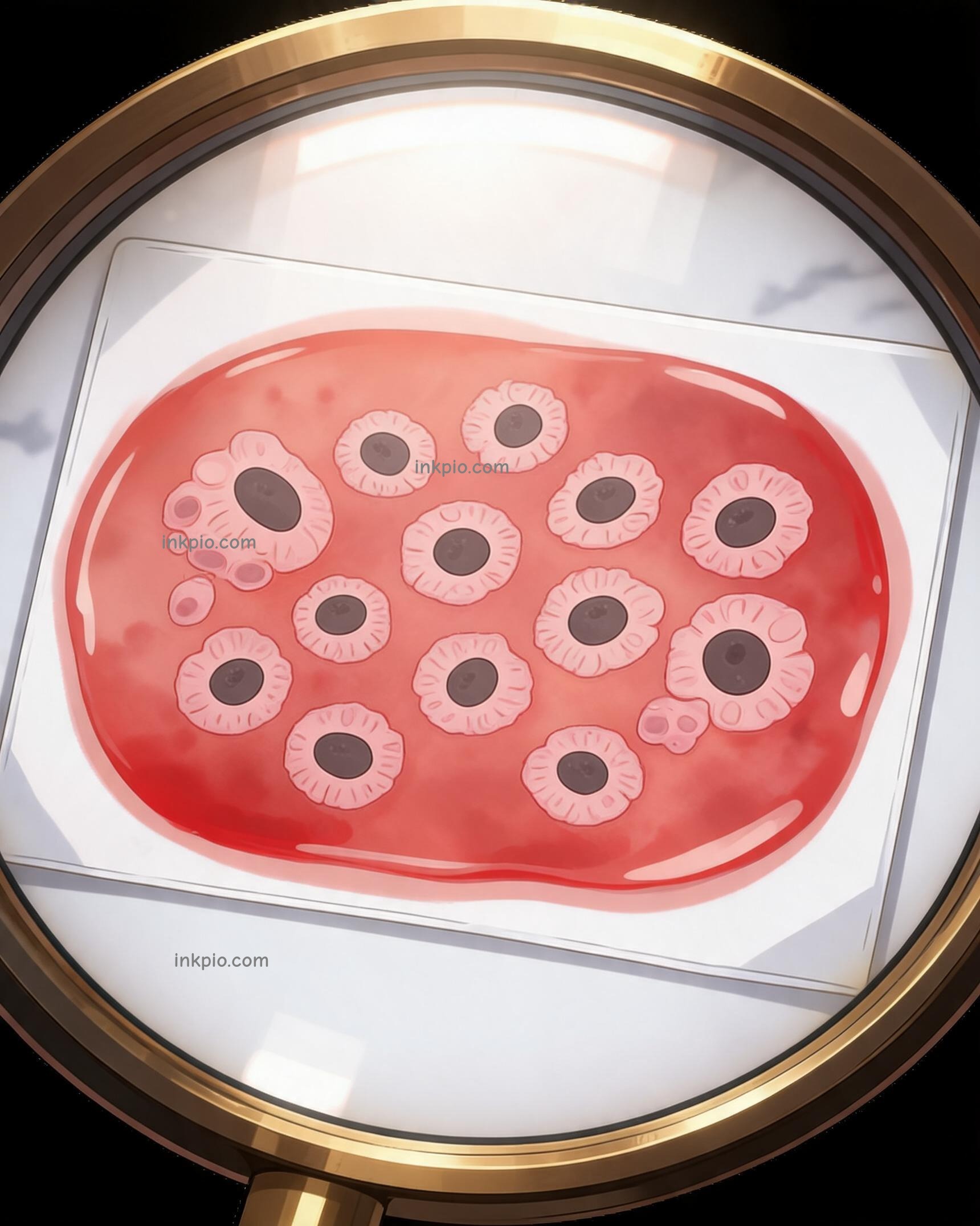
Vial 606 held a dull, reddish liquid. It looked unremarkable, almost muddy. But when they applied it to the infected tissue under the lens, the world shifted. Ehrlich adjusted the focus knob, his breath caught in his throat. On the slide, the twisted spirochetes did not just die; they dissolved into nothingness. More importantly, the surrounding healthy cells remained pale, firm, and completely untouched. The poison had learned to discriminate. It knew where to strike.
Hata leaned in, squinting through the eyepiece. He pulled back slowly, his eyes wide. No words were needed. The silence in the room changed texture. It was no longer heavy with dread, but vibrating with a quiet, terrifying awe. Ehrlich pulled away from the microscope, his hands trembling slightly. He had engineered a toxin that respected life. For the first time, he felt the mechanism align—not just in the molecules, but in his own chest.
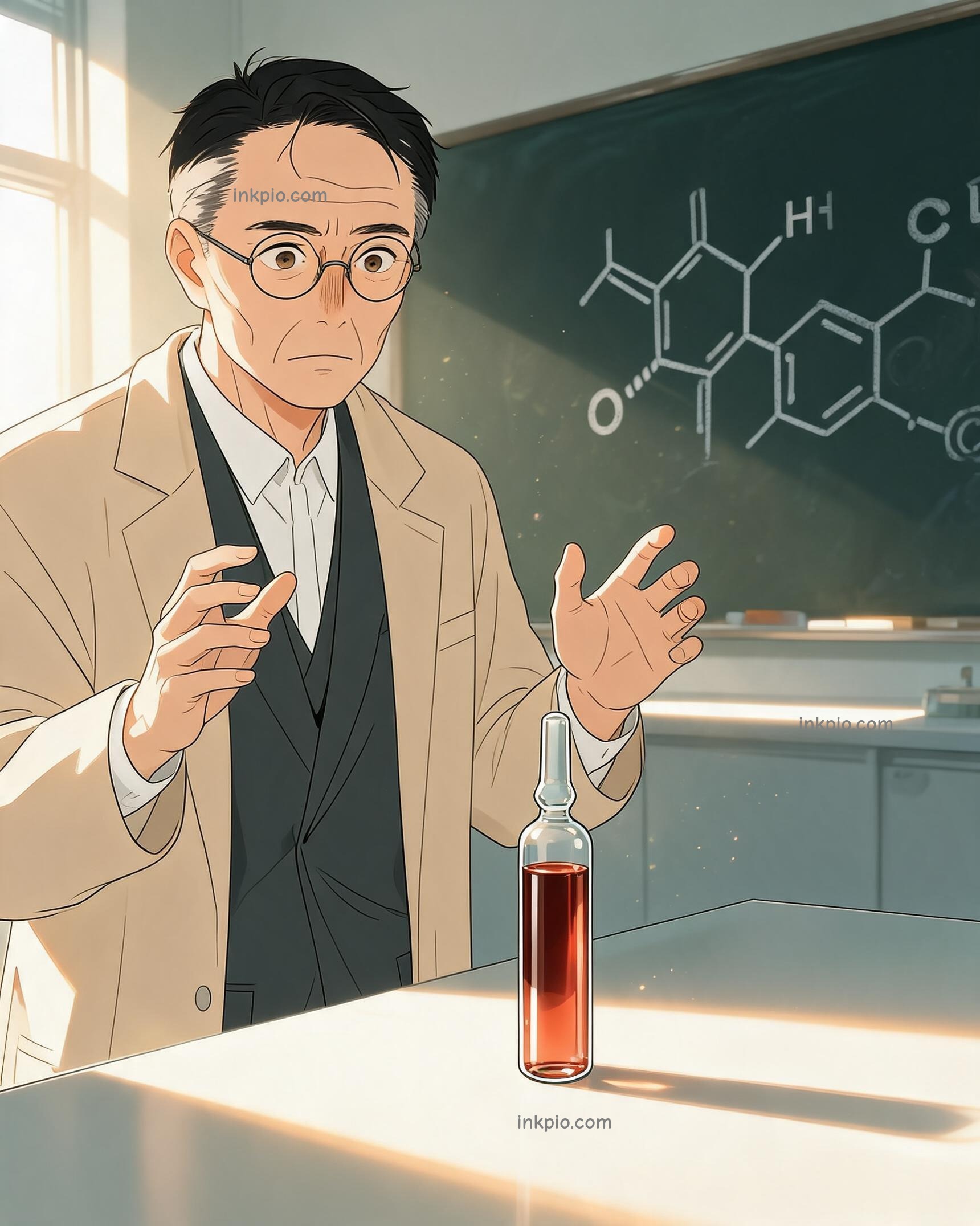
They published their findings in 1909. Salvarsan became the first targeted chemotherapeutic agent, hunting parasites while leaving the host safe. The 1908 Nobel medal lay in his drawer, a cold piece of metal that meant little compared to this moment. Ehrlich set down the glass ampoule. He took off his spectacles and wiped a smudge from the lens, his movements slow and deliberate. Outside, the morning light began to filter through the dirty windows, illuminating dust motes dancing in the air. He watched the microscope slide settle, knowing that somewhere, a person would live because of this red liquid. He did not smile. He just breathed, listening to the quiet hum of a world that had suddenly become a little less cruel.