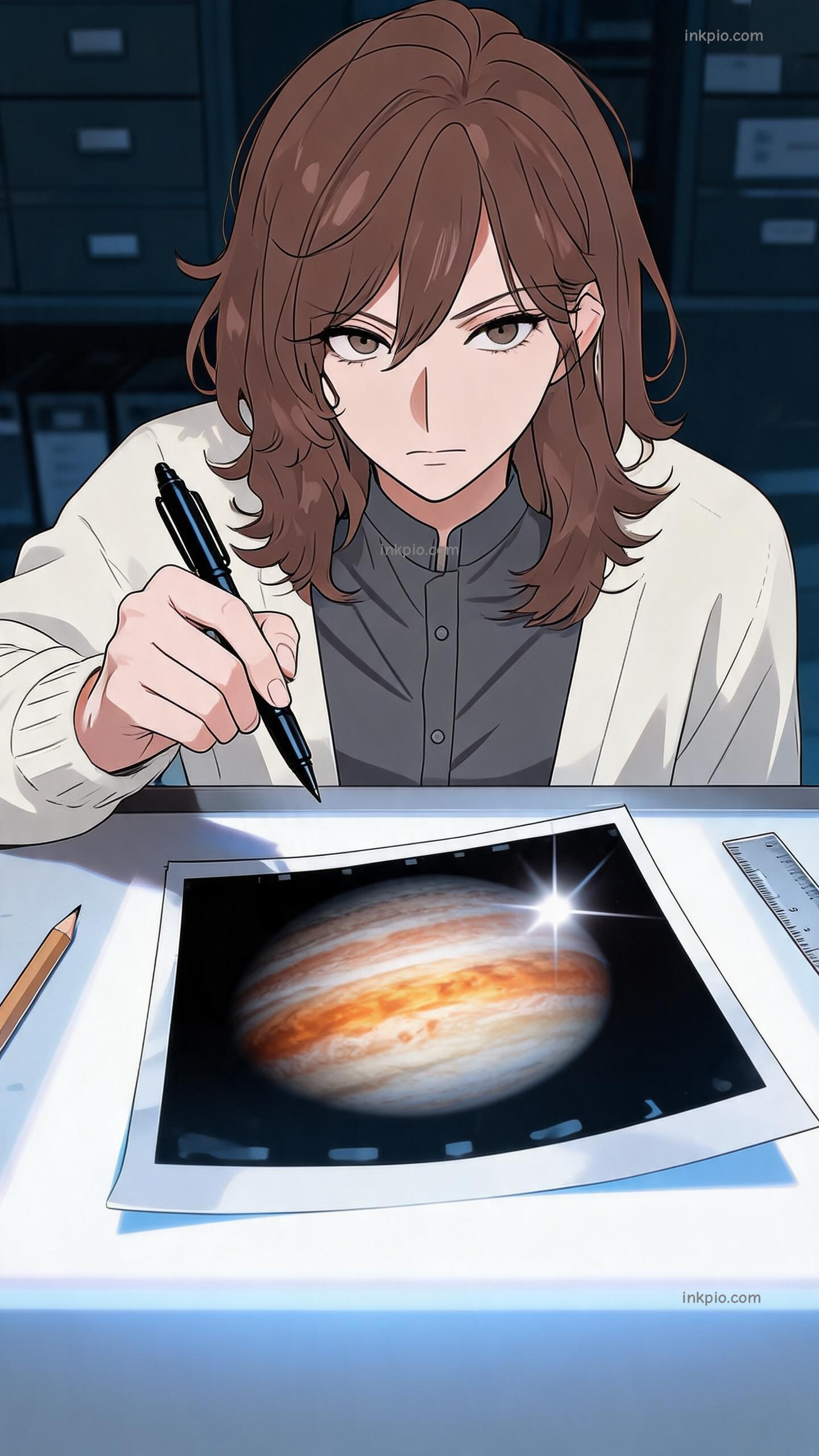
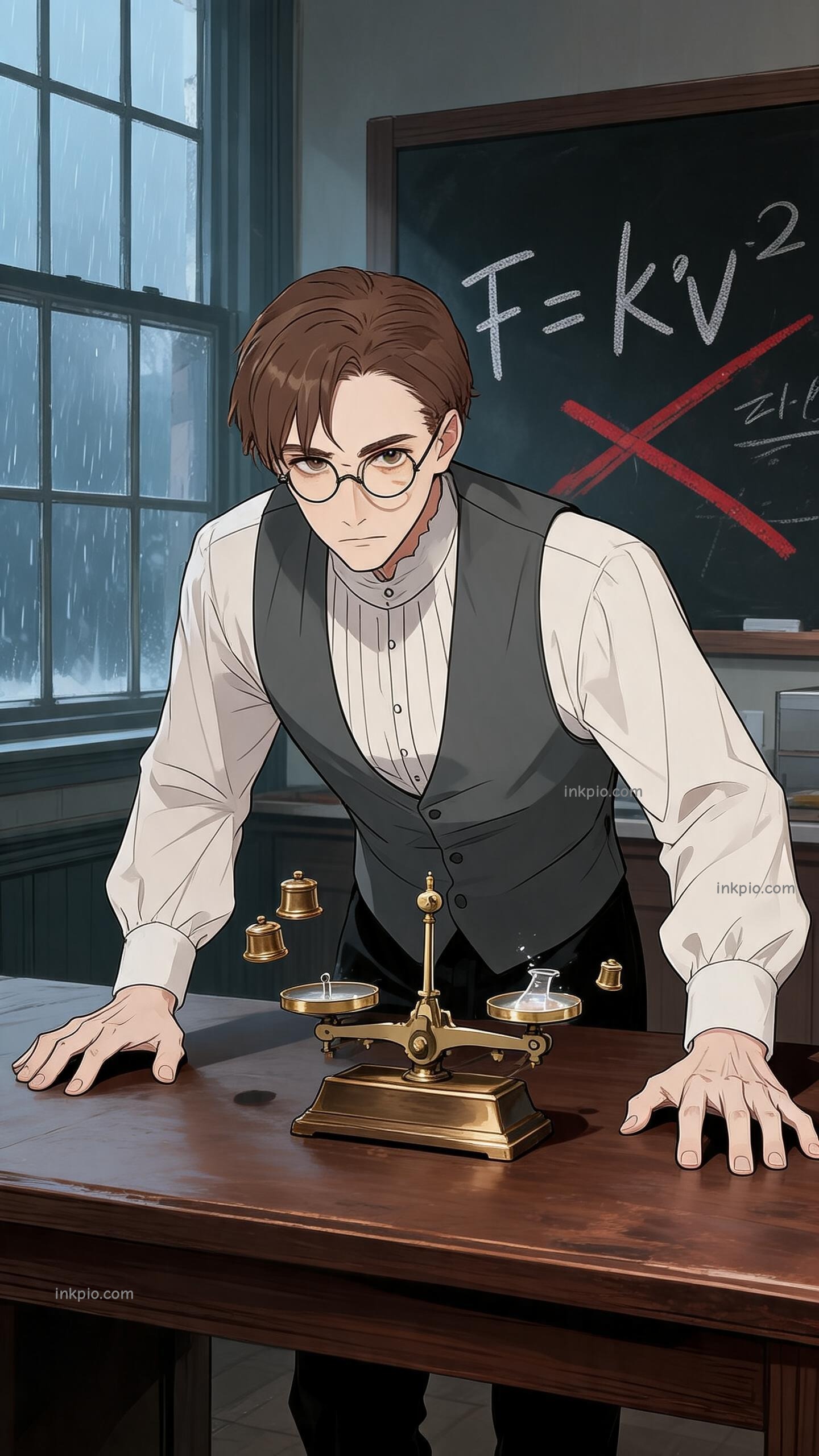
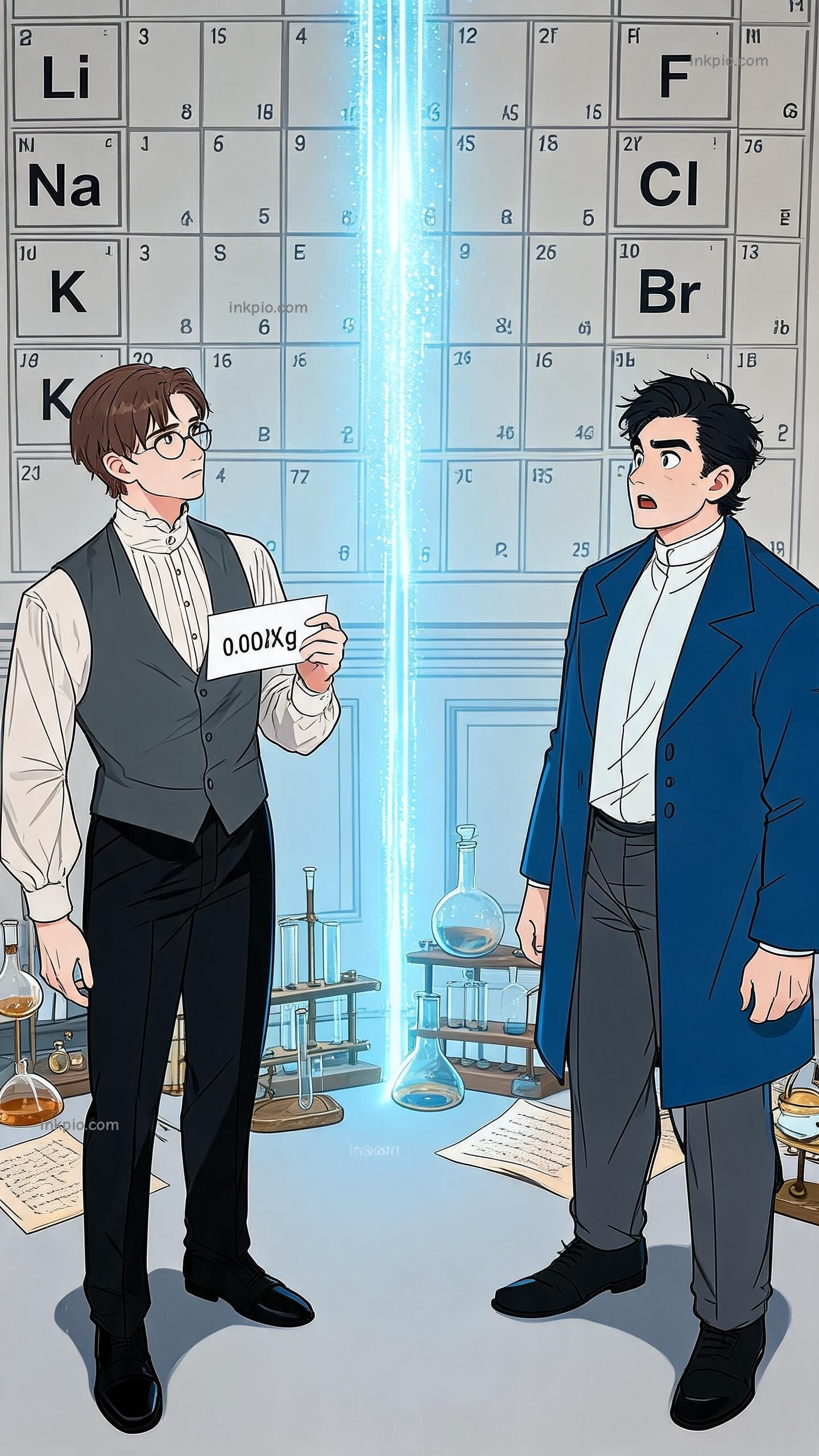

The brass scales sat in the center of the dim laboratory, a silent judge over Lord Rayleigh’s sanity. He rubbed his tired eyes, staring at the needle that refused to settle. It wasn't just a measurement; it was an accusation. Every time he weighed nitrogen pulled from the air against nitrogen synthesized from chemicals, the air sample tipped the scale. It was heavier. By a fraction so small it should have been dismissed as noise, yet for Rayleigh, it was a scream.
He cleaned the glassware until his fingers bled from the friction. He recalibrated the weights, convinced his own hands were trembling too much to trust them. But the result remained stubborn. The air nitrogen always won. This tiny discrepancy gnawed at him, turning his professional pride into a private obsession. He couldn't sleep, haunted by the idea that the fundamental laws of physics might be cracking under the weight of a few invisible grams. He needed help, not because he lacked skill, but because he feared he was losing his mind to an error that didn't exist.
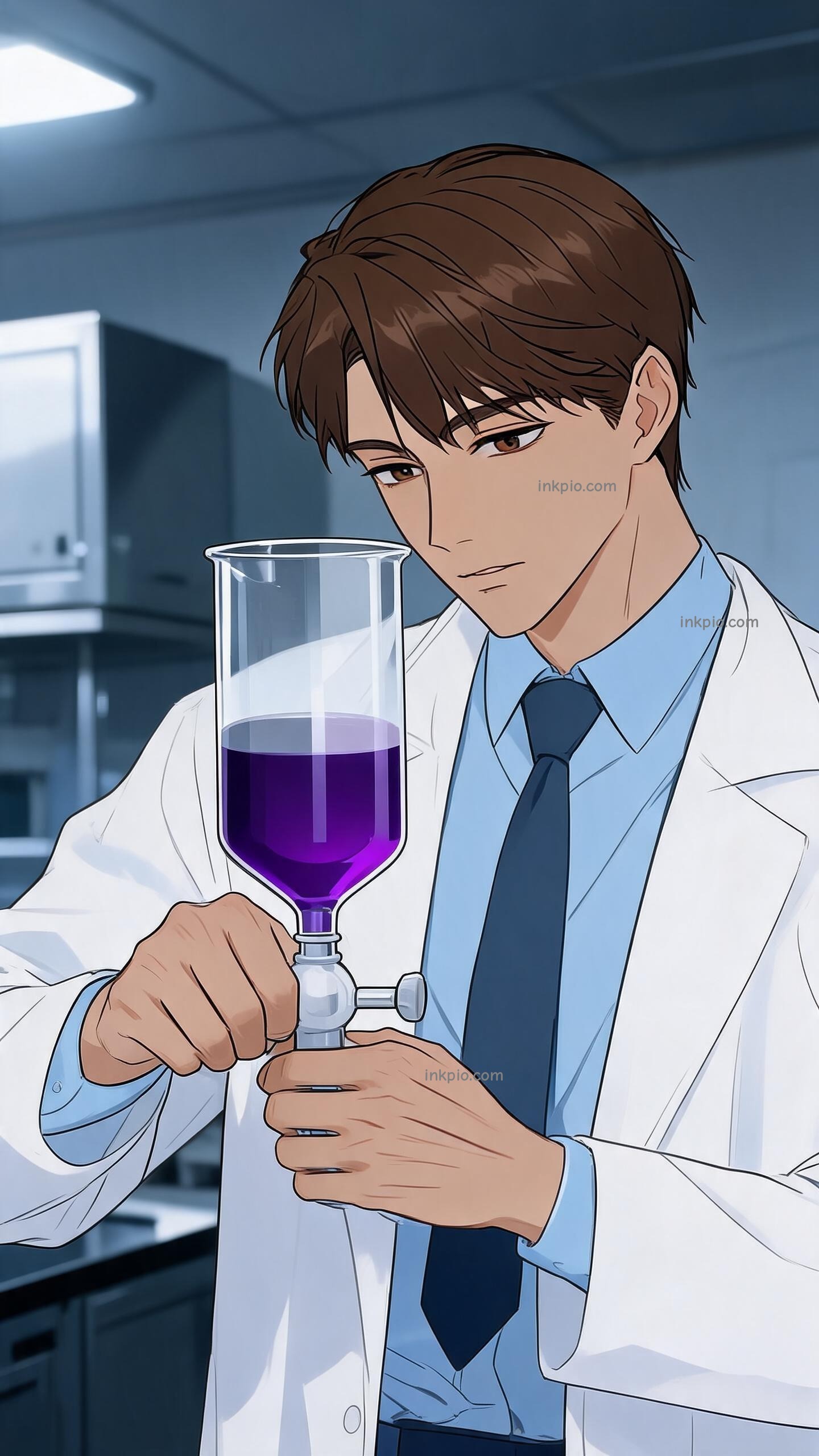
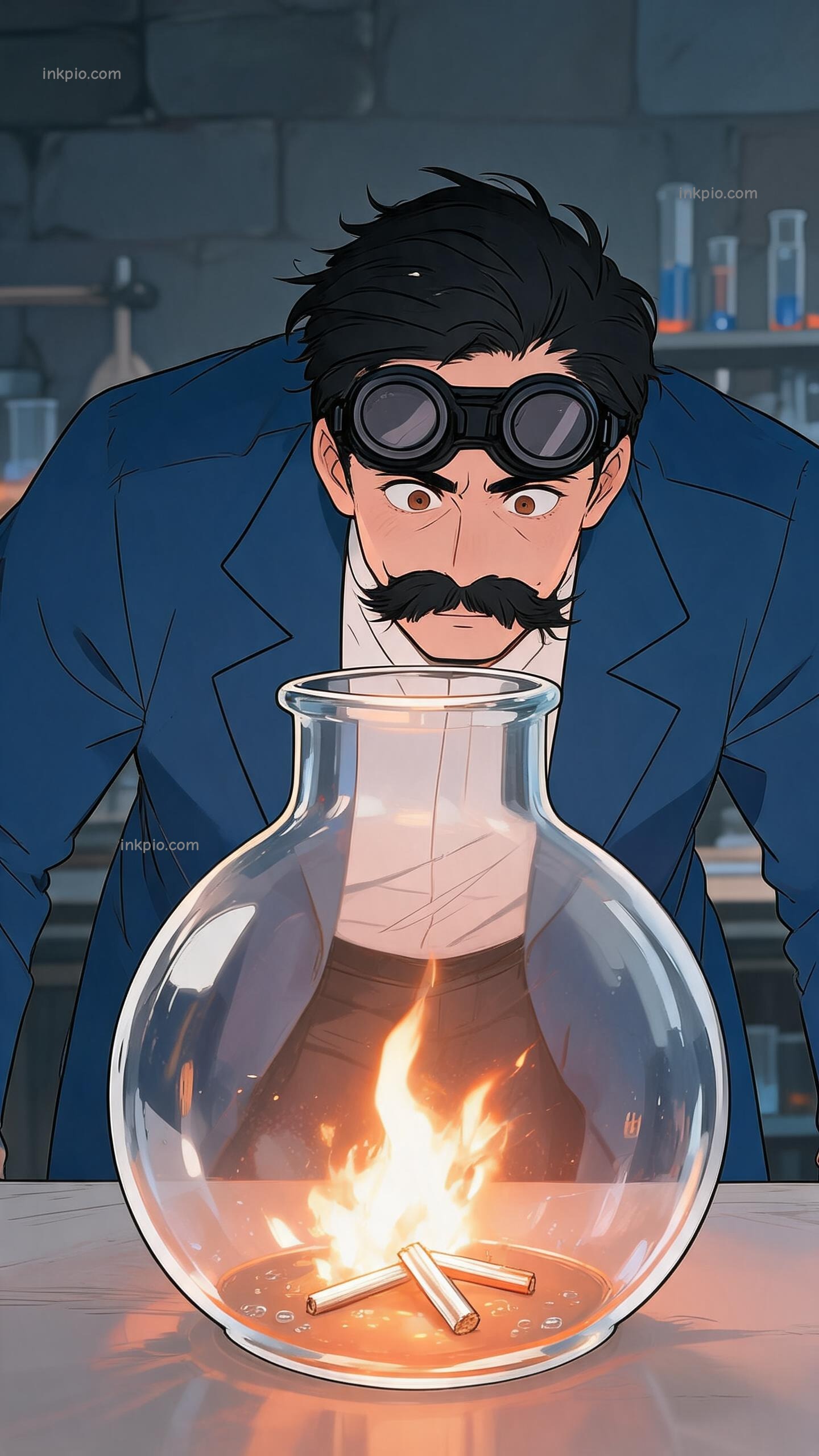
William Ramsay arrived with the calm demeanor of a man who trusted chemistry more than intuition. He listened to Rayleigh’s frantic explanation without judgment. Ramsay proposed a brutal test: strip the nitrogen away entirely. He heated a strip of magnesium until it glowed white-hot, a blinding eye in the dark flask. As the air-nitrogen flowed in, the magnesium acted like a starving beast, devouring every reactive molecule it could find. The reaction was violent, consuming the known world of gases.
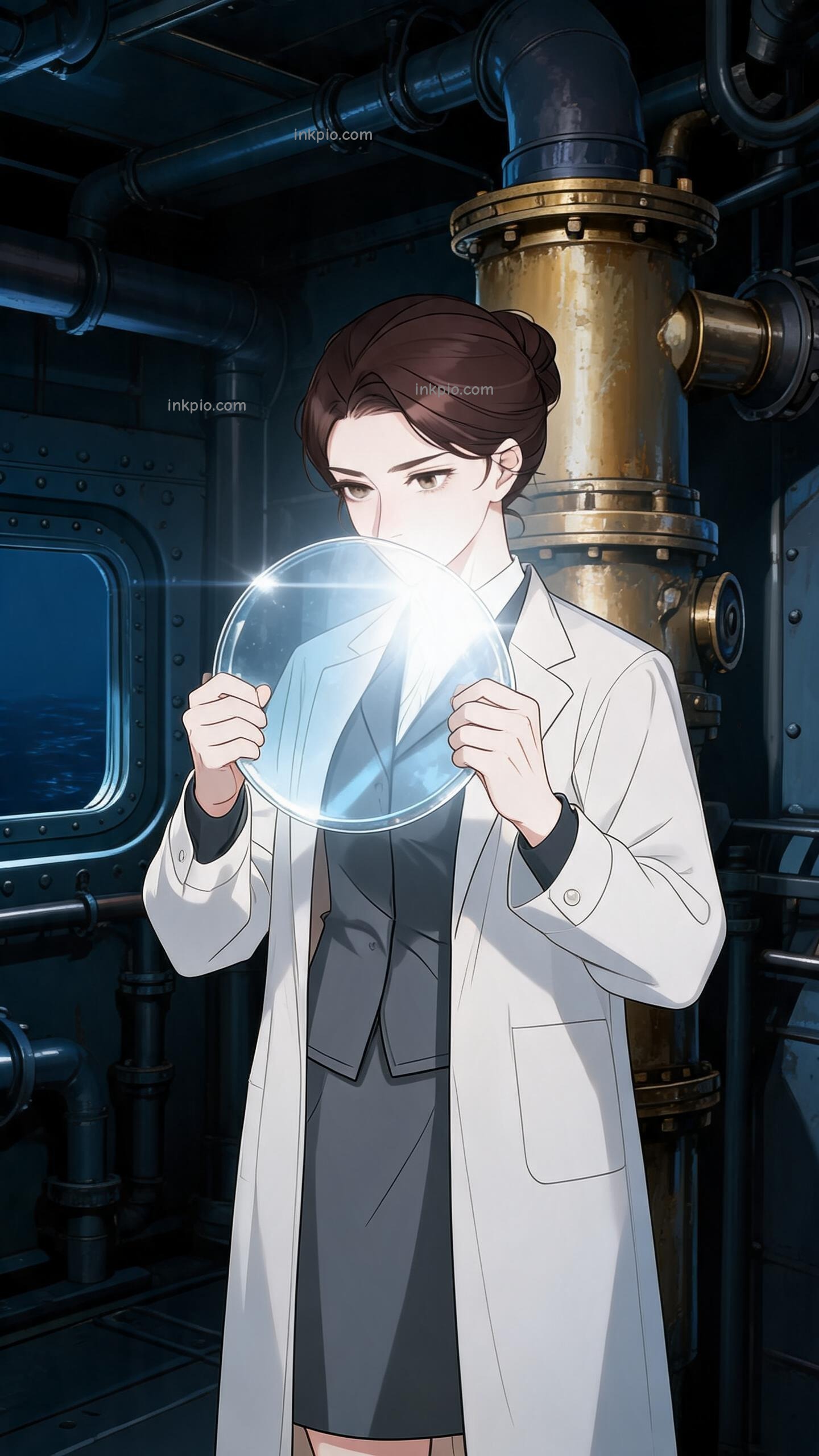
But when the fire died down and the heat faded, something remained. At the bottom of the flask, a tiny bubble of gas sat untouched. It had refused to react. It had ignored the magnesium’s hunger. This leftover gas was an anomaly, a ghost that refused to be exorcised by standard chemical laws. Ramsay looked at the bubble, then at Rayleigh. There was no triumph in his eyes, only a deep, unsettling curiosity. They had trapped something that didn't want to be found.
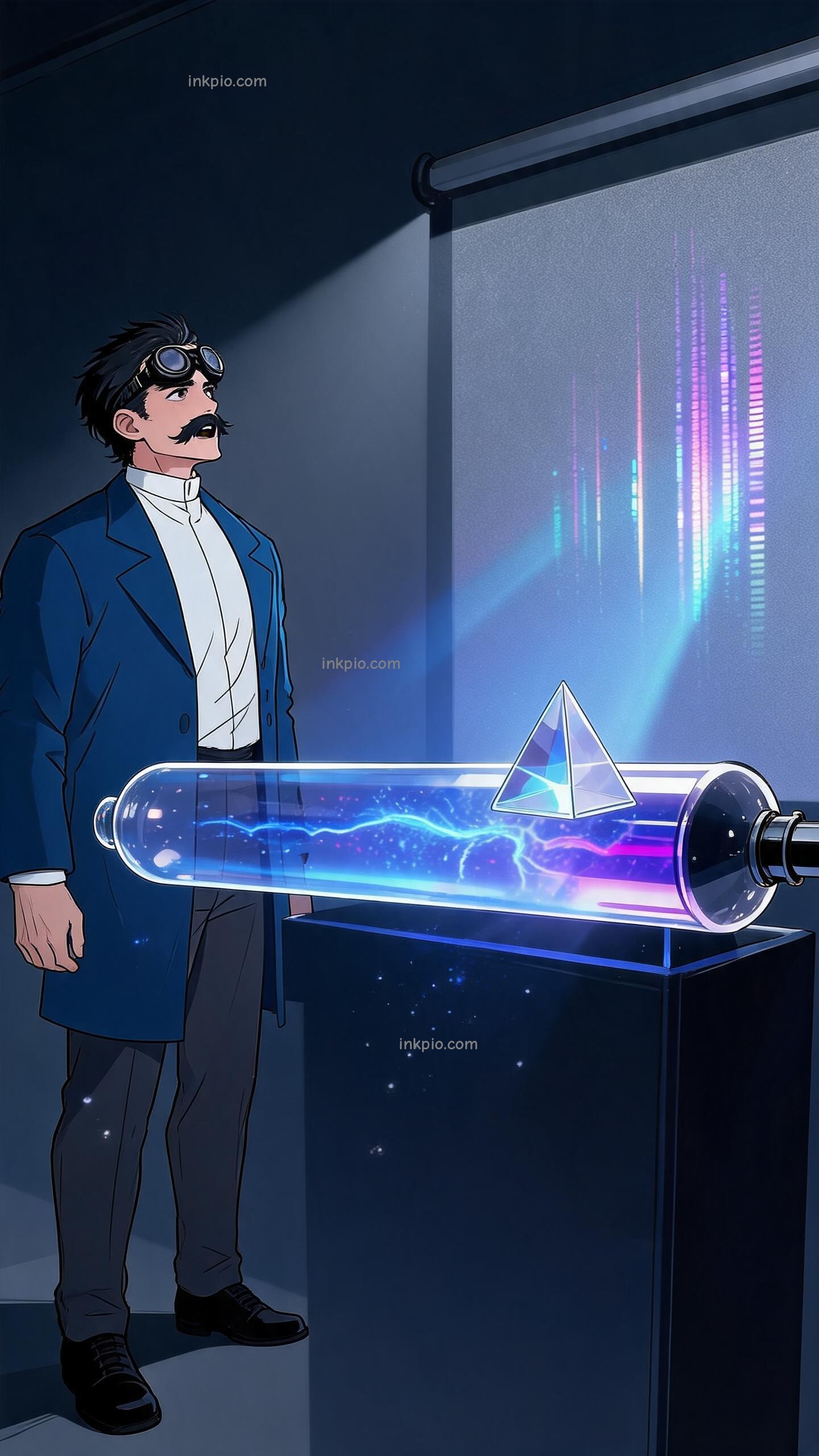
They sealed this lazy residue into a glass vacuum tube and applied high voltage. The darkness inside the tube shattered. Instead of staying black, it erupted in a ghostly rose-blue glow. The light pulsed, eerie and alive, casting long shadows against the lab walls. Ramsay leaned in, his face illuminated by the strange luminescence. He watched the colors dance, not with the joy of discovery, but with the tension of witnessing something forbidden.
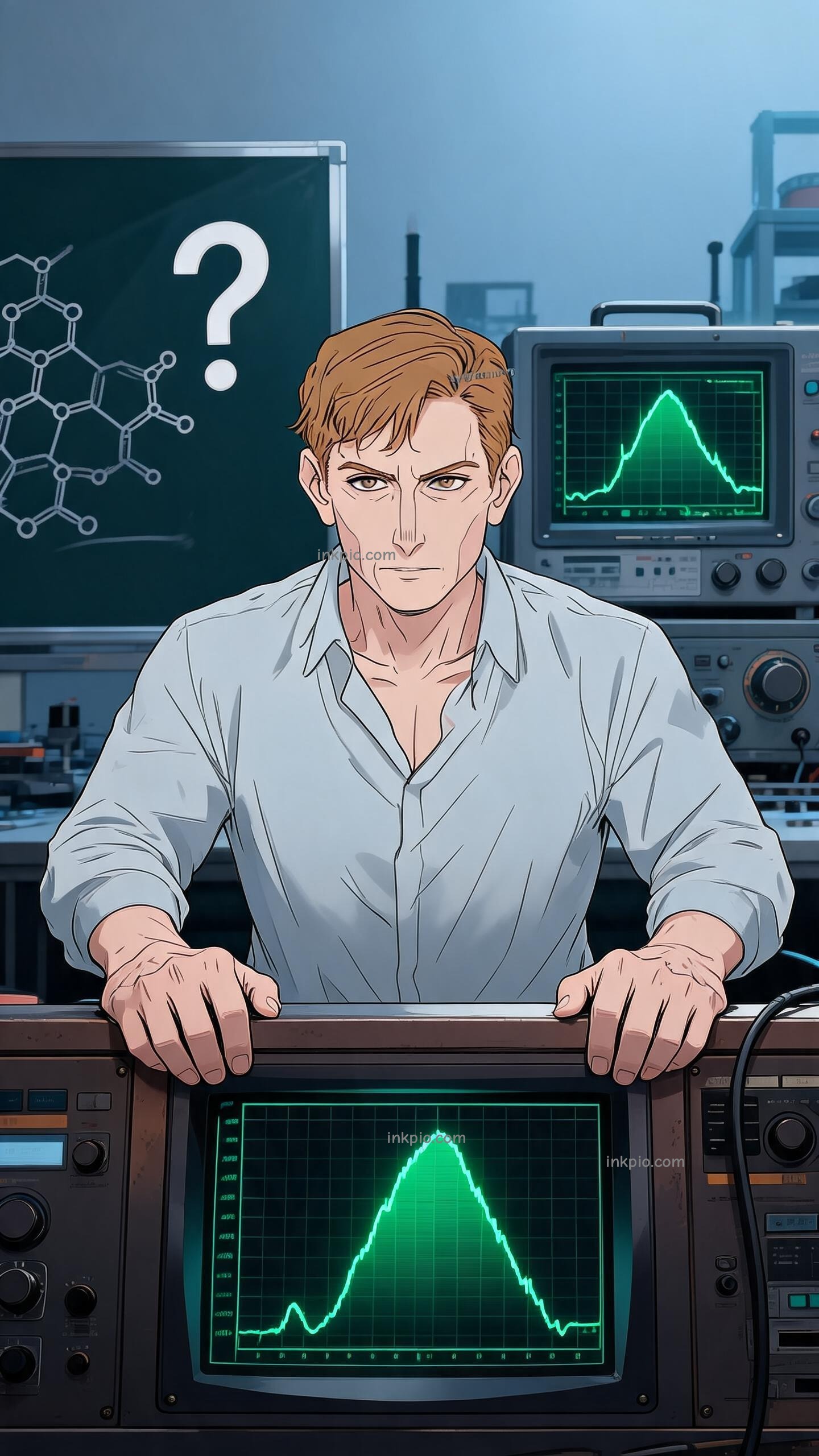
When they passed that light through a prism, the spectrum projected bright, sharp lines onto the screen. These lines matched nothing in any record book. They were alien. In that moment, the frustration of the unbalanced scale vanished, replaced by a chilling realization. They hadn't made a mistake. They had caught a ghost hiding in plain sight, breathing the same air as everyone else for centuries.
They named it Argon, the lazy one. The name carried a hint of mockery for its refusal to engage, but also respect for its persistence. With this discovery, the periodic table had to break its rigid structure. An entire new column was forced open, making room for the noble gases. The atmosphere was no longer a simple mixture of oxygen and nitrogen; it was a crowded room with strangers we had never noticed.
Rayleigh returned to his scales. The needle still hovered, but the anxiety was gone. He looked at the empty space on the periodic table, now filled. The 0.5% density difference wasn't an error to be corrected. It was a door left ajar. He closed his notebook, the scratch of the pen sounding loud in the quiet room. Outside, the wind blew through the trees, carrying the same invisible weight they had just named.