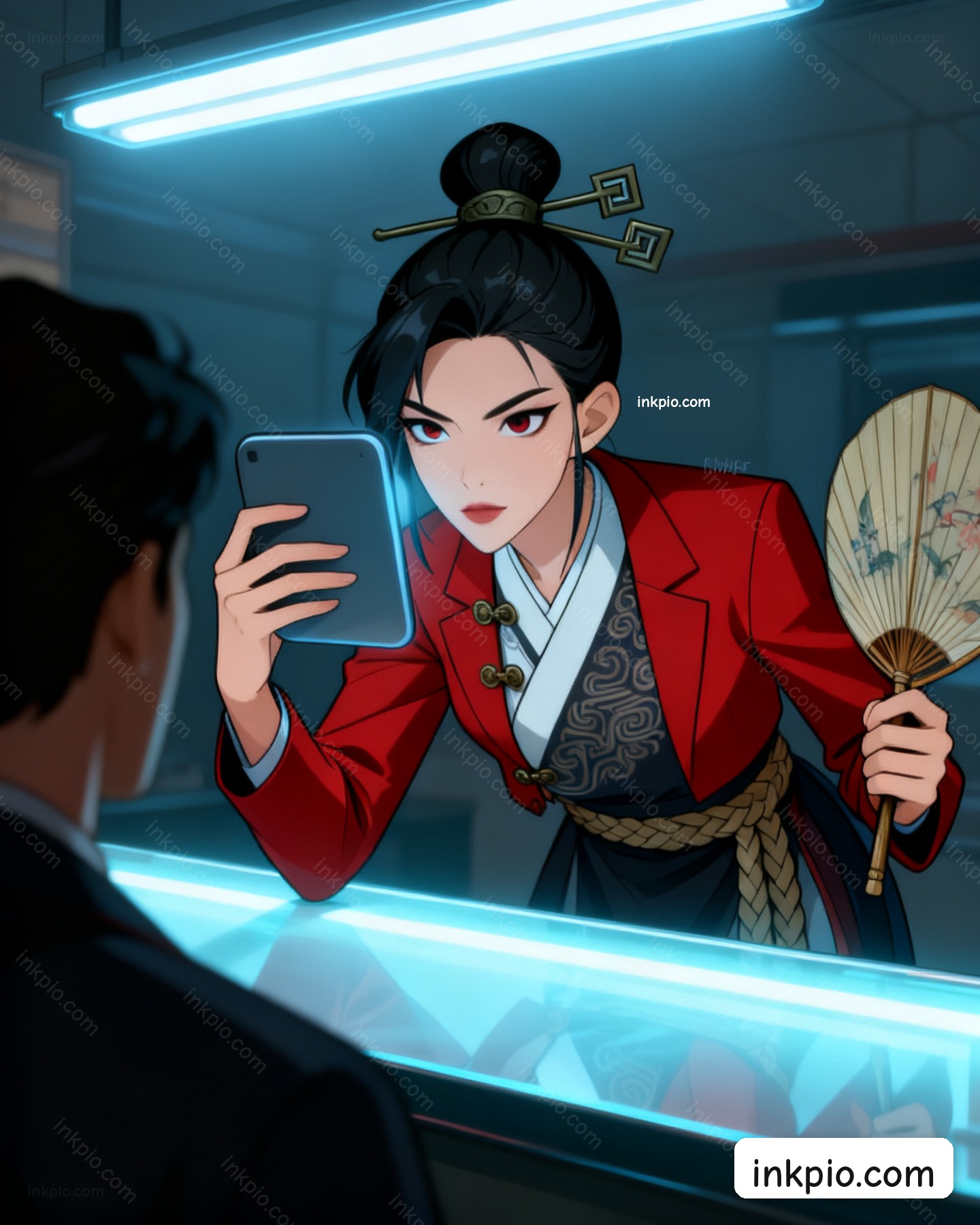
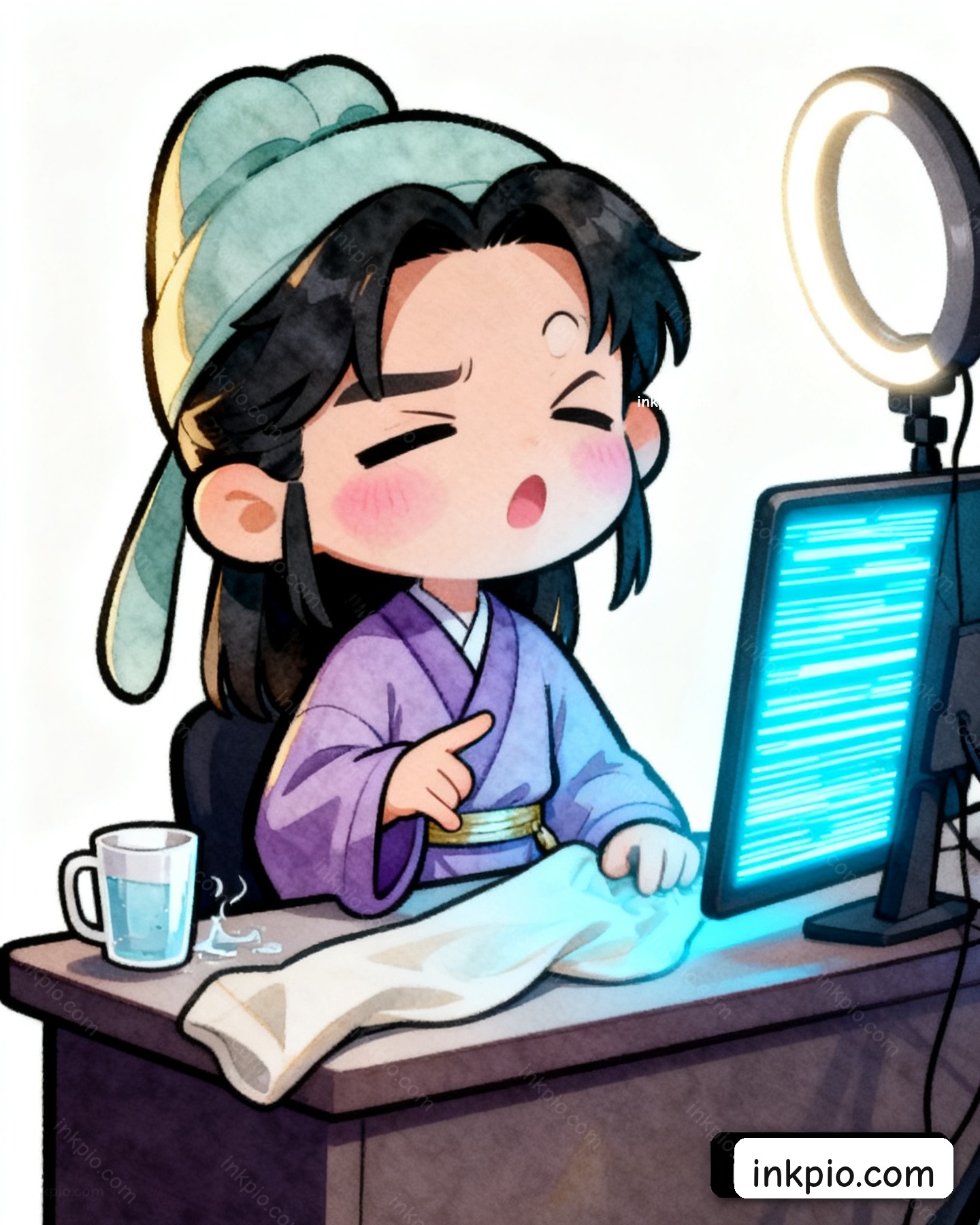

Li Bai traded his moonlit pavilion for a ring light that blinded him on contact. The glowing screen in front of him scrolled a script about a nine-yuan bottle of cheap baijiu, demanding he shout about free shipping and limited stock. He just stared at the teleprompter, wondering which dynasty invented this particular brand of torture. The operations manager tapped a clipboard, pointed at the countdown, and mouthed three simple words: start selling.
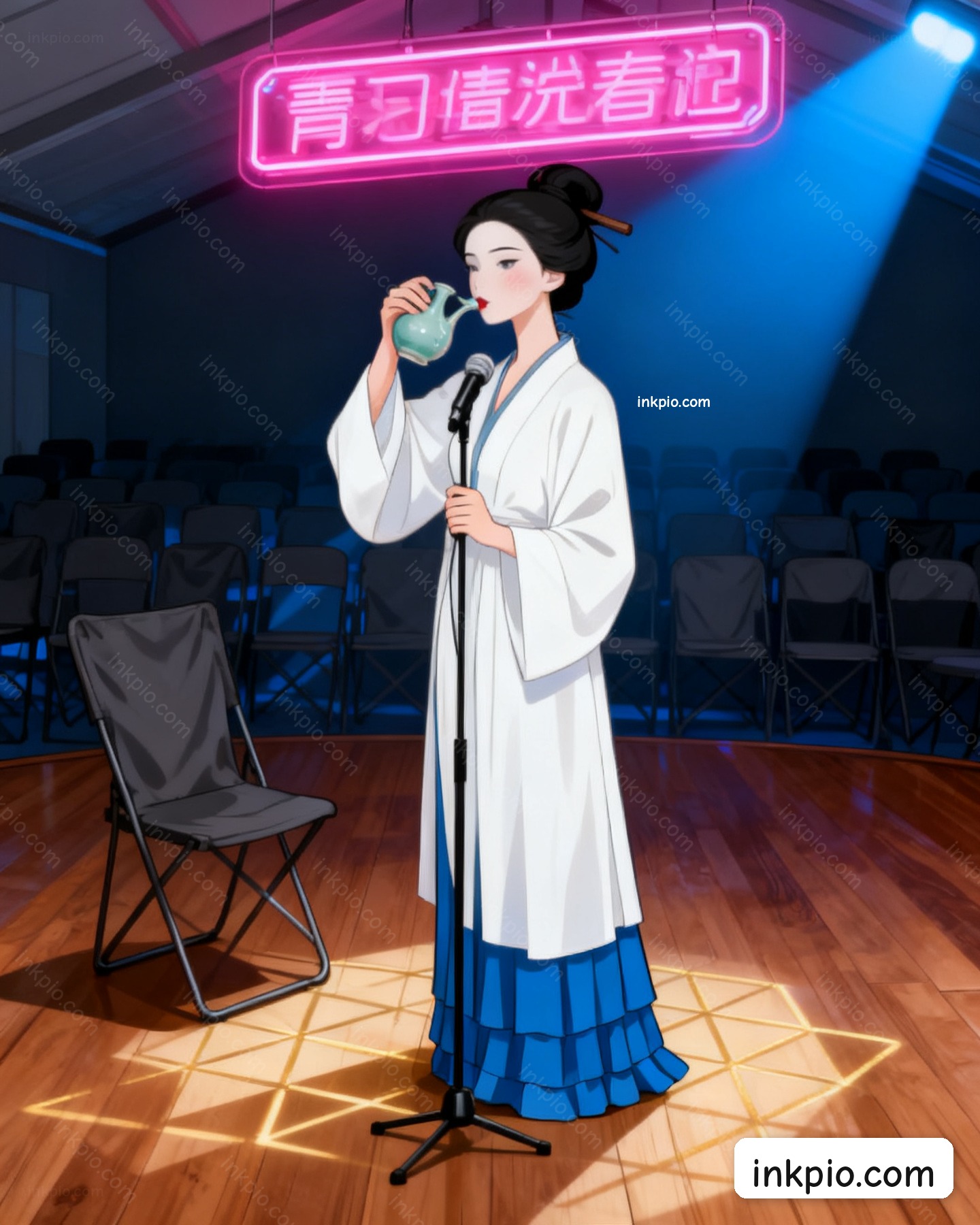
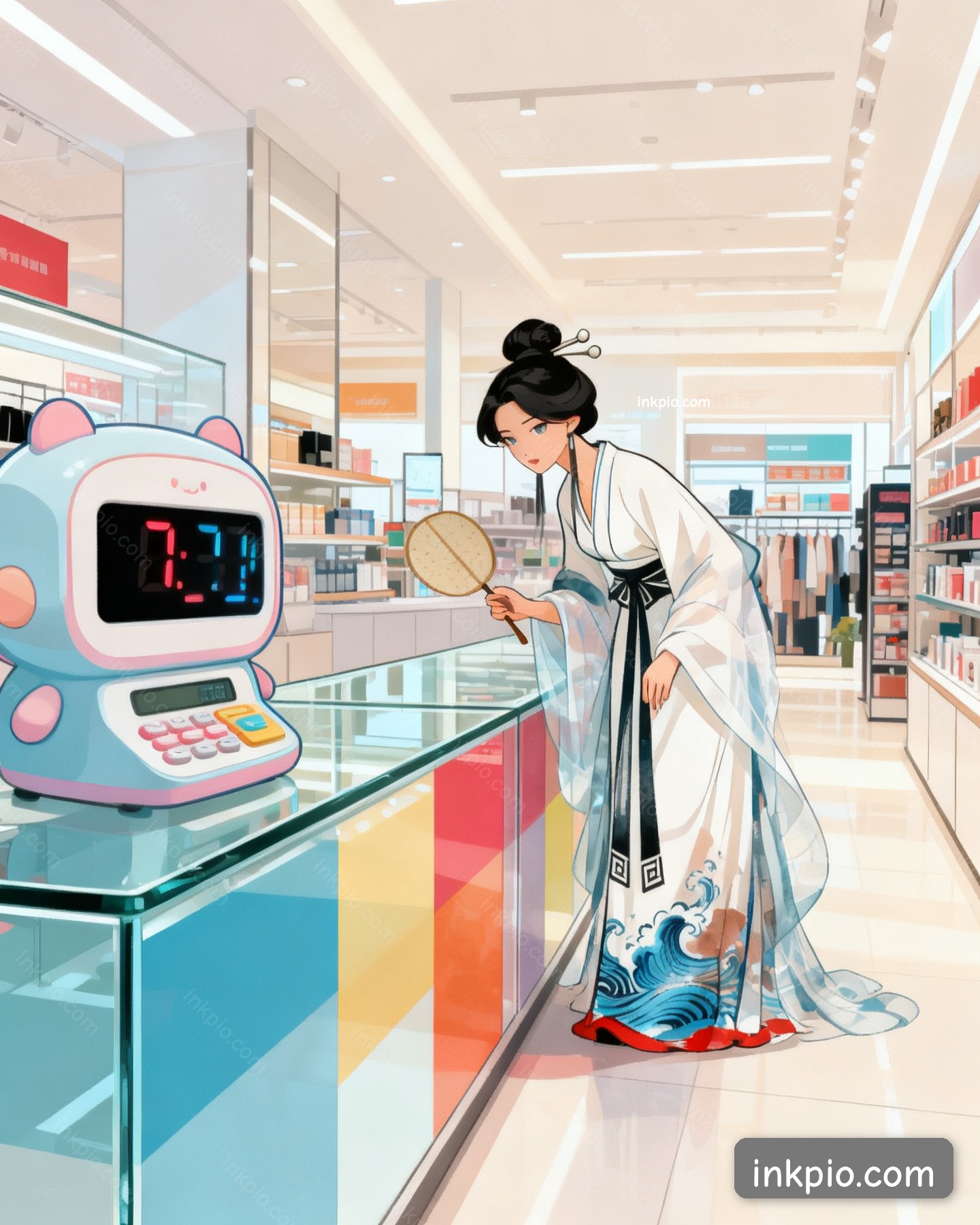
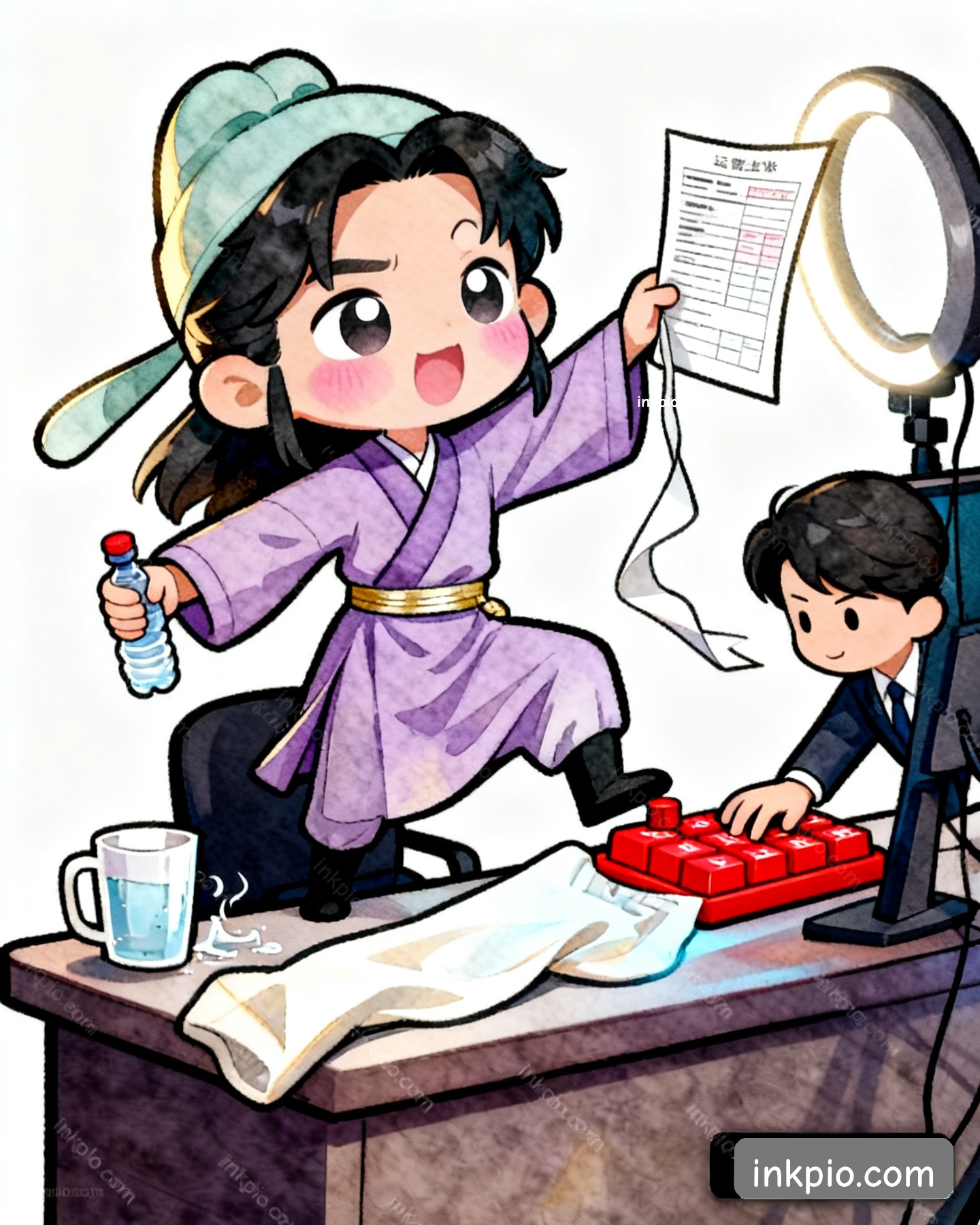
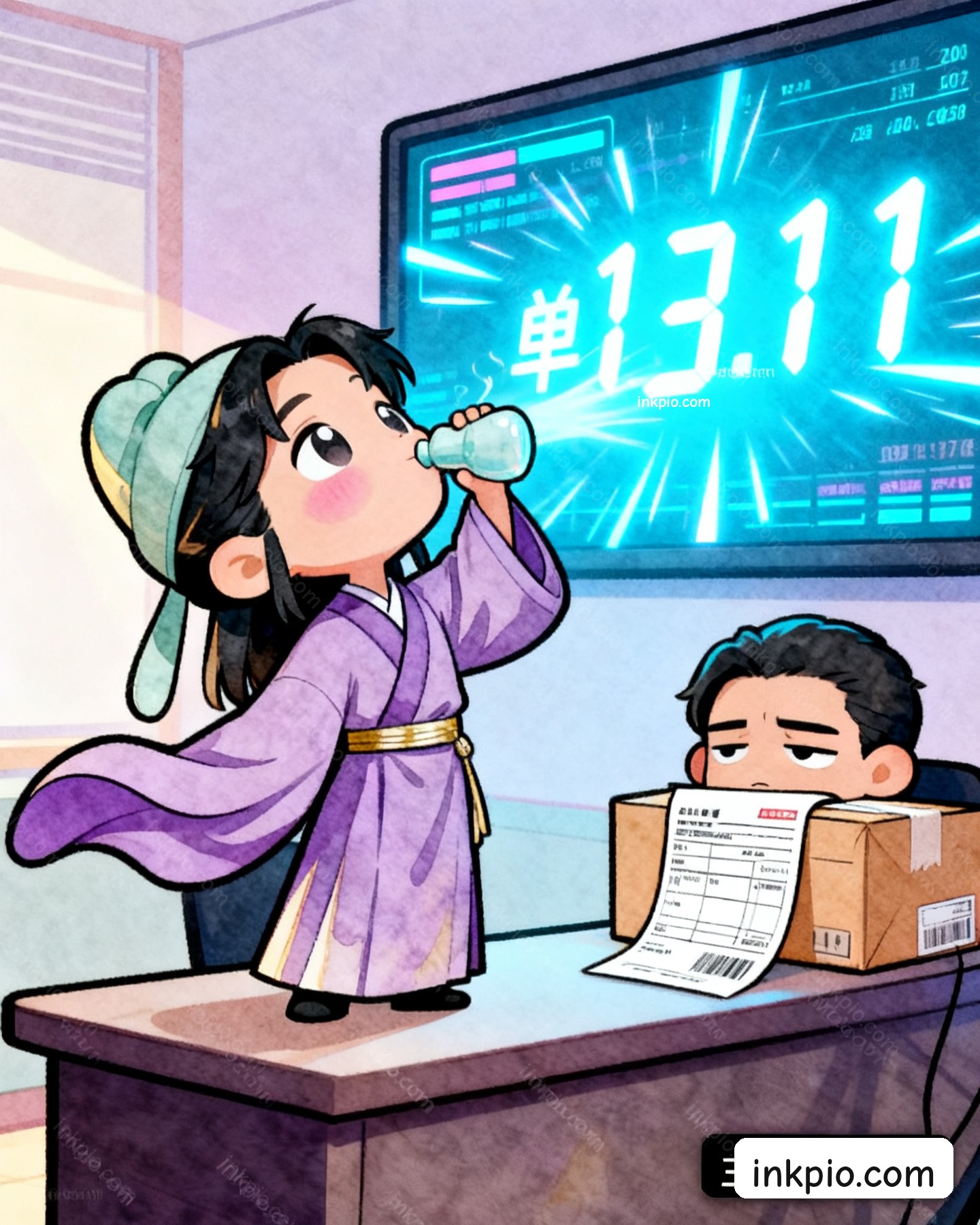
He decided the scrolling script lacked soul, so he ripped the paper right off the monitor. Grabbing a flimsy plastic bottle, he popped the cap, planted a boot on his rolling chair, and launched into a roaring recitation of his own verses. He praised the yellow river, toasted invisible drinking buddies, and chugged straight from the bottle while promising immortality to anyone who clicked the cart link. Viewers flooded the comment section with poetry requests instead of asking about return policies. The digital order counter behind him spun so fast it blurred, and the manager vanished beneath a sudden avalanche of packing tape and printed receipts.
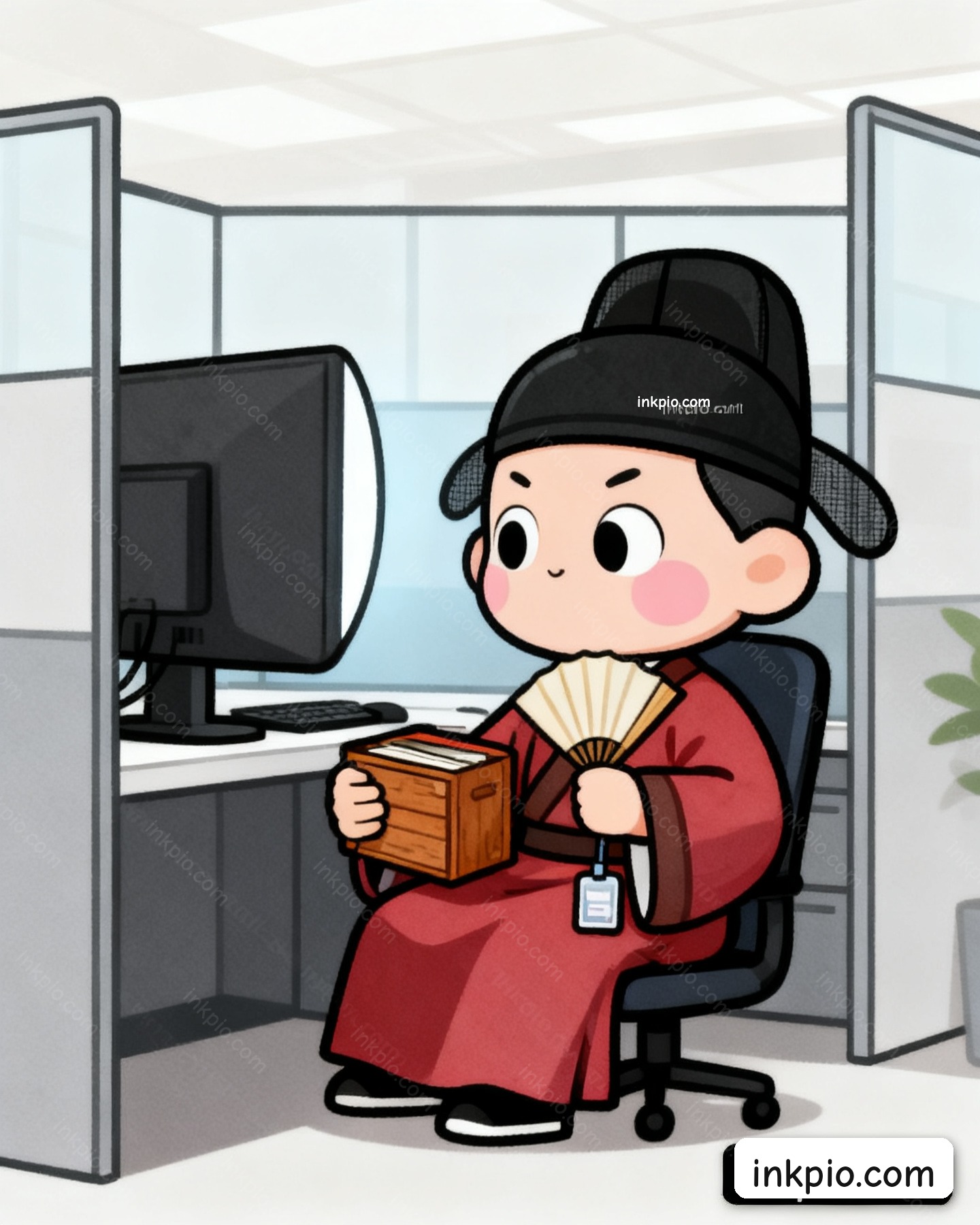
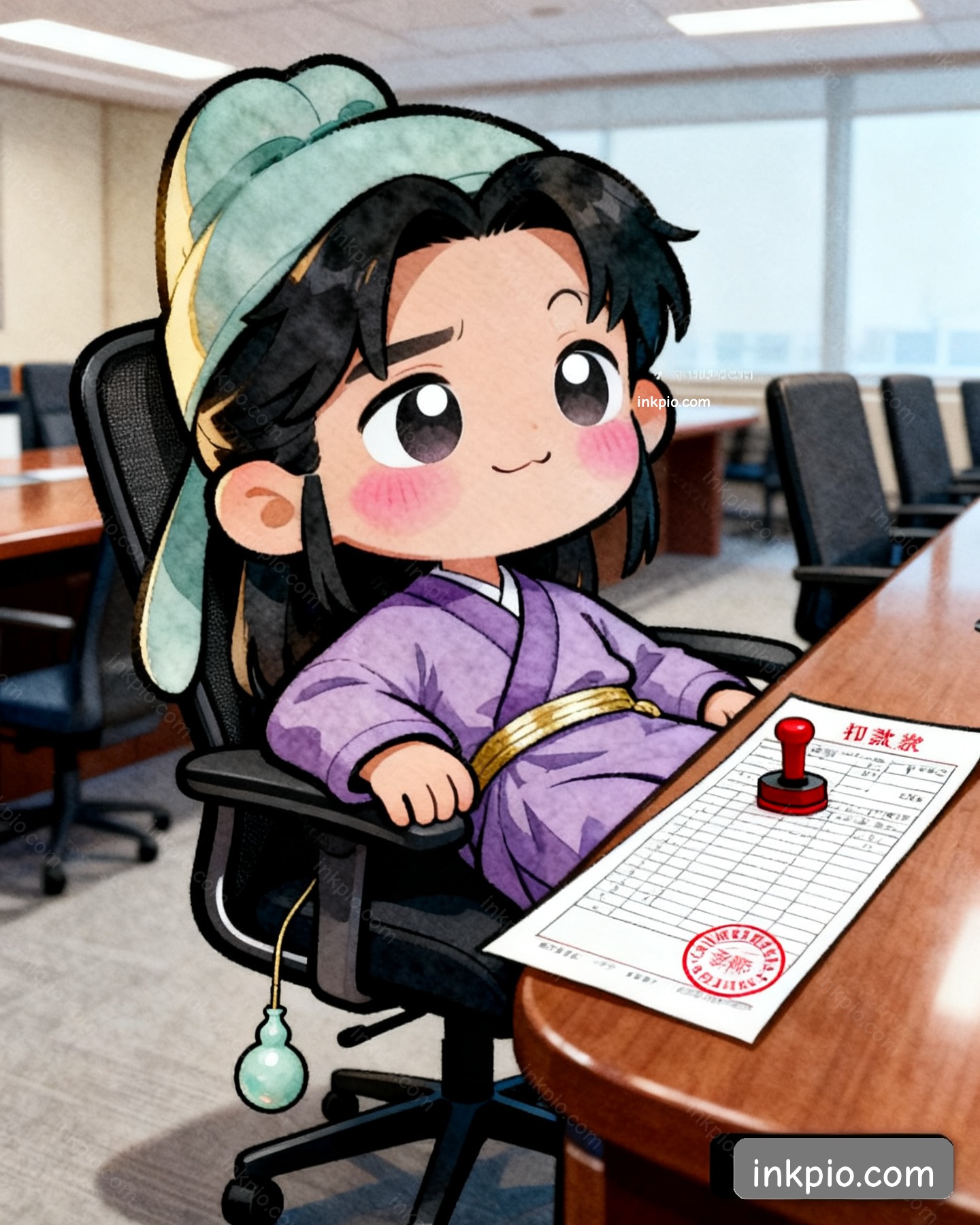
The victory lap lasted exactly until the next morning performance review. The operations manager slid a deduction sheet across a sterile conference table, circling two glaring violations in thick red ink. Broadcasting without reading the mandatory warranty disclaimer and consuming merchandise on camera wiped out half his monthly bonus. Li Bai slumped in his ergonomic mesh chair, his empty gourd dangling from his belt, and finally understood why modern poets just stick to spreadsheets. He stared at the negative balance, signed the acknowledgment form, and quietly asked for a desk fan instead of a promotion.