
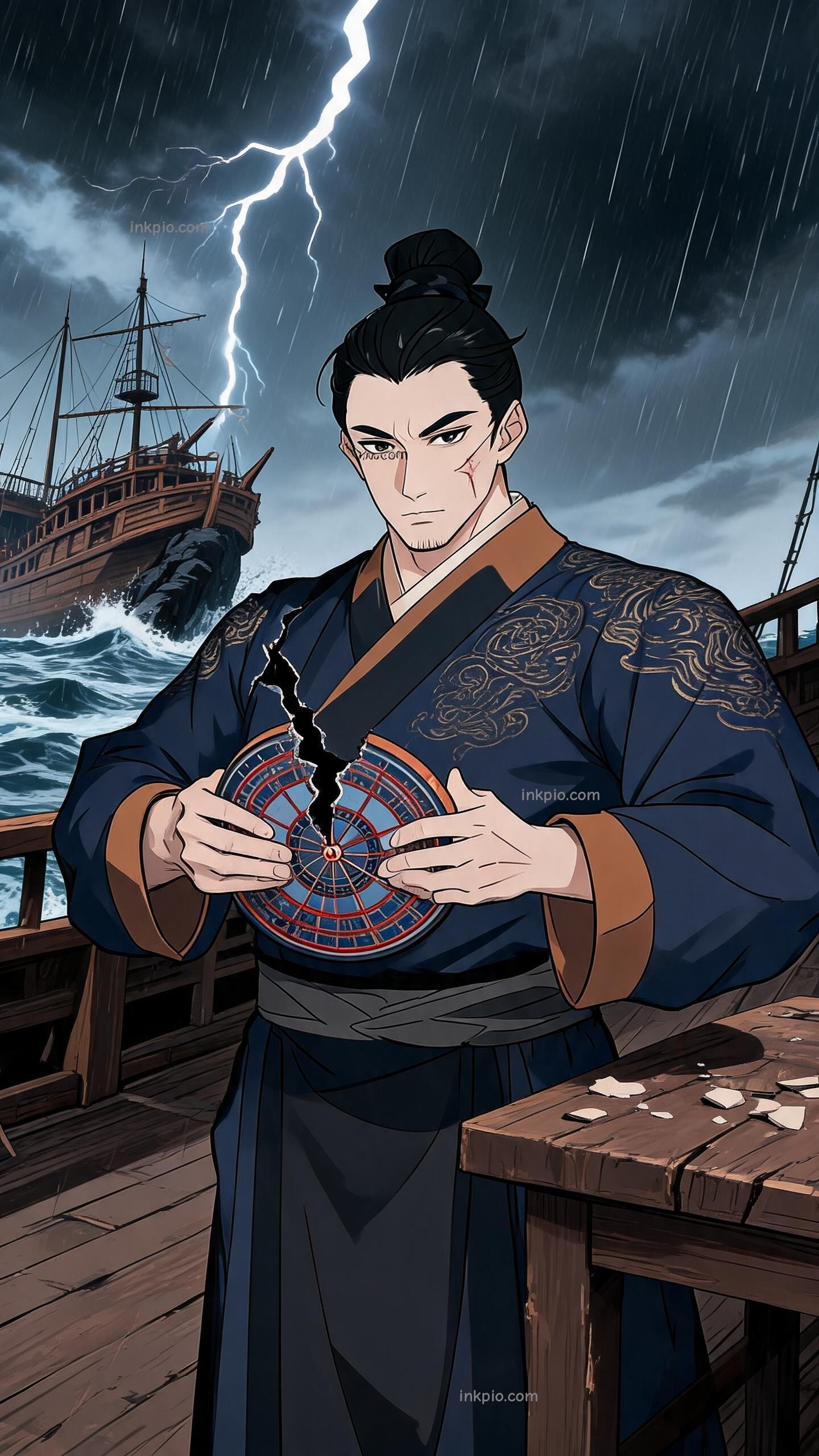


The splintered wood of the model lay scattered across Zheng He’s desk, a silent accusation. Each fragment represented men he had lost to the sea. In the Ming court, failure was not just a professional setback; it was a death sentence for the crew and a stain on his honor. He stared at the jagged edges, imagining the cold rush of water filling a hull that had no defense against the Indian Ocean’s hidden teeth. The traditional warship design was a coffin waiting for a reef.
Zheng He picked up a thick stalk of green bamboo, turning it over in his calloused hands. It was a common object, yet it held a secret that eluded the grandest naval architects. He snapped a section. The break was clean, but the water inside did not spill out. The solid nodes acted as natural barriers, isolating each segment. If one part cracked, the rest remained dry and buoyant. This simple biological truth sparked a desperate hope in his chest. What if the ship could breathe like bamboo?
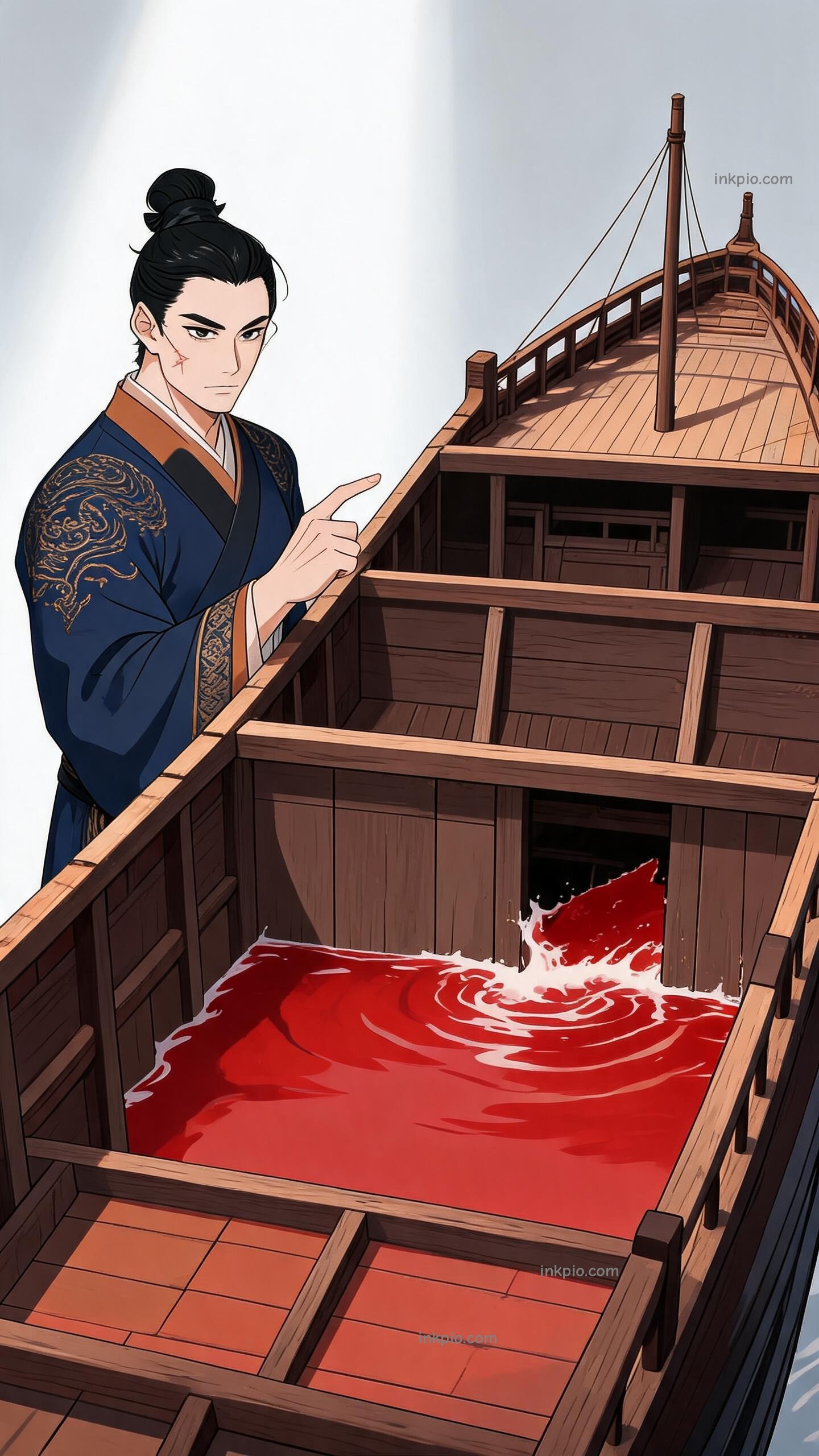
He summoned the master shipwrights from Fujian and Zhejiang. These men were not scholars; they were survivors who knew the sea’s cruelty intimately. When Zheng He explained his vision—slicing the massive four-hundred-foot hull into independent compartments—the older craftsmen exchanged wary glances. They understood the physics, but scaling it up felt like madness. To build a floating palace required trust, not just timber. Zheng He did not argue with diagrams. He pointed to the bamboo. "Make the hull a stack of drawers," he said. "If the bottom breaks, the top must stay dry."
The shipyards echoed with the sound of adzes and saws for months. Carpenters sealed thick transverse bulkheads into the ribs of the Baochuan, transforming the open belly of the ship into a series of watertight cells. It was tedious, heavy work. Every joint had to be perfect. A single leak between compartments would render the entire system useless. The workers wiped sweat from their brows, knowing that their craftsmanship would soon face the ultimate judge: the open ocean. They were not just building a ship; they were weaving a safety net for thousands of lives.
The fleet launched into the gray swell of the Indian Ocean. For weeks, the horizon offered nothing but water and sky. Then, the lead ship struck. A violent shudder ran through the deck as jagged coral tore through the outer planking. On any other vessel, this would be the end. Crewmen braced for the tilt, the scream of rushing water, the inevitable plunge into the dark. But the sinking never came.
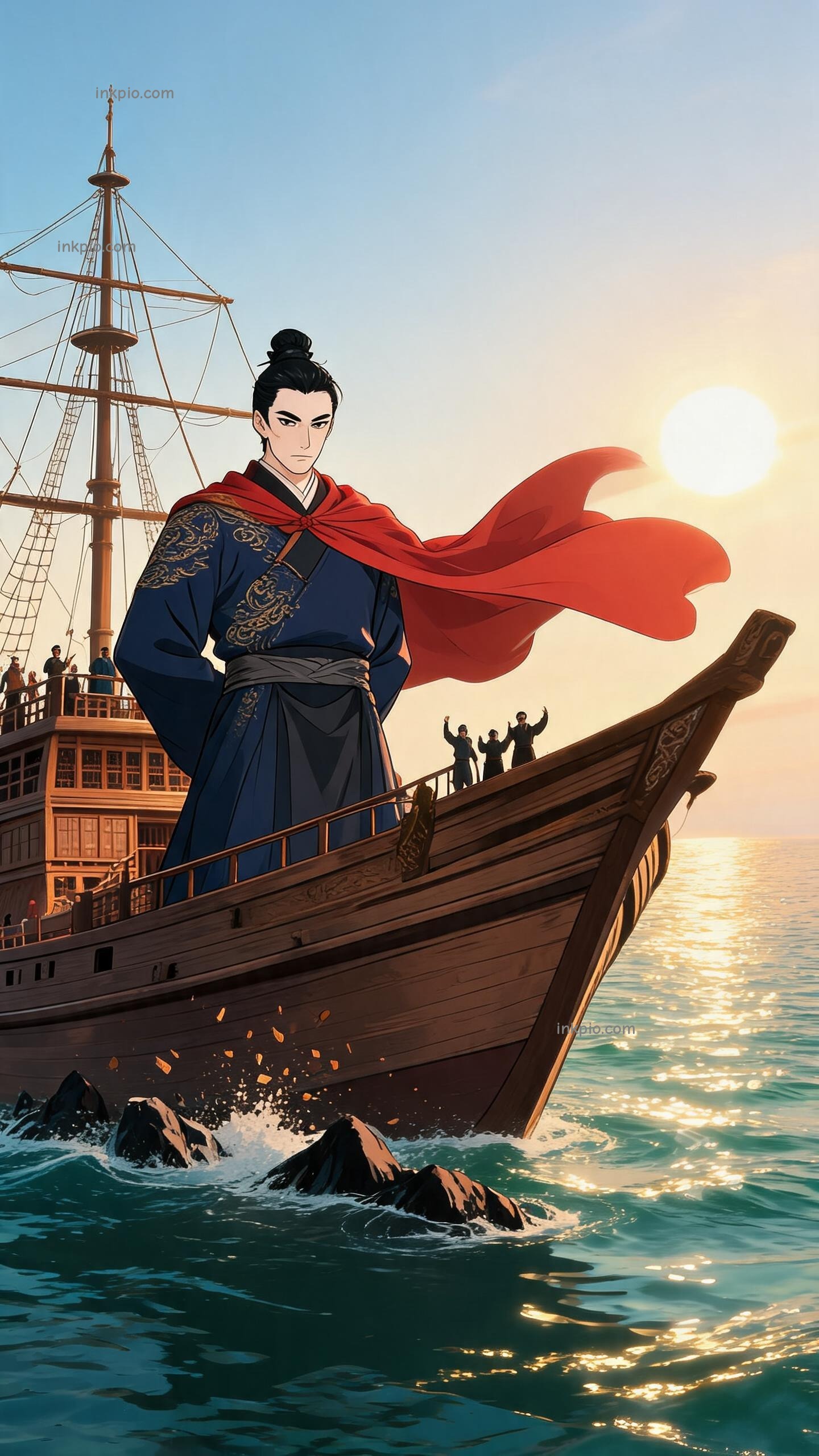
Water poured into the breached lower compartment, heavy and cold. It filled that single "drawer" and stopped. The bulkhead held. The rest of the ship, divided by those thick wooden walls, remained airy and light. The vessel listed slightly, then righted itself, riding high on the waves. On deck, the silence was heavier than the noise. The crew looked at each other, realizing they were still alive. They rushed to patch the hole, not with panic, but with the steady hands of men who had been given a second chance.
Centuries later, historians would write about the structural integrity documented in the Tian Gong Kai Wu. UNESCO would label it Intangible Cultural Heritage. But in 1405, there were no awards. There was only the smell of salt and wet wood, and the quiet relief of sailors watching the sun set over a ship that refused to die. Zheng He stood at the stern, watching the patched scar on the hull disappear beneath the wake. He touched the railing, feeling the vibration of the engines below. The bamboo had taught them how to survive. Now, the unknown seas lay open before them, no longer a grave, but a path.