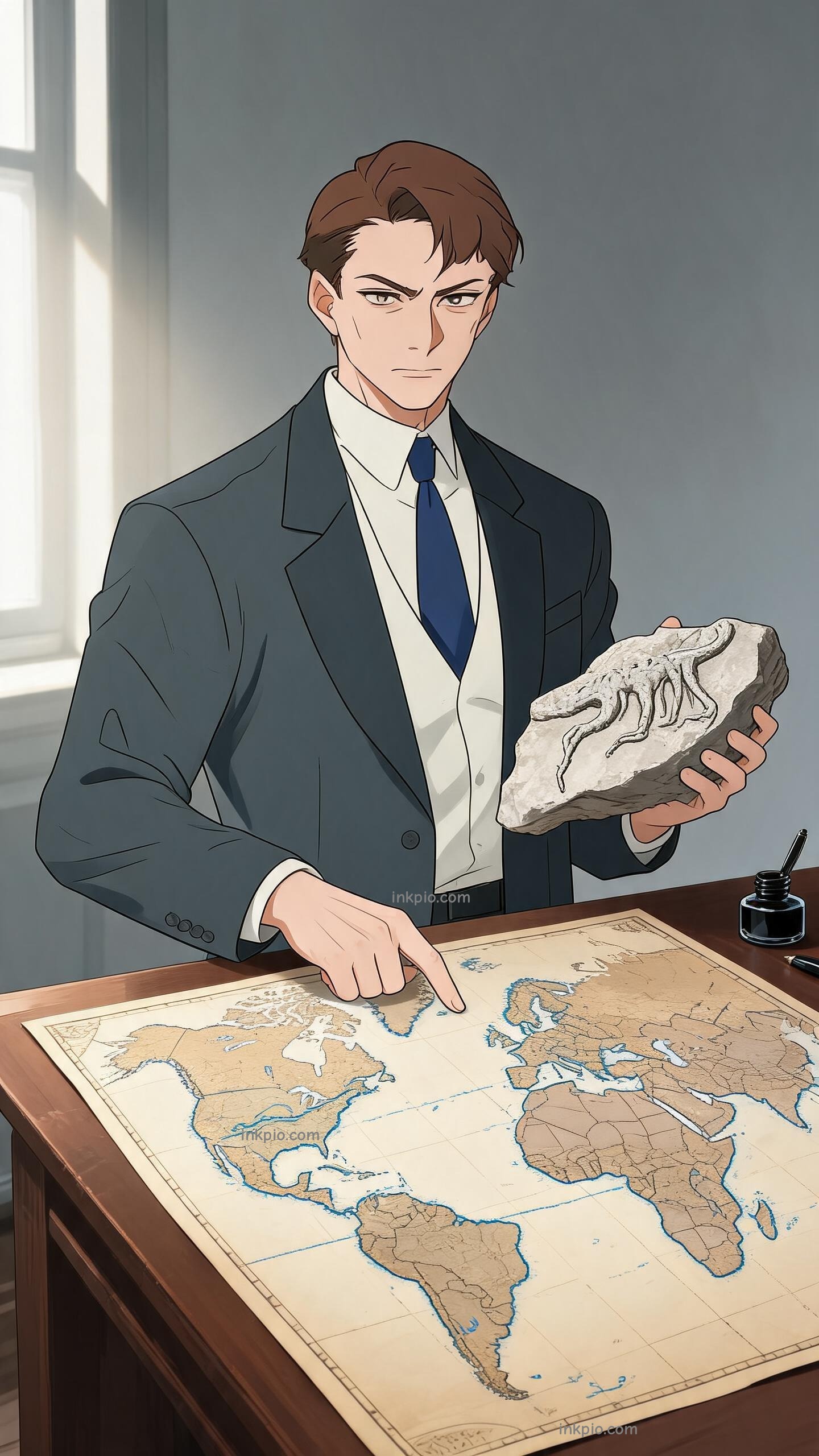


The silence in Alfred Wegener’s study was heavy, broken only by the scratch of a pen and the distant hum of Berlin. On his desk lay a yellowed map, its edges curling from years of handling. His eyes were fixed not on the continents themselves, but on the vast, mocking blue gap between South America and Africa. To the academic establishment, this ocean was an ancient, immutable barrier. To Wegener, it was a logical impossibility.
Paleontologists had dug up identical fossils of Mesosaurus, a small freshwater reptile, on both sides of the Atlantic. The creature could barely swim in a pond, let alone cross a saltwater ocean. Yet there they were, separated by thousands of miles of deep water. The scientific consensus offered a clumsy fix: sunken land bridges. Entire continents of rock, they claimed, had simply dissolved into the sea without a trace. Wegener rubbed his temples. The physics were absurd. Rock does not vanish. It sinks, it crushes, it remains. The explanation felt like a lie told to comfort those afraid of the unknown.
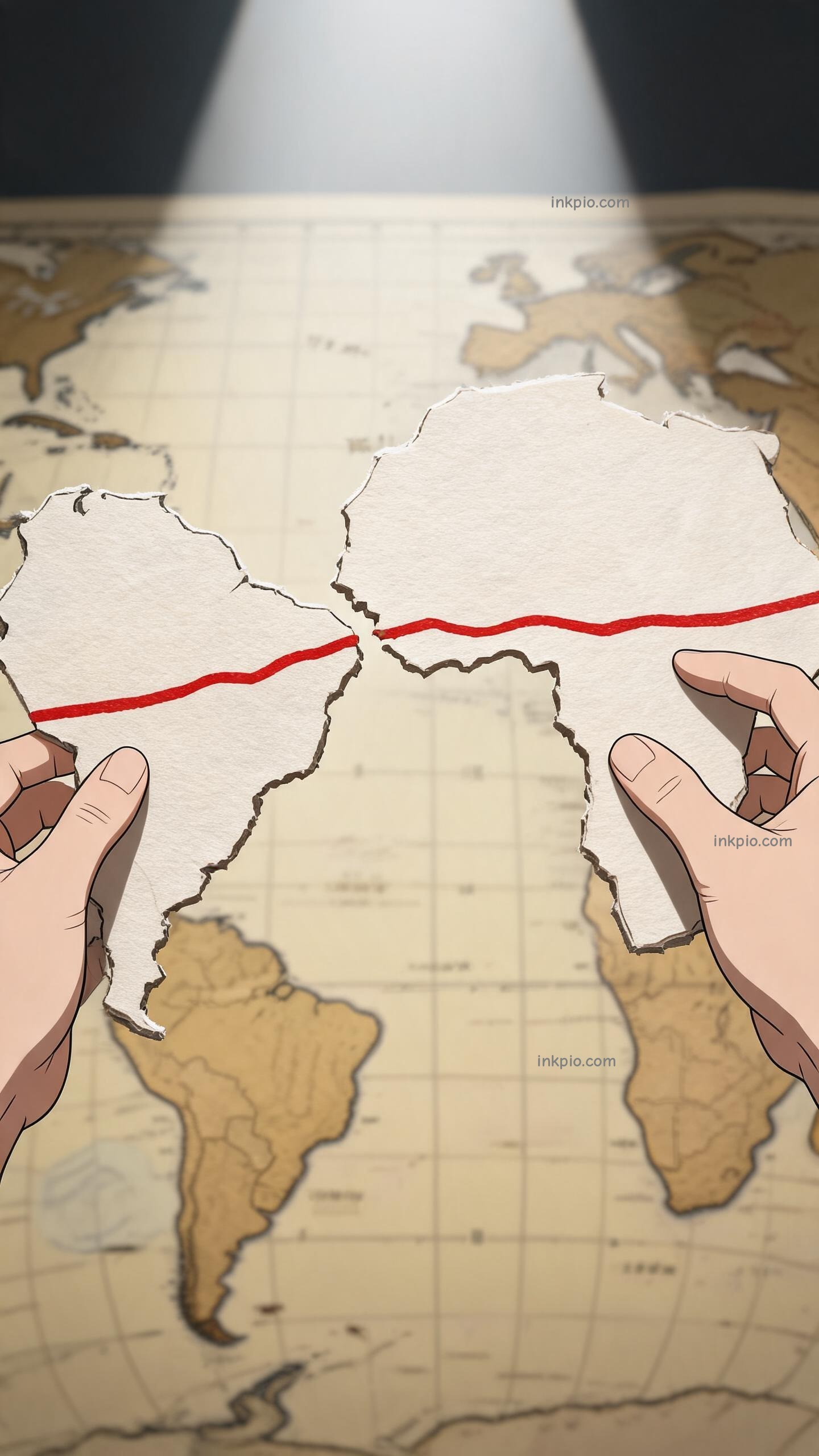
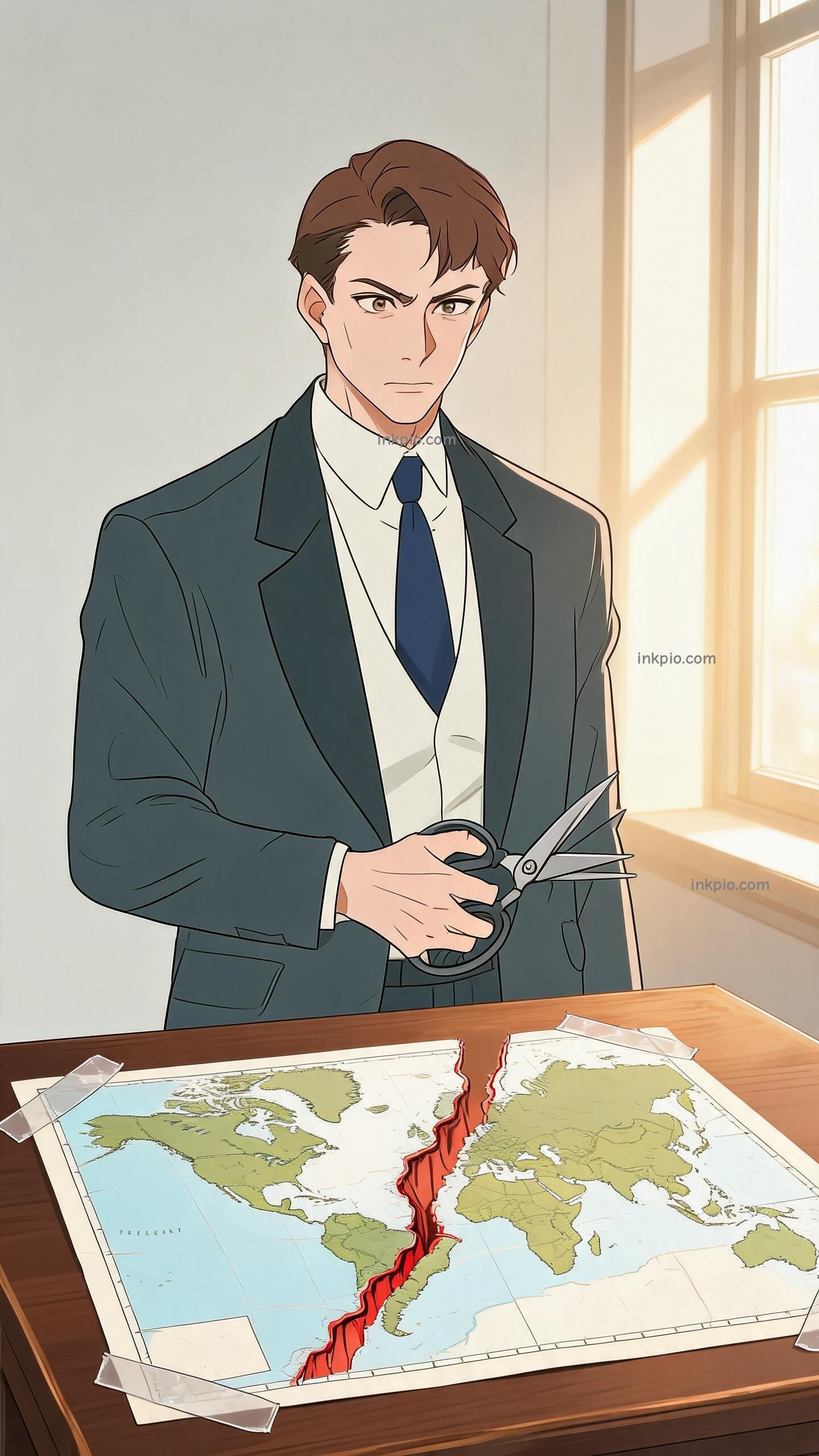
Frustration turned into a quiet, obsessive need for truth. In 1910, Wegener stopped reading papers and started cutting paper. He took a pair of vintage scissors, their metal cold against his palm, and carefully traced the coastlines. With a sharp snip, he severed South America from the rest of the world. Then Africa. He held the two jagged paper shapes in his hands, feeling the weight of continents reduced to pulp.
He pushed them together across the table. The movement was slow, deliberate. As the edges met, a shock ran through him. They didn’t just fit; they locked. The bulge of Brazil slid perfectly into the concave curve of West Africa. It looked like a torn piece of newspaper, ripped apart and now being reunited. He whispered the words that would later define his legacy: anyone observing these coasts cannot fail to be struck by their concordance. But visual symmetry was not proof. It was merely a hint, a whisper from the earth that something was wrong with the static view of the world.
Wegener needed more than a pretty puzzle. He needed the bones of the earth to speak. He pulled out geological maps, layering them over his paper continents. His hands trembled slightly as he aligned the ancient rock strata. If his theory was right, the mountain belts should match. He held his breath. The lines connected. The fossil beds aligned seamlessly across the invisible seam where the paper touched. The Mesosaurus hadn’t swum; it had walked. The Atlantic wasn’t an eternal ocean; it was a fresh wound, a rift tearing the land apart.
He reached for the tape. The sound of the adhesive stripping off the roll was loud in the quiet room. He taped the supercontinent together, creating a single, unified landmass. The ocean was no longer a barrier, but a growing crack. For a moment, the world made sense. The chaos of disparate facts ordered itself into a single, terrifyingly simple narrative.
But when he presented this vision to his peers, the room didn’t erupt in awe. It froze. Colleagues looked at him with pity, then disdain. They called it foolish. They refused to look at the rocks, preferring the comfort of the old, impossible land bridges. Wegener left the meetings with his head high but his heart sinking. He knew the truth was in the tape and the scissors on his desk, even if the world wasn’t ready to see it. He walked home through the cold Berlin night, the image of the tearing earth burned into his mind, alone with a secret that was too large for anyone else to hold.