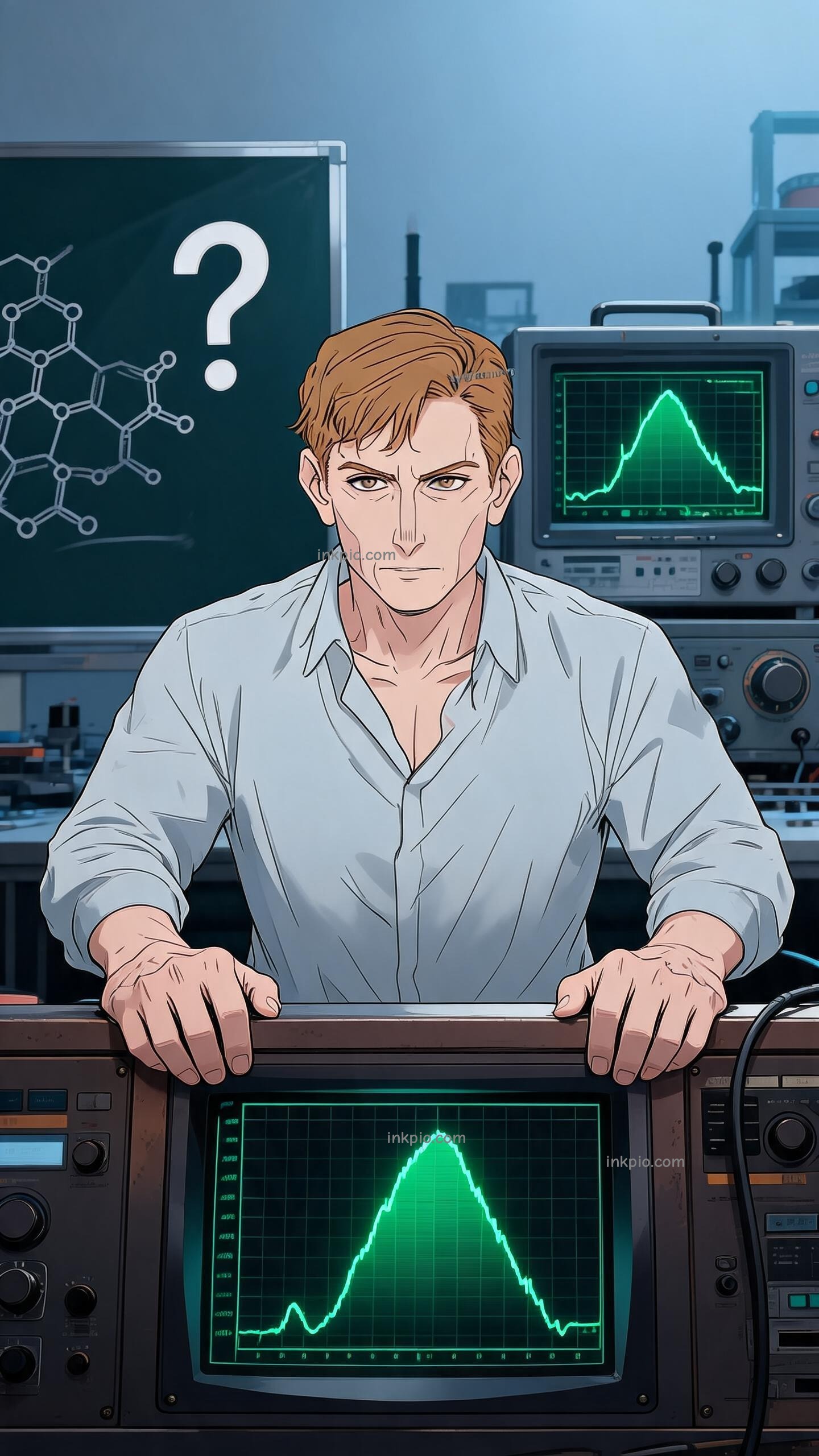
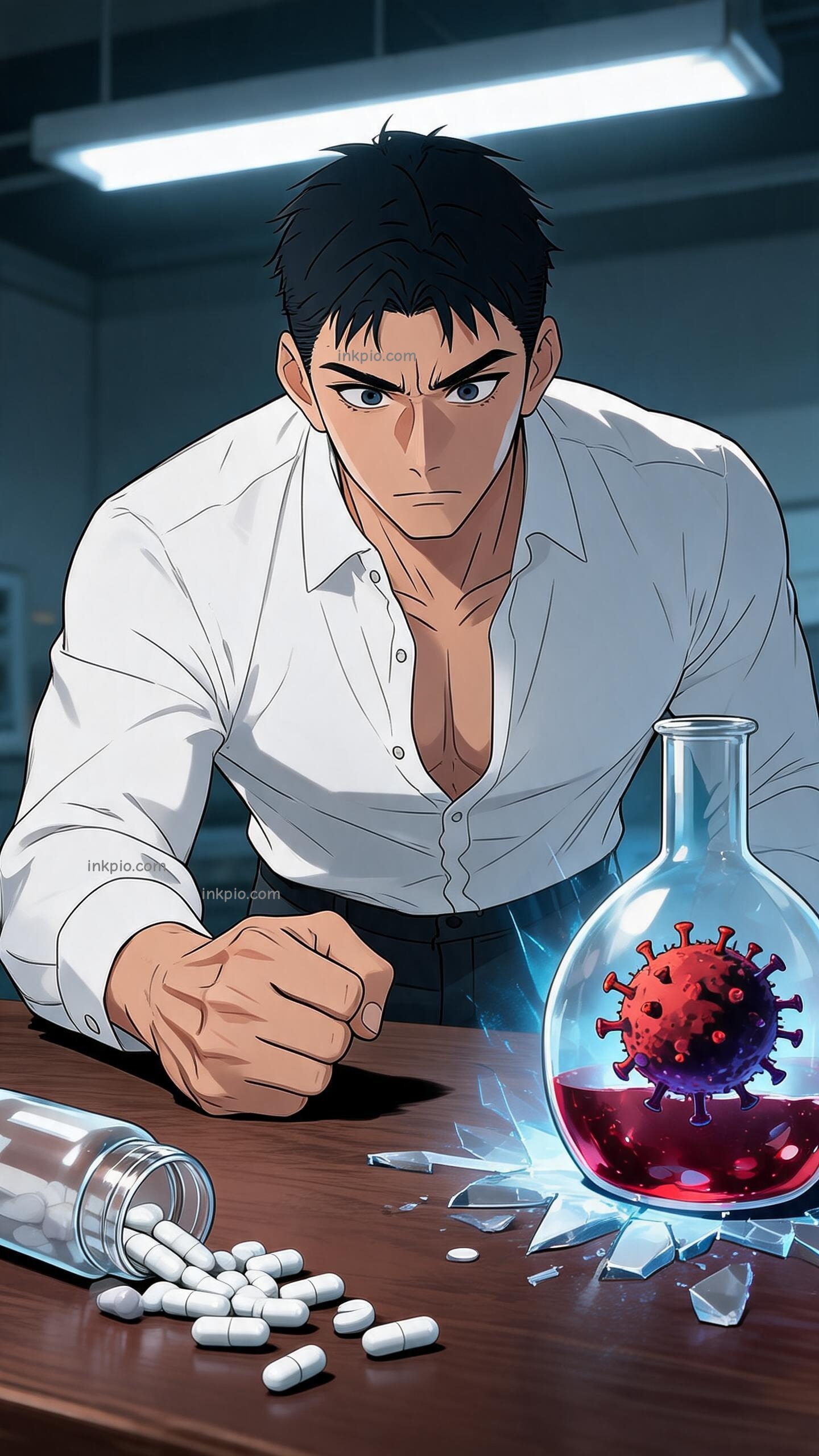


The single pill sat on the desk, a silent monument to failure. David Ho stared at it, not with scientific curiosity, but with a heavy, gnawing guilt. He watched his patients walk out of the clinic smiling, only to see them wheeled back in months later, gasping for air. The HIV virus wasn't just surviving; it was mocking their efforts. It found a way to outsmart every drug they threw at it.
The prevailing wisdom among doctors was comforting in its simplicity. They believed the virus was dormant, sleeping quietly in the body’s shadows until the medication stopped. This theory allowed them to sleep at night. But Ho couldn’t shake the feeling that the enemy was doing something far more aggressive. He suspected the virus wasn't hiding. It was hunting.
His team at the Aaron Diamond AIDS Trial Center began a relentless pursuit of the truth. They didn't just look for the virus; they tracked its heartbeat. They measured exactly how many viral particles vanished and how many new ones appeared every single day. The data was terrifying. It revealed a massive factory churning out billions of defective toys an hour. If you only block one exit door, the toys don't stop. They smash through the walls.
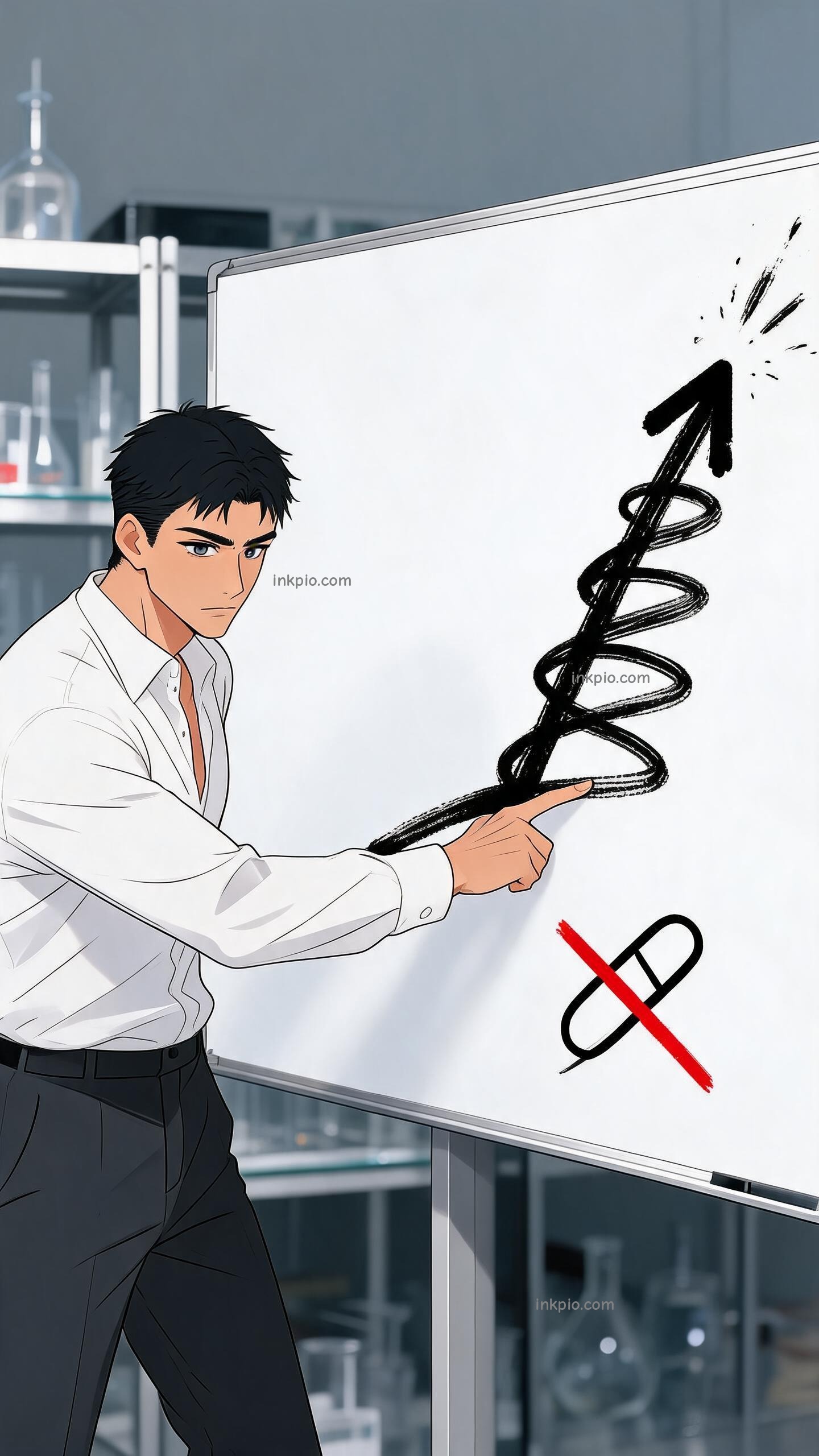
The math proved what Ho feared most. HIV wasn't napping. The virus replicated and cleared billions of times daily. This chaotic turnover created a genetic lottery where mutation was not an accident, but a certainty. A single drug was like trying to catch a shapeshifter with one net. The virus would simply change its form and slip through.
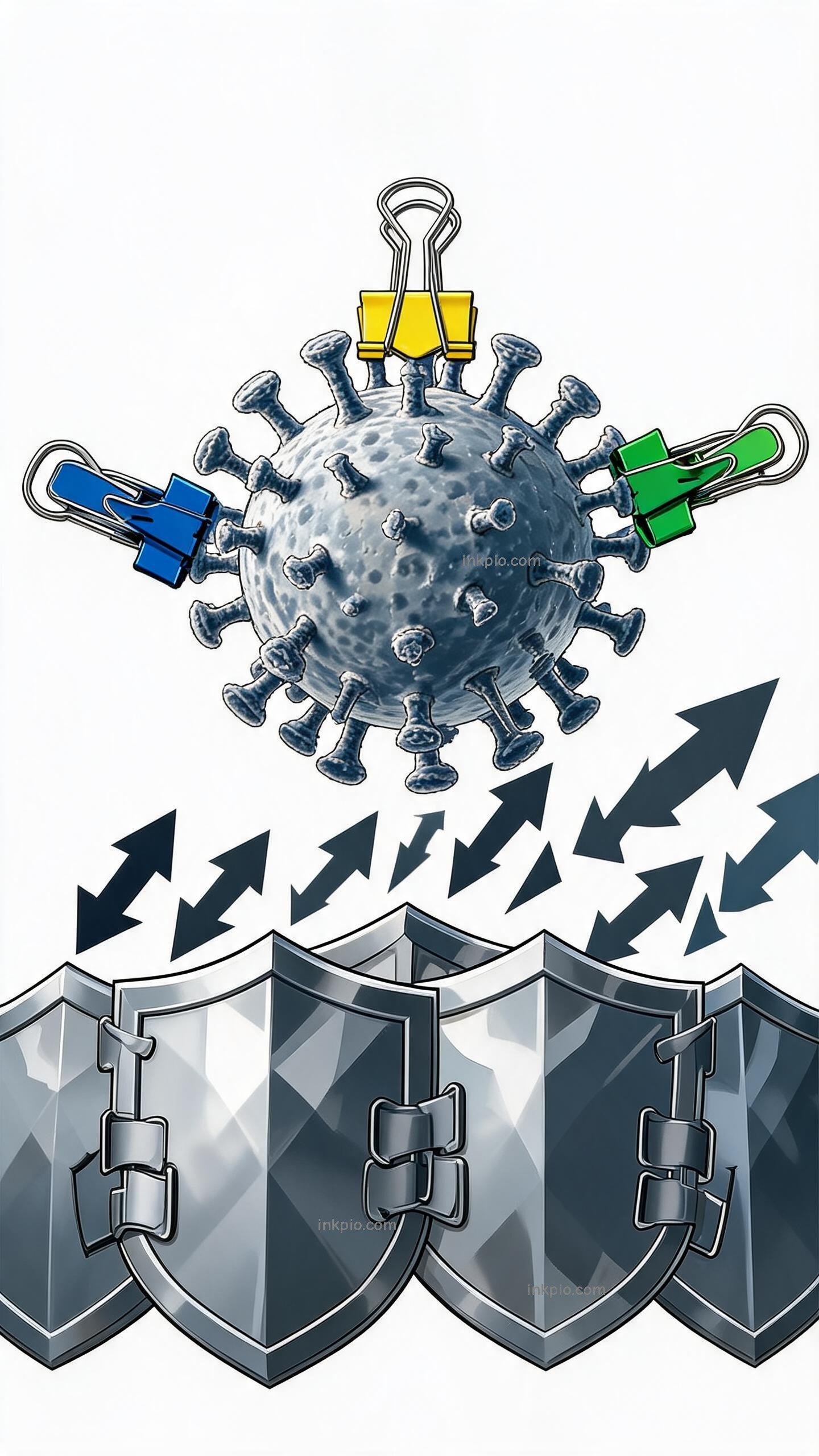
Ho realized the old approach of finding one 'magic bullet' was doomed. You cannot beat a shapeshifter with one trick. To win, they had to lock all the exits at the exact same time. He proposed a radical idea: hit the virus with three different drugs simultaneously. Each medication targeted a completely different part of the viral machinery. The virus could easily mutate to dodge one chemical attack. But dodging three different mechanisms at once? The odds of that happening were practically zero.
They called this combination the cocktail therapy, officially known as HAART. The proposal faced skepticism. It seemed excessive, even dangerous. But Ho saw no other choice. The clinical trials rolled out in 1996, carrying the weight of thousands of lives. The medical world held its breath.
The results did not just surprise them; they shattered expectations. Viral loads plummeted off the charts, dropping below the limit of detection. Patients who had been writing wills began making plans for next year. Within just two years, AIDS mortality in the US fell by over 60 percent. The numbers were abstract, but the silence in the hospital wards was real. The constant beep of monitors slowing down marked the end of an era.
Ho stood in the lab, the hum of machines filling the room. He watched the monitor. The red line, which had jaggedly spiked for years, finally flatlined into a steady green baseline. It wasn't just data. It was the sound of the shifting virus running out of moves. For the first time in a decade, the enemy had nowhere left to hide. Ho didn't cheer. He just watched the green line, steady and unbroken, wondering how many lives they might have saved if they had understood the math sooner.